


Abstract
Accurately predicting the long-term luminous flux maintenance of LED packages, arrays, and modules is a cornerstone of product reliability and warranty validation. This technical article provides an in-depth analysis of the methodologies and instrumentation required for compliance with critical industry standards, specifically focusing on the IES LM-84 LED Aging Test Instrument | LISUN Luminous Flux Maintenance. We explore the technical distinctions between LM-80 and LM-84 testing, the application of the Arrhenius Model for accelerated life prediction, and the practical implementation of dual testing modes. For engineers and lab technicians, understanding the hardware and software integration within systems like the LISUN LEDLM-84PL is essential for generating TM-28 reports and deriving actionable L70/L50 lifetime metrics from empirical 6000-hour data.
1.1 The Imperative of Luminous Flux Maintenance Testing
Luminous flux maintenance, the measure of an LED’s light output retention over time, is the primary metric for product lifetime and reliability. Unlike catastrophic failure, lumen depreciation is a gradual process influenced by junction temperature, drive current, and environmental factors. Precise, standardized testing is therefore non-negotiable for manufacturers to validate product claims, fulfill warranty obligations, and ensure customer satisfaction. The IES LM-84 LED Aging Test Instrument is engineered specifically to automate and standardize this critical data acquisition process, transforming raw photometric measurements into predictive lifetime models.
1.2 The Standards Ecosystem: From LM-80 and LM-79 to LM-84 and TM-28
A hierarchy of standards governs LED testing. IES LM-80 is the foundational method for measuring lumen depreciation of LED packages, arrays, and modules. IES LM-79-19 dictates the approved methods for initial photometric and electrical characterization, which is a prerequisite for aging tests. The IES LM-84 standard extends this framework to luminaires, defining procedures for measuring their luminous flux maintenance in situ. The data from LM-80 and LM-84 tests are then analyzed using IES TM-21 and IES TM-28 projection methods, respectively, which provide the mathematical protocols for extrapolating limited-duration test data (e.g., 6000 hours) to predict long-term performance like L70 (time to 70% initial lumen output) and L50.
2.1 Architectural Overview and Hardware Configuration
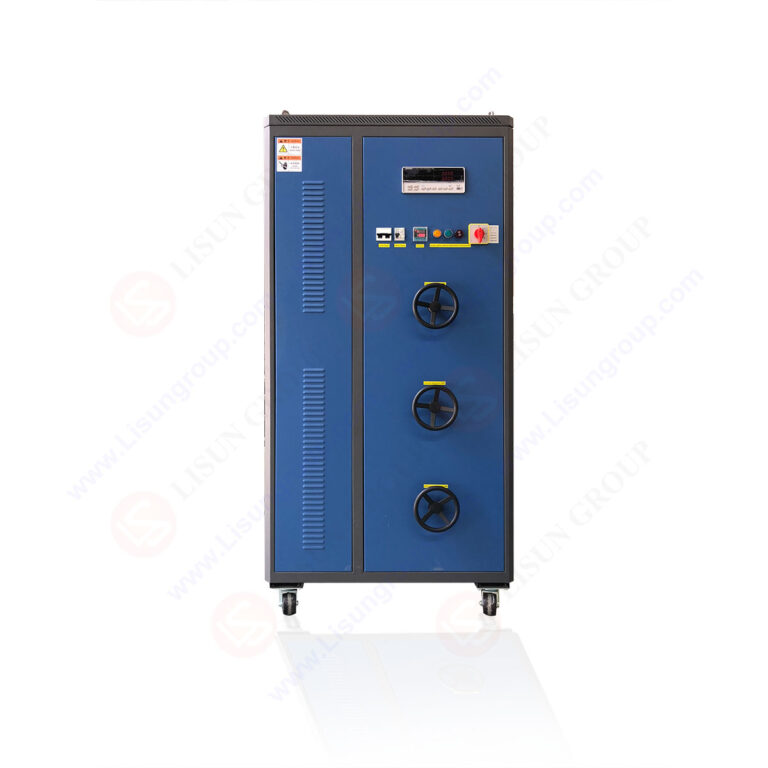
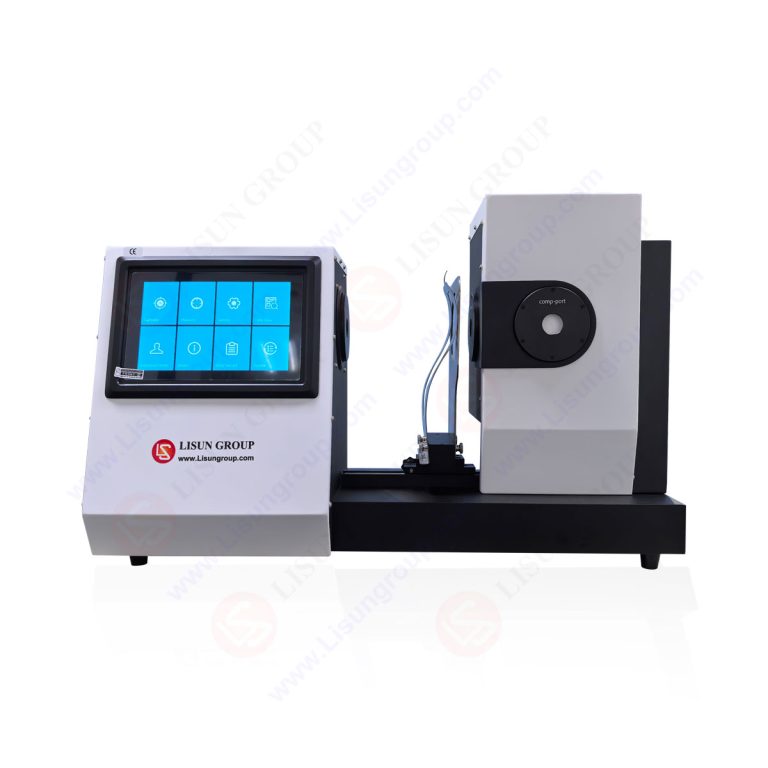
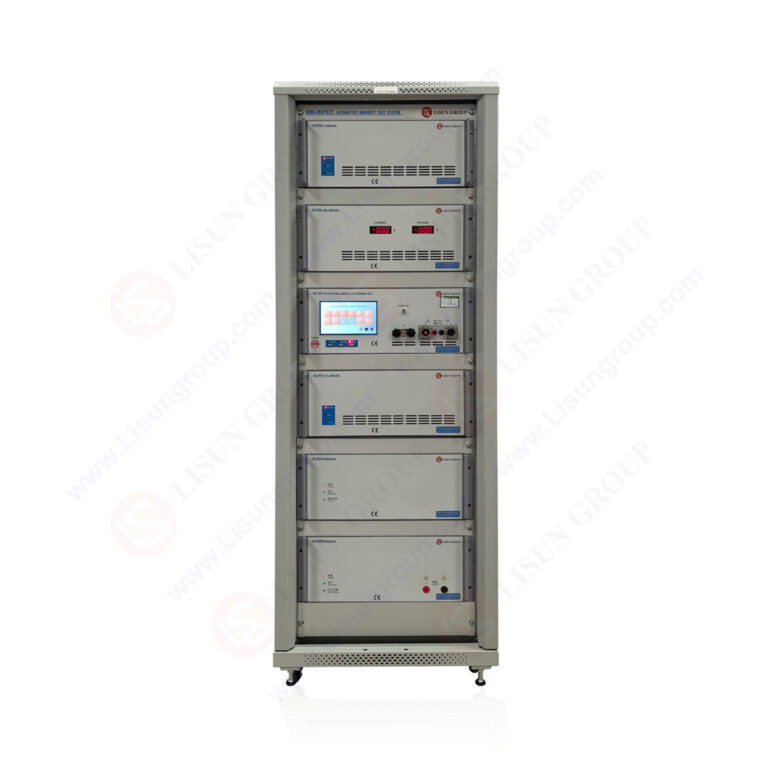
The LISUN solution is a modular, computer-controlled system built around a high-precision photometric sensor (aligned with CIE 084 and CIE 70 for luminance and CIE 127 for LED intensity measurement) and a spectroradiometer. Its core innovation is the dual-system architecture: the LEDLM-80PL for component-level LM-80/TM-21 compliance and the LEDLM-84PL for luminaire-level LM-84/TM-28 compliance. The system supports simultaneous testing of multiple samples by interfacing with up to three independent temperature/humidity chambers. Each sample is mounted on a thermally controlled base, ensuring the critical junction temperature (Tj) is maintained and monitored as specified by LM-80.
2.2 Key Technical Specifications and Data Acquisition
The instrument automates the entire test cycle. It periodically powers on the LED samples from their aged state, allows for thermal stabilization, and captures comprehensive data: luminous flux, chromaticity coordinates (CIE x, y), correlated color temperature (CCT), color rendering index (CRI), and forward voltage. Test durations are configurable to meet standard mandates, typically spanning 6000 hours or more. The system’s software logs all data with timestamps, creating a complete, auditable trail for each sample, which is fundamental for generating the reports required by ENERGY STAR, DLC, and other certification bodies.
3.1 Implementing the Arrhenius Acceleration Model
Long-term life testing at real-world operating temperatures is impractical. The LISUN system’s software integrates the Arrhenius Model, a cornerstone of reliability engineering that describes the temperature dependence of chemical degradation rates—including those in LED phosphors and encapsulants. By testing samples at multiple, elevated case temperatures (e.g., 55°C, 85°C, 105°C as per LM-80), the system collects depreciation data at an accelerated pace. The software then uses this multi-temperature data set to calculate the activation energy (Ea) of the degradation process, enabling a scientifically valid projection of lumen maintenance at lower, typical-use temperatures.
3.2 Normal vs. Accelerated Aging: A Comparative Workflow
The system offers two distinct operational modes to suit different R&D and compliance goals. Normal Mode runs tests at a single, constant temperature, ideal for quality assurance batch testing or direct compliance with a specific test condition. Accelerated Mode is the more powerful R&D tool, which automatically sequences samples through multiple temperature stress levels according to the Arrhenius protocol. This mode efficiently generates the multi-temperature data required for robust lifetime projection, compressing years of equivalent use into a manageable test campaign.
Table 1: Comparison of LISUN LED Aging Test System Operational Modes
| Feature | Normal (Single-Temperature) Mode | Accelerated (Multi-Temperature) Mode |
| :— | :— | :— |
| Primary Purpose | Compliance verification, batch QA testing | R&D, rapid lifetime projection, model fitting |
| Temperature Profile | One constant case temperature (Tc) | Multiple elevated Tc points (e.g., 55°C, 85°C, 105°C) |
| Standards Alignment | Direct data for LM-80/LM-84 at specified Tc | Data for Arrhenius analysis and enhanced TM-21/TM-28 projection |
| Test Duration Efficiency | Linear time to data point | Highly efficient; generates projection model from shorter combined test |
| Key Output | Lumen depreciation curve at one Tc | Activation Energy (Ea), projected Lp (L70, L50) at use temperature |
4.1 Automated Data Processing and Curve Fitting
The true value of the IES LM-84 LED Aging Test Instrument lies in its analytical software. Raw time-series data for luminous flux and chromaticity is automatically processed. For projection, the software performs a least-squares regression to fit the measured depreciation data to an exponential decay model (as defined in TM-21). It calculates the decay constant (α) and determines the point where the projection curve intersects the target maintenance level (e.g., L70). The software enforces the TM-21/TM-28 rule of limiting projection to no more than 6 times the total test duration, ensuring conservative and standard-compliant results.
4.2 Generating Comprehensive Compliance Reports
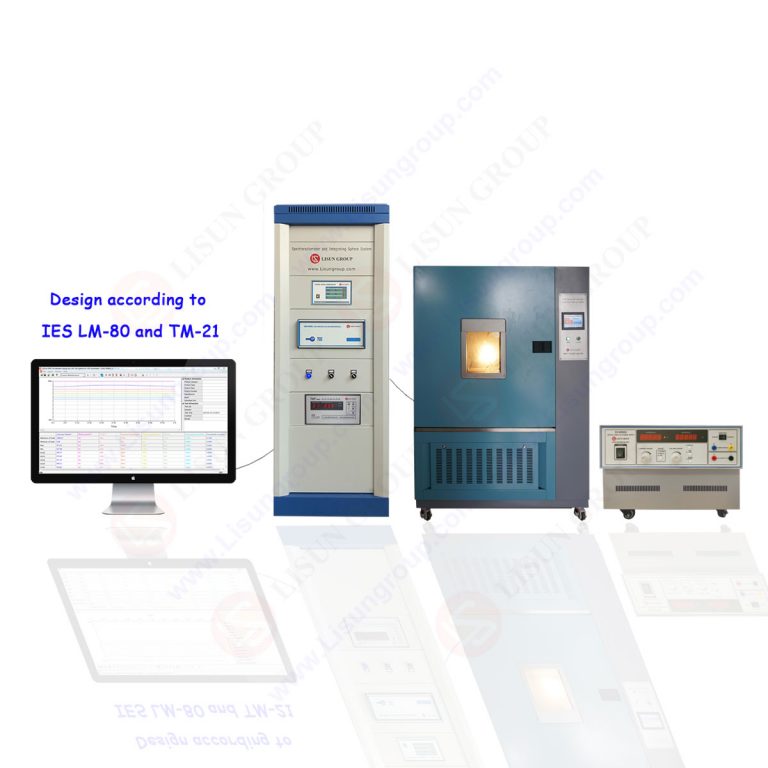
The system automates the generation of professional test reports that are ready for submission. These reports include all mandatory elements: initial photometric data (referencing IES LM-79-19), detailed tables of measurement data at each collection interval, graphical plots of lumen maintenance and chromaticity shift over time, and the final TM-21 or TM-28 projection table. This table clearly presents the projected Lp lifetime (in hours) at various confidence levels and specified operating temperatures, providing engineers and compliance officers with a definitive, standards-based lifetime claim.
5.1 Testing Complex LED Systems and Luminaires
While LM-80 focuses on components, the LEDLM-84PL system is configured for the complexities of full luminaires. This involves managing the electrical input to the entire driver-luminaire system, configuring appropriate photometric measurement distances and geometries, and accounting for the thermal interaction of all components. The system can handle the higher power loads and varied form factors of finished products, making it indispensable for luminaire manufacturers needing to provide LM-84 data for specification sheets and certifications.
5.2 Customizable Hardware for Specific Research Needs
Beyond standard compliance, the platform is designed for flexibility. Custom sample holders can be engineered for non-standard LED packages or specialized arrays. The system can integrate with environmental chambers that control not just temperature, but also humidity and other atmospheric conditions for more comprehensive reliability studies. This makes the instrument a versatile platform for advanced research into failure mechanisms, the impact of drive current modulation (dimming) on lifetime, and material science studies on next-generation LED technologies.
6.1 Streamlining the Quality Assurance Pipeline
In a manufacturing QA environment, consistency and throughput are key. The LISUN system’s automation eliminates manual measurement errors and operator variance. Batch testing in Normal Mode allows for ongoing monitoring of production consistency against a known baseline. The automatic alarm functions for parameter drift (e.g., flux drop below a threshold) enable immediate corrective action, minimizing scrap and ensuring every shipped batch meets its published lumen maintenance specifications.
6.2 Accelerating R&D Cycles for New Product Development
For R&D engineers, time-to-data is critical. The Accelerated Mode using the Arrhenius Model allows for rapid comparative testing of different LED chip suppliers, phosphor formulations, or thermal management designs. By obtaining projected L70/L50 metrics in weeks rather than years, engineers can make informed design trade-offs early in the development cycle, optimize products for longevity, and confidently set warranty periods backed by empirical, standards-based data.
7.1 Meeting ENERGY STAR, DLC, and International Requirements
Major energy efficiency programs like ENERGY STAR and the DesignLights Consortium (DLC) explicitly require LM-80 data for LED components and are increasingly referencing LM-84 for luminaires. The reports generated by the IES LM-84 LED Aging Test Instrument are formatted to provide the exact data these programs require for qualification. Furthermore, international markets and standards bodies recognize IES methods, making this testing a universal passport for global product acceptance.
7.2 Risk Mitigation and Warranty Validation
Accurate lifetime projection is fundamentally a financial risk management tool. Overestimating lifetime leads to costly warranty failures and reputational damage. Underestimating it leaves performance and value on the table. By providing a rigorous, standardized, and defensible method for determining Lp lifetimes, this instrumentation allows companies to set accurate warranties, manage liability, and build market trust with transparent, data-driven lifetime claims.
The journey from empirical LED aging data to a reliable, market-ready lifetime projection is a complex technical process governed by a strict standards ecosystem. Success hinges on precise instrumentation that integrates controlled environmental stress, automated photometric measurement, and sophisticated analytical software. The IES LM-84 LED Aging Test Instrument | LISUN Luminous Flux Maintenance system, particularly in its dual LEDLM-80PL and LEDLM-84PL configurations, provides a complete, compliant solution. By mastering the application of the Arrhenius Model in accelerated testing modes and automating the generation of TM-21/TM-28 reports, it delivers unparalleled efficiency and confidence for both quality assurance and advanced research and development. For engineers and lab managers tasked with validating product longevity and ensuring regulatory compliance, investing in such a comprehensive system is not merely an operational cost but a strategic imperative for product integrity and market competitiveness.
Q1: What is the fundamental difference between testing to IES LM-80 versus IES LM-84, and how does the LISUN instrument address both?
A: IES LM-80 applies to LED packages, arrays, and modules (components), while IES LM-84 applies to integrated luminaires. The key difference is the test article: LM-80 tests the LED source under controlled thermal conditions (Tc), whereas LM-84 tests the complete, commercially available luminaire operating under its own thermal management. The LISUN system addresses this with two dedicated variants. The LEDLM-80PL is configured for component-level thermal control and measurement. The LEDLM-84PL is designed to power and measure entire luminaires, accommodating their form factors and electrical inputs, thus enabling direct compliance with the appropriate standard for the device under test.
Q2: How does the Arrhenius Model-based software actually save time compared to just running a 6000-hour test at a single temperature?
A: Running a single 6000-hour test at a typical use temperature (e.g., 45°C) only provides data for that one condition. The Arrhenius method runs shorter, simultaneous tests at multiple higher temperatures (e.g., 85°C, 105°C). The degradation rate accelerates exponentially with temperature. The software analyzes the different decay rates from these shorter, hotter tests to calculate the activation energy of the failure mechanism. This model then accurately predicts the much slower decay rate—and thus the L70/L50 lifetime—at the lower use temperature. This provides a full lifetime projection in a fraction of the time it would take to measure it directly.
Q3: Can the system project chromaticity maintenance (color shift) in addition to luminous flux maintenance, and which standards govern this?
A: Yes, the system continuously measures and records chromaticity coordinates (CIE x,y) and correlated color temperature (CCT) throughout the aging test. While the primary focus of LM-80/LM-84 and TM-21/TM-28 is luminous flux maintenance, the collected color data is critical for assessing chromaticity shift. Projections for color shift often follow a similar exponential model. Although TM-21/TM-28 focus on flux, the ANSI/IESNA C78.377 specifications and product datasheets frequently include color maintenance claims. The system’s comprehensive data set allows engineers to analyze and report on both lumen and color depreciation from a single test campaign.
Q4: Why does the system support connection to multiple temperature chambers, and what are the practical benefits?
A: Supporting up to three independent chambers significantly increases testing throughput and flexibility. Practically, it allows: 1) Parallel Testing: Different products or batches can be tested simultaneously under different conditions. 2) Arrhenius Acceleration: Samples for the multi-temperature accelerated test can be distributed across chambers set to different stress temperatures (e.g., 55°C, 85°C, 105°C), running concurrently. 3) Efficiency: One central measurement instrument and software license can service multiple chambers, optimizing capital equipment usage and lab space. This modularity is essential for high-volume testing labs and R&D departments with diverse project needs.