


Complete Guide to IP6X Dust Ingress Testing: Principles, Procedures, and Equipment Implementation
Understanding the IP Code and the Significance of IP6X
The International Protection (IP) Marking system, defined by IEC 60529 and its regional equivalents (e.g., ISO 20653 for automotive), provides a standardized classification for the degree of protection an enclosure offers against the ingress of solid foreign objects and water. The first digit of this code, ranging from 0 to 6, specifies protection against solids. The highest rating for dust ingress, IP6X, denotes “Dust-tight” protection. Achieving this rating is not merely a matter of robust gasketing; it is a rigorous validation that an enclosure prevents any ingress of dust under defined test conditions, which could compromise internal functionality, safety, or reliability. For industries where equipment operates in arid, desert, or highly particulate-laden environments—such as automotive electronics on unpaved roads, industrial controls in milling facilities, or telecommunications gear in coastal areas—IP6X certification is often a non-negotiable requirement for product durability and user safety.
The Scientific and Engineering Principles of Dust Ingress Testing
IP6X testing simulates a severe, prolonged dust exposure. The core principle involves creating a controlled, highly concentrated atmosphere of fine talcum powder (typically with a particle size distribution specified by the standard, often with 95% of particles ≤ 75 µm) within a test chamber. The enclosure under test is subjected to a partial vacuum relative to the chamber’s interior, drawing the dust-laden air towards any potential leakage paths. This pressure differential, maintained for a sustained period (commonly 2 to 8 hours), rigorously challenges seals, joints, seams, and interfaces. The test evaluates two primary failure modes: the visible accumulation of dust inside the enclosure and, more critically, any degradation in the operational performance of the internal components. For electrical components like switches or sockets, dust ingress can lead to tracking, arcing, or contact failure. In medical devices or aerospace components, it can cause sensor malfunction or mechanical seizure.
Introducing the LISUN SC-015 Dust Sand Test Chamber: Core Architecture
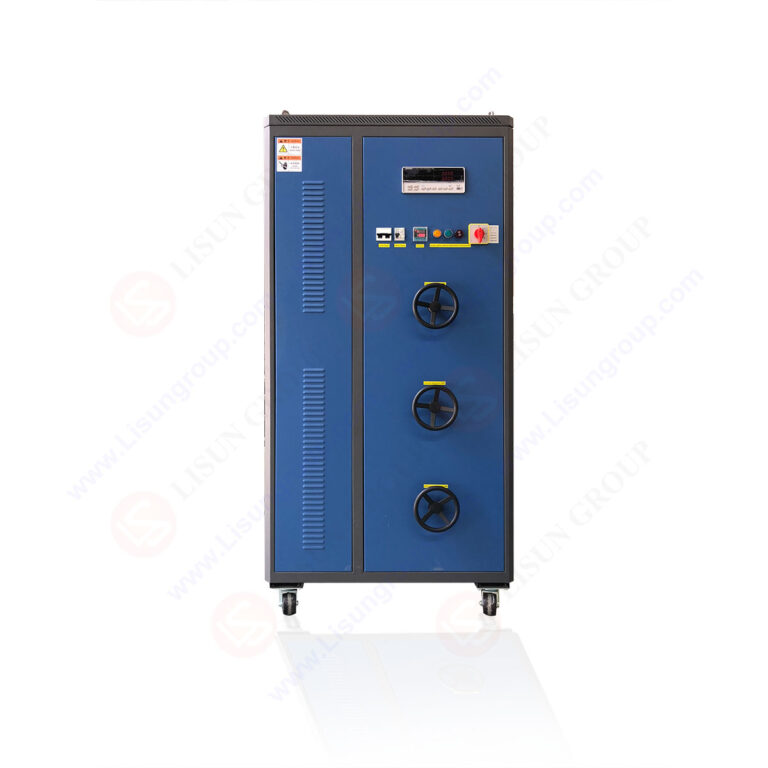
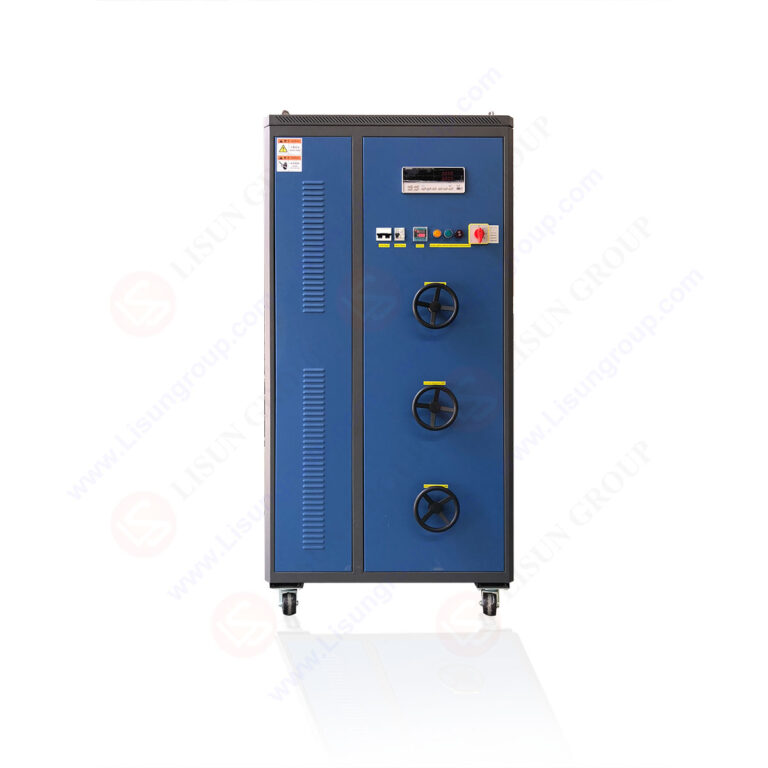
The LISUN SC-015 Dust Sand Test Chamber is engineered as a dedicated apparatus for performing IP5X (Dust Protected) and IP6X (Dust-tight) tests in accordance with IEC 60529, ISO 20653, and other derivative standards. Its design integrates the critical subsystems required for precise, repeatable testing. The chamber’s main enclosure is constructed from stainless steel, offering corrosion resistance and a smooth interior to facilitate cleaning. A closed-loop airflow system, driven by a centrifugal blower, continuously circulates the talcum powder within the testing workspace, ensuring a uniform and consistent dust concentration. A sample holder, often a motorized turntable, rotates the test specimen to expose all surfaces to the dust cloud. The most critical subsystem is the vacuum system, which includes a vacuum pump, pressure regulator, flow meter, and relief valve. This system is responsible for generating and maintaining the specified pressure differential (e.g., 2 kPa or 20 mbar below atmospheric pressure) inside the test specimen, as mandated by the standard for IP6X testing.
Operational Methodology and Test Execution with the SC-015
A standardized test procedure is paramount for reproducible results. Prior to testing, the specimen is prepared—cleaned, and if functional, placed in its operational state or a specified test mode. For lighting fixtures or household appliances, this may mean powering them on; for a sealed electrical connector, it may involve monitoring insulation resistance. The specimen is then mounted in the chamber, and its internal volume is connected to the external vacuum system via a sealed port. The chamber is loaded with a specified quantity of dry talcum powder (e.g., 2 kg per cubic meter of chamber volume). Upon initiation, the blower agitates the powder into a dense cloud while the turntable rotates the specimen. The vacuum system is then activated, drawing the dust-laden air through any potential ingress points on the specimen. Following the prescribed test duration, a post-test examination is conducted. This involves a visual inspection for dust accumulation and a functional check of the device. The acceptance criterion for IP6X is typically that no dust enters in quantities sufficient to interfere with satisfactory operation or impair safety.
Technical Specifications and Calibration Requirements of the SC-015
The efficacy of any test chamber hinges on its precise specifications and calibration. The LISUN SC-015 is characterized by parameters that directly influence test validity.
Table 1: Key Specifications of the LISUN SC-015 Dust Test Chamber
| Parameter | Specification | Relevance to Test Standard |
| :— | :— | :— |
| Internal Volume | Customizable, typically 0.5 – 1 m³ | Must be sufficient to contain specimen and ensure proper dust circulation. |
| Dust Concentration | Controllable via blower speed and baffles | Must maintain a dense, opaque cloud as per standard requirements. |
| Turntable Speed | Adjustable, e.g., 1-5 rpm | Ensures all specimen surfaces are evenly exposed. |
| Vacuum System Range | 0-5 kPa adjustable, with fine regulation | Critical for maintaining the exact 2 kPa under-pressure for IP6X. |
| Flow Meter Range | Sufficient to measure extracted volume (e.g., 0-5 L/min) | Used to calculate the specimen’s internal volume and verify system integrity. |
| Timer Range | 0-999 hours | Allows for extended test durations as required by some specifications. |
| Dust Type | Fine talcum powder (≤ 75 µm) | Conforms to the particle size distribution mandated by IEC 60529. |
Regular calibration of the vacuum pressure gauge and flow meter is essential for audit compliance. Furthermore, chamber validation—verifying dust cloud density and uniformity—should be performed periodically using reference methods.
Industry-Specific Applications and Use Case Scenarios
The demand for IP6X validation spans a vast array of sectors, each with unique operational environments and failure consequences.
- Automotive Electronics & Aerospace Components: Control units, sensors, and connectors mounted on vehicle underbodies or aircraft exteriors are exposed to road dust, sand, and runway debris. Ingress can lead to erratic signals in brake-by-wire systems or flight data sensors.
- Industrial Control Systems & Telecommunications Equipment: Panel-mounted PLCs, routers, and base station electronics in mining, cement, or agricultural settings require protection against conductive or abrasive dusts that can cause short circuits or mechanical wear.
- Lighting Fixtures & Electrical Components: Outdoor LED luminaires, industrial high-bay lights, and exterior-grade switches/sockets must prevent dust accumulation on optics and contacts to maintain light output and prevent overheating or ignition risk.
- Medical Devices & Household Appliances: Ventilators used in field hospitals or high-end food processors used in home kitchens benefit from dust-tight designs that prevent contamination of sterile airways or food compartments.
- Consumer Electronics & Office Equipment: Drones operating in sandy environments, professional-grade cameras, and printers in workshops rely on IP-rated enclosures to ensure longevity and reliable operation.
Comparative Advantages of the LISUN SC-015 in Laboratory Settings
When evaluated against generic or less integrated testing solutions, the SC-015 presents several distinct advantages that enhance laboratory efficiency and data integrity. Its integrated design eliminates the need for separate vacuum pumps and makeshift sealing arrangements, reducing setup time and potential for operator error. The precision-controlled vacuum regulation system offers superior stability compared to rudimentary needle valves, ensuring the strict 2 kPa differential is maintained consistently throughout the test duration—a critical factor for repeatability. The chamber’s construction with viewing windows and interior lighting allows for real-time observation of the dust cloud density and specimen condition without interrupting the test. Furthermore, its compliance with multiple international standards (IEC, ISO, GB) makes it a versatile asset for manufacturers serving global markets, enabling a single test protocol to satisfy diverse regional certification requirements from bodies like UL, TÜV, or the CSA.
Integration into a Comprehensive Quality Assurance Protocol
IP6X testing should not be an isolated event but a integrated component of a product’s broader environmental reliability strategy. It logically follows sealing design verification and often precedes or runs in parallel with vibration, thermal cycling, and IPX7/X8 water ingress tests. Data from dust ingress testing can inform design iterations—highlighting weaknesses in gasket geometry, fastener spacing, or cable gland selection. For high-reliability sectors like aerospace or medical devices, this testing forms part of the Design Verification Plan (DVP) and is documented extensively for regulatory submissions. The quantitative data from the SC-015, such as the precise vacuum level maintained and the flow rate, provides objective evidence for certification reports and technical construction files.
FAQ: Common Inquiries on IP6X Testing and the SC-015 Chamber
Q1: Can the SC-015 chamber test for both IP5X and IP6X ratings?
Yes, the chamber is designed for both classifications. The key difference lies in the test conditions. For IP5X, the test is conducted with the specimen’s internal pressure at atmospheric level (no vacuum applied), assessing protection against harmful dust deposits. For IP6X, the internal vacuum is applied to test for complete dust tightness. The SC-015’s configurable vacuum system supports both modes.
Q2: How is the required test duration determined for our specific product?
The primary duration is defined by the standard (IEC 60529 specifies a minimum of 2 hours for IP6X). However, many end-product standards or customer-specific technical specifications will extend this duration—commonly to 8 hours or longer—to simulate a more severe lifetime exposure. The SC-015’s programmable timer supports these extended tests.
Q3: What constitutes a “failure” in an IP6X test?
A failure is not solely defined by visible dust inside. The primary criterion is functional. If dust ingress interferes with the normal operation, safety, or performance of the device (e.g., increased resistance in a connector, altered sensor output, blocked moving part), the test is failed. A minor, non-interfering dust film may be acceptable per some interpretations, but the strictest compliance requires no ingress.
Q4: How do we prepare a device with vents or breathers for testing?
Devices designed to “breathe” to equalize pressure are not intended to be dust-tight. For an IP6X test, such openings must be sealed as they represent an intended leak path. The test evaluates the enclosure’s ability to seal, not the device’s operational design with its vents open. The test report should note any temporary seals applied.
Q5: What maintenance does the SC-015 chamber require?
Regular maintenance includes the complete removal and cleaning of residual talcum powder after each test to prevent cross-contamination and ensure accurate dust concentration. The vacuum pump oil should be checked and changed per the manufacturer’s schedule. Seals on the chamber door and sample port should be inspected for wear to maintain the integrity of the test environment.