


A Comprehensive Guide to Xenon Lamp Aging Test Chambers: Principles, Applications, and Integration with Complementary Environmental Stress Screening
Introduction to Accelerated Weathering and Photostability Testing
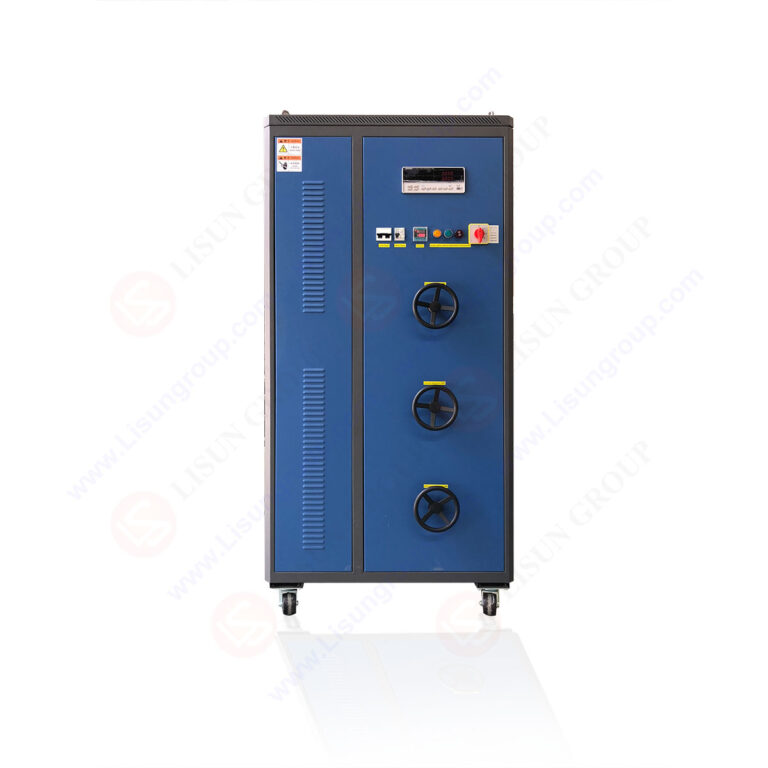
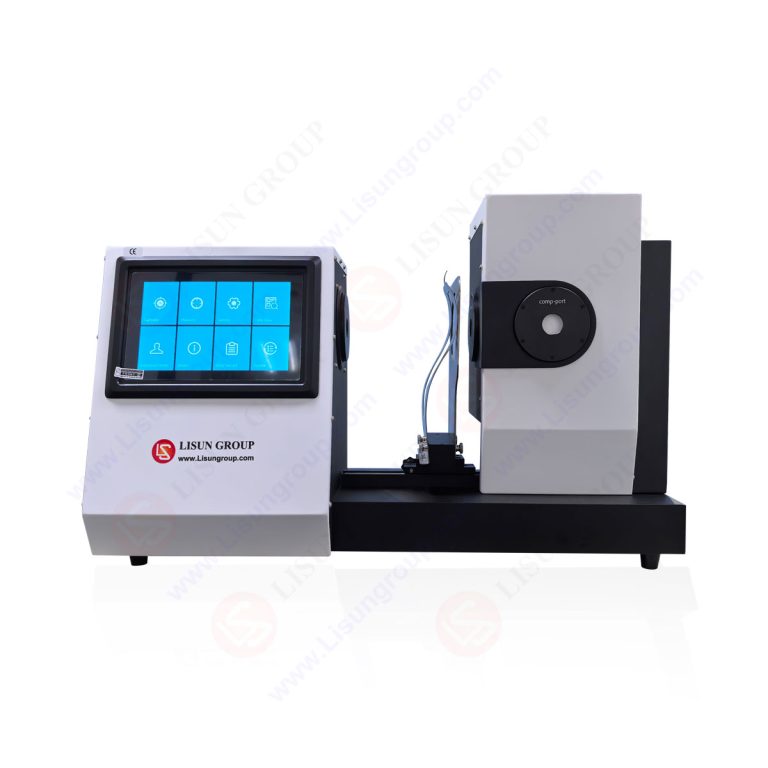
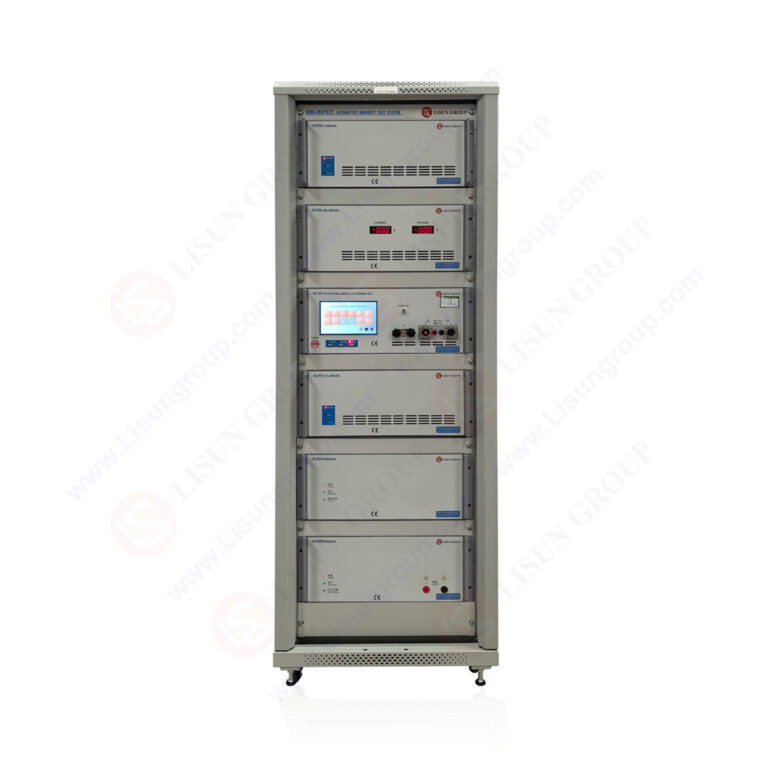
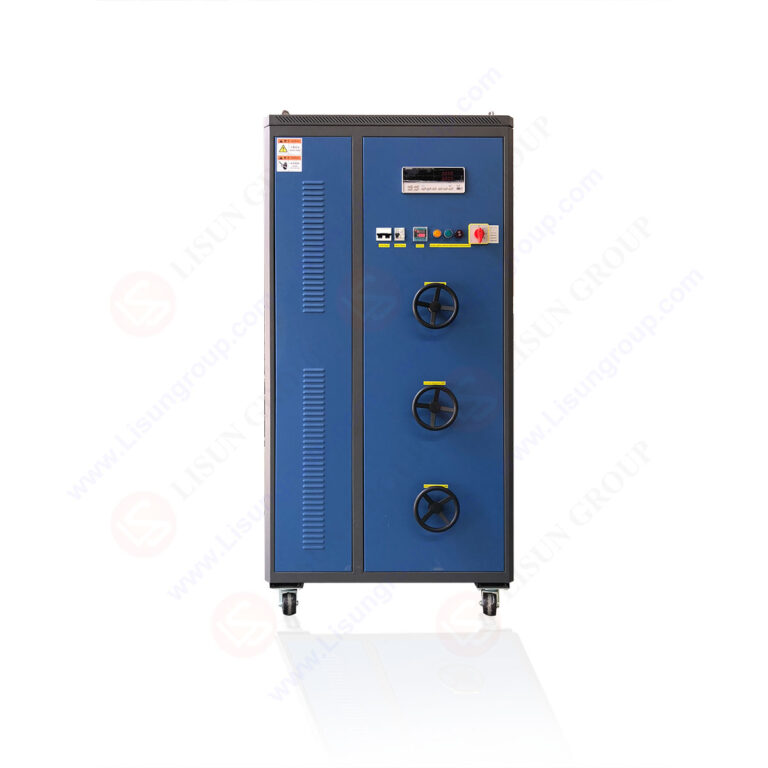
The long-term reliability and aesthetic durability of materials and components are critical determinants of product success across virtually all manufacturing sectors. Exposure to solar radiation, particularly the ultraviolet (UV) spectrum, combined with environmental factors like temperature and humidity, induces photodegradation. This process manifests as color fading, chalking, gloss loss, embrittlement, and functional degradation of electrical properties. Xenon lamp aging test chambers are engineered to simulate and accelerate these effects within a controlled laboratory environment. By reproducing the full spectrum of sunlight, including UV, visible, and infrared light, these chambers provide a scientifically validated method for predicting the service life and durability of products. This guide details the operational principles, standards compliance, and application-specific methodologies of xenon arc testing, with particular emphasis on its role within a holistic reliability testing regimen that includes precise temperature-humidity and thermal shock conditioning.
Fundamental Operating Principles of Xenon Arc Illumination Systems
At the core of a xenon lamp aging chamber is a high-intensity xenon arc lamp, whose spectral power distribution (SPD) can be modified using optical filters to match various sunlight conditions. The most common reference spectra include daylight behind window glass (e.g., ISO 11341, ASTM G155) and direct noon sunlight. The chamber’s efficacy hinges on its ability to maintain spectral fidelity while controlling three synergistic stress factors: irradiance, temperature, and humidity.
Irradiance, the radiant power received per unit area (typically measured in W/m² at a specific wavelength, e.g., 340 nm or 420 nm), is the primary driver of photochemical reactions. Modern chambers employ closed-loop irradiance control systems with calibrated sensors to maintain setpoints, compensating for lamp aging and ensuring test repeatability. Black Standard Temperature (BST) or Black Panel Temperature (BPT) is controlled to simulate the heat buildup a dark material would experience in sunlight. Chamber air temperature and relative humidity are independently controlled to replicate climatic conditions, from arid desert heat to tropical humidity. Specimen spray cycles are often incorporated to simulate rain or dew formation, introducing mechanical thermal shock and moisture ingress stress.
Standards Compliance and Testing Methodologies
Xenon lamp testing is governed by a robust framework of international standards, which dictate parameters for specific materials and end-use environments. Adherence to these protocols is non-negotiable for regulatory acceptance and competitive benchmarking. Key standards include:
- ISO 4892-2: Plastics — Methods of exposure to laboratory light sources — Part 2: Xenon-arc lamps.
- ASTM G155: Standard Practice for Operating Xenon Arc Light Apparatus for Exposure of Non-Metallic Materials.
- SAE J2527: Performance Based Standard for Accelerated Exposure of Automotive Exterior Materials using a Controlled Irradiance Xenon-Arc Apparatus.
- IEC 61215 (Photovoltaics): Includes xenon testing for solar panel durability.
- AATCC TM16 & ISO 105-B02: For textile colorfastness to light.
Test methodologies are defined by selecting a filter combination (e.g., Quartz/Borosilicate for indoor, CIRA/Soda Lime for outdoor), setting irradiance levels (e.g., 0.51 W/m² @ 340 nm), and programming cyclic conditions for light/dark periods, temperature, humidity, and spray. The duration is typically expressed in kilojoules (kJ) of radiant exposure, allowing for correlation to real-world exposure times.
Critical Integration with Temperature-Humidity and Thermal Shock Stress Testing
While xenon testing excels at evaluating photodegradation, real-world failure often results from the confluence of multiple environmental stresses. A product may perform adequately under steady-state light exposure but fail catastrophically when subjected to rapid temperature transitions or prolonged damp heat. Therefore, a comprehensive reliability assessment requires a sequential or parallel testing strategy incorporating specialized chambers.
For evaluating moisture resistance and steady-state thermal performance, a high-precision Temperature Humidity Test Chamber is indispensable. A model like the LISUN GDJS-015B provides the necessary stable environment for tests such as:
- Damp Heat Testing (IEC 60068-2-78): Critical for assessing insulation resistance and metal corrosion in electrical components (switches, sockets, PCBs).
- Temperature-Humidity Bias (THB) Testing: Accelerates electrochemical migration in automotive electronics and telecommunications equipment.
- Long-term Stability Testing: For medical device polymers and aerospace component sealants.
GDJS-015B Key Specifications:
- Temperature Range: -70°C to +150°C
- Humidity Range: 20% to 98% RH
- Control Stability: ±0.5°C, ±2.5% RH
- Applications: This chamber is utilized for preconditioning samples prior to xenon testing (to stabilize materials) or for post-xenon evaluation of electrical properties. For instance, a cable insulation sample weathered in a xenon chamber can be subsequently placed in the GDJS-015B to evaluate if the degraded polymer leads to reduced dielectric strength under 85°C/85% RH conditions.
To evaluate resilience against sudden environmental shifts—such as a device powering on in a cold car interior or an aerospace component experiencing rapid altitude changes—a Thermal Shock Test Chamber is required. The LISUN HLST-500D exemplifies this capability, utilizing a two- or three-zone basket transfer system to subject samples to extreme temperature transitions in seconds.
HLST-500D Key Specifications:
- Temperature Range: High Temp: +60°C to +200°C; Low Temp: -10°C to -80°C (or lower)
- Recovery Time: ≤5 minutes
- Transfer Time: <10 seconds (manual) or <15 seconds (automatic)
- Test Standards: IEC 60068-2-14 (Test N), MIL-STD-883, JESD22-A104.
- Applications: This chamber is vital for testing solder joint integrity, chip delamination, and microcrack propagation in components already subjected to UV embrittlement. A common sequential test involves xenon aging of an automotive control module’s exterior housing, followed by thermal shock cycling of the entire populated module in the HLST-500D to precipitate failures at weakened interfaces.
Industry-Specific Application Protocols and Use Cases
The application of xenon lamp testing, especially when integrated with other environmental stresses, varies significantly by sector.
Automotive Electronics & Exteriors: Xenon testing per SAE J2527 is mandatory for interior trim (dashboards, seat fabrics) and exterior plastics (bumpers, mirror housings). Combined testing involves xenon exposure for color and gloss retention, followed by GDJS-015B damp heat testing on embedded electronic control units (ECUs) to ensure the weathered enclosure still protects against humidity, and finally HLST-500D shock testing to validate connector integrity from -40°C to +125°C.
Electrical & Electronic Components (Switches, Sockets, Wiring): Polymeric materials used in these components must resist tracking and flammability. Xenon aging assesses the long-term stability of flame retardants and color-coding. Subsequent testing in a humidity chamber evaluates changes in contact resistance and insulation properties, while thermal shock tests the robustness of molded interfaces and terminals.
Lighting Fixtures & Consumer Electronics: For LED luminaires and consumer device housings, xenon testing evaluates yellowing of diffusers and fading of colored finishes. The GDJS-015B chamber can then be used to test the operational lifespan of the LED driver under elevated temperature and humidity, a critical factor often more limiting than the LED itself.
Aerospace & Aviation Components: Materials must withstand intense high-altitude UV and radical temperature swings. Xenon testing simulates solar radiation on cockpit displays and exterior antenna radomes. Sequential thermal shock testing in a chamber like the HLST-500D, with transitions from -65°C to +150°C, validates the material’s survival of rapid ascent/descent profiles.
Medical Devices & Telecommunications Equipment: Device housings and external connectors are tested for UV sterilization resistance and aesthetic durability. Post-xenon aging, functionality is verified under accelerated aging conditions (e.g., 40°C/93% RH per IEC 60601-1) in a temperature-humidity chamber, ensuring plasticizers do not leach and affect sensitive internal components.
Selection Criteria and Technical Considerations for Chamber Procurement
Selecting a xenon aging chamber requires a meticulous analysis of technical parameters aligned with intended use.
- Spectral Matching & Filter Systems: Ensure the chamber offers the filter types required by your target standards (e.g., Daylight-Q, Window Glass-Q).
- Irradiance Control & Uniformity: A spatially uniform irradiance field (±10% or better) and stable, calibrated irradiance control are essential for reproducible results.
- Specimen Capacity and Rotation: Carousel rotation ensures even exposure. Capacity should accommodate production batch sizes for statistically significant sampling.
- Control System Sophistication: The controller should allow complex, multi-stage programming of light, dark, spray, temperature, and humidity cycles with real-time data logging.
- Calibration and Maintenance: Consider the availability of NIST-traceable calibration services for radiometers and the ease of lamp replacement.
Integrating the chamber into a broader test lab requires planning for supporting equipment, such as the LISUN GDJS-015B for preconditioning and post-test electrical validation, and the HLST-500D for mechanical integrity testing after photodegradation. This integrated approach provides a far more complete reliability picture than any single test can offer.
Data Interpretation and Correlation to Real-World Performance
Correlating accelerated test hours to real-world years remains a complex, empirically driven task. A common approach uses the total radiant exposure (in kJ/m²) at a specific wavelength. For example, 250 kJ/m² at 340 nm is often roughly correlated to one year of mid-latitude outdoor exposure. However, correlation factors vary widely by material, geography, and microenvironment. The most reliable predictions are derived from establishing a baseline using real-world exposed samples and correlating their degradation to that of laboratory-tested counterparts. The integration of data from xenon, temperature-humidity, and thermal shock tests allows for the development of more sophisticated, multi-variable lifetime prediction models, significantly reducing the risk of field failures.
Frequently Asked Questions (FAQ)
Q1: Can a xenon lamp chamber fully replace outdoor weathering tests?
A1: While xenon testing is a highly accelerated and controlled method, it does not perfectly replicate all outdoor variables like pollution, biological growth, or seasonal spectral shifts. It is best used for rapid comparative screening, quality control, and formulation development. Critical product validations often conclude with a limited outdoor exposure test to confirm laboratory correlations.
Q2: Why is sequential testing with a thermal shock chamber like the HLST-500D recommended after xenon aging?
A2: Xenon radiation, particularly UV, can cause polymer chain scission and embrittlement. This degradation may not cause immediate failure but creates micro-cracks and weakened interfacial bonds. Subsequent thermal shock cycling applies mechanical stress due to differential thermal expansion, actively propagating these flaws to failure, thereby revealing latent weaknesses induced by UV exposure.
Q3: For a medical device enclosure, should I prioritize xenon testing or damp heat testing in a chamber like the GDJS-015B?
A3: Both are critical but answer different questions. Xenon testing prioritizes aesthetic stability and surface integrity under light exposure, which is important for labeling and user perception. Damp heat testing evaluates the fundamental barrier properties and internal functionality under high humidity, a key requirement for patient safety. A comprehensive protocol would include both, potentially sequentially if light exposure is expected to alter moisture permeability.
Q4: How often does a xenon lamp need replacement, and how does aging affect the test?
A4: Xenon lamps typically require replacement after 1,500 to 2,000 hours of operation. As the lamp ages, its spectral output can drift, particularly in the UV region. Modern chambers with irradiance feedback control compensate for this by increasing power to maintain the setpoint, but eventual lamp replacement is necessary to maintain spectral correctness and avoid excessively high operating currents.
Q5: What is the advantage of using a dedicated chamber like the GDJS-015B for humidity testing instead of the humidity function within the xenon chamber?
A5: The humidity system in a xenon chamber is designed for cyclic, atmospheric-level humidity control during light exposure. A dedicated temperature-humidity chamber offers superior precision, stability, and range (e.g., for conducting 85°C/85% RH or temperature-humidity-bias tests). It provides a more controlled, standalone environment for rigorous moisture-related reliability testing, free from the potential confounding variable of simultaneous high-intensity light exposure.