


Abstract
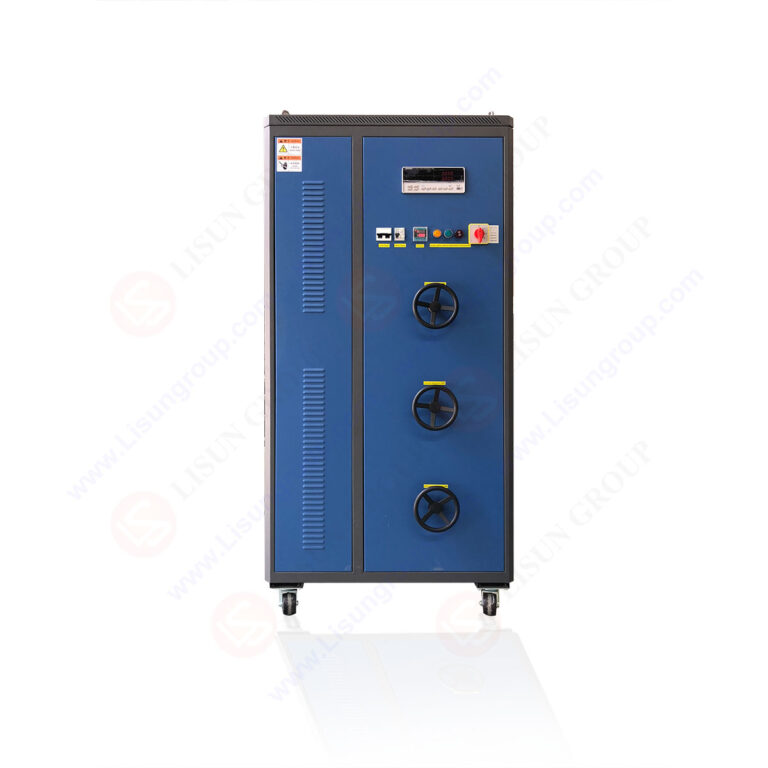
Accelerated aging and environmental stress testing are critical for validating the long-term reliability of LED-based products and electronic components. This technical article provides a comprehensive analysis of the LISUN Weathering Chamber for IEC 60068-2-5 & 2-6 Compliance, a sophisticated system designed for simulating solar radiation (IEC 60068-2-5) and combined sinusoidal vibration (IEC 60068-2-6). We will explore its integration with LISUN’s LED Optical Aging Test Instrument, which enables simultaneous lumen maintenance tracking per IES LM-80 and LM-84 standards. The core focus is on how this combined solution delivers precise, data-driven validation of product lifespan under controlled, accelerated environmental stress, offering invaluable insights for R&D engineers and compliance specialists in the LED, automotive, and electronics industries.
1.1 The Synergy of Weathering and Lumen Maintenance Analysis
Modern product validation, especially for LEDs and automotive electronics, requires a holistic approach that combines environmental durability with optical performance decay. The LISUN Weathering Chamber for IEC 60068-2-5 & 2-6 Compliance is engineered to create precisely controlled stress conditions, while its integrated optical measurement system quantifies the resultant performance degradation. This synergy allows engineers to move beyond simple pass/fail criteria, instead generating predictive lifespan data that correlates specific environmental stressors—like intense solar radiation and mechanical vibration—with quantifiable photometric failure modes such as lumen depreciation and chromaticity shift.
1.2 Core Standards: IEC 60068-2-5, IEC 60068-2-6, and IES LM Protocols
The system’s design is fundamentally anchored to key international standards. IEC 60068-2-5 (Sunshine Radiation Test) governs the simulation of solar radiation effects, critical for outdoor lighting and automotive components. IEC 60068-2-6 (Vibration Test) defines the parameters for sinusoidal vibration testing to assess mechanical robustness. Concurrently, the integrated optical aging system directly supports IES LM-80 (for LED packages/modules) and IES LM-84 (for LED luminaires and light sources), which are the industry benchmarks for measuring lumen maintenance. Compliance with these standards ensures test data is globally recognized and authoritative.
2.1 Chamber Design and Environmental Control Specifications
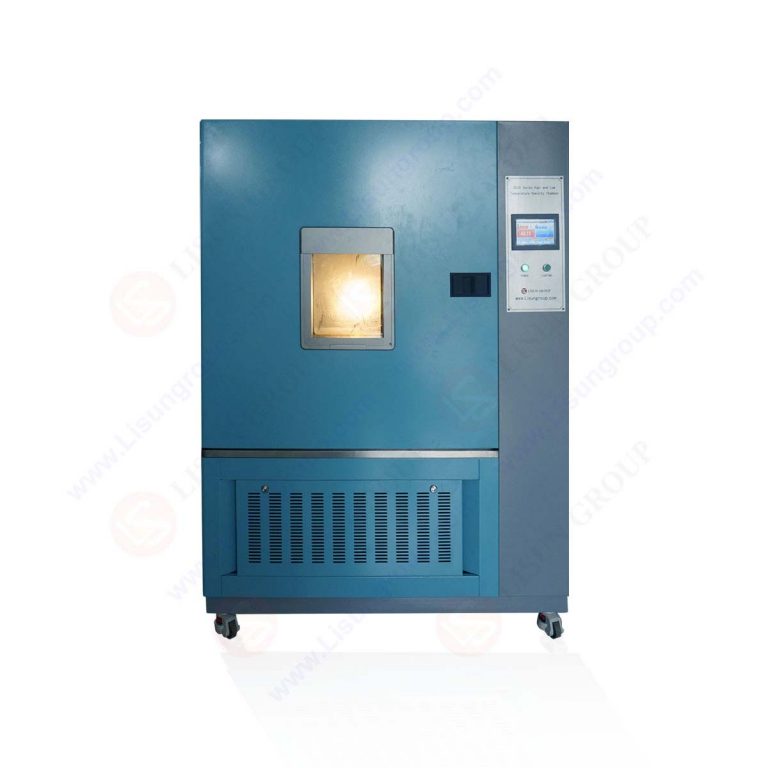
The LISUN Weathering Chamber features a robust construction with advanced control systems to meet the stringent requirements of IEC 60068-2-5. It utilizes a xenon arc lamp or other specified light sources to accurately simulate the full spectrum of sunlight, including UV, visible, and IR radiation. Temperature and humidity are precisely controlled within tight tolerances, enabling tests like damp heat, dry heat, and cold cycles. For IEC 60068-2-6 compliance, the system incorporates a high-performance vibration table capable of generating controlled sinusoidal vibrations across a defined frequency range and amplitude, which can be programmed to simulate real-world transportation and operational stresses.
2.2 Integration with LED Optical Aging Test Instrumentation
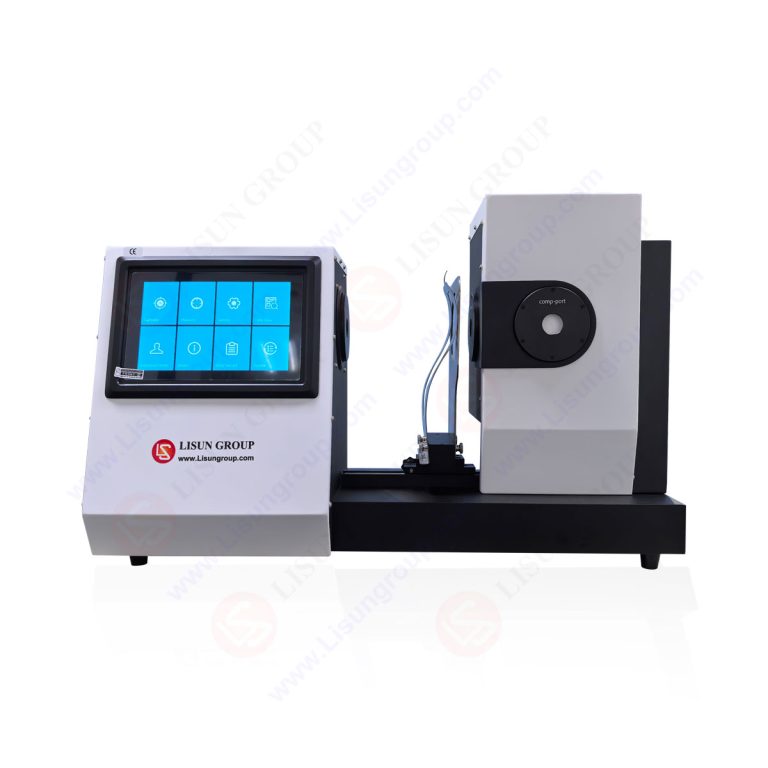
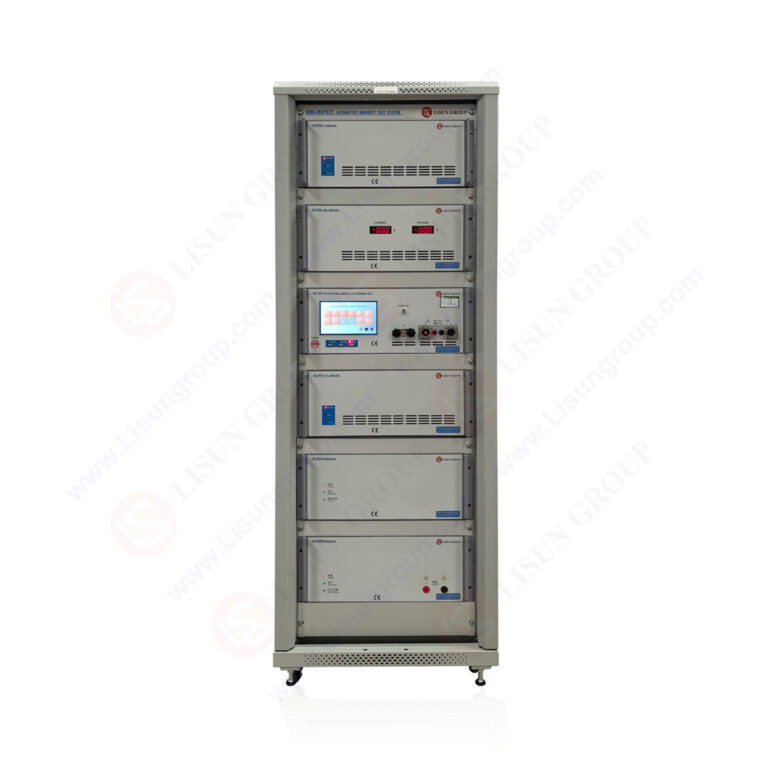
The true power of the system is realized through its seamless integration with LISUN’s LED Optical Aging Test Instruments, specifically the LEDLM-80PL and LEDLM-84PL models. These instruments are designed to be connected to the weathering chamber, allowing for continuous, in-situ optical measurements without removing samples. They employ precision integrating spheres and spectroradiometers, aligned with CIE 127:2007 and IES LM-79-19 for accurate total luminous flux and spectral data collection. This integrated setup enables the continuous monitoring of lumen output and chromaticity coordinates throughout the entire environmental stress test duration.
3.1 LEDLM-80PL for LM-80/TM-21 and LEDLM-84PL for LM-84/TM-28
LISUN offers two primary system variants tailored for different testing scopes. The LEDLM-80PL system is configured for testing LED packages, arrays, and modules in accordance with IES LM-80, facilitating the data collection required for TM-21 lumen maintenance projections. The LEDLM-84PL system is designed for complete luminaires and light engines as per IES LM-84, providing the necessary data for TM-28 lifetime predictions for LED lamps and luminaires. Both systems can be configured to support the LISUN Weathering Chamber, allowing for standard-compliant aging tests under active environmental stress.
3.2 Customizable Hardware and Scalable Testing Capacity
The system architecture is highly modular. A single control and measurement unit can support connections to up to three independent temperature or environmental chambers, significantly increasing laboratory throughput. Hardware configurations are customizable, including the number of optical measurement channels (supporting dozens of samples simultaneously), the type of spectroradiometer (referencing CIE S 014/E:2006 for colorimetry), and the specific sensor arrays. This scalability ensures the system can be tailored from R&D prototyping to high-volume production validation.
Table 1: LISUN Optical Aging System Configuration Comparison
| Feature | LEDLM-80PL (LM-80/TM-21 Focus) | LEDLM-84PL (LM-84/TM-28 Focus) | Integration with Weathering Chamber |
|---|---|---|---|
| Primary Standard | IES LM-80 | IES LM-84 | IEC 60068-2-5 & 2-6 |
| Test Sample Type | LED Packages, Modules, Arrays | LED Lamps, Luminaires | Electronic Components, Assemblies |
| Key Output Metric | Lumen Maintenance Data for TM-21 | Lumen & Chromaticity Data for TM-28 | Environmental Stress Pass/Fail & Degradation |
| Typical Test Duration | 6,000 to 10,000 hours | 6,000 to 10,000 hours | As per IEC standard (e.g., 168h cycles) |
| Data Utilization | Project L70/L50 at in-situ temps | Project L70/L50/Lx for complete product | Correlate stress with optical failure |
4.1 Arrhenius Model-Based Lifetime Extrapolation
The proprietary software suite is the intellectual core of the system. It employs the Arrhenius Model to analyze the temperature-dependent degradation rate of lumen output. By collecting real-time optical data at multiple controlled temperature points within the LISUN Weathering Chamber, the software calculates the activation energy of the LED system. This allows for the scientifically rigorous extrapolation of lumen maintenance data, such as projecting the time to L70 (70% of initial lumens) or L50, far beyond the practical 6,000-hour test duration, in full compliance with the TM-21 and TM-28 projection guidelines.
4.2 Real-Time Monitoring and Automated Reporting
The software provides a comprehensive dashboard for real-time monitoring of all test parameters: chamber temperature, humidity, radiation intensity, vibration profile, and each sample’s photometric data (flux, CCT, CRI). It automatically flags anomalies and generates standardized reports that compile environmental stress profiles alongside the corresponding lumen depreciation curves. This automation ensures data integrity, reduces human error, and streamlines the compliance documentation process for standards like IEC 60068-2-5 and LM-80.
5.1 LED Manufacturing and Automotive Lighting
For LED manufacturers, the system validates the robustness of LED packages under harsh conditions before they are integrated into final products. In the automotive sector, it is indispensable for testing headlamps, interior lighting, and electronic control units against solar loading (IEC 60068-2-5) and vibration from road profiles (IEC 60068-2-6), while simultaneously ensuring luminous output meets longevity warranties. The ability to test to L70/L50 metrics under these combined stresses is crucial for design validation and warranty substantiation.
5.2 Third-Party Testing Laboratories and Regulatory Compliance
Independent testing laboratories require equipment that delivers unambiguous, repeatable, and standards-compliant data. The integrated LISUN Weathering Chamber and Optical Aging System provides a turnkey solution for offering accredited test services for IEC, IES, and CIE 084:1989 (measurement of luminous flux) compliance. It allows labs to issue reports that cover both environmental reliability and photometric lifespan from a single, correlated test sequence, enhancing their service portfolio and technical authority.
6.1 Test Profile Development and Sample Preparation
Developing a valid test program begins with defining the stress profile. Engineers must specify the exact parameters for solar radiation intensity, chamber temperature cycling, humidity levels, and vibration frequency sweeps as required by the product’s application standards. Sample preparation involves mounting samples within the chamber and connecting them to the optical measurement system’s constant-current drivers and sensors, ensuring no light leakage and stable electrical connections throughout the potentially lengthy test duration.
6.2 Interpreting Correlated Degradation Data
The final analysis involves correlating the temporal environmental stress log with the photometric performance decay curves. For example, the data may reveal that specific vibration frequencies accelerate solder joint failure, leading to catastrophic lumen loss, or that UV radiation from the IEC 60068-2-5 test accelerates phosphor degradation, causing chromaticity shift and lumen depreciation. Interpreting these correlations allows for targeted design improvements, such as enhanced potting compounds, better thermal interfaces, or modified mechanical mounting.
7.1 Support for Extended Duration and Complex Profiles
The system is engineered for long-term reliability testing, readily supporting the recommended minimum 6,000-hour LM-80/LM-84 tests, and can run continuously for even longer durations. It can also execute complex, sequential, or combined environmental profiles—such as vibration during temperature transitions—to simulate more realistic and punishing use-case scenarios beyond the scope of basic standard tests.
7.2 Alignment with Evolving Standards and Methodologies
The modular design and software-upgradable platform ensure the system can adapt to evolving test methodologies. As standards like IES TM-21 and TM-28 are updated, or as new standards for combined environmental and photometric testing emerge, the system’s firmware and software can be updated. This future-proofing protects the investment of R&D and quality assurance departments.
The LISUN Weathering Chamber for IEC 60068-2-5 & 2-6 Compliance, when integrated with the LED Optical Aging Test Instrument, represents a paradigm shift in reliability validation. It moves beyond isolated testing to provide a holistic, data-rich view of how environmental stressors directly cause photometric performance decay. By seamlessly bridging the requirements of IEC environmental standards and IES photometric maintenance protocols, this solution empowers engineers to make confident predictions about product lifespan, substantiate warranty claims with empirical data, and drive meaningful design enhancements. For technical professionals in LED manufacturing, automotive engineering, and independent testing, mastering this correlated testing approach is no longer optional but essential for developing competitive, reliable, and compliant products in today’s demanding global market.
Q1: Can the system perform simultaneous solar radiation (IEC 60068-2-5) and vibration (IEC 60068-2-6) testing while measuring optical performance?
A: Yes, the integrated system is specifically designed for combined environmental stress testing. The LISUN Weathering Chamber can be programmed to execute solar radiation profiles per IEC 60068-2-5 concurrently with defined sinusoidal vibration profiles per IEC 60068-2-6. Throughout this combined stress test, the connected LEDLM-80PL or LEDLM-84PL optical instrument continuously monitors and records the luminous flux and chromaticity of each sample. This provides a unique dataset that directly correlates specific mechanical and radiative stresses with real-time lumen depreciation, offering insights unavailable from sequential or separate tests.
Q2: How does the system’s software handle the data from a 6,000-hour test to project L70 lifetime, and which standards govern this projection?
A: The software uses the Arrhenius Model to analyze lumen maintenance data collected at multiple, controlled temperature set points during the long-term test (e.g., 6,000 hours). It calculates the thermal activation energy of the LED system’s degradation process. Following the strict mathematical procedures outlined in IES TM-21 (for LM-80 data) or TM-28 (for LM-84 data), the software then extrapolates this data to project the time at which the lumen output will decay to a specified percentage, such as L70 or L50. This projection is based on the actual in-situ temperature data from the chamber, ensuring a scientifically valid lifetime estimate aligned with industry best practices.
Q3: What are the key considerations when configuring the optical measurement hardware for use inside the environmental chamber?
A: Configuration requires careful planning for reliability and accuracy. First, optical sensors and fiber cables must be rated for the chamber’s full temperature range (e.g., -40°C to +150°C). Second, sample mounting fixtures must secure both the LED product and the associated measurement sensor (e.g., an integrating sphere port or a cosine-corrected probe) without impeding chamber airflow or vibration profile. Third, all wiring for constant-current drive and signal readout must be fed through sealed chamber ports to maintain environmental integrity. The system is designed with these challenges in mind, offering hardened sensors and fixtures compatible with the harsh chamber environment while maintaining measurement traceability to IES LM-79-19 and CIE 127.