


Understanding Dust Ingress with Environmental Test Chambers: A Technical Analysis of Particulate Contamination and Protective Enclosure Verification
Introduction: The Operational Threat of Particulate Contamination
The operational reliability of electromechanical systems is fundamentally challenged by the ingress of particulate matter. Dust, sand, and other airborne debris, when introduced into enclosures, can act as an abrasive medium, a thermal insulator, a hygroscopic nucleus for moisture condensation, or a conductive bridge across electronic contacts. In sectors ranging from automotive electronics to medical devices, the failure mode associated with dust ingress is not merely cosmetic; it is a primary driver of intermittent faults, premature wear, and catastrophic short circuits. Quantifying a product’s resistance to such intrusion requires a standardized, reproducible, and accelerated test environment. This article examines the physics of dust ingress, the engineering of environmental test chambers designed to simulate these conditions, and the critical role of instruments like the LISUN SC-015 Dust Sand Test Chamber in validating enclosure integrity across a broad spectrum of industries.
The Physics of Particulate Deposition and Intrusion Mechanisms
Understanding ingress begins with the characterization of the particulate itself. Dust is not a homogeneous substance; its composition ranges from finely milled silica (silicon dioxide) to fibrous cellulose and corrosive metallic fines. The failure mechanisms are driven by three primary physical phenomena: gravitational settling, electrostatic attraction, and aerodynamic entrainment.
Gravitational settling governs the deposition of larger particles (typically >50 μm), which accumulate on horizontal surfaces within an enclosure. While these particles may not directly cause immediate failure, they can impede moving parts, such as cooling fans or relay armatures, over time. Electrostatic attraction is a critical factor for digital electronics. Many advanced enclosures incorporate polymer seals and composite casings, which can accumulate surface charges. Fine dust particles (<10 μm), often carrying an opposite charge, are drawn into narrow crevices and around gaskets, bypassing physical barriers.
Aerodynamic entrainment, however, is the most insidious mechanism. Variations in external barometric pressure (simulated during test cycles) cause a “breathing” effect in sealed enclosures. As the external temperature or pressure fluctuates, air is forced in and out of the enclosure through microscopic gaps. This convective flow carries suspended particles directly into the interior cavity. This process is exacerbated in products deployed in desert or arid climates where large temperature swings are common, such as in telecommunications equipment and aerospace components. The SC-015 chamber replicates this pressure differential to accelerate failure analysis.
Standards Governing Dust Ingress Testing: From IP5X to IP6K
The evaluation of dust ingress is codified by international standards, most notably the IEC/EN 60529 (Ingress Protection or IP rating) and ISO 20653 (for road vehicles). These standards define two primary classifications: dust-protected (IP5X) and dust-tight (IP6X/IP6K). However, the test parameters vary significantly.
A critical distinction exists between dispersal and suspension of dust. The IEC 60529 standard for IP5X and IP6X requires a talcum powder-based test dust circulated within a chamber using a blower fan. The challenge lies in maintaining a uniform concentration of approximately 2 kg of dust per cubic meter of chamber volume. The LISUN SC-015 is engineered to address this variability. It utilizes a forced-air circulation system with a calibrated vacuum regulator that creates a differential pressure of up to 2 kPa across the enclosure under test. This ensures that the test conditions are not merely passive (dust settling) but actively draw the particulate into potential leak paths.
For automotive applications, ISO 20653 introduces the “K” rating, which imposes a higher pressure differential and a more aggressive dust formulation (Arizona road dust) that includes silica fines of a specific granulometric distribution. The SC-015 chamber is configurable to support both IEC 60529 profiles and the harsher ISO 20653 requirements, making it suitable for testing electrical components, wiring systems, and lighting fixtures destined for off-road or heavy-truck applications.
Structural Design of the LISUN SC-015 Dust Sand Test Chamber
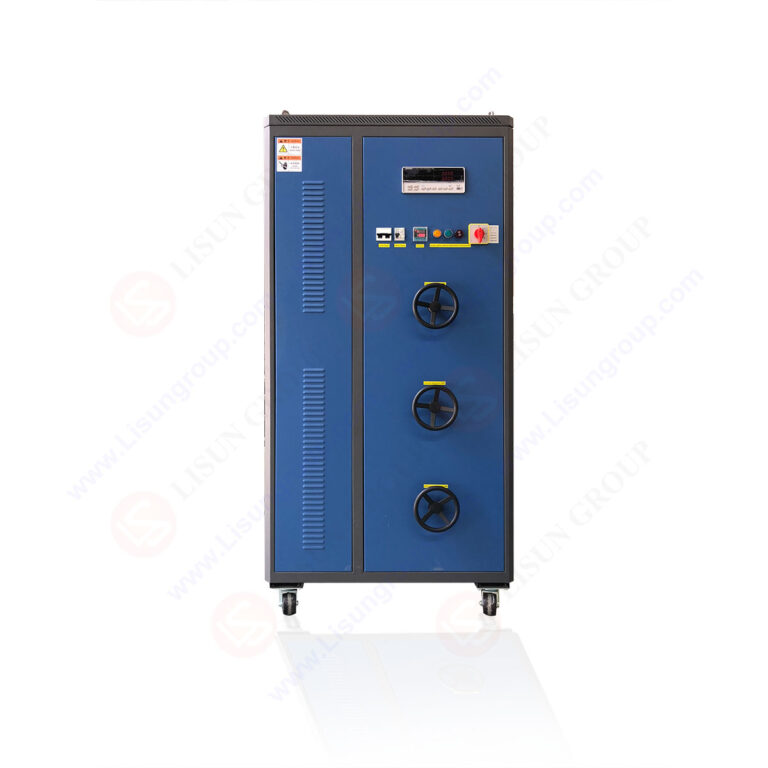
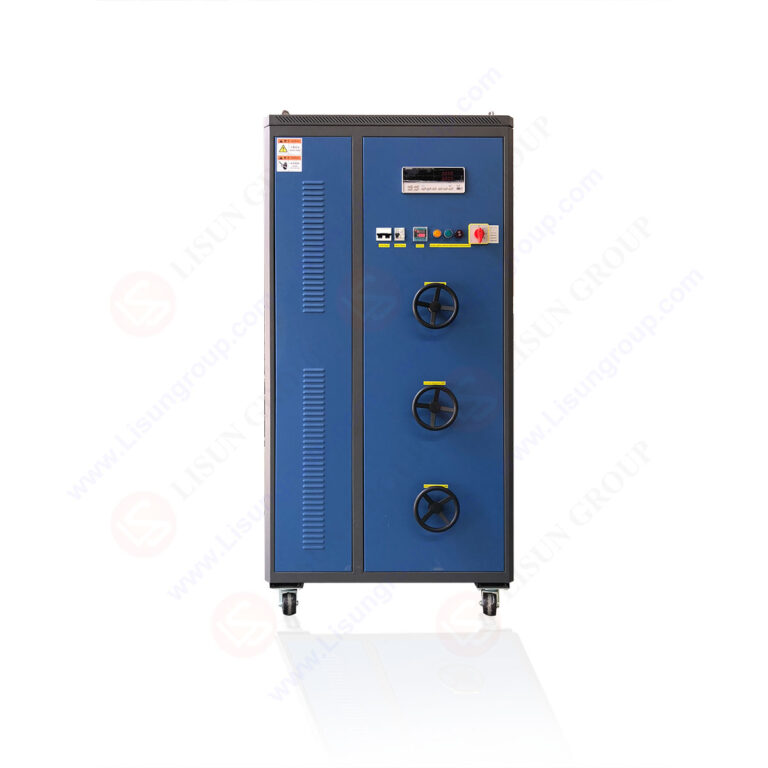
The efficacy of any dust ingress test is directly proportional to the control and repeatability of the environmental variables. The LISUN SC-015 is a self-contained unit that integrates a test volume (dimensions sufficient for enclosures up to 1000 liters, depending on the variant) with a dust storage hopper, an air-drying system, and a pressure control manifold.
The chamber’s construction features a brushed stainless steel interior (SUS304) to minimize static charge buildup and facilitate cleaning between tests, which is essential for preventing cross-contamination of different dust grades. A viewing window is provided for monitoring the test in progress without interrupting the cycle. The critical component is the differential pressure control system. For IP6X testing, the product sample is connected to the vacuum port. The chamber then extracts air until an internal vacuum of 80 kPa is achieved. The vacuum is maintained for 8 hours if the enclosure volume is less than 80 liters, or for 2 hours if larger. The flow rate is measured to ensure that it does not exceed 60 times the free volume of the enclosure per hour.
| Parameter | LISUN SC-015 Specification | Test Standard Compliance |
|---|---|---|
| Chamber Volume | 1000L (standard), 500L/800L variants available | Suitable for large enclosures |
| Test Dust Type | Talcum powder (IEC 60529), Arizona Road Dust (ISO 20653) | Configurable based on user requirement |
| Vacuum Range | 0 to -90 kPa | Meets IP5X, IP6X, and IP6K requirements |
| Air Circulation | Variable speed fan (0-10 m/s airflow) | Ensures homogeneous dust suspension |
| Control Interface | PLC + 7-inch Touch Screen HMI | Programmable test cycles with data logging |
Industry-Specific Applications and Failure Mode Analysis
The utility of the SC-015 extends across diverse industry verticals, each with unique failure thresholds.
-
Consumer Electronics and Office Equipment: For devices like smart speakers, printers, and cordless phones, dust ingress often manifests as tactile feedback degradation. Button membranes can become gritty, and capacitive touch interfaces may register false inputs due to dust accumulation on the sensor grid. Testing these devices under the SC-015’s vacuum cycle reveals not just seal integrity but also the propensity for dust to migrate into acoustic ports (microphone/speaker grilles), causing audio distortion.
-
Household Appliances and Industrial Control Systems: Large appliances (washing machines, HVAC units) and industrial PLC enclosures face prolonged exposure to lint, fiberglass, and cement dust. Here, the primary concern is thermal management. Dust acts as an insulator, raising operating temperatures of heatsinks and transformers. The SC-015 allows engineers to measure thermal rise under dust load, correlating ingress level with derating factors for the electrical equipment.
-
Automotive Electronics and Lighting Fixtures: Headlamps, taillights, and interior control modules in vehicles must withstand the “sandblasting” effect of road grit. The SC-015’s high-velocity circulation fan can simulate the turbulent airflow under a vehicle hood. Failures in this industry often involve “wicking” – where dust mixes with condensation to form a conductive sludge that bridges PCB traces. The chamber’s air-drying function is critical here, ensuring the test dust remains dry and free-flowing rather than agglomerating prematurely.
-
Medical Devices and Aerospace Components: For diagnostic equipment used in OR suites or avionics boxes on aircraft, the ingress of conductive metallic dust is a life-safety issue. The SC-015 can be loaded with specialized conductive dust formulations to test for short-circuit resistance. The vacuum seal test is particularly rigorous for aerospace, where pressure changes during flight cycles are extreme.
Comparative Analysis: SC-015 vs. Traditional Dust Chambers
Many older test chambers operate on a “gravity feed” principle, where dust is dumped onto a fan from above. This method produces highly non-uniform distributions, with large particles settling rapidly and fine particles never reaching the sample. The LISUN SC-015 employs a continuous dust feed system.
In the SC-015, dust is stored in a sealed hopper and injected into the airflow stream pneumatically. This creates a homogenous aerosol cloud that is recirculated through the chamber for the duration of the test. This distinction is vital for products with complex geometries, such as cable connectors, wiring harnesses, and switches. A gravity-fed chamber might test only the top face of a switch, missing a leak path on the rear cable gland. The SC-015’s turbulent flow ensures that all surfaces are equally exposed.
Furthermore, the SC-015 incorporates a pressure decay detection system. For many electrical components (e.g., sealed relays, hermetic connectors), the standard test does not require internal inspection if the vacuum hold is successful. The chamber can log the vacuum pressure over time, providing a digital record of leak rate. This is a significant advantage for quality assurance documentation in the telecommunications equipment and industrial control sectors, where conformity to safety standards is legally mandated.
Operational Protocol and Calibration for Repeatable Results
Achieving reliable data requires strict adherence to a protocol. The SC-015 simplifies this via a programmable logic controller (PLC). The operator loads the sample, seals the port, and selects the standard (e.g., IP6X). The chamber then automatically executes the following sequence:
- Pre-conditioning: The sample and chamber are stabilized to 25°C ± 5K. The air dryer reduces relative humidity to below 50% to prevent dust caking.
- Loading: The dust hopper releases 2 kg/m³ of dust into the main chamber. The circulation fan runs for 3-5 minutes to achieve uniform suspension.
- Evacuation Cycle: A vacuum pump is connected to the product’s interior via the provided port. The chamber maintains the required differential pressure.
- Hold Period: The pressure is held for the duration specified by the standard (8 hours typical for IP6X). The SC-015 automatically compensates for any minor leaks in the test setup.
- Verification: After the cycle, the sample is removed and inspected. The product must pass a visual inspection for dust ingress and a functional electrical safety test.
This automation reduces operator error, which is a leading cause of test variability.
Addressing Edge Cases: Static Electricity, Temperature, and Dust Composition
One of the most difficult variables to control in dust testing is static charge. As the SC-015 circulates dry air, triboelectric charging of the dust particles and the chamber walls can occur. This charges dust particles, causing them to adhere stubbornly to the test sample even if no physical gap exists. The SC-015 mitigates this through its grounded, metallic interior and an optional ionizing bar. This is particularly relevant for consumer electronics with plastic casings, which are prone to electrostatic dust attraction.
Temperature is another interacting factor. Standard dust tests are conducted at ambient temperature. However, products like lighting fixtures (LED drivers) generate internal heat. To address this edge case, some variants of the SC-015 allow for non-standard temperature control (e.g., heating the shell to 60°C while circulating 40°C dust). This simulates a “hot soak” cycle where the product cools down after operation, drawing in dusty air as the internal pressure drops. This scenario is a common cause of failure in outdoor industrial control systems deployed in dusty, hot environments.
Maintenance and Validation of the Chamber Itself
To ensure the integrity of the test results, the SC-015 requires periodic validation. The vacuum pump must be checked for oil contamination. The dust must be sieved to remove agglomerates before each test. The chamber’s airflow velocity must be verified using an anemometer. LISUN provides a calibration kit and protocol to certify the chamber according to ISO 17025 traceability. For companies in the medical device and aerospace sectors, this traceability is non-negotiable for regulatory compliance.
Conclusion: The Necessity of Rigorous Ingress Validation
Dust ingress is not a binary phenomenon. It is a gradual, multi-faceted degradation process that challenges the physical and electrical integrity of a product. The LISUN SC-015 Dust Sand Test Chamber provides a sophisticated platform for replicating these conditions, controlling confounding variables like humidity, static charge, and pressure differential that are often ignored in simpler test setups. For engineers in fields ranging from office equipment to aerospace, the SC-015 transforms the qualification test from a pass/fail compliance check into a diagnostic tool capable of revealing the specific design weaknesses—whether a seal compression issue, a porous casting, or a static charge drain path—that will determine the product’s lifespan in the field.
Frequently Asked Questions (FAQ)
Q1: Can the LISUN SC-015 test products that are too large to fit inside the chamber?
For products exceeding the internal dimensions of the SC-015, standard IP testing may be conducted in sections, or the test is considered representative of the sealing design. However, the chamber is designed to accommodate most enclosures up to 1000 liters. For exceptionally large industrial cabinets, on-site testing with a portable vacuum unit is recommended; the SC-015 is optimized for controlled laboratory conditions.
Q2: What is the difference between testing with talcum powder and Arizona road dust in the SC-015?
Talcum powder (IEC 60529) is a fine, lubricating dust used primarily for consumer electronic and general IP ratings. Arizona road dust (ISO 20653) contains larger, sharper silica particles that are abrasive and simulate real-world desert and road grit. The SC-015 can use either. The selection depends on the intended environment. Automotive components typically require the Arizona dust for its more aggressive abrasion properties.
Q3: How does the SC-015 prevent dust from settling and ensuring a uniform concentration?
The SC-015 uses a recirculating air system with a variable-speed fan. Unlike gravity-fed chambers, the dust is injected pneumatically into this airflow. The fan’s speed is calibrated to maintain the dust in a turbulent suspension. Prior to the test cycle, the chamber runs a pre-mixing phase to ensure the concentration is homogeneous throughout the test volume.
Q4: Is the vacuum generated by the SC-015 sufficient to test large cable gland assemblies for IP68?
Yes. The SC-015 generates a vacuum of up to -90 kPa. For IP6X tests, the required vacuum is typically only -80 kPa. The flow control valve allows the operator to regulate the exhaust rate precisely to match the standard’s requirements (e.g., 60 times the free volume per hour). This makes it highly effective for testing cable entries, wiring harnesses, and heavy-duty connectors.
Q5: Can the chamber log data for quality control documentation?
Absolutely. The LISUN SC-015 is equipped with a PLC and HMI interface that logs test parameters including vacuum pressure (time vs. pressure graph), test duration, and ambient temperature. This data can be exported via USB for inclusion in compliance reports, making it suitable for industries requiring rigorous documentation, such as medical devices and aerospace.