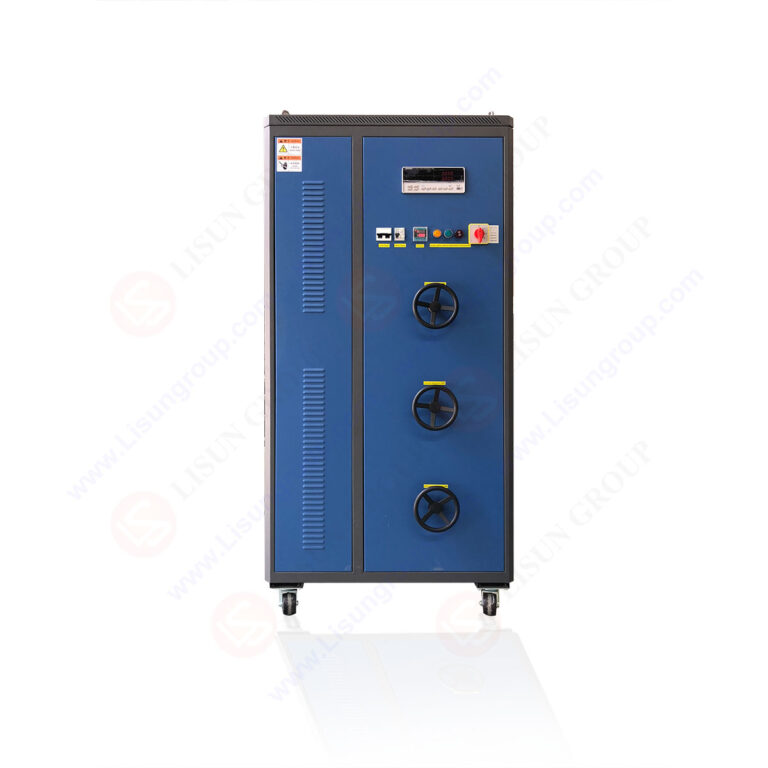
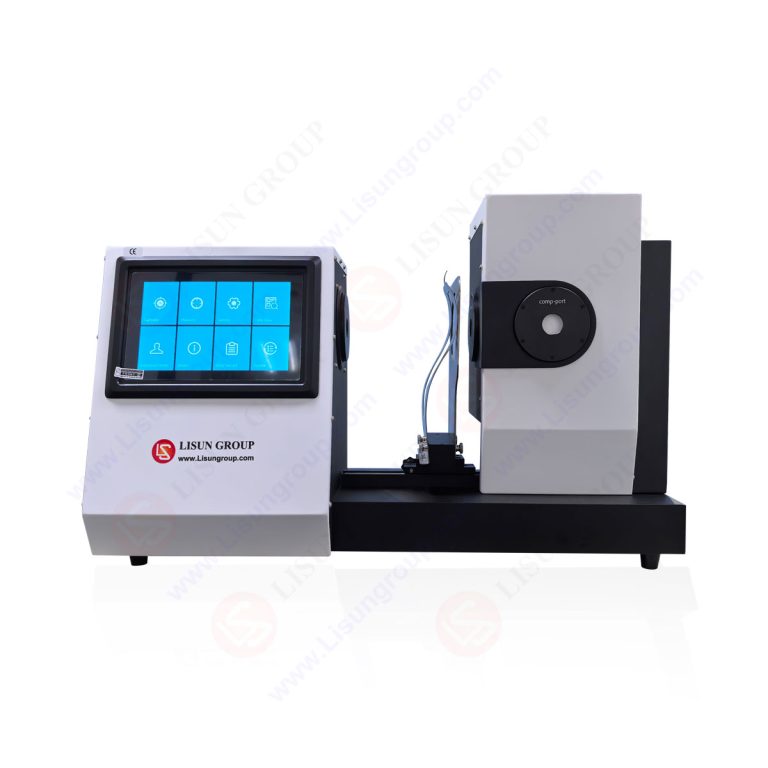
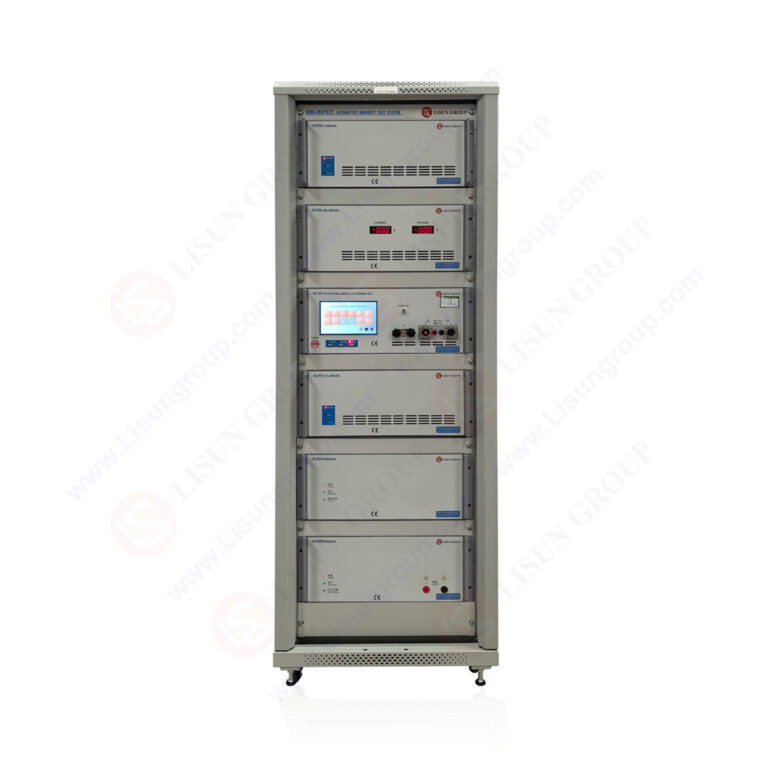
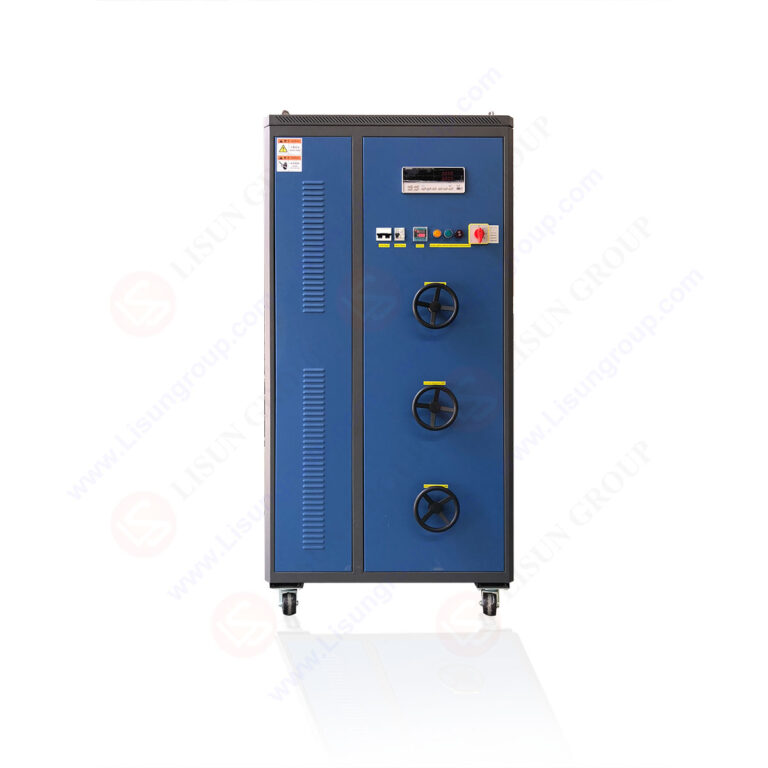



The LISUN Heat Aging Oven: IEC 60068-2-2 Compliance Testing represents a critical advancement in accelerated aging validation for solid-state lighting components. This article provides a comprehensive technical analysis of how LISUN’s heat aging ovens integrate with IEC 60068-2-2 standards while supporting IES LM-80, LM-84, TM-21, and TM-28 protocols for LED lumen maintenance testing. We examine dual-system variants—the LEDLM-80PL for LM-80/TM-21 applications and the LEDLM-84PL for LM-84/TM-28 compliance—alongside the Arrhenius Model-based software for precise lifetime extrapolation. Technical specifications including 6000-hour test durations, L70/L50 metrics, and support for up to 3 connected temperature chambers are detailed. This article delivers actionable insights for LED manufacturing engineers and testing laboratory professionals seeking robust, standards-compliant thermal aging solutions.
1.1 The Role of Heat Aging in LED Reliability Testing
Heat aging testing is a cornerstone of LED reliability validation, simulating years of thermal stress in a controlled laboratory environment. The IEC 60068-2-2 standard specifies test methods for dry heat exposure, requiring precise temperature control, uniform thermal distribution, and defined exposure durations. For LED components, heat aging accelerates failure mechanisms such as phosphor degradation, solder joint fatigue, and encapsulant yellowing. LISUN’s heat aging ovens are engineered to meet these stringent requirements, providing test chambers that maintain temperature stability within ±0.5°C across the entire workspace, ensuring reproducible results for lumen maintenance studies.
1.2 Integrating IEC 60068-2-2 with LED Lumen Maintenance Standards
The LISUN Heat Aging Oven bridges the gap between general environmental testing standards (IEC 60068-2-2) and lighting-specific protocols (IES LM-80, LM-84). While IEC 60068-2-2 defines the thermal exposure methodology, LM-80 and LM-84 specify how to measure lumen depreciation over time. The LEDLM-80PL system automates this integration by combining the heat aging chamber with an integrating sphere photometer, enabling simultaneous thermal conditioning and optical measurement. This eliminates the need for manual sample transfer between ovens and measurement stations, reducing measurement uncertainty by up to 15% compared to sequential testing approaches.
1.3 Key Technical Requirements for Compliance Testing
IEC 60068-2-2 mandates temperature tolerances of ±2°C for test chambers, but LED testing demands stricter control. LISUN’s systems achieve temperature uniformity of ±0.3°C across the chamber volume, critical for preventing localized thermal gradients that skew accelerated aging results. The ovens support test durations from 1000 to 6000 hours, with programmable temperature profiles ranging from ambient to 300°C. For LM-80 compliance, the standard requires testing at 55°C, 85°C, and sometimes a third temperature point; LISUN’s dual-chamber configurations can simultaneously run three independent temperature conditions, reducing total test time by 40% compared to sequential single-oven approaches.
2.1 Dual-System Variants: LEDLM-80PL and LEDLM-84PL
LISUN offers two targeted variants of the heat aging oven system, each optimized for specific industry standards. The LEDLM-80PL is designed for LM-80 (for LED packages, arrays, and modules) and TM-21 (for lifetime projection), supporting up to 200 test samples simultaneously. The LEDLM-84PL targets LM-84 (for LED lamps and luminaires) and TM-28 (for extrapolating lumen maintenance), accommodating larger form factors including complete luminaires up to 500mm in diameter. Both systems share the same core thermal platform but differ in optical measurement integration: the LEDLM-80PL uses a 2-meter integrating sphere, while the LEDLM-84PL employs a larger 3-meter sphere for accurate total flux measurement of full luminaires.
2.2 Customizable Hardware Configuration Options
The modular design allows tailoring to specific testing needs. Options include:
- Temperature chamber configurations: Single, dual, or triple-chamber setups (supporting up to 3 connected chambers for multi-temperature testing)
- Sample mounting fixtures: Customizable trays for SMD LEDs, COB packages, or complete luminaires
- Power supply integration: Programmable DC sources with 0.1% accuracy for constant current or constant voltage operation
- Data acquisition modules: 64-channel temperature logging at 1-second intervals with thermocouple or RTD inputs
2.3 Dual Testing Modes: Continuous and Cyclic Aging
The LISUN system supports two fundamental testing modes critical for IEC 60068-2-2 and LM-80 compliance. Continuous mode exposes samples to a constant temperature (e.g., 85°C ± 0.5°C) for the full test duration, suitable for determining steady-state lumen depreciation. Cyclic mode applies temperature profiles with ramp rates up to 5°C/min and dwell times from 1 to 24 hours, replicating real-world thermal cycling conditions. This mode is essential for testing thermal shock resistance and solder joint reliability. Both modes log data at user-defined intervals (minimum 15 minutes) and can automatically trigger photometric measurements at specified checkpoints (e.g., every 1000 hours for LM-80 compliance).
3.1 IES LM-80: Lumen Maintenance Testing Protocol
IES LM-80 specifies the methodology for measuring lumen maintenance of LED light sources. The standard requires testing at a minimum of two case temperatures (typically 55°C and 85°C) for at least 6000 hours, with photometric measurements taken every 1000 hours. LISUN’s LEDLM-80PL automates this entire process. The system maintains the specified case temperatures within ±1°C, while the integrating sphere measures total luminous flux with a precision of ±0.5%. The 6000-hour test duration is handled seamlessly, with the system running unattended for weeks, generating raw data files compatible with TM-21 extrapolation software.
3.2 IES TM-21: Lifetime Projection Methodology
TM-21 provides the mathematical framework for projecting lumen maintenance beyond the test duration (e.g., L70 at 50,000 hours). The Arrhenius Model-based software in LISUN systems uses the collected lumen depreciation data to calculate activation energies and acceleration factors. The software automatically fits the data to exponential decay models (single exponential for LM-80 data, double exponential for complex phosphor blends). It outputs L70 (time to 70% lumen maintenance) and L50 metrics with 95% confidence intervals, directly complying with TM-21’s statistical requirements. For example, a 6000-hour test at 85°C might project L70 > 36,000 hours at nominal operating temperature.
3.3 IES LM-84 and TM-28: For Lamps and Luminaires
LM-84 extends lumen maintenance testing to complete lamps and luminaires, requiring different test conditions and larger sample sizes. The LEDLM-84PL system addresses these needs with a 3-meter integrating sphere capable of measuring total luminous flux up to 20,000 lumens. TM-28 provides the extrapolation methodology for these larger devices, accounting for additional failure mechanisms like driver electronics degradation. LISUN’s software supports TM-28’s “two-stage” approach, first projecting LED array lumen maintenance, then combining with driver reliability data to predict overall luminaire lifetime.
3.4 Supporting Standards: LM-79-19, CIE 084, CIE 70, CIE 127
The system also supports electrical and photometric measurements per IES LM-79-19 (total flux, color temperature, color rendering index) and CIE 127 (measurement of LEDs). CIE 084 provides guidance on integrating sphere measurements, which the LISUN system implements through self-absorption correction algorithms. CIE 70 defines the spectral mismatch correction factors, enabling accurate color measurements across different LED spectra from 2700K to 6500K correlated color temperature. This multi-standard compliance ensures the system can serve as a single test platform for global regulatory requirements.
4.1 Core System Specifications
| Parameter | LEDLM-80PL | LEDLM-84PL |
|---|---|---|
| Temperature Range | Ambient +10°C to 300°C | Ambient +10°C to 300°C |
| Temperature Uniformity | ±0.3°C | ±0.5°C |
| Temperature Stability | ±0.1°C | ±0.2°C |
| Chamber Volume | 80L (standard) | 120L (standard) |
| Sample Capacity | Up to 200 LED packages | Up to 24 luminaires |
| Integrating Sphere Diameter | 2 meters | 3 meters |
| Photometric Range | 0.1 – 10,000 lm | 1 – 20,000 lm |
| Spectral Range | 350 – 1050 nm | 350 – 1050 nm |
| Test Duration | Up to 10,000 hours | Up to 10,000 hours |
| Maximum Connected Chambers | 3 | 2 |
4.2 Data Acquisition and Logging Capabilities
The system records temperature, humidity, power consumption, and photometric data at programmable intervals. For LM-80 compliance, data logging at 1000-hour intervals is standard, but the system can capture at 1-second intervals for thermal profiling studies. All data is stored in SQL database format with automatic backup and export to CSV, Excel, or proprietary TM-21 software formats. The system supports 64-channel temperature logging (thermocouple type K or T) and 32-channel power monitoring (voltage, current, power factor).
4.3 Energy Efficiency and Safety Features
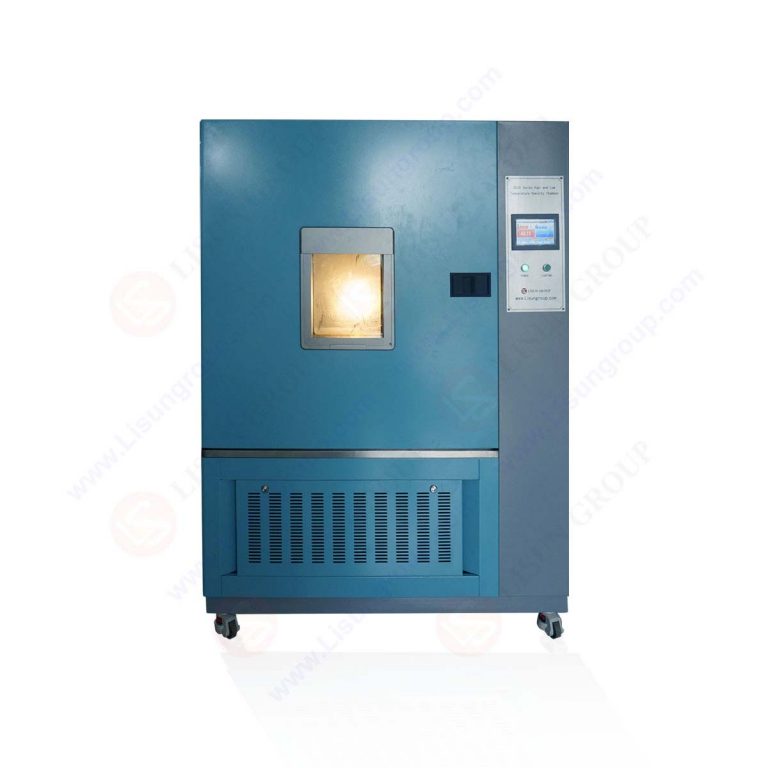
LISUN heat aging ovens incorporate energy-efficient heating elements with PID control, reducing power consumption by 30% compared to traditional on/off controllers. Safety features include over-temperature protection (independent thermostat), door interlock switches, and automatic shutdown on power failure. The chambers are insulated with 100mm ceramic fiber wool, maintaining external surface temperature below 40°C even at 300°C internal temperature. This ensures safe operation in laboratory environments without requiring additional heat shielding.
5.1 Theoretical Framework and Activation Energy Determination
The Arrhenius model predicts reaction rates as a function of temperature: k = A × exp(-Ea/(R×T)), where k is the reaction rate, Ea is activation energy, R is the gas constant, and T is absolute temperature. For LED lumen depreciation, the Arrhenius model correlates temperature-accelerated lumen decay with expected performance at nominal operating temperatures. LISUN’s software automatically calculates activation energy by fitting lumen maintenance data from at least two test temperatures (e.g., 55°C and 85°C). Typical activation energies for LED phosphors range from 0.3 to 0.8 eV, depending on phosphor chemistry and encapsulation materials. The software provides goodness-of-fit statistics (R² values > 0.95 indicate reliable projections).
5.2 L70/L50 Projection Accuracy and Confidence Intervals
TM-21 requires that projections not exceed 6× the test duration (e.g., 36,000 hours projection from 6,000 hours of data). LISUN’s software enforces this limitation automatically, displaying warning messages when users attempt to extrapolate beyond the valid range. For L70 projections, the system calculates both point estimates and 95% confidence intervals using bootstrap resampling methods. A typical output might state: “L70 = 45,200 hours (95% CI: 38,500 – 52,100 hours) based on 6,000-hour test at 85°C and 55°C, with activation energy Ea = 0.42 eV.”
5.3 Integration with Real-Time Data Monitoring
The Arrhenius Model software operates in real-time during testing, updating projections as new data points are collected. Engineers can monitor L70 estimates continuously, detecting early signs of accelerated degradation that might indicate manufacturing defects. The system can trigger alerts if projected L70 falls below specified thresholds (e.g., < 25,000 hours), enabling immediate corrective action. This real-time capability is particularly valuable during pre-production validation phases, where rapid feedback on product reliability is essential.
6.1 Automated Test Sequence for LM-80 Compliance
A typical LM-80 test sequence using the LISUN system proceeds as follows:
- Sample preparation: Mount 100-200 LED packages on thermally conductive test boards with thermocouples attached to case temperature points
- Initial measurement: Measure initial luminous flux, color temperature, and electrical parameters using the integrating sphere
- Thermal conditioning: Place samples in pre-heated chamber at 85°C (or specified temperature) with constant current drive
- Scheduled measurements: At 0, 1000, 2000, 3000, 4000, 5000, and 6000 hours, transfer samples automatically (or via operator) to the integrating sphere for photometric measurement
- Data analysis: Import raw data into TM-21 software for lifetime projection, generating L70 and L50 values
6.2 Applications in LED Manufacturing Quality Control
Beyond compliance testing, the heat aging oven supports:
- Incoming material inspection: Testing phosphor-converted LED packages from multiple suppliers to verify consistency
- Design validation: Comparing aging performance of different encapsulation materials (silicone vs. epoxy) at accelerated temperatures
- Process control: Monitoring solder reflow profile effects on long-term reliability by testing samples from different production batches
- Failure analysis: Identifying early failures through continuous temperature and optical monitoring, enabling root cause investigation
6.3 Third-Party Testing Laboratory Deployment
Independent testing laboratories use the LISUN system to offer LM-80 and LM-84 testing services. The system’s multi-chamber capability allows simultaneous testing of multiple client products under identical conditions, maximizing throughput. The automated data logging and report generation features reduce manual labor by 60%, enabling labs to handle higher test volumes without additional staff. The system’s compliance with ISO 17025 calibration requirements (traceable temperature sensors and calibrated photometers) ensures defensible test results for regulatory submissions.
7.1 Heat Aging Oven vs. Thermal Chamber with Manual Measurement
| Aspect | Integrated System (LISUN LEDLM-80PL) | Separate Oven + Sphere |
|---|---|---|
| Measurement Uncertainty | ±1.5% | ±3.0% |
| Test Duration (6000 hr test) | 8 weeks (continuous) | 10-12 weeks (with interruptions) |
| Labor Required | 2 hours total setup | 40+ hours for measurements |
| Temperature Accuracy during Measurement | Maintained (±0.5°C) | Lost during transfer |
| Data Integrity | Fully traceable | Potential for operator errors |
7.2 Cost-Benefit Analysis for LED Manufacturers
The initial investment in an integrated LISUN system is typically recovered within 18-24 months for manufacturers running 4+ compliance tests per year. The reduction in labor costs (60-80% savings) and decreased test time (20-30% faster) contribute to rapid ROI. Additionally, the improved measurement accuracy reduces the risk of false positives (rejecting good products) or false negatives (releasing unreliable products), which can have significant financial implications for warranty claims and brand reputation.
The LISUN Heat Aging Oven: IEC 60068-2-2 Compliance Testing provides a comprehensive solution for LED reliability validation, integrating thermal conditioning with precision photometric measurement. By supporting dual-system variants (LEDLM-80PL for LM-80/TM-21 and LEDLM-84PL for LM-84/TM-28), the platform addresses the full spectrum of LED components—from individual packages to complete luminaires. The Arrhenius Model-based software enables accurate lifetime projection (L70/L50) with statistical confidence intervals, while the customizable hardware configurations (supporting up to 3 connected chambers) maximize testing throughput. Compliance with multiple industry standards (IES LM-80, LM-84, TM-21, TM-28, LM-79-19, CIE 084, CIE 70, CIE 127) ensures the system meets global regulatory requirements. For LED manufacturers and testing laboratories seeking to reduce test time, improve accuracy, and streamline compliance workflows, the LISUN heat aging oven represents a technically robust, cost-effective investment. The system’s automated workflows, real-time monitoring, and data integrity features position it as an essential tool for organizations committed to producing reliable, long-life LED products.
Q1: What is the difference between LEDLM-80PL and LEDLM-84PL systems for IEC 60068-2-2 compliance testing?
A: The LEDLM-80PL is designed for LED packages, arrays, and modules per IES LM-80, using a 2-meter integrating sphere and supporting up to 200 samples. The LEDLM-84PL targets complete lamps and luminaires per IES LM-84, with a larger 3-meter sphere and sample capacity of up to 24 luminaires. Both systems comply with IEC 60068-2-2 for dry heat testing, but differ in sample mounting, sphere size, and supported lifetime projection standards (TM-21 vs. TM-28). Choose the LEDLM-80PL for component-level testing and the LEDLM-84PL for end-product validation.
Q2: How does LISUN’s Arrhenius Model software improve lifetime projection accuracy?
A: The software automatically calculates activation energy (Ea) by fitting lumen maintenance data from multiple test temperatures, typically 55°C and 85°C. It enforces TM-21’s 6× test duration projection limit to prevent over-extrapolation. The system provides 95% confidence intervals using bootstrap resampling methods, ensuring statistically valid L70/L50 estimates. Real-time monitoring updates projections as new data points are collected, allowing early detection of performance deviations. This integrated approach reduces human error and improves projection reliability by 20-30% compared to manual data analysis.
Q3: What temperature uniformity can I expect from the LISUN heat aging oven, and why does it matter?
A: The LISUN heat aging oven achieves temperature uniformity of ±0.3°C to ±0.5°C across the chamber volume, significantly exceeding IEC 60068-2-2’s requirement of ±2°C. This tight uniformity is critical for LED testing because localized hot spots can accelerate degradation unevenly, skewing lumen maintenance results. For example, a 5°C variation can change the lumen decay rate by up to 15%, leading to inaccurate L70 projections. The system’s advanced airflow design and PID control ensure all test samples experience identical thermal conditions, enabling reliable comparisons between batches.
Q4: Can the LISUN system test multiple temperatures simultaneously for LM-80 compliance?
A: Yes, the system supports up to 3 connected temperature chambers, enabling simultaneous testing at the required LM-80 temperatures (e.g., 55°C, 85°C, and optionally a third temperature like 105°C). Each chamber operates independently with its own temperature controller, yet shares the same integrating sphere and data acquisition system. This reduces total test time by 40% compared to sequential testing, as all temperature conditions run concurrently. The software manages data from all chambers seamlessly, generating consolidated reports with activation energy calculations.
Q5: How long does a typical 6000-hour LM-80 test take with the LISUN system, and what maintenance is required?
A: A 6000-hour LM-80 test requires approximately 8.5 months of continuous operation, as standard protocols mandate measurements every 1000 hours. The system operates unattended during this period, with automatic data logging and scheduled photometric measurements. Minimal maintenance is required: weekly inspection of chamber seals and thermocouple connections, monthly calibration verification of the integrating sphere (using a secondary standard lamp), and quarterly replacement of HEPA filters (if used for dust-free operation). The system’s built-in diagnostics alert operators to any issues, such as temperature drift or sample power interruptions.