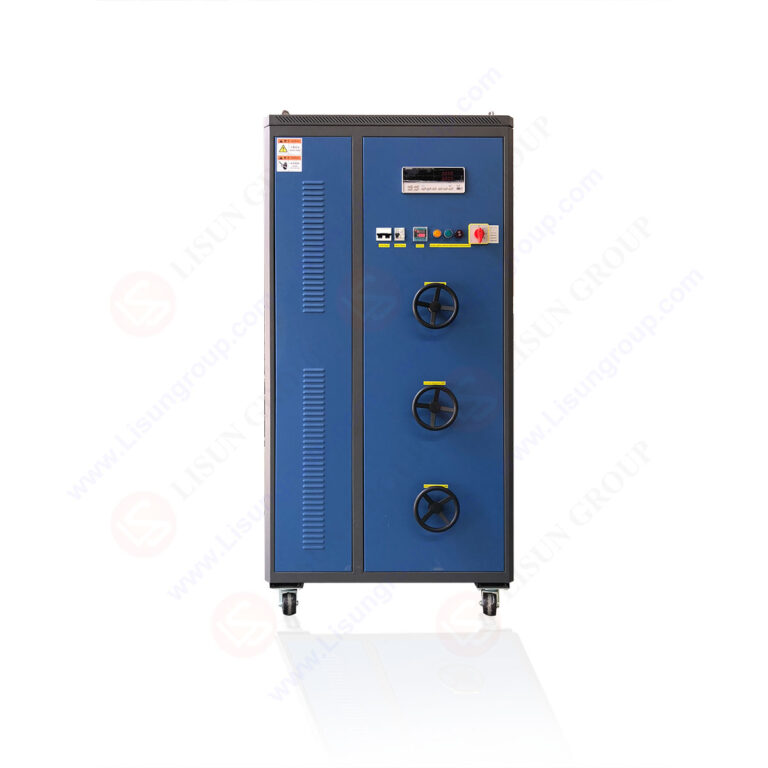



A Comprehensive Guide to Dustproof Test Equipment Standards
Introduction to Ingress Protection and Particulate Contamination
The operational longevity and functional reliability of modern equipment across a diverse range of industries are critically dependent on their ability to resist environmental contaminants. Among these, particulate matter—encompassing dust, sand, and other fine solids—poses a pervasive threat. Ingress Protection (IP) ratings, as codified by the International Electrotechnical Commission (IEC) standard 60529, provide a globally recognized framework for classifying the degree of protection offered by enclosures against solid foreign objects and liquids. This guide focuses specifically on the testing methodologies, equipment standards, and practical applications related to dustproof testing, a cornerstone of product validation for electrical, electronic, and mechanical assemblies. Compliance with these standards is not merely a regulatory hurdle but a fundamental engineering requirement to ensure safety, prevent premature failure, and maintain performance in hostile environments.
Deciphering IP Code Designations for Solid Particle Protection
The IP code is an alphanumeric designation where the first numeral specifically denotes protection against solid objects. Understanding this digit is paramount for specifying and testing dustproof capabilities.
- IP0X: No special protection.
- IP1X: Protection against solid objects greater than 50 mm in diameter (e.g., hand contact).
- IP2X: Protection against solid objects greater than 12.5 mm in diameter (e.g., finger contact).
- IP3X: Protection against solid objects greater than 2.5 mm in diameter (e.g., tools, thick wires).
- IP4X: Protection against solid objects greater than 1.0 mm in diameter (e.g., most wires, slender screws).
- IP5X: Dust Protected. Ingress of dust is not entirely prevented, but dust cannot enter in sufficient quantity to interfere with the satisfactory operation of the equipment or impair safety. A vacuum test is often applied.
- IP6X: Dust Tight. No ingress of dust under prescribed test conditions. This represents the highest level of particulate protection.
The distinction between IP5X and IP6X is significant, with the latter requiring a more rigorous and absolute test regime. This guide will primarily address the equipment and methodologies for validating IP5X and IP6X ratings.
Foundational Principles of Dust Chamber Testing
Dustproof testing, as per IEC 60529 and its derivative standards (e.g., ISO 20653 for road vehicles, MIL-STD-810 for military applications), simulates prolonged exposure to fine particulates within a controlled chamber. The core principle involves suspulating a specified type and concentration of test dust in a laminar or turbulent airflow around the test specimen. Key controlled parameters include:
- Test Dust: Typically, talcum powder or Arizona Test Dust (fine grain) is used. The particle size distribution is strictly defined. For IP5X/IP6X, 75% of particles by weight must be less than 75 microns, with 50% less than 50 microns.
- Dust Concentration: The chamber must maintain a uniform concentration, usually between 2 kg/m³ and 5 kg/m³, depending on the specific test standard being applied.
- Airflow and Circulation: A controlled airflow system ensures the dust is evenly distributed throughout the test volume. For IP6X testing, a negative pressure differential is often created inside the test item (via a vacuum pump) to simulate conditions that would force dust ingress.
- Test Duration: Standard tests typically run for 2, 4, or 8 hours, though specialized standards may mandate longer durations to simulate years of field exposure.
Critical Apparatus Specifications for Compliant Testing
To generate reproducible and standards-compliant results, test equipment must meet precise engineering specifications. A benchmark example of such apparatus is the LISUN SC-015 Dust Sand Test Chamber, designed explicitly for IP5X and IP6X validation.
LISUN SC-015 Dust Sand Test Chamber: Core Specifications and Operating Principles
The SC-015 embodies the technical requirements of IEC 60529, providing a fully integrated solution for dust ingress testing. Its design facilitates both “dust protected” and “dust tight” evaluations.
Primary Specifications:
- Chamber Volume: 0.75 cubic meters (750L), providing ample space for testing large components or multiple smaller items.
- Dust Material: Utilizes dry, sieved talcum powder (or equivalent Arizona Test Dust), with a particle size distribution compliant with IEC 60529.
- Dust Concentration: Adjustable and maintainable within the range of 2-5 kg/m³ via a precision-controlled circulation system.
- Airflow Velocity: ≤ 2 m/s, ensuring a turbulent yet controlled dust cloud that envelops the test specimen without causing abrasive damage from high-velocity impact.
- Vacuum System: Integral vacuum pump and flowmeter system for IP6X testing. The system can create and maintain the required pressure differential (typically a depression of 1.98 kPa or 2.0 kPa below atmospheric) inside the test item, drawing air (and any penetrating dust) through potential ingress paths.
- Control Interface: Programmable Logic Controller (PLC) with touch-screen HMI for setting and monitoring test parameters—duration, dust agitation cycles, vacuum level—and storing test programs.
- Construction: The chamber interior is typically constructed of SUS304 stainless steel for corrosion resistance and easy cleaning. A large viewing window with internal wipers allows for visual observation during testing.
Testing Principle: The specimen is placed inside the sealed chamber. The dust is agitated and circulated by a blower system, creating a homogeneous dust cloud. For IP5X tests, the specimen is exposed under normal pressure. For IP6X, the internal vacuum system is connected to the specimen’s sealed interior, creating a sustained negative pressure. After the prescribed duration, the specimen is inspected for dust ingress. For IP6X, the amount of dust entering the vacuum line may also be collected and measured.
Industry-Specific Applications and Validation Imperatives
Dustproof validation is a cross-industry imperative. The consequences of particulate ingress range from nuisance to catastrophic failure.
- Automotive Electronics: Engine control units (ECUs), sensors, lighting assemblies, and infotainment systems must withstand road dust and sand, per ISO 20653. IP6X is often required for under-hood and under-body components.
- Consumer Electronics & Household Appliances: Smartphones, outdoor speakers, robotic vacuum cleaners, and garden power tools (e.g., leaf blowers) require IP5X or IP6X ratings to ensure reliability despite exposure to household dust, pet dander, or outdoor debris.
- Industrial Control Systems & Electrical Components: Panel-mounted switches, PLCs, motor drives, and junction boxes in manufacturing or mining environments must be dust-tight to prevent short circuits, contact arcing, and mechanical binding.
- Lighting Fixtures: Outdoor, industrial, and marine lighting must prevent dust accumulation on reflectors and LEDs, which drastically reduces luminous efficacy and causes overheating.
- Telecommunications Equipment: 5G small cells, outdoor routers, and base station components require robust sealing against dust to maintain signal integrity and thermal management.
- Aerospace and Aviation: Avionics bay components and external sensors are tested to standards like RTCA DO-160, which includes dust and sand exposure to simulate runway and in-flight particulate conditions.
- Medical Devices: Portable diagnostic equipment and devices intended for use in field hospitals or ambulances must resist ingress to maintain sterility and functionality.
- Cable and Wiring Systems: Connectors and cable glands are tested to ensure their sealing mechanisms prevent dust from compromising electrical continuity or facilitating moisture wicking.
Comparative Analysis of Testing Methodologies
While the dust chamber test is the definitive method for IP rating certification, it is part of a broader ecosystem of environmental stress screening.
Table: Particulate Testing Methodologies
| Method | Standard Reference | Principle | Typical Application | Limitations |
| :— | :— | :— | :— | :— |
| Dust Chamber (IP5X/IP6X) | IEC 60529, ISO 20653 | Exposure to controlled dust cloud with/without vacuum. | Formal IP rating certification, design validation. | Does not simulate high-velocity abrasive sand blasting. |
| Sand & Dust (Blowing) | MIL-STD-810G, Method 510.5 | Directed flow of sand/dust at specified velocities and angles. | Military, off-road vehicle components. Assesses abrasive effects. | More severe than IP testing; not for general consumer product rating. |
| Dust Settling | Custom/Internal Standards | Passive exposure to settling dust over extended periods. | Evaluation of dust accumulation on heat sinks or optical surfaces. | Lacks the forced ingress simulation of IP tests. |
The LISUN SC-015 is positioned for the first category, providing the essential, repeatable conditions required for IP code certification to IEC 60529 across the industries listed.
Strategic Advantages of Integrated Test Solutions
Employing a dedicated, fully integrated dust test chamber like the SC-015 offers several critical advantages over improvised or multi-purpose setups:
- Standards Compliance Assurance: The equipment is designed from the ground up to meet the dimensional, concentration, and control requirements of the key standards, removing guesswork and reducing the risk of non-conformant results.
- Repeatability and Reproducibility: Precision controls for dust concentration, airflow, and vacuum pressure ensure that tests conducted today and six months from now on identical specimens yield directly comparable data, which is fundamental for quality control.
- Operational Efficiency: Integrated systems with automated test cycles reduce technician time, minimize human error in parameter setting, and streamline the testing workflow from setup to de-dusting.
- Enhanced Safety: Contained chambers prevent the escape of fine test dust into the laboratory environment, protecting personnel and sensitive equipment elsewhere in the facility.
- Comprehensive Data Logging: The ability to record and export test parameters (pressure, time, temperature) provides an auditable trail for certification bodies and internal quality audits.
Interpreting Test Results and Failure Analysis
A post-test examination is as critical as the test itself. For an IP5X rating, the specimen is examined for dust deposits on internal surfaces. The allowable amount is defined as not sufficient to interfere with operation or safety. For IP6X, visual inspection must reveal no dust whatsoever inside the enclosure. Any ingress constitutes a failure.
Failure analysis typically involves tracing the ingress path. Common failure points include:
- Gasket and seal interfaces (doors, connectors, buttons).
- Membrane penetrations (for speakers, microphones).
- Welds or seams in enclosures.
- Ventilation filters with insufficient particulate rating.
- Threaded joints and cable glands.
The vacuum applied during IP6X testing is particularly effective at identifying marginal seals that might pass a static (IP5X) test but fail under a slight pressure differential, a common scenario in real-world applications due to thermal cycling or altitude changes.
Frequently Asked Questions (FAQ)
Q1: What is the difference between using talcum powder and Arizona Test Dust in the SC-015 chamber?
Both are permissible under IEC 60529, provided the particle size distribution meets the standard. Talcum powder is a common, cost-effective choice for general compliance testing. Arizona Test Dust, a standardized mixture of silica and other minerals, may be specified by certain automotive or military standards (like MIL-STD-810) to better simulate specific natural desert environments. The SC-015 is compatible with both.
Q2: How do we test a device with an internal fan that draws in air for cooling?
This is a complex scenario. For an IP5X test, the fan would typically be allowed to operate normally, as the test assesses protection against “harmful” dust ingress. For IP6X (“dust tight”), the standard requires testing with the device in its normal operating state. However, creating the required internal vacuum depression for the test often conflicts with a fan’s operation. A common approach is to conduct the test with the fan disabled, but this must be documented and agreed upon with the certifying body, as it may not represent the worst-case field condition.
Q3: Can the SC-015 chamber be used for combined environmental testing, such as dust with temperature or humidity?
The standard SC-015 is designed for dry dust testing at ambient laboratory conditions. Combined testing (e.g., dust with high temperature or humidity) is covered by other, more specialized standards and requires a chamber with integrated environmental conditioning capabilities. Such tests are more representative of real-world stresses but are distinct from the baseline IP rating tests defined in IEC 60529.
Q4: How is the dust concentration inside the chamber calibrated and verified?
Calibration is a critical maintenance activity. It typically involves placing pre-weighed collection filters at specific points within the empty test chamber, running the dust circulation system for a set time, and then weighing the filters to calculate the mass of dust per unit volume of air. This verifies that the chamber’s agitation system maintains the uniform concentration specified in the standard. Procedures for this are outlined in the equipment manual and relevant test standards.