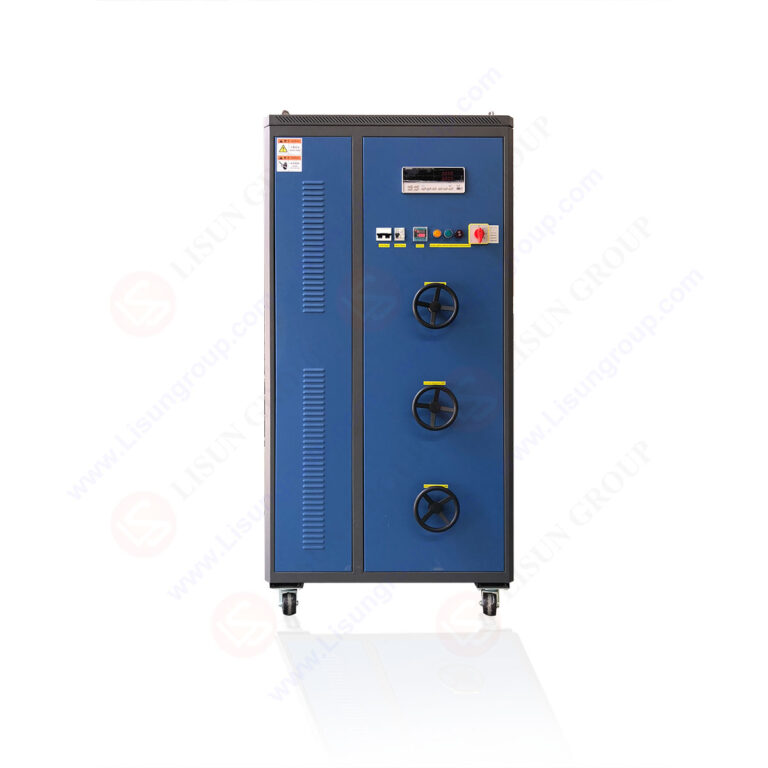



Advanced Dust Sand Test Chambers: Engineering Reliability in Hostile Particulate Environments
Introduction to Particulate Ingress Testing
The operational integrity of electromechanical systems across diverse industries is perpetually challenged by environmental contaminants, with particulate matter such as dust and sand representing a pervasive threat. Ingress of these particulates can precipitate catastrophic failures, including electrical short circuits, mechanical seizure, optical obscuration, and accelerated wear of moving components. Consequently, the simulation and assessment of a product’s resilience to such conditions constitute a critical phase in the design validation and reliability qualification process. Advanced Dust Sand Test Chambers are specialized environmental testing instruments engineered to replicate the effects of blowing dust and sand with a high degree of precision, repeatability, and control, thereby providing quantifiable data on a product’s sealing effectiveness and operational durability.
This technical discourse examines the core principles, sophisticated features, and stringent applications of modern dust sand test equipment, with a particular focus on the implementation and capabilities of the LISUN SC-015 Dust Sand Test Chamber. The analysis is situated within the framework of international standards, including IEC 60529 (IP Code), IEC 60068-2-68, ISO 20653, and MIL-STD-810G, which define the test methodologies for verifying degrees of protection provided by enclosures (IP5X and IP6X) and resistance to blown dust and sand.
Fundamental Operational Principles and Aerodynamic Design
The efficacy of a dust sand test chamber is predicated on its ability to generate, suspend, and direct a calibrated concentration of particulate matter within a controlled airflow. The foundational principle involves a closed-loop wind tunnel design, wherein a high-velocity airstream is circulated through a test chamber containing the specimen. Particulate is introduced into this airstream via a precisely controlled feeder mechanism, creating a homogeneous mixture that bombards the test item from specified directions.
Key to this process is the maintenance of laminar or controlled turbulent flow to ensure uniform particulate distribution and consistent impact velocity. Advanced systems incorporate variable-speed centrifugal blowers or axial fans coupled with flow-straightening honeycomb filters and diffusion screens to eliminate vortices and dead zones within the test volume. The aerodynamic profile is meticulously engineered to satisfy the velocity requirements stipulated in relevant standards—typically 2 to 20 m/s for sand and 1.5 to 10 m/s for dust, depending on the test severity. The chamber’s internal geometry, including corner radii and baffle placement, is optimized to prevent particulate sedimentation and ensure recirculation fidelity, guaranteeing that the specified concentration (e.g., 2 kg/m³ for sand per IEC 60068-2-68) is maintained throughout the test duration.
Deconstructing the LISUN SC-015 Dust Sand Test Chamber System Architecture
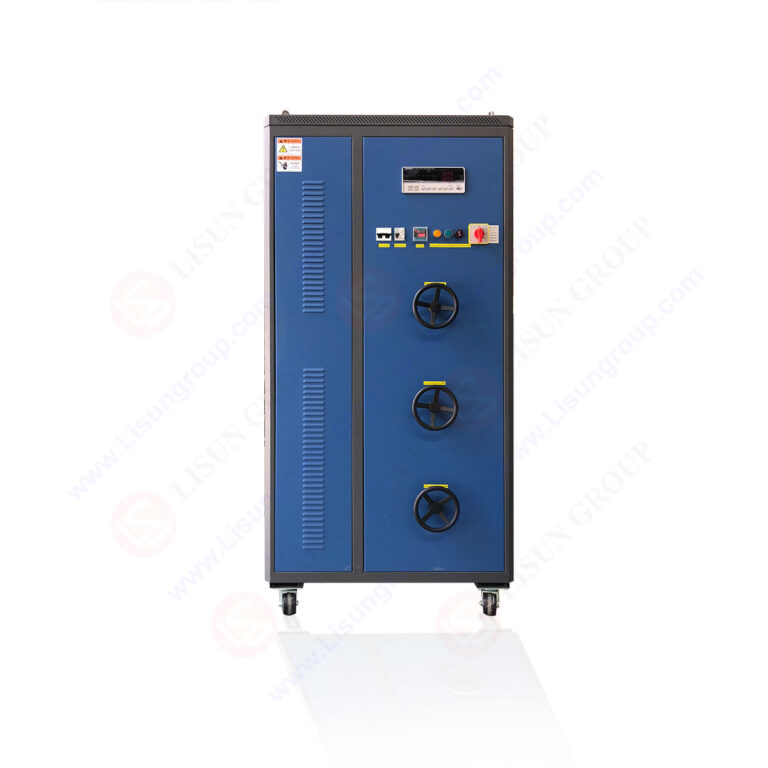
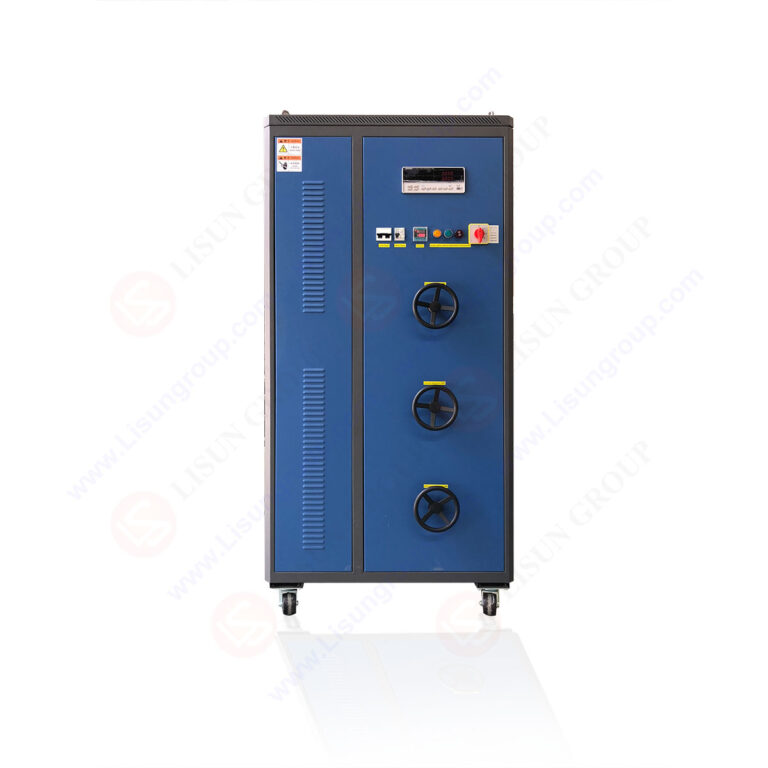
The LISUN SC-015 exemplifies the integration of these principles into a robust, user-configurable testing platform. Its architecture is modular, comprising several interdependent subsystems that work in concert to deliver reliable and standards-compliant testing conditions.
Particulate Generation and Management Subsystem: At the heart of the SC-015 is its dual-feeder system. A screw-type feeder, with variable-speed motor control, meters abrasive sand (typically Arizona Road Dust or similar standardized medium) into the primary airstream with gram-level precision. A separate vibration-assisted feeder handles finer dust particulates (e.g., talcum powder per IP testing). The particulate is stored in a sealed hopper with a desiccant breather to prevent moisture-induced clumping. Post-test, a high-efficiency cyclone separator and multi-stage filtration system (often employing HEPA filters) extract particulates from the airstream for safe containment and disposal, protecting the blower and enabling cleaner operation.
Climate Conditioning and Flow Control Subsystem: The chamber integrates an independent temperature conditioning unit, allowing tests to be conducted at elevated or depressed temperatures (e.g., -10°C to +50°C operational range), simulating desert or arctic conditions alongside particulate exposure. The airflow is generated by a corrosion-resistant centrifugal blower, with velocity monitored in real-time via a calibrated pitot tube or hot-wire anemometer linked to a closed-loop PID controller. This ensures the set wind speed is maintained within a tolerance of ±5%, even as filter loading increases during prolonged tests.
Control and Data Acquisition Interface: A programmable logic controller (PLC) paired with a touch-screen HMI (Human-Machine Interface) provides centralized command. Users can input standardized test profiles (IP5X, IP6X, Saharan Dust, etc.) or create custom sequences defining temperature, duration, sand/dust feed rate, and airflow velocity. The system logs all critical parameters—temperature, humidity (if equipped), wind speed, particulate concentration inferred from feed rate—creating a comprehensive audit trail for test certification.
Table 1: Representative Specifications of the LISUN SC-015 Dust Sand Test Chamber
| Parameter | Specification |
| :— | :— |
| Test Volume | 0.5 m³ / 1.0 m³ (configurable) |
| Air Velocity Range | 1 – 20 m/s (continuously adjustable) |
| Temperature Range | -10°C to +50°C (standard) |
| Sand Concentration | Up to 5 kg/m³ (programmable) |
| Dust Type | Talcum powder (for IP tests), Arizona Road Dust |
| Control System | PLC + Color Touch Screen HMI |
| Standards Compliance | IEC 60529, IEC 60068-2-68, ISO 20653, GB/T 4208 |
| Power Requirements | 380V AC, 50/60Hz, Three-Phase |
Cross-Industry Application Scenarios and Validation Imperatives
The deployment of advanced dust sand testing is non-negotiable in sectors where equipment failure due to particulate ingress carries significant safety, financial, or operational risks.
Automotive Electronics and Aerospace Components: Vehicle control units (ECUs), LiDAR sensors, cockpit displays, and under-hood electronics must withstand road dust and sand churned up by tires. Aerospace components, including external sensors and actuator housings, require validation against high-velocity sandstorms during takeoff/landing in desert environments. The SC-015’s ability to combine temperature cycling with abrasive sand testing is critical here, as thermal expansion/contraction can compromise seal integrity.
Electrical Components and Industrial Control Systems: Enclosures for switches, circuit breakers, PLCs, and motor drives in mining, agricultural, or manufacturing settings are rated IP5X (dust protected) or IP6X (dust tight). The SC-015 performs the 8-hour talcum dust test for IP5X and the more rigorous 8-hour vacuum-induced test for IP6X, verifying that no harmful accumulation of dust occurs within the enclosure.
Telecommunications and Outdoor Lighting Fixtures: 5G base station enclosures, fiber optic terminal boxes, and streetlights are exposed to decades of environmental accumulation. Testing ensures that dust does not coat internal heatsinks, causing thermal runaway, or obscure optical elements, reducing luminous efficacy. The chamber’s sustained testing capability validates long-term reliability.
Medical Devices and Consumer Electronics: Portable diagnostic equipment used in field hospitals and consumer devices like action cameras or smartphones require protection against everyday particulate exposure. Testing confirms that buttons, ports, and speaker meshes resist clogging, maintaining functionality.
Analytical Advantages in Comparative Testing Regimens
The competitive landscape of environmental test equipment is dense, yet platforms like the LISUN SC-015 distinguish themselves through several tangible advantages that enhance laboratory throughput, data integrity, and operational safety.
Precision in Particulate Replication: Many basic chambers struggle with maintaining consistent particulate concentration, leading to variable test severity. The SC-015’s closed-loop design with real-time mass flow feedback ensures the specified concentration is not just achieved at the feeder but is uniformly present throughout the test volume. This eliminates “hot spots” and under-exposed areas, yielding more reproducible and comparable results across test batches.
Enhanced Operational Longevity and Safety: The integration of a robust filtration and separation system prior to the blower intake is a critical differentiator. It prevents abrasive particulates from eroding fan blades and bearings, significantly reducing maintenance downtime and operational costs. Furthermore, it contains potentially hazardous fine dust within the system, protecting laboratory personnel from respiratory exposure and preventing contamination of the facility.
Adaptive Profile Programming: Beyond pre-set standards, the ability to program complex, multi-stage test profiles allows for accelerated life testing and the simulation of real-world duty cycles. For instance, a profile could simulate a vehicle driving through a dusty environment (high sand concentration, moderate temperature) followed by a parked period with diurnal cooling (low concentration, temperature drop), then a subsequent vibration sequence—all within a single automated run. This holistic approach uncovers failure modes that sequential, single-stress testing might miss.
Comprehensive Data Logging and Traceability: In regulated industries like medical devices and aerospace, test documentation is as crucial as the test itself. The SC-015’s data acquisition system provides timestamped logs of all environmental parameters. This creates an immutable record for compliance audits, failure analysis, and design iteration, proving that the test was conducted within the exact boundaries of the required standard.
Integration into Broader Reliability Engineering and Qualification Workflows
An advanced dust sand chamber is not an isolated instrument but a node within a comprehensive reliability engineering ecosystem. Its data feeds directly into Failure Mode and Effects Analysis (FMEA), guiding design improvements such as gasket material selection, vent membrane specifications, or conformal coating application. It is often used in sequence with other environmental stress tests—vibration, shock, humidity, salt spray—in a Highly Accelerated Life Test (HALT) or Environmental Stress Screening (ESS) program to precipitate latent defects.
The quantitative results, such as the measured ingress of dust by weight or the observed degradation of electrical performance (e.g., insulation resistance drop in cable systems) during testing, provide engineers with actionable metrics. These metrics enable the refinement of sealing strategies, the validation of IP ratings for marketing and safety certification, and ultimately, the reduction of warranty claims and field failures in products destined for global markets with diverse environmental challenges.
Frequently Asked Questions (FAQ)
Q1: What is the critical distinction between IP5X and IP6X testing, and how does the SC-015 accommodate both?
IP5X (Dust Protected) testing involves exposing an enclosure to talcum dust inside the chamber under a slight negative pressure differential for 8 hours. The pass criterion is that dust does not enter in sufficient quantity to interfere with operation. IP6X (Dust Tight) is more severe; the enclosure is subjected to the same dust cloud but under a sustained internal vacuum (e.g., 2 kPa below atmospheric). The SC-015 accommodates this via a regulated vacuum port and pump connection, allowing the test specimen’s internal pressure to be precisely controlled and monitored throughout the IP6X test sequence.
Q2: Can the chamber test for the abrasive effects of sand, not just ingress?
Yes. While IP ratings primarily concern ingress, standards like IEC 60068-2-68 (Test L: Dust and Sand) and MIL-STD-810G (Method 510.6) include procedures for assessing the abrasive and clogging effects of blowing sand. The SC-015, with its high-velocity capability (up to 20 m/s) and calibrated sand feeder, is fully equipped for these tests. This is vital for evaluating surface erosion on lenses, wear on connectors, or degradation of exterior coatings on automotive and aerospace components.
Q3: How is the required sand concentration calibrated and verified within the chamber?
Calibration is a two-stage process. Primarily, concentration is controlled indirectly via the precise calibration of the sand feeder’s mass flow rate against the calibrated air volumetric flow rate (velocity x duct area). This provides a calculated concentration. For verification, a gravimetric method is used: standardized collection filters are placed at strategic points in the test volume for a measured duration. The mass of particulates collected, divided by the total air volume passed through the filter, provides a direct measurement of concentration, which is used to validate and adjust the feeder calibration.
Q4: What considerations are necessary for preparing a telecommunications outdoor unit for testing in the SC-015?
The unit should be prepared in its operational state, with all seals and gaskets installed as intended for field use. Any external cooling vents or breather ports must be unmodified. Internally, sensitive areas may be lined with adhesive witness papers or pre-weighed collection trays to quantify and locate any ingress. The unit is typically mounted in the chamber on a turntable (if available) to simulate multi-directional exposure or in a fixed orientation representing its typical installation angle. All electrical and fiber connections should be routed through sealed ports to allow for in-situ functional testing during the exposure.