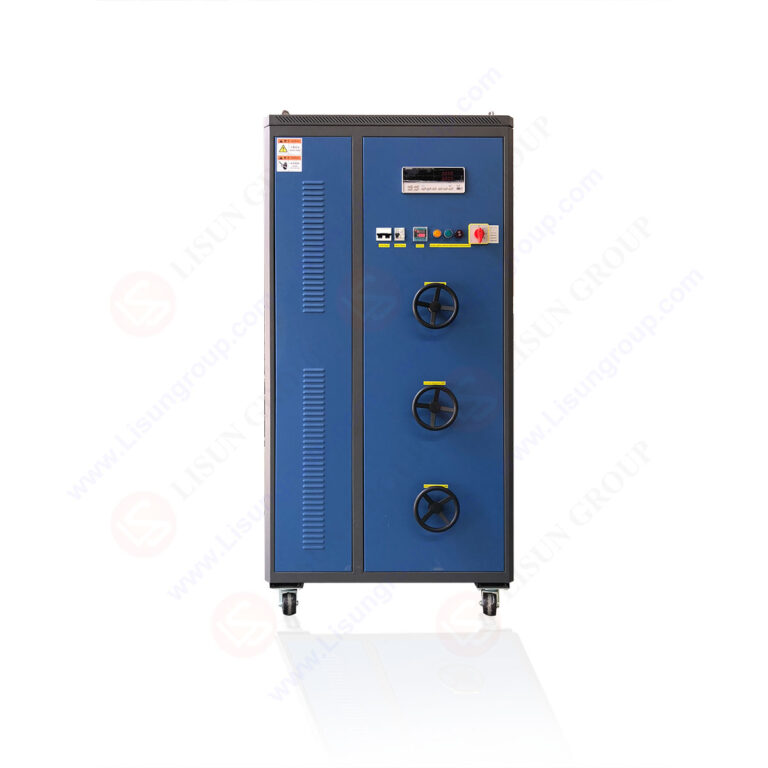



Advanced Temperature and Humidity Chambers: Engineering Reliability Through Controlled Environmental Stress
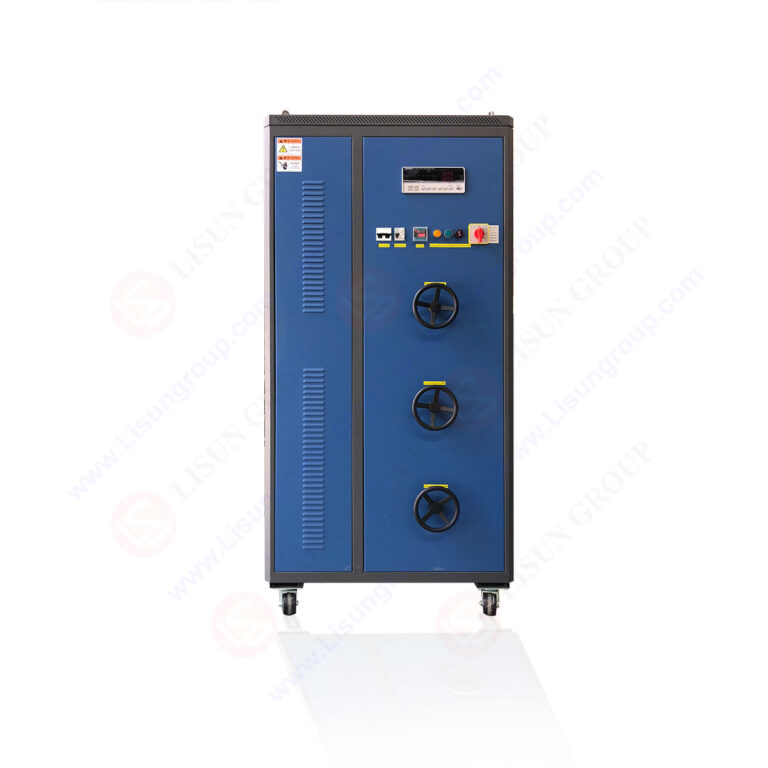
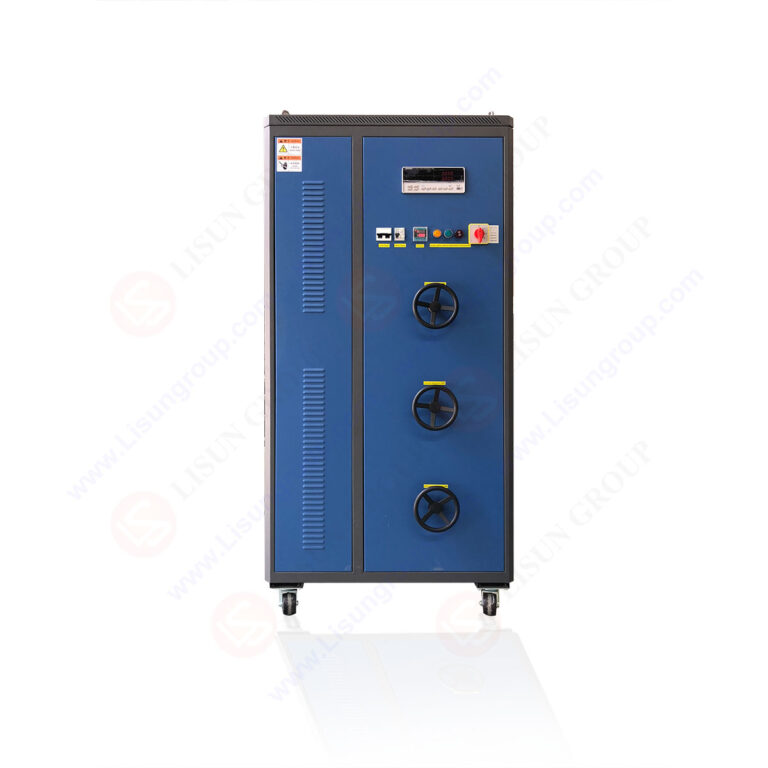
The validation of product reliability and performance under diverse climatic conditions constitutes a fundamental pillar of modern engineering and quality assurance. Advanced temperature and humidity chambers, sophisticated environmental simulation instruments, are indispensable for this task. These systems enable researchers and quality engineers to subject components and assemblies to precisely controlled thermal and hygrometric stresses, accelerating the discovery of latent defects, verifying design specifications, and ensuring compliance with international standards. This technical examination delves into the operational principles, critical design considerations, and industrial applications of these chambers, with a specific focus on the integration of advanced thermal shock testing as exemplified by the LISUN HLST-500D Thermal Shock Test Chamber.
Fundamental Principles of Combined Environmental Stress Testing
The underlying premise of environmental testing is the application of controlled stress to induce and observe failure mechanisms that would otherwise manifest over extended periods of normal operation. Temperature and humidity, both independently and synergistically, drive a multitude of physical and chemical degradation processes. Thermal cycling induces mechanical stress due to the differential coefficients of thermal expansion (CTE) between bonded materials, leading to solder joint fatigue, delamination, and crack propagation. The introduction of humidity, particularly in condensed form, facilitates electrochemical migration, corrosion of metallic traces and contacts, and hydrolysis of polymeric materials. Advanced chambers precisely replicate these conditions, enabling a deterministic analysis of product durability. Testing protocols are often derived from standards such as IEC 60068-2-1 (cold), IEC 60068-2-2 (dry heat), IEC 60068-2-14 (change of temperature), and IEC 60068-2-30 (damp heat, cyclic), which define rigorous procedures for evaluating equipment under simulated environmental conditions.
Architectural Design and Critical Subsystems of Precision Chambers
The efficacy of an environmental chamber is dictated by the performance and integration of its core subsystems. The refrigeration system, typically employing a cascade compressor configuration for extended low-temperature ranges, must provide stable pull-down rates and minimal temperature overshoot. Conversely, the heating system, often utilizing finned resistance heaters, demands precise proportional-integral-derivative (PID) control to achieve specified ramp rates. Humidity generation is commonly accomplished via a boiler system that injects pure steam into the air stream, while dehumidification is achieved by directing airflow over a cold evaporator coil, condensing out moisture. Uniformity of both temperature and humidity across the test workspace is paramount; this is ensured through computational fluid dynamics (CFD)-optimized airflow designs employing strategically placed baffles and a centrifugal blower with a variable-frequency drive (VFD). Advanced sensor technology, including platinum resistance thermometers (PRTs) and capacitive polymer humidity sensors, provides feedback to the multi-channel programmable logic controller (PLC), which executes test profiles with high fidelity.
The Imperative of Thermal Shock Testing for Electronic Assemblies
While steady-state or cyclic temperature/humidity tests are valuable, they do not replicate the most severe thermal transients experienced by many components. Thermal shock testing, a more aggressive discipline, subjects a test specimen to rapid transitions between extreme high and low temperature extremes. This process reveals weaknesses related to material brittleness at low temperatures, glass transition temperature (Tg) exceedance in polymers, and instantaneous CTE mismatch stresses far greater than those in slower cycles. The LISUN HLST-500D Thermal Shock Test Chamber is engineered specifically for this demanding application. It employs a two-basket (or three-zone) method, where the test specimen is mechanically transferred between independently controlled high-temperature and low-temperature chambers. This design minimizes recovery time, allowing the specimen’s surface to achieve the target temperature extreme within minutes, as stipulated by standards like MIL-STD-883 Method 1010.9 and JESD22-A104.
LISUN HLST-500D: Specifications and Operational Profile
- Test Volume: 500 Liters (customizable variants available).
- Temperature Range: High Temperature Chamber: +60°C to +200°C; Low Temperature Chamber: -10°C to -65°C (extendable with liquid nitrogen assist).
- Transition Time: < 10 seconds (mechanical transfer between chambers).
- Recovery Time: ≤ 5 minutes to stabilize at target temperature after transfer.
- Control System: Touch-screen PLC with programmable cycles, data logging, and network connectivity for remote monitoring.
- Basket Design: Robust, low-thermal-mass construction to minimize thermal lag.
- Safety Features: Independent overtemperature protection, chamber interlocks, and real-time system diagnostics.
Industry-Specific Applications and Failure Mode Analysis
The application spectrum for advanced chambers, particularly thermal shock units like the HLST-500D, spans industries where electronic reliability is non-negotiable.
- Automotive Electronics: Components such as engine control units (ECUs), sensors, and LED lighting assemblies must endure under-hood temperatures exceeding 125°C and cold starts below -40°C. Thermal shock testing validates the integrity of conformal coatings, underfill materials, and wire bond connections in these conditions.
- Aerospace and Aviation Components: Avionics and satellite components face extreme temperature swings from solar heating to deep-space radiance. Testing identifies potential for tin whisker growth in solder, outgassing of materials, and interconnect failure.
- Medical Devices: Implantable electronics and portable diagnostic equipment require absolute reliability. Chambers test battery performance, seal integrity against moisture ingress, and material biocompatibility after thermal stress.
- Telecommunications Equipment: 5G infrastructure components, including base station amplifiers and fiber optic transceivers, are deployed in uncontrolled environments. Testing accelerates failure modes related to hermetic seal leaks and passive intermodulation (PIM) caused by mechanical deformation.
- Lighting Fixtures (LED): High-brightness LED assemblies undergo thermal shock to assess the durability of solder joints connecting the LED die to the metal-core printed circuit board (MCPCB), a common point of failure known as die attach degradation.
- Electrical Components: Switches, relays, and connectors are tested for contact resistance stability and insulation resistance after exposure to cyclic damp heat and thermal shock, preventing field failures from corrosion or cracking.
Quantifying Performance: Metrics, Standards, and Data Integrity
The output of environmental testing is not merely a pass/fail result but a rich dataset informing design maturity. Key metrics include mean time between failures (MTBF) derived from highly accelerated life testing (HALT), failure analysis reports detailing the exact component and mode of failure, and comparative performance data between design iterations. The HLST-500D facilitates this through its precise control and logging capabilities, ensuring tests are repeatable and traceable. Compliance with standards such as ISO 17025 for laboratory competence is supported by the chamber’s calibration traceability to national standards and its ability to generate audit trails for all test parameters. Data integrity is further ensured by secure, time-stamped logging that records not only temperature profiles but also system states and any operator interventions.
Strategic Selection Criteria for Test Equipment
Selecting an appropriate chamber involves a multi-parameter analysis beyond basic temperature and humidity ranges. Key decision factors include:
- Workspace Volume and Load Capacity: Accounting for the product’s size and thermal mass.
- Rate of Change: Required ramp rates for temperature and, if applicable, humidity.
- Uniformity and Stability: Tolerance bands across the workspace over time, typically ±0.5°C for temperature and ±2.0% RH for humidity in high-grade chambers.
- Control System Sophistication: Ability to create complex profiles, link parameters (e.g., temperature ramps with humidity dew point control), and integrate with factory networks.
- Total Cost of Ownership: Evaluating energy efficiency, required facility utilities (chilled water, compressed air), maintenance intervals, and expected service life.
The LISUN HLST-500D addresses these criteria by offering a balanced design focused on the critical parameters for thermal shock: rapid transition, fast temperature recovery, and robust construction for high-cycling durability. Its competitive advantage lies in its optimized mechanical transfer mechanism and control algorithm, which together minimize dwell time at intermediate temperatures, thereby applying the intended stress more purely and effectively than chambers with slower transition methodologies.
Conclusion: Enabling Robustness in an Interconnected World
As the complexity and integration of electronic systems continue to advance across all industrial sectors, the role of preconditioned environmental stress testing grows in parallel. Advanced temperature and humidity chambers, and specifically dedicated thermal shock testers like the LISUN HLST-500D, are not merely quality control tools but essential instruments for engineering robust products. They provide the empirical evidence needed to move from theoretical design to field-ready reliability, mitigating the risk of costly recalls and ensuring that components from automotive microcontrollers to aerospace connectors perform as specified throughout their intended lifecycle. The continued evolution of these test systems, with greater precision, automation, and data analytics integration, will remain central to innovation in product development.
Frequently Asked Questions (FAQ)
Q1: What is the fundamental difference between a thermal shock test chamber and a standard temperature cycling chamber?
A thermal shock chamber, like the HLST-500D, achieves extreme temperature transitions in seconds by physically moving the test sample between two pre-conditioned extreme-temperature zones. A standard temperature cycling chamber uses a single workspace where the air temperature is ramped up and down, resulting in much slower transition rates (often several degrees per minute). Thermal shock induces more severe mechanical stress due to the instantaneous thermal gradient.
Q2: Why is the “recovery time” metric critical in thermal shock testing?
Recovery time—the duration for the test sample to stabilize at the target temperature after transfer—directly impacts the test’s severity and compliance with standards. A long recovery time effectively creates a temperature soak profile rather than a true shock. The HLST-500D’s design, with its low-thermal-mass basket and high-velocity airflow in each zone, ensures recovery times under 5 minutes, maintaining the integrity of the shock stress.
Q3: Can the HLST-500D be used for testing products that generate significant heat during operation (live load testing)?
While primarily designed for passive component testing, many advanced chambers can accommodate live loads. This requires careful specification during the procurement phase. The chamber’s refrigeration and heating capacities must be rated to compensate for the additional thermal load from the device under test to maintain the specified profile. Supplementary cooling or dedicated power feed-throughs may be necessary.
Q4: How are test profiles developed for a new component with no prior history?
Initial profiles are typically derived from the relevant industry standard (e.g., automotive may use ISO 16750, telecommunications may use Telcordia GR-63). These are then combined with data on the component’s intended operational environment—maximum/minimum storage and operating temperatures, expected daily cycles, and geographic deployment climate. Often, an accelerated test profile is developed by identifying the dominant failure mechanism and applying a stress factor that accelerates it without introducing non-representative failure modes.
Q5: What maintenance is essential for ensuring the long-term accuracy and reliability of a thermal shock chamber?
Regular preventive maintenance is crucial. Key tasks include: cleaning or replacing air filters to maintain airflow; checking and calibrating sensors annually; inspecting door seals for integrity; verifying the lubrication and alignment of the basket transfer mechanism; and ensuring the refrigerant charge and compressor operation are within specification. A well-maintained log of all maintenance and calibration events is also required for audit compliance.