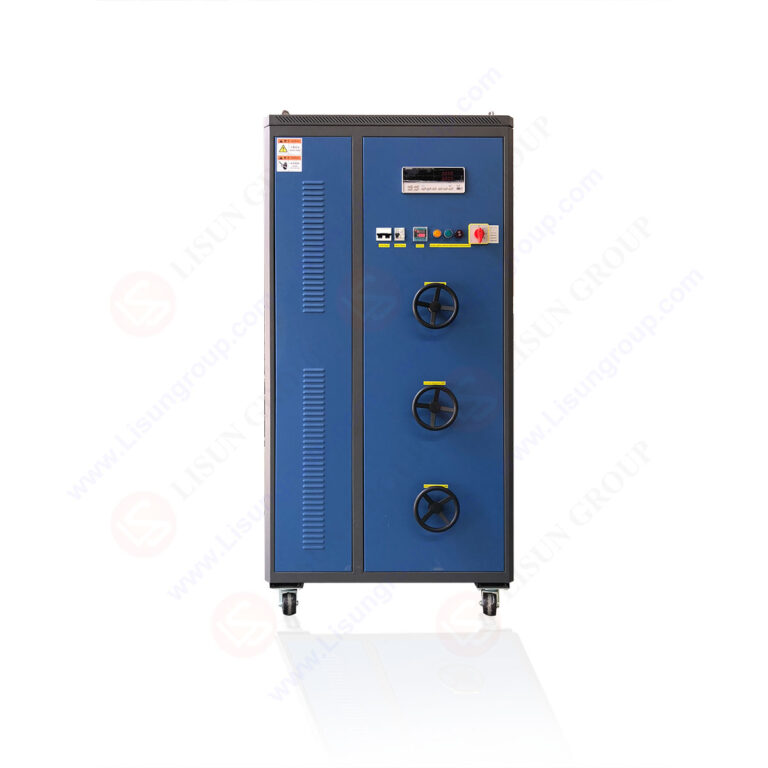



The Critical Role of IP5X Dust Test Chambers in Modern Product Validation
Introduction to Ingress Protection and the IP5X Classification
The Ingress Protection (IP) rating system, codified under international standard IEC 60529, provides a definitive framework for classifying the degree of protection offered by enclosures against the intrusion of foreign bodies and moisture. Within this system, the IP5X rating holds specific and critical significance concerning solid particulate matter. It denotes an enclosure’s capability to provide “Dust Protected” ingress protection. This classification signifies that while dust may enter the enclosure, it cannot do so in a quantity sufficient to interfere with the satisfactory operation of the equipment or impair safety. The testing methodology to verify this rating is rigorous, requiring specialized environmental simulation equipment: the IP5X dust test chamber. These chambers are engineered to create a controlled, high-concentration dust atmosphere, subjecting products to conditions far exceeding typical operational environments to validate their resilience and long-term reliability.
Fundamental Principles of IP5X Dust Testing Methodology
The core objective of IP5X testing is not to prove complete dust exclusion, which is the purview of the higher IP6X rating, but to demonstrate that an enclosure effectively limits dust ingress to a non-harmful level. The test is predicated on exposing the device under test (DUT) to a specified concentration of fine talcum powder for a prescribed duration, typically eight hours. The chamber maintains a negative pressure differential between the interior of the DUT and the external test environment, actively drawing dust-laden air into any potential ingress paths. This negative pressure, standardized at 2 kPa below atmospheric pressure, accelerates and intensifies the test, simulating long-term exposure effects within a condensed timeframe. Post-test evaluation involves a meticulous internal inspection for dust presence and a comprehensive functional check. Any accumulation of dust that leads to electrical tracking, mechanical blockage, interference with moving parts, or degradation of thermal performance constitutes a test failure.
Design and Operational Specifications of the LISUN SC-015 Dust Sand Test Chamber
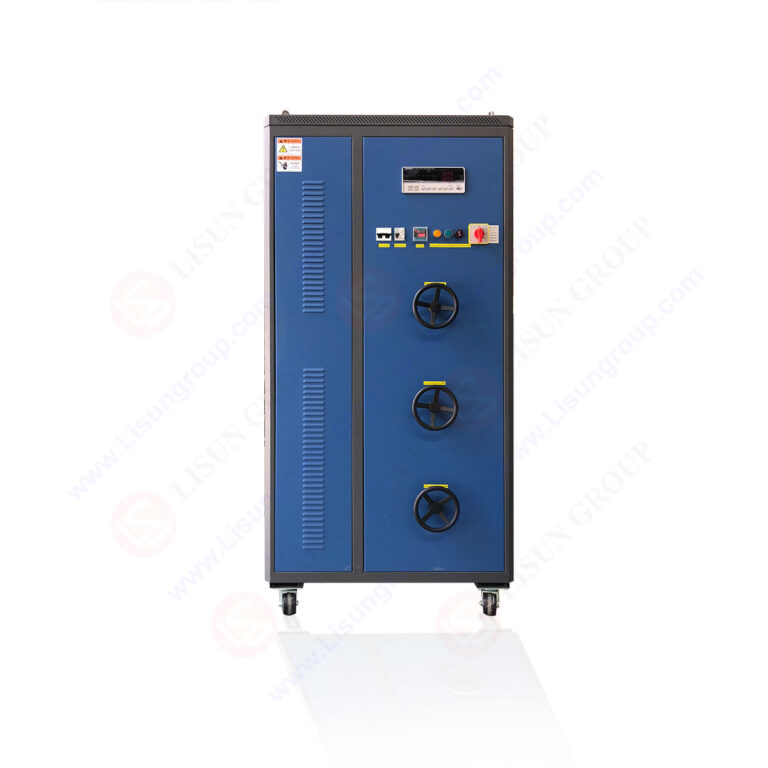
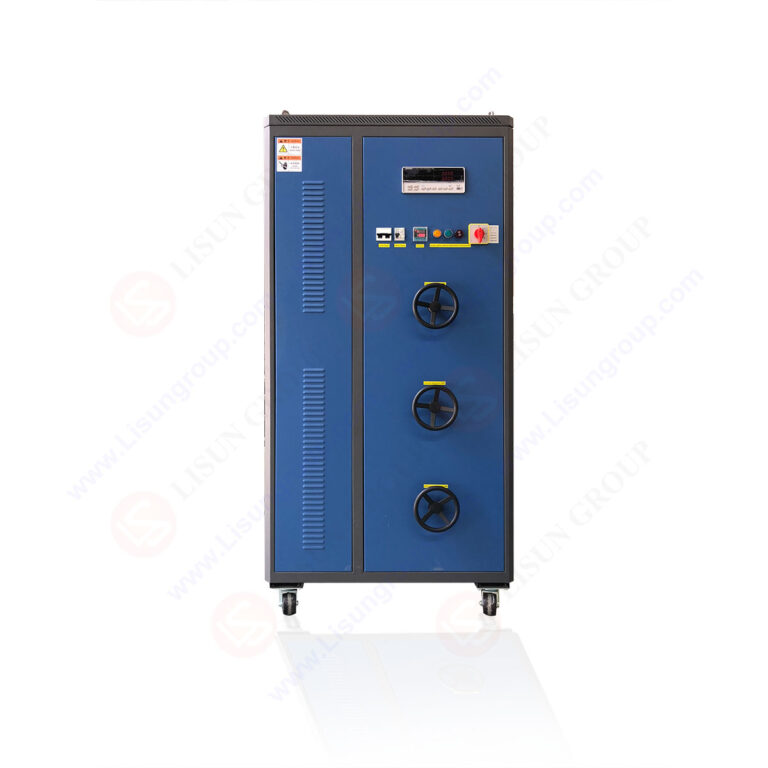
The LISUN SC-015 Dust Sand Test Chamber represents a sophisticated implementation of the IP5X and IP6X testing standards. Its design integrates precise control systems and robust construction to ensure repeatable and compliant test conditions. The chamber’s operational parameters are meticulously calibrated to meet the exacting requirements of IEC 60529, as well as related standards such as GB/T 4208.
Key specifications of the LISUN SC-015 include a compact yet effective test volume, sufficient for a wide range of consumer and industrial components. A critical component is its dust circulation system, which employs a controlled airflow mechanism to suspend and distribute the talcum powder (typically with a particle size ≤ 75µm) uniformly throughout the test space. The system is designed to maintain the required dust concentration of 2kg/m³ for IP5X testing. The chamber features a programmable logic controller (PLC) interface, allowing for the precise setting and monitoring of test duration, vibration intervals (to prevent dust settling), and pressure differential. Constructed from corrosion-resistant materials, such as stainless steel for critical interior surfaces, it ensures longevity and prevents contamination between tests. The viewing window, equipped with durable sealing and internal air-scraping to maintain clarity, permits real-time observation without compromising the test integrity.
Cross-Industry Applications for Dust Ingress Validation
The imperative for IP5X validation spans virtually every sector where electronics and mechanical systems are deployed in non-hermetic environments. The following industry-specific applications illustrate the breadth of its relevance:
Electrical and Electronic Equipment & Industrial Control Systems: Programmable Logic Controllers (PLCs), motor drives, and power distribution units are often installed in factory settings adjacent to machining, milling, or textile operations. Dust ingress can cause short circuits across high-voltage terminals, clog cooling fans leading to thermal runaway, or form abrasive pastes that degrade relay contacts. IP5X testing ensures these critical control nodes maintain operational integrity, preventing costly production downtime.
Automotive Electronics: Modern vehicles contain dozens of electronic control units (ECUs) located in the engine bay, wheel wells, and underbody. These are exposed to road dust, brake pad particulates, and environmental debris. An IP5X-rated enclosure for an anti-lock braking system (ABS) module or engine control unit (ECU) is essential to prevent sensor signal corruption or connector fouling that could impact vehicle safety and performance.
Lighting Fixtures and Outdoor Telecommunications Equipment: Streetlights, architectural floodlights, and 5G small-cell radio units are subjected to continuous environmental exposure. Dust accumulation on LED drivers or RF circuitry can lead to premature lumen depreciation, color shift, or signal attenuation. Furthermore, dust on optical surfaces (e.g., lenses, sensors) directly degrades functional performance. IP5X validation is a baseline requirement for product specifications in these fields.
Medical Devices and Aerospace Components: Portable diagnostic equipment, patient monitors used in field hospitals, and avionics cooling systems in aircraft must function reliably in diverse and challenging environments. Dust in a medical device can compromise sensor accuracy or hygiene, while in aerospace, it can disrupt airflow in cooling ducts or interfere with low-current signaling in flight control systems. The rigorous validation provided by chambers like the LISUN SC-015 supports the stringent reliability protocols demanded by these high-stakes industries.
Electrical Components, Cable Glands, and Office/Consumer Electronics: Even passive components require validation. Dust-proof switches and sockets prevent arcing faults in residential and commercial buildings. Cable glands ensuring IP-rated entry points for wiring must be tested as part of a complete assembly. In consumer electronics, the proliferation of devices with internal cooling fans (e.g., gaming consoles, projectors) makes IP5X testing vital to prevent dust-related overheating and fan failure, directly impacting product lifespan and user satisfaction.
Comparative Analysis: IP5X vs. IP6X Testing Parameters
A clear understanding of the distinction between IP5X and the higher IP6X (“Dust Tight”) rating is crucial for appropriate product specification and testing. The following table delineates the key operational differences as executed in a capable test chamber.
| Testing Parameter | IP5X (Dust Protected) | IP6X (Dust Tight) |
|---|---|---|
| Test Dust | Fine talcum powder (≤ 75µm) | Fine talcum powder (≤ 75µm) |
| Dust Concentration | 2 kg/m³ ± 10% | 2 kg/m³ ± 10% |
| Test Duration | Typically 8 hours (continuous) | Typically 8 hours (continuous) |
| Pressure Differential | 2 kPa (negative pressure inside DUT) | 2 kPa (negative pressure inside DUT) OR vacuum method |
| Pass/Fail Criterion | Dust ingress shall not be in a quantity to interfere with operation or safety. | No dust ingress permitted. Visual inspection reveals no dust. |
| Typical Application | Equipment where limited dust ingress is acceptable if non-harmful. | Equipment requiring complete exclusion of dust for safety/function. |
This distinction informs the test methodology. While the LISUN SC-015 is capable of performing both tests, the evaluation criteria differ significantly. IP5X is a performance-based test focused on functional outcome, whereas IP6X is a more absolute, containment-based test.
Implementing a Robust Dust Testing Protocol
Effective utilization of an IP5X test chamber extends beyond simply placing a product inside and activating the cycle. A robust protocol begins with comprehensive sample preparation. All functional ports, seals, and covers must be configured in their intended “as-used” state. For products with external cooling, the internal fans should be operational if that represents normal use, as the induced airflow can create additional ingress pathways. The DUT is placed within the chamber such that its most vulnerable orientations (e.g., connector faces, ventilation grilles) are exposed to the dust stream.
During the test, the chamber’s systems maintain the stringent environmental conditions. The negative pressure differential is constantly monitored and regulated. Many chambers, including the LISUN SC-015, incorporate a periodic vibration or tapping mechanism applied to the DUT or the chamber itself. This prevents the talcum powder from compacting or bridging over potential ingress points, ensuring a consistent and challenging test exposure that simulates real-world vibrations during transport or operation.
The post-test analysis is arguably the most critical phase. After a controlled settling period to allow airborne dust to dissipate, the DUT is carefully extracted. Before opening the enclosure, non-destructive inspection methods may be used. The enclosure is then disassembled in a clean, controlled environment to prevent contamination. The internal components are visually examined under appropriate lighting, often using magnification. The functionality of the device is then thoroughly tested against its original performance specifications. Any deviation attributable to dust presence—such as increased electrical leakage current, altered sensor readings, or impaired mechanical actuation—constitutes a failure and necessitates design remediation.
The Role of Standardization and Chamber Calibration
The validity of any IP5X test result is intrinsically linked to adherence to published standards and the metrological traceability of the test equipment. Chambers like the LISUN SC-015 are designed to comply with IEC 60529, but their ongoing accuracy depends on regular calibration and maintenance. Critical parameters requiring verification include:
- Dust Concentration: Measured through gravimetric analysis of dust collected over a known air volume.
- Particle Size Distribution: Verified via sieve analysis to ensure the talcum powder meets the ≤75µm specification.
- Pressure Differential: Calibrated using a traceable manometer or pressure transducer.
- Airflow Rate: Ensured to maintain the required dust suspension and negative pressure.
Regular calibration, often on an annual basis, ensures that test results are reliable, reproducible, and defensible for certification purposes. This traceability is non-negotiable for manufacturers supplying regulated industries like automotive (IATF 16949), medical (ISO 13485), or aerospace (AS9100), where product liability and safety are paramount.
Economic and Reliability Implications of Dust Ingress Failure
The financial and reputational costs of field failures due to dust ingress are substantial. A product returned under warranty for a dust-related fault incurs not only the cost of repair or replacement but also logistics, administrative overhead, and customer dissatisfaction. In industrial or infrastructure settings, a single failure can trigger cascading downtime, with losses measured in thousands of dollars per hour. For safety-critical systems in automotive or medical fields, the consequences are far more severe, potentially involving regulatory sanctions, litigation, and irreparable brand damage.
Investing in comprehensive IP5X validation during the design verification phase is a proactive risk mitigation strategy. It identifies sealing weaknesses, inadequate filtration, or problematic thermal design before mass production. The data derived from chamber testing enables engineers to make informed material selections, modify gasket designs, relocate vents, or add conformal coatings. This upfront investment in reliability engineering, facilitated by precise tools like the LISUN SC-015, directly reduces total lifecycle costs, enhances brand reputation for quality, and accelerates time-to-market by preventing late-stage design changes.
FAQ Section
Q1: Can the LISUN SC-015 chamber test for both IP5X and IP6X ratings?
Yes, the LISUN SC-015 is designed to perform testing for both IP5X (Dust Protected) and IP6X (Dust Tight) classifications as per IEC 60529. The chamber controls the necessary parameters—dust concentration, test duration, and pressure differential—for both tests. The fundamental difference lies in the pass/fail criteria evaluated after the test, not in the chamber’s operation.
Q2: What type of dust is used in the test, and how is the concentration maintained?
The standard requires the use of finely ground talcum powder, with at least 95% of its particles by weight being 75 micrometers (µm) or smaller. The chamber, such as the SC-015, uses a closed-loop circulation system with precise airflow control to aerosolize and maintain a uniform concentration of 2 kilograms of dust per cubic meter of chamber volume (±10%), as mandated by the standard.
Q3: How long is a typical IP5X dust test, and is the device powered during testing?
A standard IP5X test lasts for 8 hours under continuous dust exposure. Regarding power, the device under test (DUT) should be configured in its most representative operational state. If the product normally operates with internal cooling fans or moving parts during use, it is generally tested in that powered state, as these dynamics can influence dust ingress paths. The test standard often specifies the operational condition.
Q4: Our product has multiple cable entry points. How should they be prepared for testing?
For a valid test, cable entries and other openings must be configured as they would be in actual service. If the product uses proprietary connectors, they should be attached. If it uses standard cable glands, the glands should be installed on a test plate or dummy cable as per the manufacturer’s instructions, tightened to the specified torque, and the cable entry must be sealed. The goal is to test the complete enclosure system as it will be used in the field.
Q5: What constitutes a “fail” for an IP5X test, given that some dust ingress is allowed?
The IP5X rating permits the ingress of dust, but it explicitly states the ingress “shall not be in a quantity sufficient to interfere with the satisfactory operation of the apparatus or to impair safety.” Therefore, a failure occurs if post-test inspection and functional evaluation reveal that dust has caused any of the following: electrical leakage or short circuits, blockage of mechanical components (e.g., switches, gears), impairment of optical surfaces, or disruption of thermal management leading to overheating. The test is performance-based, not merely cosmetic.