


A Comprehensive Technical Analysis of IP6X Certification: Principles, Procedures, and Equipment
Introduction to Ingress Protection and the IP6X Classification
The Ingress Protection (IP) rating system, codified under international standard IEC 60529, provides a definitive and universally recognized methodology for classifying the degree of protection offered by enclosures for electrical and electronic equipment against the intrusion of solid foreign objects and water. This alphanumeric classification, expressed as “IP” followed by two characteristic numerals, delivers precise, repeatable criteria for design validation, procurement specification, and regulatory compliance. The first digit, ranging from 0 to 6, denotes protection against solids; the second digit, from 0 to 8, indicates protection against liquids. An “X” is used when a characteristic is not specified or not tested.
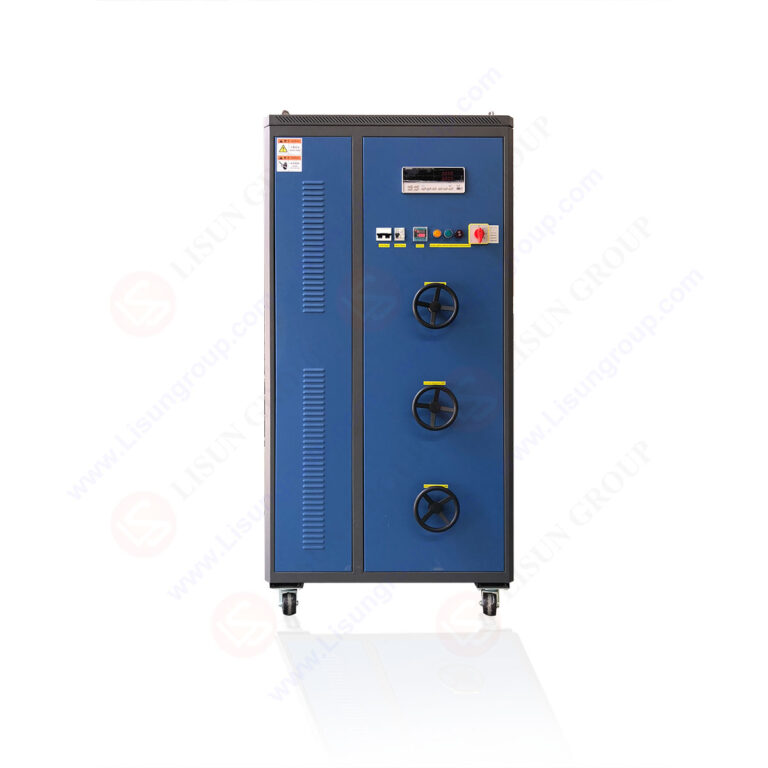
Achieving an IP6X rating represents the highest echelon of protection against particulate ingress. It certifies that an enclosure is “Dust-tight,” a designation with profound implications for product reliability, operational lifespan, and safety across myriad industries. This article provides a rigorous, technical examination of the IP6X certification, detailing its testing requirements, the underlying engineering principles, and the specialized instrumentation required for validation, with a focused analysis on the LISUN SC-015 Dust Sand Test Chamber as a representative apparatus.
Defining the IP6X “Dust-Tight” Requirement and Its Technical Significance
The IP6X classification imposes a stringent, binary requirement: no ingress of dust shall occur under defined test conditions. Unlike lower ratings (e.g., IP5X, which permits limited, non-harmful dust ingress), IP6X demands complete exclusion. This is critical in environments where particulate matter can induce catastrophic failure modes. Conductive dust can bridge electrical contacts, leading to short circuits in industrial control systems or automotive electronics. Abrasive particulates can degrade moving parts in office equipment or household appliances, while insulating dust can impede thermal dissipation, causing overheating in lighting fixtures or telecommunications equipment. In sensitive domains like aerospace and aviation components and medical devices, even minuscule contamination can compromise system integrity and safety. The IP6X rating, therefore, is not merely a marketing feature but a fundamental design and performance parameter that directly correlates with mean time between failures (MTBF) and total cost of ownership.
The Scientific and Engineering Principles of Dust Ingress Testing
The challenge of validating dust tightness lies in simulating the behavior of fine particulates under realistic environmental pressures. Dust ingress is driven by differential pressure, a principle leveraged in the IP6X test. The standard specifies a vacuum is created inside the test specimen, typically lowering the internal pressure to 20 hPa (approximately 2.0 kPa) below atmospheric pressure. This pressure differential forces ambient air—and any suspended dust—to seek ingress paths through any potential weakness in the enclosure’s seals, gaskets, joints, or cable entries.
The test dust specified by the standard is talcum powder, chosen for its fine, dry, and consistent particulate nature. Its particle size distribution is rigorously defined: 75% by weight of particles must pass through a 50-micron mesh sieve, and 100% must pass through a 150-micron mesh. This simulates a severe, fine dust environment. The test chamber must maintain a uniform dust cloud around the specimen for a prescribed duration, usually 8 hours, while the internal vacuum is sustained. Post-test evaluation involves a meticulous internal inspection for any trace of dust, often aided by optical magnification.
Apparatus for Validation: The LISUN SC-015 Dust Sand Test Chamber
Accurate and repeatable IP6X testing necessitates highly specialized equipment capable of precise environmental control. The LISUN SC-015 Dust Sand Test Chamber is engineered to meet and exceed the stipulations of IEC 60529, as well as related standards such as GB/T 4208. Its design encapsulates the core engineering requirements for valid certification.
- Testing Principle: The chamber operates on the negative pressure differential method. The specimen is placed within the test chamber, and its internal volume is connected to a vacuum system. A controlled quantity of standardized talcum powder is agitated within the sealed main chamber by a recirculation blower, creating a dense, homogenous dust cloud. The sustained internal vacuum of the specimen draws the dust-laden air towards any potential leak path.
- Key Specifications and Components:
- Chamber Volume: Designed to accommodate a range of specimen sizes relevant to products from small electrical components to larger consumer electronics enclosures.
- Dust Circulation System: Incorporates a high-efficiency blower and internal baffles to ensure a uniform, turbulent dust cloud without dead zones, guaranteeing the specimen is subjected to a consistent challenge.
- Vacuum System: Comprises a precision vacuum pump, regulating valves, and a manometer or digital pressure sensor capable of maintaining the required 2.0 kPa differential with a tolerance of ±5%. A flowmeter is often integrated to monitor the suction rate, providing additional diagnostic data on seal integrity.
- Control System: A programmable logic controller (PLC) or microprocessor-based interface allows for automated test cycles, including pre-test dust agitation, vacuum draw-down, timed test duration, and safety interlocks. Data logging functions record pressure and time parameters for audit trails.
- Construction: The chamber interior is typically fabricated from corrosion-resistant stainless steel, with a sealed viewing window and glove ports for safe observation and setup. A dust recovery and filtration system minimizes operator exposure and facilitates powder reuse.
Industry-Specific Applications and Imperatives for IP6X Certification
The necessity for IP6X protection permeates numerous sectors, each with unique operational environments and failure consequences.
- Automotive Electronics: Under-hood control units, battery management systems for electric vehicles, and external sensors are exposed to road dust, brake pad particulates, and agricultural debris. IP6X protection prevents fouling of connectors and circuit boards, which is critical for safety systems like ABS and autonomous driving modules.
- Telecommunications Equipment: Outdoor 5G radio units, fiber optic terminal enclosures, and base station hardware are deployed in deserts, coastal areas, and industrial zones. Dust ingress can obstruct cooling fans, corrode contacts, and degrade optical interfaces, leading to network downtime.
- Industrial Control Systems: Programmable logic controllers (PLCs), motor drives, and human-machine interfaces (HMIs) in manufacturing plants, mines, and chemical facilities are besieged by conductive metallic dust, carbon powder, and general grit. IP6X enclosures prevent electrical faults and mechanical jams.
- Lighting Fixtures: High-bay industrial lighting, streetlights, and outdoor architectural fixtures require dust-tight seals to maintain lumen output, prevent overheating of LED drivers, and ensure long-term reliability in dusty or sandy environments.
- Aerospace and Aviation Components: Avionics bays, external navigation equipment, and in-flight entertainment systems must withstand fine dust during ground operations, takeoff, and landing in arid regions. Contamination here is a direct flight safety concern.
- Medical Devices: Portable diagnostic equipment, imaging system enclosures, and surgical tools used in field hospitals or ambulances require IP6X sealing to maintain sterility and ensure flawless operation where cleaning with liquids is frequent.
Methodological Rigor: The IP6X Testing Procedure and Evaluation Criteria
A compliant IP6X test is a systematic, documented process. The specimen is prepared in its operational state, with all cable glands, covers, and seals configured as intended for use. Any breathing or drainage holes that are part of the design are left functional. The specimen is placed in the chamber, and its interior is connected to the vacuum line. Following a specified period of dust cloud generation to achieve homogeneity, the vacuum is applied and maintained for the 8-hour test duration. The dust cloud is typically sustained throughout.
Post-test, the vacuum is carefully released, and the specimen is removed. The internal examination is conducted under controlled conditions to prevent external contamination. The acceptance criterion is absolute: no visible deposit of dust is permitted inside the enclosure. The use of a microscope or magnifying glass with at least 10x magnification is common for inspecting small switches, sockets, and intricate electrical components. For some cable and wiring systems, a functional test may also be performed post-exposure to verify electrical integrity was not compromised by any undetected fine particulate.
Competitive Advantages of Modern Integrated Test Chambers
Equipment like the LISUN SC-015 offers distinct advantages over older or improvised testing setups. Integration of the vacuum system, dust circulation, and controls into a single, self-contained unit enhances repeatability and operator safety. Automated controls eliminate human error in timing and pressure regulation, which is vital for audit compliance. Advanced models feature real-time monitoring of dust density via laser particle counters, providing quantitative data that surpasses the basic pass/fail criterion and offers valuable feedback for product design iteration. The robust construction and filtration systems also reduce consumable costs and laboratory contamination, making high-volume testing for consumer electronics or household appliance manufacturers more efficient and sustainable.
Conclusion: The Integral Role of Certification in Product Development
IP6X certification is a non-negotiable benchmark for products destined for harsh particulate environments. It transcends basic enclosure design, influencing material selection for gaskets, the engineering of labyrinth seals, and the specification of cable glands. The test itself, as defined by IEC 60529 and executed by precision instruments, provides a critical feedback loop for R&D and quality assurance teams. By subjecting prototypes to the rigorous, standardized conditions of a dust test chamber, engineers can identify and rectify design flaws before mass production, thereby mitigating field failure risk, reducing warranty costs, and solidifying brand reputation for reliability. In an increasingly interconnected and demanding technological landscape, the assurance provided by the IP6X rating is a fundamental component of product integrity.
Frequently Asked Questions (FAQ)
Q1: Can an IP6X-rated enclosure also be rated for water protection (e.g., IP67 or IP68)?
A1: Yes, the IP ratings are independent but can be combined. An IP67 rating, for example, indicates it meets both IP6X (dust-tight) and IPX7 (protection against temporary immersion) requirements. The sealing technologies often overlap, but achieving both ratings requires validation through two distinct test sequences.
Q2: How does the test account for products with internal fans or ventilation requirements?
A2: The standard is clear. If a product is designed with ventilation openings as part of its normal function, these remain open during the test. The IP6X rating would then apply to the product as used, meaning dust may enter through these designed apertures. To claim a dust-tight rating for the entire product, all apertures must be sealed during normal operation, or the product must use internally recirculated or filtered air.
Q3: What is the typical preparation required for a device before IP6X testing in a chamber like the LISUN SC-015?
A3: The specimen must be clean, dry, and configured in its most complete operational form. All user-accessible covers, cable glands, and seals must be installed per the manufacturer’s instructions. If the device has multiple configurations, the one deemed most susceptible to dust ingress is typically tested. The internal vacuum connection port must be installed in a representative location, often replacing a cable gland or specified seal.
Q4: Is talcum powder the only permissible test dust for IP6X certification?
A4: For strict compliance with IEC 60529, the specified test dust is dry, finely graded talcum powder with the defined particle size distribution. Other industry-specific standards (e.g., for automotive or military applications) may prescribe different dust types, such as Arizona Road Dust. The test chamber must be capable of effectively circulating the specified medium.
Q5: How often should a product design be re-validated for IP6X compliance?
A5: Re-validation is required whenever a change is made to the enclosure, its sealing methods, or its assembly process that could potentially affect ingress integrity. This includes changes in gasket material, supplier of electrical components like connectors, adhesive types, or manufacturing tolerances. Periodic audits and production line sampling are also common in quality management systems to ensure ongoing compliance.