


A Comprehensive Analysis of Ingress Protection (IPX) Rating Standards: Principles, Applications, and Validation Methodologies
Defining the IP Code and Its Scope of Application
The Ingress Protection (IP) Code, formalized under the International Electrotechnical Commission standard IEC 60529, provides a systematic classification for the degrees of protection afforded by enclosures of electrical equipment against the intrusion of solid foreign objects and water. This classification system is not a measure of mechanical robustness, corrosion resistance, or atmospheric pressure sealing, but a specific evaluation of ingress under defined test conditions. The code structure, denoted as “IPXY,” consists of two characteristic numerals. The first numeral (0-6) indicates protection against solid particle ingress, while the second numeral (0-9K) defines protection against harmful water ingress. In contexts where only water protection is relevant, the first digit is replaced with an “X,” yielding the common “IPX” designation. This standardized lexicon is indispensable for specifying, selecting, and certifying components across industries where environmental exposure is a critical failure mode, including Automotive Electronics, Telecommunications Equipment, and Medical Devices.
The Hydraulic Testing Spectrum: From Dripping Water to High-Pressure Jets
The IPX rating scale represents a graduated spectrum of test severity, each level simulating a distinct environmental condition. IPX1 and IPX2 address vertically and tilted dripping water, simulating condensation or light rain. IPX3 and IPX4 introduce spraying water from oscillating tubes or nozzles, representing rainfall and splashing encountered by Outdoor Lighting Fixtures or Consumer Electronics. IPX5 and IPX6 constitute a significant escalation, employing water jets from a 6.3mm or 12.5mm nozzle at specified pressures (30 kPa at 3m for IPX5; 100 kPa at 3m for IPX6) to simulate exposure to powerful water jets, such as those from cleaning processes in Industrial Control Systems or deck washing on marine vessels.
Higher ratings, IPX7 and IPX8, concern temporary or continuous immersion. IPX7 requires the enclosure to withstand immersion in 1 meter of water for 30 minutes. IPX8 is a more severe, manufacturer-specified immersion test, often at greater depths and durations, critical for submersible pumps or deep-sea sensor housings. The IPX9K rating, frequently applied in Automotive and Aerospace components, subjects the enclosure to close-range, high-temperature, high-pressure water jets (80°C water at 80-100 bar pressure from four nozzles) to simulate high-pressure/steam cleaning procedures.
Operational Principles of Modern IPX Testing Apparatus
Validation of an IPX rating requires precise, repeatable laboratory testing using specialized apparatus that rigorously adheres to the geometric, hydraulic, and temporal parameters stipulated in IEC 60529. A sophisticated testing instrument integrates several core subsystems: a controlled water delivery system with pumps, pressure regulators, and heaters; a fixture table for positioning the Device Under Test (DUT); and a comprehensive control and monitoring interface.
The testing principle hinges on creating a controlled hydrodynamic environment that matches the standard’s definition. For jet tests (IPX5/IPX6), this involves calibrating nozzle diameter, flow rate, and pressure to achieve the specified impact force at a standard distance. For immersion tests, the DUT is submerged to a precise depth, often with monitoring for internal condensation or leakage. The post-test examination is critical; the enclosure is opened and inspected for any traces of water ingress. The presence of moisture on internal live parts, or in quantities that could impair safety or functionality, constitutes a test failure.
The JL-XC Series: A Paradigm of Precision in Environmental Testing
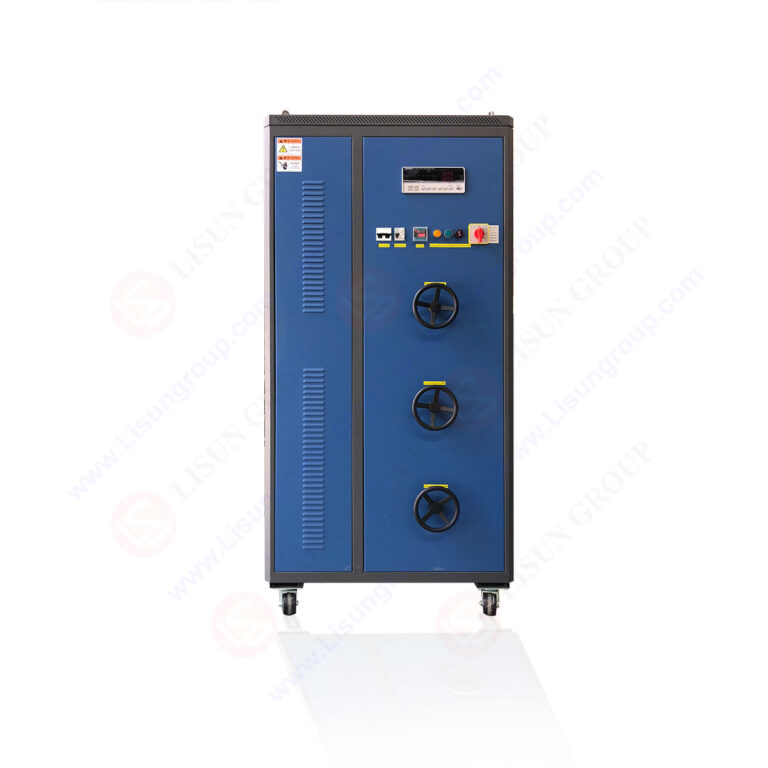
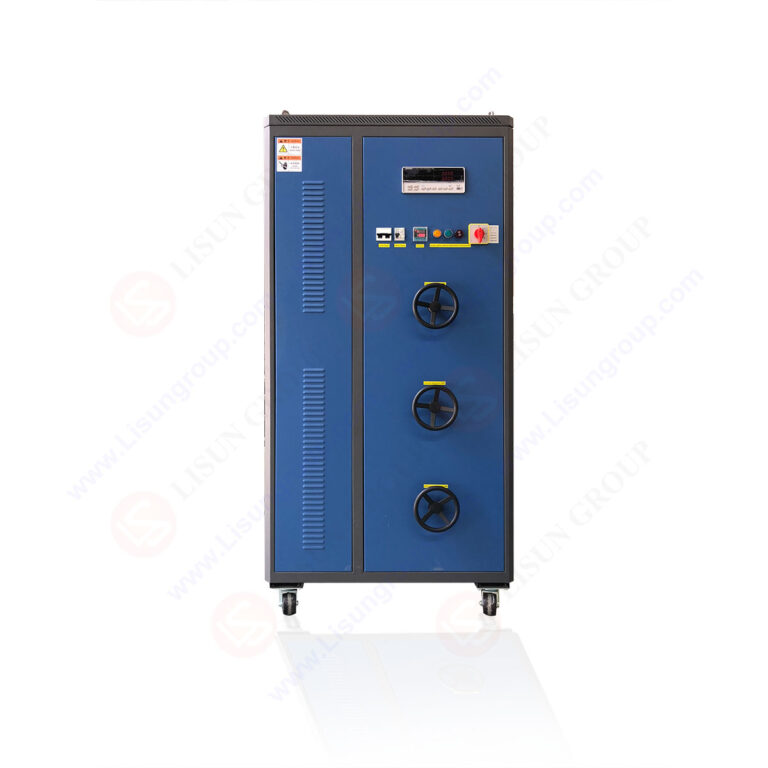
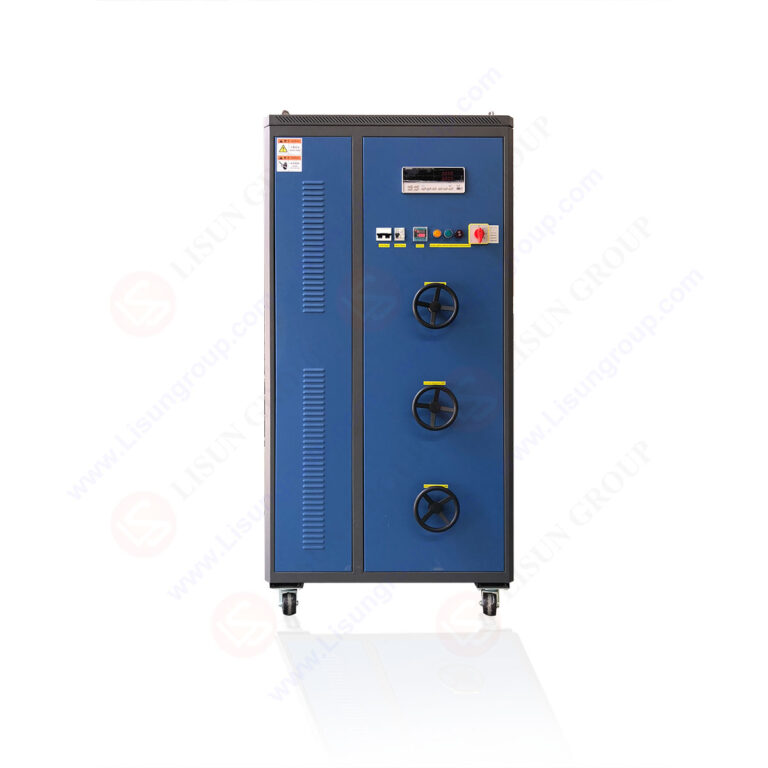
The LISUN JL-XC Series Waterproof Test Chamber exemplifies the engineering required for reliable, standards-compliant IPX validation. This integrated apparatus is designed to perform a comprehensive range of IPX tests, from IPX1 through IPX9K, within a single, modular platform. Its architecture is predicated on eliminating variables and ensuring repeatability, which is paramount for certification laboratories and quality assurance departments.
Specifications and Testing Principles: The JL-XC Series typically features a stainless-steel test chamber, a rotary table with adjustable speed (for IPX3/IPX4 spray distribution), and a separate pressure jet system. Its integrated high-pressure pump, boiler, and water filtration system are engineered to deliver the exacting conditions for IPX9K testing: water at 80°C ±5°C, pressurized to 8-10 MPa (80-100 bar), delivered via four specific 0.8mm nozzles at angles of 0°, 30°, 60°, and 90° relative to the DUT. The distance from nozzle to DUT is fixed at 100-150mm, and the table rotates at 5 ±1 rpm to ensure uniform coverage. For immersion testing (IPX7/IPX8), a separate immersion tank or integrated lift mechanism is used, with precise depth control and timing.
Industry Use Cases: The versatility of the JL-XC Series makes it applicable across the high-stakes validation landscape. In Automotive Electronics, it is used to test electronic control units (ECUs), sensors, and connectors for resistance to underbody spray and engine bay cleaning. Lighting Fixture manufacturers employ it to validate the integrity of outdoor and industrial luminaires against driving rain. For Aerospace and Aviation Components, the IPX9K function validates components that must endure aggressive de-icing or cleaning procedures. Medical Device manufacturers use the lower IPX ratings to ensure splash resistance for bedside monitors or surgical tool housings.
Competitive Advantages: The JL-XC Series distinguishes itself through integrated automation and calibration fidelity. Its programmable logic controller (PLC) and touch-screen Human-Machine Interface (HMI) allow for the storage of pre-set test programs for each IPX level, minimizing operator error. The system’s calibration traceability to national standards ensures audit compliance. Furthermore, its modular design—where jet, spray, and immersion functions are consolidated—reduces laboratory footprint and capital expenditure compared to procuring multiple single-function testers. The precision in controlling water temperature, pressure, and dwell time directly correlates to the reliability of the test outcome, reducing false passes or failures that could lead to field recalls.
Correlation Between IPX Ratings and Product Lifecycle Reliability
Specifying an appropriate IPX rating is a fundamental exercise in reliability engineering and risk mitigation. An under-specified enclosure leads to premature failure, safety hazards, and warranty claims. Over-specification incurs unnecessary material and manufacturing costs, such as the use of complex gasketing, potting compounds, or over-molding. For instance, an indoor Electrical Component like a switch may only require IPX2 for drip resistance, whereas a Telecommunications junction box for a 5G small cell on a streetlamp would necessitate at least IPX5 for jet spray resistance. Industrial Control Systems in food processing plants often require IPX6/IPX9K for washdown environments.
The validation data generated by apparatus like the JL-XC Series feeds directly into Failure Modes and Effects Analysis (FMEA) and design verification plans. A quantitative record of test pressure, duration, and pass/fail status provides objective evidence for regulatory submissions (e.g., with the FDA for Medical Devices or ECE regulations for Automotive Electronics) and supply chain qualification.
Navigating Common Misconceptions and Specification Pitfalls
A prevalent misconception is equating a high IPX rating with overall environmental toughness. An IPX8-rated device, while sealed for prolonged immersion, may have no rating for dust ingress (first digit) and could be vulnerable to particulate contamination in industrial settings. Another pitfall involves misunderstanding the test conditions; IPX7 immersion does not imply pressure resistance equivalent to IPX6. A device surviving 1-meter immersion may fail if subjected to a high-pressure jet, as the sealing mechanism may be designed for static pressure, not dynamic impact force. Therefore, dual ratings like IP66/IP67 are common, indicating full dust-tightness and protection against both powerful jets and temporary immersion.
Furthermore, the standard assesses protection under laboratory conditions. Real-world factors like UV degradation of seals, thermal cycling, mechanical vibration, and chemical exposure are not evaluated. A comprehensive environmental testing strategy must therefore supplement IPX testing with other standards (e.g., ISO 16750 for automotive, MIL-STD-810 for aerospace) to ensure product durability throughout its operational lifecycle.
The Role of Standardized Testing in Global Market Access
Compliance with IEC 60529, and its regional equivalents, is frequently a mandatory requirement for market access. The CE marking in the European Union, the KC mark in South Korea, and various product safety certifications globally often mandate declared IP ratings be verified through testing. The use of calibrated, compliant equipment like the JL-XC Series provides the necessary documentation trail for these certifications. In litigation or warranty dispute scenarios, a certified test report from a recognized laboratory using accredited apparatus serves as definitive evidence of due diligence in product design.
For manufacturers of Cable and Wiring Systems, Household Appliances, and Office Equipment, a clear IP rating is also a powerful marketing tool, communicating product robustness to distributors and end-users. It transforms a subjective claim of being “water-resistant” into an objective, internationally understood benchmark of performance.
Future Trajectories in Ingress Protection Testing
The evolution of technology drives the evolution of testing standards. The proliferation of electric vehicles (EVs) with high-voltage battery systems and sensitive onboard electronics is placing new emphasis on IPX9K testing for under-chassis components. The growth of the Internet of Things (IoT), with myriads of sensors deployed in harsh outdoor and industrial environments, demands reliable, cost-effective sealing validated by IPX5/IPX6 tests. Testing apparatus must, in turn, evolve, with trends pointing toward greater automation, data integration with Manufacturing Execution Systems (MES), and the development of test protocols for new threats, such as high-velocity water ingress in extreme weather conditions.
FAQ Section
Q1: For a product that must withstand both powerful water jets and temporary immersion, what testing sequence should be followed?
A: IEC 60529 recommends that where two digits are specified (e.g., IP66 and IP67), the tests are performed independently and in order of increasing severity. Typically, the jet test (IP6X) is conducted first, followed by the immersion test (IPX7). The specimen must be dried externally before the immersion test. It is crucial to verify that the initial jet test does not compromise the seals before immersion. A comprehensive testing apparatus can automate this sequence.
Q2: How is the “harmful effects” of water ingress defined during testing?
A: The standard defines harmful effects primarily from a safety and operational perspective. After testing, the enclosure is inspected. Ingress is considered harmful if water contacts live parts, insulation, or windings, or if it accumulates in quantities that could disrupt normal operation (e.g., short-circuiting PCBs, corroding contacts, or fogging optical elements). The final judgment often references the product’s safety standards.
Q3: Can the JL-XC Series test for both IPX6 and IPX9K, given both involve high-pressure jets?
A: Yes, but they are distinct tests. The JL-XC Series is designed with separate or adjustable systems to meet the different parameters. IPX6 uses a 12.5mm nozzle at 100 kPa from 3 meters. IPX9K uses four 0.8mm nozzles at 8-10 MPa from 0.1-0.15 meters with hot water. The apparatus must be capable of switching between these radically different pressure, flow, temperature, and nozzle configurations, which the JL-XC Series achieves through its modular, programmable design.
Q4: Is pre-conditioning, like thermal cycling or vibration, required before IPX testing?
A: IEC 60529 does not mandate pre-conditioning. However, many industry-specific qualification standards do. For example, automotive components (per ISO 20653) often require thermal cycling and vibration stress before waterproof testing to simulate aged seals and real-world mounting conditions. The IPX test itself is a verification of the enclosure’s design under “as new” lab conditions unless otherwise specified by a higher-level product standard.
Q5: What is the typical calibration interval for the critical parameters of a waterproof test chamber?
A: Calibration intervals are dictated by laboratory accreditation standards (like ISO/IEC 17025) and usage frequency. Key parameters—water pressure (for jets), flow rate, temperature (for IPX9K), table rotation speed, and timer accuracy—should typically be calibrated annually. Nozzle dimensions and alignment are critical and should be verified before high-precision certification testing. Maintaining a rigorous calibration schedule is essential for the validity of all test data generated.