


A Comprehensive Analysis of Ingress Protection (IP) Rating Standards: Principles, Testing Methodologies, and Industrial Applications
Introduction to Ingress Protection Codification
The Ingress Protection (IP) rating system, formalized under the International Electrotechnical Commission standard IEC 60529, provides a systematic and internationally recognized classification for the degree of protection offered by mechanical casings and electrical enclosures against the intrusion of solid foreign objects, dust, accidental contact, and water. This codification serves as a critical technical specification for designers, engineers, and procurement specialists across a multitude of industries. It facilitates unambiguous communication regarding the environmental resilience of a product, thereby informing suitability for specific operating conditions, from controlled indoor environments to harsh outdoor or industrial settings. The IP code is not a general quality indicator but a precise technical descriptor, the accurate verification of which necessitates rigorous and standardized laboratory testing.
Deciphering the IP Code Structure and Numerical Significance
An IP code is structured as “IP” followed by two characteristic numerals, and optionally, additional letters. The first numeral denotes the level of protection against solid particle ingress, while the second numeral specifies protection against liquid ingress. The absence of a specified protection level is indicated by the numeral “X”. It is imperative to note that the numerals are not cumulative but represent discrete test criteria; a higher second digit does not inherently imply compliance with the tests for lower digits, unless explicitly stated.
The first characteristic numeral ranges from 0 to 6. IP0X offers no special protection. IP1X protects against solid objects greater than 50mm in diameter (e.g., a hand). IP2X guards against fingers or objects larger than 12.5mm. IP3X provides protection against tools and wires greater than 2.5mm. IP4X is for objects larger than 1.0mm. IP5X, termed “dust protected,” permits limited dust ingress that does not interfere with normal operation. IP6X is “dust tight,” requiring a vacuum test to confirm no harmful dust penetration.
The second characteristic numeral, ranging from 0 to 9K, defines protection against moisture. IPX0 has no protection. IPX1 through IPX4 cover vertically falling drips (1), dripping water at a 15° tilt (2), spraying water at up to 60° from vertical (3), and splashing water from all directions (4). IPX5 and IPX6 involve water jets (6.3mm and 12.5mm nozzles, respectively) at specified pressures and distances. IPX7 and IPX8 define temporary (30 minutes at 1m depth) and continuous immersion, respectively, with the latter’s conditions defined by the manufacturer. IPX9K, detailed in IEC 60529 Edition 2.2, involves high-pressure, high-temperature water jets from close range, commonly required for automotive and industrial cleaning applications.
The Imperative of Standardized Laboratory Verification
Manufacturer self-declaration of an IP rating carries significant liability and risk. Without third-party or self-administered laboratory verification using calibrated equipment that precisely replicates the standard’s test parameters, any claimed rating is speculative. Discrepancies in water pressure, flow rate, nozzle distance, test duration, or dust chamber conditions can yield non-compliant products that fail prematurely in the field. This can lead to safety hazards, operational downtime, warranty claims, and reputational damage. Consequently, investment in certified testing equipment is not merely a compliance activity but a fundamental component of robust product development and quality assurance.
LISUN JL-XC Series: A Technical Benchmark for Water Ingress Testing
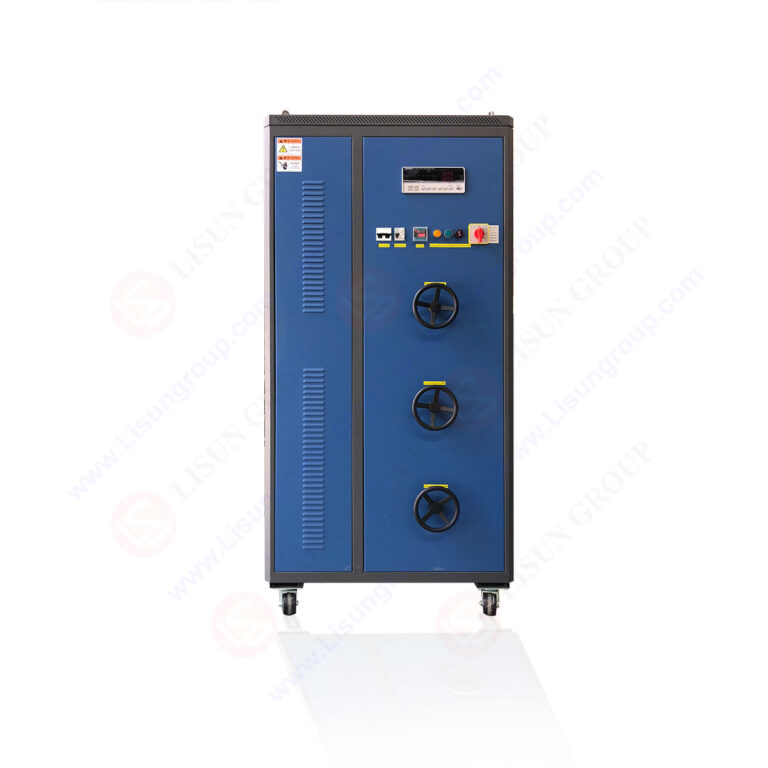
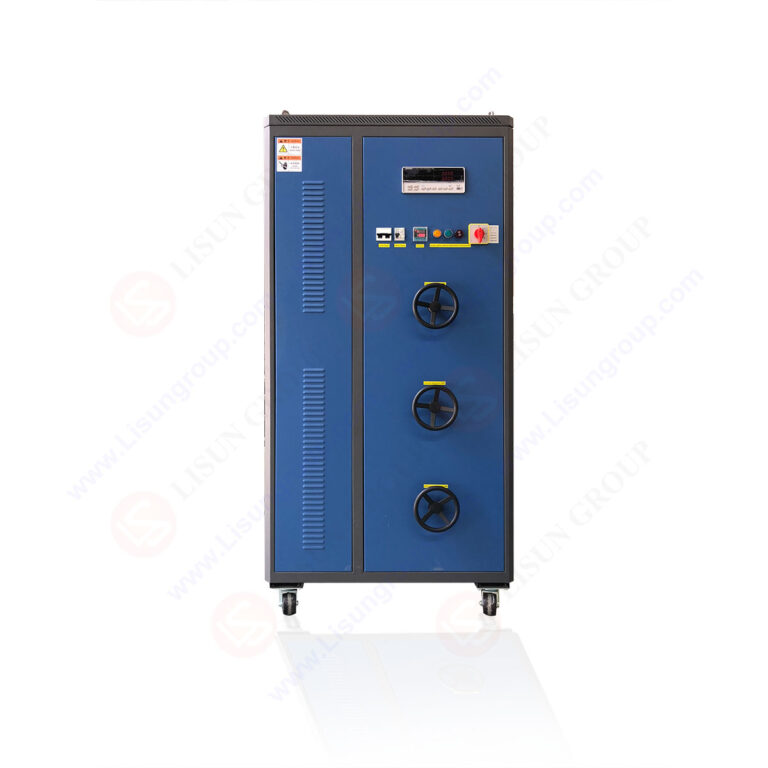
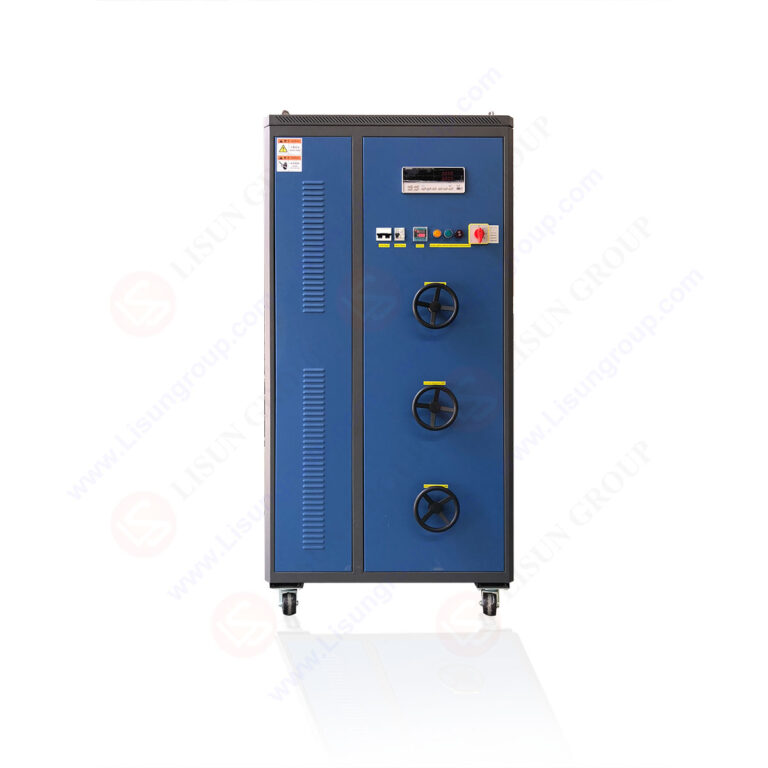
The LISUN JL-XC Series of waterproof test equipment exemplifies the engineering precision required for definitive IPX1 through IPX9K verification. This integrated test system is engineered to deliver the exacting conditions mandated by IEC 60529, ISO 20653 (automotive), and other derivative standards.
The system’s core principle involves the precise control and application of water under defined parameters. For IPX5/IPX6 testing, a high-pressure pump system delivers water at 12.5 L/min (30 kPa) and 100 L/min (100 kPa) respectively, via standardized nozzles mounted on a oscillating mechanism to ensure full coverage. For IPX7/IPX8 immersion testing, the JL-XC can be configured with pressurized immersion tanks where the test sample is subjected to controlled depths and durations. The most technologically advanced function is the IPX9K test, which utilizes four specialized 0.8mm nozzles delivering water at 80°C (±5°C), a pressure of 8-10 MPa (80-100 bar), and a flow rate of 14-16 L/min. The sample is rotated on a turntable at approximately 5 rpm, with the nozzles positioned at specific angles (0°, 30°, 60°, and 90°) and distances (100-150mm), creating a high-impact, high-temperature cleaning simulation.
Key specifications of the JL-XC Series include a stainless-steel test chamber, a PLC-based touchscreen control system for programmable test cycles, precision pressure and flow sensors with real-time feedback, and a water filtration and temperature control system for the IPX9K module. Its competitive advantage lies in its modular, all-in-one design, allowing a single system to conduct tests from gentle drip (IPX1) to aggressive high-pressure steam cleaning (IPX9K), saving laboratory space and streamlining the validation workflow. This is particularly critical for manufacturers producing components with multiple IP rating requirements.
Industrial Applications and Compliance Requirements
The application of IP ratings is pervasive across modern technology sectors. In Automotive Electronics, components like sensors, control units (ECUs), and connectors often require IP6K9K (per ISO 20653) to withstand high-pressure underbody washing and engine compartment conditions. Lighting Fixtures for outdoor, marine, or industrial use frequently demand IP65 (dust-tight and protected against water jets) or IP67 for submerged applications. Medical Devices, both for hospital use and portable diagnostics, may require IP22 or IP23 for basic splash resistance in wards, up to IP68 for surgical tools undergoing sterilization or implantable devices.
Household Appliances such as electric toothbrushes (IPX7), outdoor security cameras (IP66/67), and kitchen blenders (IPX4) rely on specific ratings. Telecommunications Equipment, including outdoor base station antennas and fiber optic junction boxes, typically mandate IP65 or higher. Industrial Control Systems and enclosures for factory automation are commonly rated IP54 (dust-protected and resistant to splashing) or IP65 for harsh environments. Aerospace and Aviation Components must resist condensation, humidity, and potential fluid spills, often requiring validated IP ratings as part of broader DO-160 or MIL-STD environmental testing protocols.
Methodological Considerations and Testing Limitations
A critical understanding for specifiers is that an IP rating is awarded for a specific test configuration. An IP67-rated device, proven to withstand 30 minutes at 1-meter depth, is not necessarily rated for IP66 water jetting, as the nature of the water force differs. Conversely, an IP66 device is not rated for immersion. For comprehensive protection against both jets and immersion, a dual rating (e.g., IP66/IP68) must be explicitly tested and declared. Furthermore, the standard does not account for other environmental factors such as corrosion, UV degradation, mechanical shock, or thermal cycling, which must be evaluated through complementary standards like IEC 60068. The test is also conducted on new, clean equipment; long-term performance can be affected by seal degradation, wear, and material fatigue.
Integrating IP Validation into the Product Development Lifecycle
Proactive IP testing integration mitigates downstream risk. Design for manufacturability (DFM) principles must account for seal selection, gasket design, venting strategies (using hydrophobic membranes), and joint integrity. Prototype testing using equipment like the JL-XC Series allows for iterative design improvements before tooling is finalized. Production line sampling for ongoing verification ensures consistent quality. This end-to-end approach, grounded in empirical laboratory data, transforms the IP rating from a marketing claim into a verified, reliable product attribute.
Conclusion
The IP rating system is an indispensable engineering tool for defining environmental resilience. Its value is wholly dependent on the accuracy and integrity of the testing process. As product ecosystems become more interconnected and deployed in increasingly diverse environments, the demand for precise, reliable, and verifiable ingress protection will only intensify. The utilization of sophisticated, standards-compliant test apparatus is therefore a cornerstone of modern electrical and electronic engineering, quality assurance, and regulatory compliance across the global industrial landscape.
FAQ Section
Q1: Can the LISUN JL-XC Series test for both dust (first digit) and water (second digit) ingress?
A: The JL-XC Series is specifically engineered for waterproof testing (IP second digit). Testing for solid particle ingress (IP first digit) requires separate, specialized equipment such as a dust test chamber, which operates on different principles involving talcum powder and controlled vacuum or pressure differentials.
Q2: For an IPX9K test, why is water temperature (80°C) a critical parameter?
A: The high temperature replicates the conditions of industrial or automotive high-pressure steam cleaning processes. It tests not only for water ingress under extreme pressure but also evaluates the thermal shock resistance of the enclosure materials and seals, which can expand, contract, or degrade under rapid temperature changes.
Q3: How often should test equipment like the JL-XC Series be calibrated to ensure compliance?
A: Calibration intervals are dictated by use frequency, quality system requirements (e.g., ISO 17025), and regulatory mandates. Typically, annual calibration by an accredited laboratory is recommended for critical parameters: water pressure transducers, flow meters, temperature sensors, and timer functions. A routine daily or weekly verification check using master gauges is also considered best practice.
Q4: When testing a device for IPX7 (immersion), does the standard specify the water’s composition or conductivity?
A: IEC 60529 does not specify water purity for IPX7 or IPX8 tests. However, for electrical safety and to prevent corrosion during test, it is common practice to use deionized or distilled water. If the test is intended to simulate a specific environment (e.g., seawater), that should be noted in the test report, but it falls outside the baseline IP code definition.
Q5: Can a product with movable parts (like a rotating connector) be IP-rated?
A: Yes, but the rating is only valid for the specific configuration tested. The standard requires testing in the “as used” state. If a cover is opened during normal operation, the rating likely only applies when it is closed and secured. The test must be performed with movable parts in their intended operational state, and the rating documentation should clarify any such conditions.