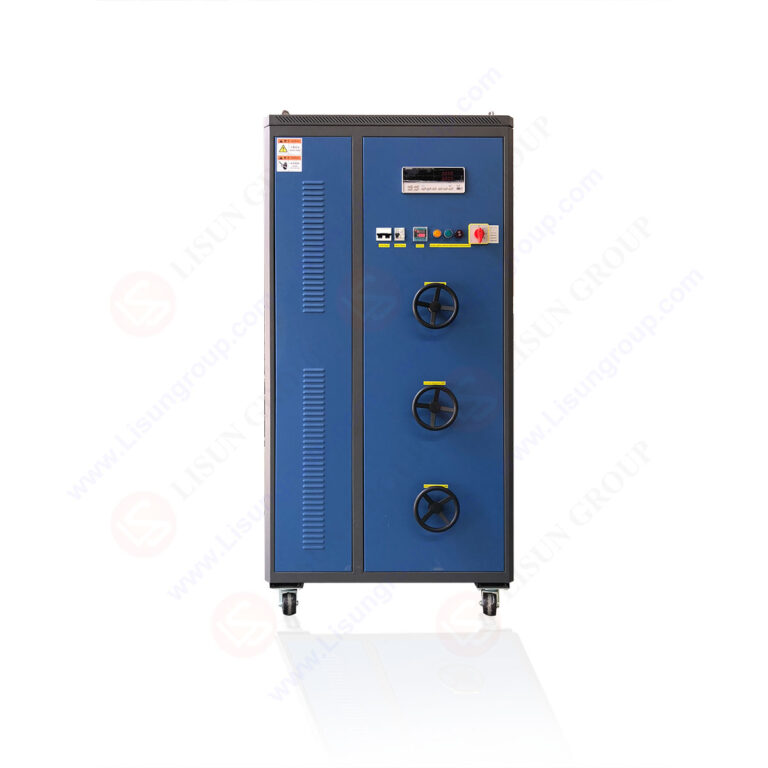



Understanding Xenon Arc Test Chambers for Material Durability Evaluation
Introduction to Accelerated Weathering and Photostability Testing
The long-term performance and aesthetic integrity of materials exposed to environmental stressors are critical concerns across numerous manufacturing sectors. Natural weathering, driven primarily by solar radiation, temperature fluctuations, moisture, and atmospheric pollutants, induces degradation mechanisms such as color fading, loss of gloss, chalking, cracking, and embrittlement. Relying solely on real-time outdoor exposure for durability validation is impractical due to its protracted timeframe, which can span years, and the inherent variability of climatic conditions. Consequently, accelerated weathering test chambers have become indispensable tools for predicting material service life. Among these, xenon arc test chambers represent the most technologically advanced simulation of full-spectrum sunlight, providing a controlled, reproducible, and accelerated environment to evaluate photostability and weatherability.
Fundamental Principles of Xenon Arc Radiation Simulation
Xenon arc lamps are employed due to their spectral power distribution (SPD), which can be modified using optical filters to closely match various sunlight conditions. The core principle involves passing an electric current through xenon gas under high pressure within a quartz envelope, producing a broad continuum of radiation from the ultraviolet (UV) through the visible and into the infrared (IR) regions. This output is superior to other artificial light sources, such as fluorescent UV lamps, which emit only narrow-band UV, or metal halide lamps, which lack spectral continuity. By selecting appropriate filters—such as Daylight Filters (e.g., Quartz/Borosilicate) to simulate direct noon sunlight or Window Glass Filters to replicate sunlight filtered through standard glazing—the chamber can be tailored for specific application environments. The fidelity of this spectral match is paramount, as material degradation is a wavelength-specific phenomenon; UV radiation, particularly in the 295-400 nm range, is the primary driver of photochemical reactions like polymer chain scission and pigment oxidation.
Integrated Environmental Stress Factors in a Test Chamber
A state-of-the-art xenon arc chamber does not merely provide light exposure. It is an environmental simulation system that concurrently controls temperature, relative humidity, and in many cases, simulated rain via water spray cycles. This multi-factor approach is essential because degradation is seldom the result of light alone. Synergistic effects are profound: elevated temperature accelerates molecular motion and chemical reaction rates, moisture induces hydrolytic degradation and physical stress through swelling and contraction, and cyclic water spray can cause thermal shock and leach out additives. Advanced chambers precisely regulate black standard temperature (BST) or black panel temperature (BPT), which represents the temperature of an irradiated, dark specimen, and chamber air temperature. Independent control of relative humidity, often via a dewpoint system, allows for simulation of high-humidity climates or dry, arid conditions. This comprehensive simulation enables the chamber to replicate the complex interplay of factors encountered in real-world service environments, from the arid heat of an automotive dashboard to the humid, sunny conditions of an outdoor lighting fixture housing.
Correlation to International Testing Standards
The operation and calibration of xenon arc test chambers are governed by a rigorous framework of international standards, which ensure consistency, repeatability, and meaningful inter-laboratory comparison of results. These standards prescribe specific parameters for irradiance level, spectral filtering, temperature, humidity cycles, and light/dark periods. Key standards include:
- ISO 4892-2: Plastics — Methods of exposure to laboratory light sources — Part 2: Xenon-arc lamps.
- ASTM G155: Standard Practice for Operating Xenon Arc Light Apparatus for Exposure of Non-Metallic Materials.
- ASTM D7869: Standard Practice for Xenon Arc Exposure Test with Enhanced Light and Water Exposure for Transportation Coatings.
- IEC 60068-2-5: Environmental testing — Part 2-5: Tests — Test S: Simulated solar radiation at ground level and guidance for solar radiation testing.
- AATCC TM16: Colorfastness to Light.
- SAE J2527: Performance Based Standard for Accelerated Exposure of Automotive Exterior Materials Using a Controlled Irradiance Xenon Arc Apparatus.
Compliance with these standards is non-negotiable for laboratories serving global supply chains, as it forms the basis for material specifications and warranty validation.
The Critical Role of the HLST-500D Thermal Shock Test Chamber in Complementary Testing
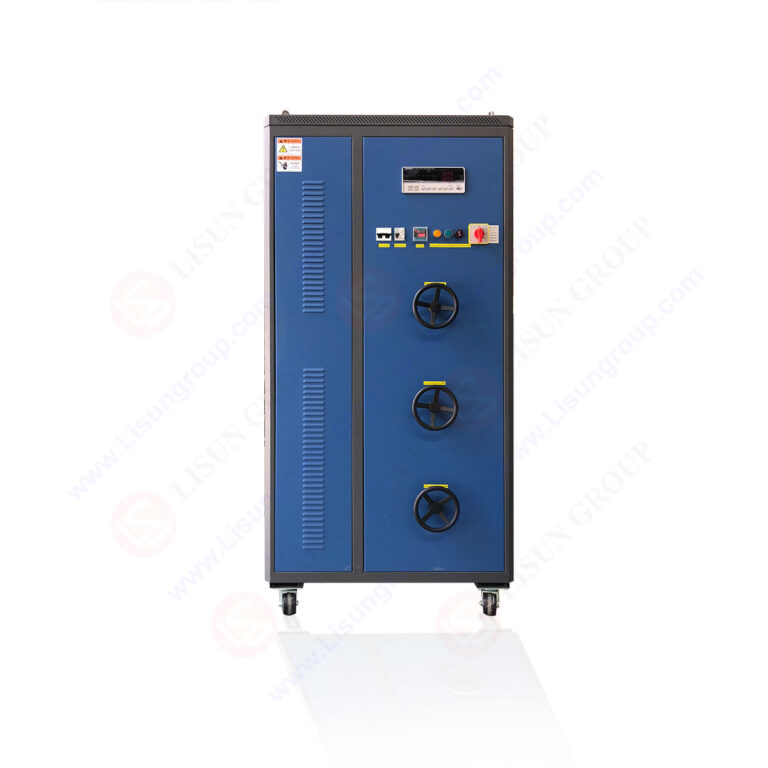
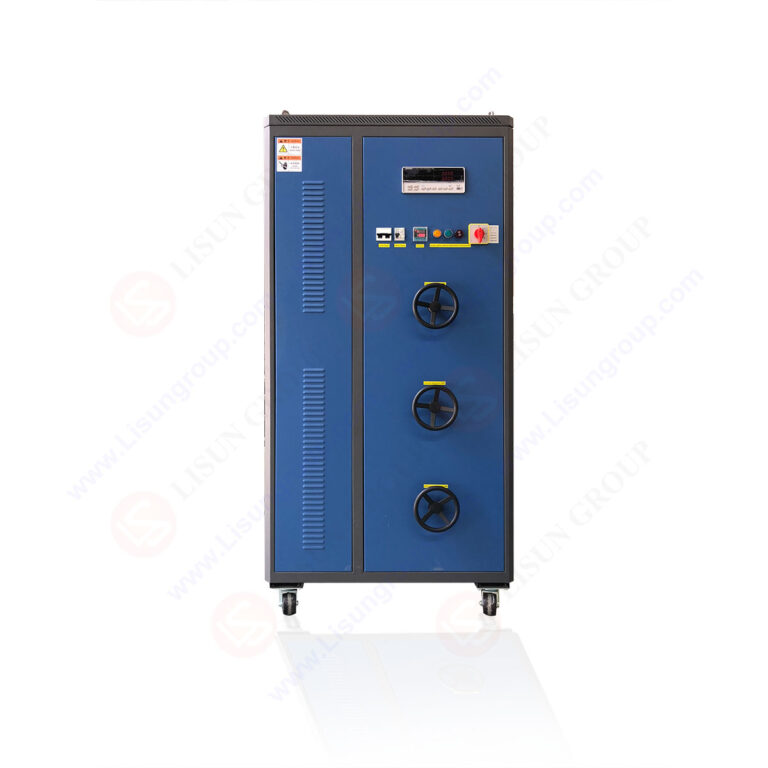
While xenon arc testing excels at simulating long-term, continuous environmental exposure, many materials and components face a more severe, cyclical stress profile characterized by extreme and rapid temperature transitions. This is particularly relevant for Electrical and Electronic Equipment, Automotive Electronics, Aerospace and Aviation Components, and Telecommunications Equipment, where operational reliability across disparate climates is paramount. The LISUN HLST-500D Thermal Shock Test Chamber is engineered specifically for this purpose, performing a critical complementary function to weatherability testing.
The HLST-500D employs a three-zone (high-temperature zone, low-temperature zone, test zone) basket transfer system. Test specimens are rapidly shuttled between independently controlled extreme temperature environments. This induces severe mechanical stresses due to the differential coefficients of thermal expansion (CTE) of dissimilar materials within an assembly, potentially leading to solder joint fatigue, ceramic substrate cracking, delamination of printed circuit boards (PCBs), and failure of encapsulated components.
HLST-500D Specifications and Testing Principle:
- Temperature Range: High temperature chamber: +60°C to +200°C; Low temperature chamber: -10°C to -65°C (or -80°C with optional LN2 cooling).
- Recovery Time: ≤5 minutes (from +150°C to -55°C or vice-versa, after specimen transfer).
- Transfer Time: <10 seconds (mechanical basket movement between zones).
- Control System: Programmable touch-screen controller for defining dwell times, cycle counts, and temperature extremes.
- Chamber Volume: 500 Liters (test zone).
- Air Circulation: Forced air circulation within each zone to ensure temperature uniformity.
The testing principle is one of accelerated fatigue. A single cycle might involve a 30-minute dwell at +125°C (simulating engine bay or high-power operation), a sub-10-second transfer, followed by a 30-minute dwell at -55°C (simulating arctic conditions or high-altitude flight), and a return transfer. Hundreds or thousands of such cycles are conducted in days or weeks, simulating years of field service and identifying latent manufacturing defects or design weaknesses.
Industry-Specific Applications and Use Cases
The combined insights from xenon arc durability testing and HLST-500D thermal shock testing provide a comprehensive reliability assessment.
- Automotive Electronics: Xenon arc tests evaluate the fading and cracking of dashboard displays, control panel overlays, and exterior plastic trims. The HLST-500D assesses the reliability of engine control units (ECUs), sensors, and infotainment systems subjected to temperature swings from desert heat to cold starts.
- Aerospace and Aviation: Components are tested for resistance to intense high-altitude UV radiation and for survival through rapid decompression and temperature cycles.
- Lighting Fixtures: Xenon chambers test the yellowing and embrittlement of LED lens covers and outdoor housing. Thermal shock tests the integrity of solder connections within the LED driver circuitry.
- Medical Devices: Housing materials for portable or implantable devices are evaluated for color stability and mechanical integrity under sterilizing UV exposure and bodily temperature fluctuations.
- Electrical Components & Telecommunications: Connectors, switches, and socket housings are tested for UV degradation. Internal assemblies, such as relays and RF modules, undergo thermal shock to validate connection integrity.
- Cable and Wiring Systems: Insulation and jacketing materials are exposed to xenon arc to prevent cracking and loss of dielectric properties. Thermal shock tests the bond between conductors and insulation.
Competitive Advantages of the HLST-500D in a Testing Regimen
The HLST-500D differentiates itself through several key engineering features that enhance test accuracy, reliability, and operational efficiency. Its dual-induction cooling system for the low-temperature zone ensures stable performance and reduced energy consumption compared to single-compressor designs. The precision-guided basket transfer mechanism minimizes vibration during the critical transfer phase, preventing spurious mechanical shock to specimens. Furthermore, its large 500-liter test volume accommodates full-sized sub-assemblies or high-volume batch testing of smaller components, such as batches of Electrical Components or Industrial Control Systems modules, improving laboratory throughput. The chamber’s compliance with foundational standards like IEC 60068-2-1 (Cold) and IEC 60068-2-2 (Dry Heat) ensures its results are recognized within international qualification frameworks.
Data Acquisition, Analysis, and Failure Mode Characterization
Quantifying degradation is essential. During xenon arc testing, periodic measurements are taken using spectrophotometers (for color ΔE and yellowness index), glossmeters, and mechanical testers (for tensile strength, elongation). For thermal shock, functional testing and visual inspection (microscopy for crack detection) are performed at intervals. Failure modes are meticulously documented—whether cohesive failure of a coating, interfacial adhesion loss, catastrophic component fracture, or parametric drift in an electronic device. This data is used to establish pass/fail criteria, compare material formulations, and generate predictive models for service life.
Conclusion: A Synergistic Approach to Reliability Engineering
Material durability evaluation in the modern industrial context is not a singular test but a regimen of complementary stressors. Xenon arc test chambers remain the benchmark for simulating the photochemical and hygrothermal effects of long-term outdoor exposure on material surfaces. When combined with the extreme thermal cycling capability of a chamber like the HLST-500D, engineers can de-risk product development by uncovering failures related to both gradual environmental degradation and acute thermo-mechanical fatigue. This dual approach provides a robust validation strategy, ensuring that products ranging from Consumer Electronics to Aerospace and Aviation Components meet stringent reliability expectations, comply with global standards, and ultimately, endure in their intended operational environments.
FAQ Section
Q1: How does the HLST-500D Thermal Shock Chamber differ from a standard temperature cycling chamber?
A: The primary distinction is the rate of temperature change. A standard temperature cycling chamber typically has a slower ramp rate (e.g., 1-3°C per minute) as a single chamber heats and cools. The HLST-500D uses two pre-conditioned extreme-temperature zones and rapidly transfers specimens between them, achieving a transition speed measured in seconds. This induces more severe thermal stress, making it suitable for testing the robustness of solder joints and material interfaces under extreme conditions.
Q2: Can the HLST-500D be used to test powered devices during the thermal shock cycle?
A: While the primary design is for passive exposure, many units, including the HLST-500D, can be specified with electrical feed-through ports. This allows for in-situ powering and monitoring of Telecommunications Equipment or Automotive Electronics modules during the test, enabling functional testing at temperature extremes without interrupting the cycle to remove specimens.
Q3: What standards is the HLST-500D compliant with, and is calibration required?
A: The chamber is designed to meet the test conditions stipulated in standards such as IEC 60068-2-14 (Change of Temperature), MIL-STD-202, and various automotive OEM specifications. Like all precision environmental test equipment, regular annual calibration by accredited personnel is mandatory to maintain traceability to national standards and ensure the validity of test data for audit and certification purposes.
Q4: For a new plastic housing material, should we prioritize xenon arc testing or thermal shock testing?
A: The priority depends on the application. For an exterior automotive component or an Outdoor Lighting Fixture, xenon arc testing for UV resistance, colorfastness, and hydrolytic stability is paramount. For an internal electronic enclosure in an Industrial Control System that may experience power cycling heat and cold ambient conditions, thermal shock testing for structural integrity may be more relevant. A comprehensive evaluation often includes both, sequenced appropriately.