


Advanced Water Analysis Instruments: Principles, Applications, and the Critical Role of IPX9K High-Pressure, High-Temperature Water Jet Testing
Introduction: The Imperative of Robust Water Ingress Protection
In an era defined by the proliferation of electronics across every facet of industrial and consumer life, the reliability of these systems under environmental stress is non-negotiable. Among environmental factors, water ingress represents a particularly pervasive and destructive threat. It can precipitate immediate catastrophic failure through short-circuiting or induce latent degradation via corrosion, dendritic growth, and electrochemical migration. Consequently, advanced water analysis instruments, specifically environmental test chambers designed to simulate water exposure, have evolved from simple spray booths to highly sophisticated systems capable of replicating extreme real-world conditions. These instruments are foundational to validating Ingress Protection (IP) codes as per IEC 60529 and other stringent standards, ensuring that products from automotive control units to surgical devices perform as intended throughout their operational lifespan. This technical examination delves into the methodologies of modern water testing, with a focused analysis on high-performance testing regimes and the instrumentation that enables them.
The Evolution of IPX Testing: From Drip to High-Pressure Jet Simulation
The IP code system provides a standardized taxonomy for sealing effectiveness. The second numeral, pertaining to water protection, ranges from 1 (vertical dripping) to 9K (powerful high-temperature water jets). While lower-level tests (IPX1-X4) address condensation and light rain, higher-level tests confront more aggressive scenarios. IPX5 and IPX6 involve directed water jets from a standard nozzle at specified distances and flow rates, simulating exposure to heavy seas or powerful water jets for cleaning. However, the IPX9K test, defined initially by DIN 40050-9 and later incorporated into IEC 60529, represents the apex of this testing hierarchy. It is designed for equipment expected to withstand high-pressure, high-temperature wash-down procedures, common in industrial, agricultural, and vehicular contexts. The test parameters are severe: water jets are delivered at 80-100 bar (1160-1450 psi), with a flow rate of 14-16 L/min, at a water temperature of 80°C ±5°C. The specimen is subjected to this onslaught from four angles (0°, 30°, 60°, and 90°) at a distance of 0.10-0.15 meters for 30 seconds per angle. This regimen validates not just sealing integrity against pressure, but also thermal shock resistance.
Deconstructing the JL-9K1L High-Pressure, High-Temperature Water Jet Test Chamber
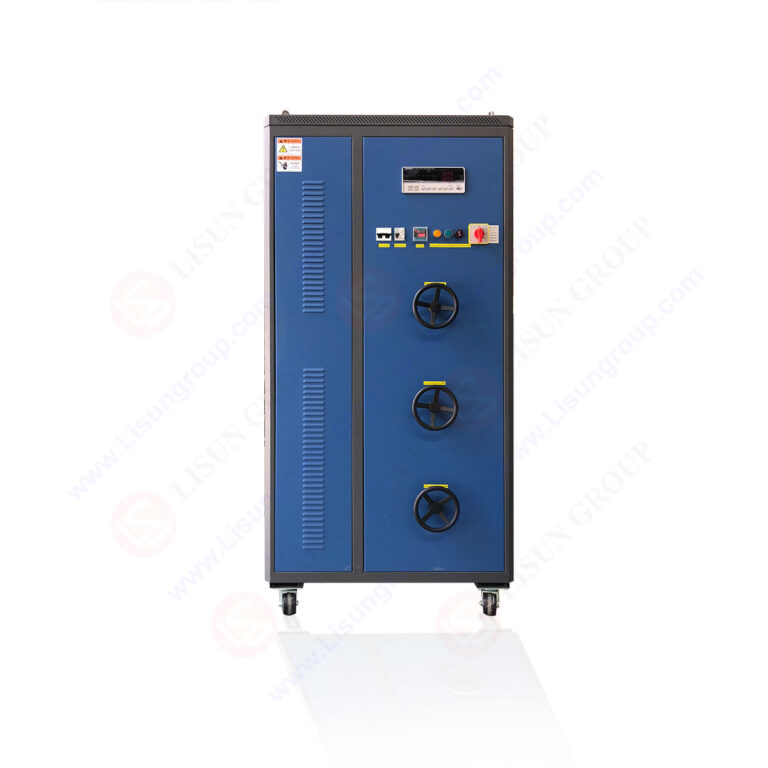
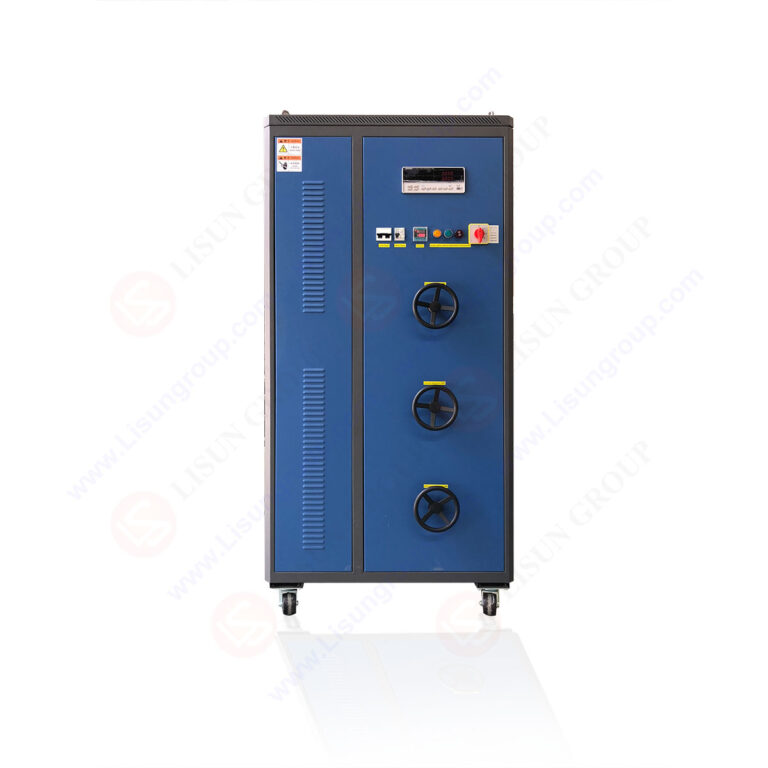
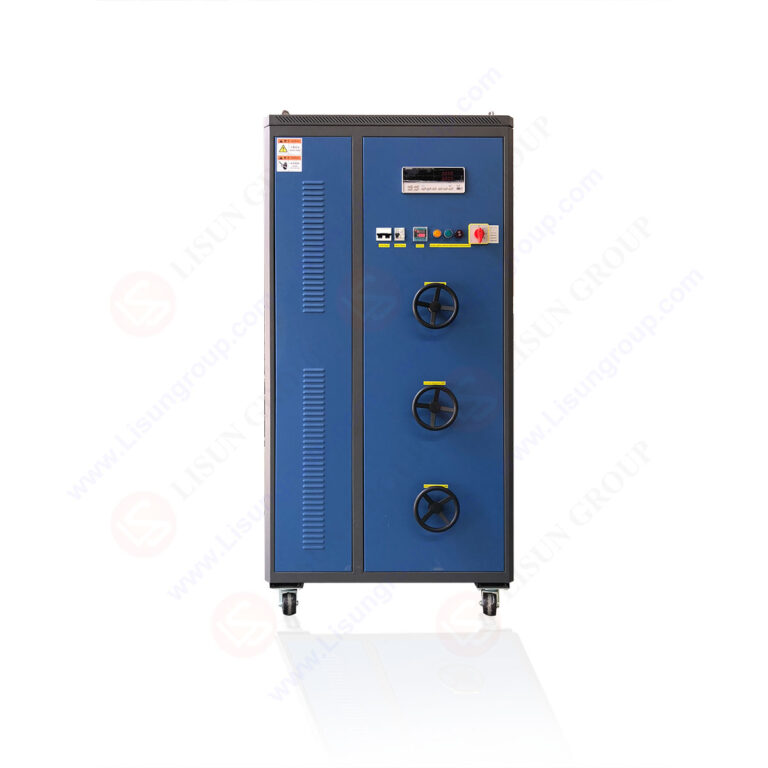
A representative instrument engineered to meet these exacting requirements is the LISUN JL-9K1L High-Pressure, High-Temperature Water Jet Test Chamber. This system is architected to execute IPX9K testing with precise adherence to standardized parameters, providing reproducible and auditable results for quality assurance and certification purposes.
Core Specifications and Operational Architecture
The JL-9K1L is characterized by its robust construction and integrated control systems. The test chamber is fabricated from SUS304 stainless steel, selected for its corrosion resistance and structural stability under thermal cycling. A critical component is the high-pressure piston pump, capable of generating and maintaining the required 80-100 bar pressure consistently throughout the test cycle. The system incorporates a thermostatically controlled water heating and storage tank, ensuring the test medium is held at the stipulated 80°C prior to and during jet application.
The fixture table is motorized, allowing for programmable, automatic rotation between the four specified test angles (0°, 30°, 60°, 90°) with precise dwell times. This automation eliminates operator variance and ensures uniform exposure. The water jet nozzle conforms to the dimensional specifications of the standard, and the critical distance between nozzle and specimen is meticulously set and maintained via the chamber’s design. A closed-loop water filtration and recirculation system is typically integrated to conserve water and maintain purity, preventing nozzle clogging. Control is managed through a programmable logic controller (PLC) with a human-machine interface (HMI) touchscreen, allowing for the setting, monitoring, and logging of all test parameters: pressure, temperature, angle sequence, and duration.
Underlying Testing Principles and Physical Stresses
The test principle of the JL-9K1L, and IPX9K testing generally, is not merely hydrodynamic penetration but a compound stress application. The primary stress is the immense kinetic energy of the water jet, which seeks to force water past seals, gaskets, and microscopic gaps in housing assemblies. The simultaneous thermal stress is significant; the 80°C water introduces a rapid thermal shock to external components and can elevate internal temperatures if ingress occurs, potentially damaging sensitive electronics. Furthermore, the test evaluates the durability of seals and materials against near-scalding temperatures, which can accelerate the pliability loss of elastomers. The sequential angling of the jets ensures that every potential ingress path on the exposed surfaces is challenged, simulating a real-world wash-down from multiple directions.
Industry-Specific Applications and Validation Use Cases
The applicability of IPX9K testing spans industries where equipment must endure rigorous cleaning or extreme weather.
- Automotive Electronics: Modern vehicles, especially electric and autonomous ones, house critical electronic control units (ECUs) for powertrain, braking (ABS/ESC), and advanced driver-assistance systems (ADAS). These are often mounted in underbody or engine bay locations. The JL-9K1L test validates that these ECUs can withstand high-pressure undercarriage washing and driving through deep puddles with hot water spray.
- Industrial Control Systems & Electrical Components: Control panels, motor drives, sensors, and industrial switches installed in food processing plants, chemical facilities, or agricultural machinery are subject to daily high-pressure, high-temperature steam cleaning for hygiene and maintenance. IPX9K certification, verified using instruments like the JL-9K1L, is frequently a mandatory procurement specification.
- Aerospace and Aviation Components: While not exposed to routine wash-downs, aerospace components must survive extreme conditions. Landing gear electronics and external sensors can be subjected to high-pressure, high-temperature fluid dynamics during takeoff, landing, and flight through severe weather. This test provides a correlated validation.
- Lighting Fixtures: LED luminaires for industrial bay lighting, stadiums, or outdoor architectural applications require robust sealing. The test ensures that thermal cycling from the fixture’s own heat combined with external hot water exposure does not lead to seal failure, condensation, or corrosion.
- Medical Devices: Equipment such as surgical power tools, patient monitoring devices used in operating rooms, and dental equipment must withstand aggressive autoclave or chemical sterilization processes. While not identical, IPX9K testing provides a robust proxy for liquid ingress resistance under temperature.
- Telecommunications Equipment: 5G mmWave antennas and outdoor broadband hardware are deployed in environments where they may be cleaned with pressure washers. Ensuring signal integrity requires protecting internal RF components from moisture-induced degradation.
Competitive Advantages of Precision-Engineered Test Instrumentation
The value of a system like the JL-9K1L lies in its precision, reliability, and compliance, which translate directly into testing efficacy and operational efficiency.
- Standard-Compliant Validation: Its design is intrinsically aligned with IEC 60529 and DIN 40050-9, ensuring that test results are recognized by certification bodies (e.g., TÜV, UL) and customers globally. This eliminates disputes regarding test validity.
- Automated Reproducibility: The programmable, automated test cycle removes human error from the angle rotation and timing processes. This ensures that repeated tests on the same product or tests across different production batches yield consistent, comparable data.
- Integrated Data Logging: The ability to digitally log and store all test parameters (pressure, temperature curves, cycle steps) creates an immutable audit trail for quality documentation and failure analysis. This is critical for industries with strict regulatory oversight.
- Durability and Safety: The use of industrial-grade components, such as the stainless-steel chamber and high-pressure pump, ensures the instrument’s own longevity despite the harsh test conditions. Safety features, including pressure relief valves and secure chamber interlocks, protect operators.
- Operational Efficiency: The closed-loop water system reduces water consumption and utility costs compared to open systems, making sustained testing programs more economically viable.
Correlation Between Laboratory Testing and Field Failure Modes
The data generated by advanced instruments like the JL-9K1L allows engineers to perform predictive failure analysis. A test failure typically manifests as a measurable change—a drop in insulation resistance, a functional fault, or visible internal condensation. By correlating the specific test angle or parameter at which failure occurs, designers can identify weak points: a poorly designed gasket groove, an inadequately torqued fastener, or a vulnerable cable gland. This feedback loop drives iterative design improvements, leading to more robust products, reduced warranty claims, and enhanced brand reputation for reliability. For example, a failing insulation resistance test post-IPX9K on an automotive connector can lead to a redesign of the secondary seal, preventing future corrosion-related signal loss in the field.
Integration with Broader Environmental Stress Screening (ESS)
IPX9K testing is rarely performed in isolation. It is often a culminating validation within a broader Environmental Stress Screening (ESS) sequence. A product might first undergo thermal cycling (to stress solder joints and materials), followed by vibration (to test mechanical integrity), and then IPX9K testing. This sequence reveals synergistic failure modes that a single test might not uncover—for instance, a micro-crack in a potting compound induced by thermal cycling that then becomes a water ingress path during the subsequent high-pressure spray. The JL-9K1L, as a dedicated, precise instrument, provides the definitive data point in this chain regarding water ingress resistance.
Conclusion
The sophistication of modern electronic systems demands an equally sophisticated approach to environmental validation. Advanced water analysis instruments, particularly high-pressure, high-temperature test chambers such as the LISUN JL-9K1L, are indispensable tools in the engineering lifecycle. By accurately simulating the extreme conditions of industrial wash-downs and harsh operational environments, they provide the empirical data necessary to drive design excellence, ensure compliance with international standards, and ultimately deliver the reliability that end-users depend upon across critical industries. As technology continues to advance into more demanding applications, the role of precise, reliable, and standardized water ingress testing will only grow in importance.
Frequently Asked Questions (FAQ)
Q1: What is the key difference between IPX6 and IPX9K testing, and why can’t an IPX6-rated product be assumed to pass IPX9K?
IPX6 utilizes a 12.5mm nozzle at 100 L/min from 3 meters, focusing on high-volume water flow for temporary protection against heavy seas. IPX9K uses a specialized nozzle at 14-16 L/min but at 80-100 bar pressure and 80°C water from only 0.10-0.15 meters. The key differences are the order-of-magnitude higher pressure and the inclusion of high-temperature thermal shock in IPX9K. An IPX6 seal may fail catastrophically under the intense, focused pressure and heat of an IPX9K test, as the failure mechanisms are fundamentally different.
Q2: For a product with multiple cable entries, how should it be configured during an IPX9K test in the JL-9K1L?
The test should reflect the intended worst-case field configuration. Unless the standard under which the product is being evaluated specifies otherwise, cables should be installed using the specified glands, seals, and torque values as per the manufacturer’s instructions. The test then validates the complete assembly, including the cable entry points. Testing with open ports or temporary seals would not be representative and would yield invalid certification.
Q3: Can the JL-9K1L chamber be used for testing other IPX levels, such as IPX5 or IPX6?
While the JL-9K1L is specifically optimized for the parameters of IPX9K, some advanced chambers may offer modular nozzle systems or adjustable pressure/flow controls that allow them to be configured for lower IPX levels (e.g., IPX5/IPX6) by changing the nozzle and adjusting the pressure regulator. However, this is dependent on the specific design and capabilities of the instrument. It is essential to consult the manufacturer’s specifications to confirm multi-standard compliance.
Q4: What are the primary acceptance criteria after an IPX9K test?
Acceptance criteria are defined by the relevant product standard or technical specification. Commonly, they include: a) No ingress of water that could damage or impair safety (often assessed by a visual inspection for moisture inside the enclosure). b) Maintenance of electrical functionality per the product’s operational requirements. c) Meeting specific post-test electrical safety metrics, such as insulation resistance (e.g., >1 MΩ per IEC 60601-1 for medical devices) or dielectric strength (hipot) test limits. The criteria must be established prior to testing.