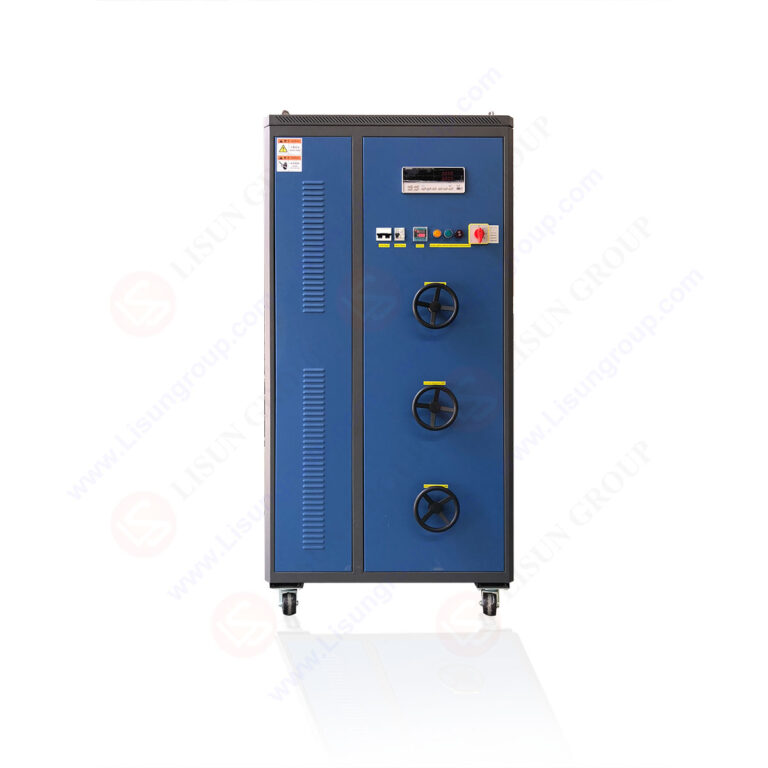



Selecting the Right Dustproof Test Equipment: A Technical Analysis of Methodologies and Implementation
The ingress of particulate matter—dust, sand, and other fine solids—represents a persistent and multifaceted threat to the operational integrity and longevity of a vast array of manufactured goods. From the subtle degradation of optical surfaces in medical imaging devices to the catastrophic failure of automotive control units in desert environments, the ability of an enclosure to resist particulate ingress is a non-negotiable design criterion. Consequently, dustproof testing, governed by stringent international standards, is a critical phase in the product validation lifecycle. The selection of appropriate dustproof test equipment is not a mere procedural checkbox but a fundamental engineering decision that directly influences test validity, repeatability, and ultimately, product reliability. This article provides a technical framework for this selection process, emphasizing the underlying principles, standards interpretation, and equipment capabilities required for rigorous compliance verification.
Understanding the Physics of Particulate Ingress and Relevant Standards
The fundamental challenge in dustproof testing lies in simulating, in a controlled laboratory setting, the complex environmental conditions a product may encounter throughout its service life. Particulate ingress is not a singular phenomenon but a combination of mechanisms including gravitational settling, pressure differential-induced flow (wind), and thermal cycling-induced “breathing.” The primary international standards addressing this are the IEC 60529 (equivalent to ISO 20653 and EN 60529), which defines the Ingress Protection (IP) code. The first numeral after “IP” denotes protection against solid objects, with codes IP5X and IP6X specifically addressing dust protection.
IP5X, “Dust Protected,” permits a limited amount of dust ingress, provided it does not interfere with the satisfactory operation of the equipment or impair safety. IP6X, “Dust Tight,” mandates that no dust shall enter the enclosure. The test methodology for both involves exposing the device to talcum powder in a sealed test chamber under specific conditions of air pressure differential and duration. It is critical to recognize that the standard prescribes the performance requirement and the test method, but not the precise engineering specifications of the equipment used to generate the test environment. This variance in equipment design and calibration is where selection criteria become paramount.
Critical Parameters in Dust Test Chamber Design and Selection
A dust test chamber is an integrated system whose performance hinges on the precise control and interaction of several key subsystems. Selecting equipment requires a detailed evaluation of each.
Chamber Volume and Geometry: The internal volume must be sufficient to accommodate the test specimen without obstructing the uniform distribution of dust. A common industry guideline suggests the specimen volume should not exceed 10% of the chamber’s free volume. Furthermore, chamber geometry should minimize dead zones where air circulation is poor, leading to inconsistent dust cloud density. A well-designed chamber incorporates rounded corners and strategically placed baffles to promote turbulent, even flow.
Dust Circulation and Fluidization System: This is the core of the apparatus. The system must generate and maintain a homogeneous, suspended cloud of test dust (typically talcum powder as per standard specification) for the duration of the test. Two primary methods exist: mechanical agitation (e.g., rotating paddles) and aerodynamic fluidization using a controlled vacuum/pressure cycle. The latter, often involving a venturi pump or similar, is generally preferred for its superior control and consistency. The system must be capable of maintaining the dust concentration within the limits defined by the standard (e.g., 2 kg/m³ for IP5X/IP6X) and verified by gravimetric analysis.
Pressure Differential Control: For IP5X and IP6X tests, the standard mandates the creation of a sustained pressure differential between the chamber interior and the exterior of the test specimen. For IP5X, a slight under-pressure (0.2 kPa or 20 mbar lower inside the chamber) is maintained to simulate gentle suction. For IP6X, a more significant under-pressure (2.0 kPa or 200 mbar) is applied, or alternatively, a vacuum is drawn inside the specimen itself. The equipment must include a sensitive pressure gauge (manometer) and a precise regulation system—often a combination of valves, pumps, and digital controllers—to maintain this differential within a tight tolerance (±5%) for the full test period, typically 2 to 8 hours.
Dust Filtration and Recovery: Post-test, the efficient and safe recovery of test dust is an operational necessity. High-quality equipment integrates a high-efficiency particulate air (HEPA) filtration system to evacuate dust from the chamber air before opening, protecting the operator and laboratory environment. A closed-loop recovery system for the talcum powder, while not mandated by the standard, enhances repeatability and reduces material waste and contamination risk.
The LISUN SC-015 Dust Sand Test Chamber: A System Analysis
The LISUN SC-015 exemplifies a modern, integrated approach to dustproof testing, designed to meet the exacting requirements of IEC 60529, ISO 20653, and related standards for IP5X and IP6X testing. Its design philosophy centers on precise environmental control, operational safety, and user configurability.
Specifications and Testing Principles:
The SC-015 features a stainless-steel test chamber with a transparent observation window, allowing for real-time monitoring. Its dust circulation system employs a closed-loop aerodynamic design. A vortex air pump draws chamber air, mixes it with talcum powder from a reservoir, and reinjects the homogeneous mixture back into the chamber through a diffuser. This method ensures a consistent, turbulent dust cloud. The pressure differential subsystem is independently controlled, featuring a precision digital manometer and an automatic pressure regulation valve that dynamically adjusts to maintain the set under-pressure, compensating for minor leaks inherent in testing non-ideal enclosures.
A key operational principle of the SC-015 is its programmable logic controller (PLC) interface. Test parameters—including test duration (0-999 hours), pressure differential value, and dust circulation intervals—are digitally set and monitored. This programmability allows for the creation of customized test profiles that go beyond basic compliance, such as cyclical pressure tests or extended-duration endurance runs.
Industry Use Cases and Application:
The versatility of a chamber like the SC-015 is demonstrated across diverse sectors:
- Automotive Electronics: Validating the sealing of electronic control units (ECUs), infotainment systems, and external sensors (LiDAR, radar) against road dust and desert sand.
- Lighting Fixtures: Ensuring outdoor, industrial, and automotive lighting enclosures resist lumen depreciation and internal short circuits caused by dust accumulation on drivers and LEDs.
- Industrial Control Systems: Testing programmable logic controllers (PLCs), human-machine interfaces (HMIs), and motor drives in manufacturing environments laden with metallic or carbon dust.
- Telecommunications Equipment: Verifying the integrity of 5G small cells, outdoor routers, and fiber optic terminal enclosures exposed to wind-blown particulates.
- Medical Devices: Assessing the seals of portable diagnostic equipment, surgical tool interfaces, and laboratory analyzers where biological or chemical contaminant ingress is unacceptable.
- Aerospace and Aviation: Subjecting avionics bay components, external connectors, and in-flight entertainment systems to simulated high-altitude dust and sand conditions.
Competitive Advantages in Technical Context:
The SC-015’s advantages are rooted in its engineering design:
- Enhanced Repeatability: The closed-loop, PLC-controlled fluidization and pressure systems minimize human intervention variables, yielding highly consistent test conditions from one trial to the next.
- Operational Safety and Containment: The integrated HEPA exhaust system actively filters the chamber before egress, a critical feature when testing large or complex specimens that may retain dust in crevices.
- Adaptive Pressure Control: Its dynamic pressure regulation is particularly advantageous for testing real-world products that may have intentional vents or imperfect seals, as it maintains the specified differential more accurately than a simple on/off pump system.
- Extended Profile Capability: The ability to program complex test sequences supports advanced reliability growth testing (RGT) and failure mode analysis beyond basic certification.
Beyond Basic Compliance: Advanced Testing Considerations
Selecting equipment capable of basic IP5X/IP6X testing is the baseline. For organizations focused on reliability engineering and predictive failure analysis, additional capabilities should be considered.
Correlated Failure Mode Analysis: The test’s endpoint is not merely a pass/fail based on visible dust ingress. Sophisticated users integrate performance monitoring during the test. For example, testing a sealed connector might involve continuous monitoring of insulation resistance (IR). A gradual decline in IR, even without visible dust, indicates the penetration of conductive particles and predicts a future failure. Equipment that facilitates the pass-through of sensor wires or network cables for in-situ monitoring enables this deeper analysis.
Material Compatibility and Contaminant Specificity: While talcum is the standard medium, certain industries face unique particulate threats. Automotive testing may require Arizona Road Dust; aerospace might use fine alumina powder. The selected equipment should allow for safe and effective use of alternative test dusts without cross-contamination or damage to the circulation system. Compatibility of chamber materials (e.g., stainless steel) with abrasive or conductive dusts is essential.
Integration with Climatic Stress: Dust ingress efficacy is often exacerbated by temperature cycling or humidity. Combined environment testing—where a dust chamber is integrated with a thermal shock or humidity chamber—represents the pinnacle of environmental stress screening. While a significant capital investment, this approach can uncover failure modes invisible in sequential, single-stress tests, such as the “pumping” effect where thermal expansion and contraction of air actively draw dust into micro-gaps in seals.
Validation, Calibration, and Quality Assurance Protocols
The credibility of any test result is contingent upon the calibrated state of the equipment. A dust test chamber is a measurement instrument for environmental conditions. A rigorous selection process must include an evaluation of the manufacturer’s recommended calibration procedures and the availability of traceable standards.
Critical calibration points include:
- Pressure Differential Gauge: Annual calibration against a traceable standard (e.g., a dead-weight tester) is mandatory.
- Timer Function: Verification of test duration accuracy.
- Dust Concentration Verification: While not a direct calibration of the machine, a quality assurance protocol must be established. This involves periodically placing reference collection plates in the empty chamber, running a standard test cycle, and gravimetrically measuring the dust accumulation per unit area to ensure consistency with the required kg/m³ concentration.
Documentation of these procedures, along with a clear maintenance schedule for cleaning filters, inspecting seals, and verifying pump performance, forms the backbone of a quality management system compliant with ISO/IEC 17025 for testing laboratories.
Conclusion
The selection of dustproof test equipment is a strategic technical decision with far-reaching implications for product quality and market acceptance. It requires a thorough understanding of the relevant standards, the physics of the test, and the specific failure modes relevant to the product’s end-use environment. Moving beyond a checklist approach to evaluate chamber design, control precision, safety features, and calibration support ensures that the investment yields not just a compliance certificate, but genuine, actionable data on product robustness. In an era where electronic and electromechanical systems penetrate every facet of modern life, from deep-sea cables to Mars rovers, the ability to reliably exclude the external environment is a defining characteristic of engineering excellence. The appropriate test equipment is the indispensable tool in proving that capability.
FAQ Section
Q1: Can the LISUN SC-015 chamber be used for testing against conductive dust, such as carbon or metal powders, which are relevant for industrial control or battery manufacturing environments?
A1: While the SC-015 is designed for standard talcum powder (non-conductive), its construction from stainless steel and the design of its circulation system can accommodate alternative test dusts. However, the use of conductive or highly abrasive powders requires careful consideration. A dedicated reservoir and thorough post-test cleaning are essential to prevent contamination and potential short-circuit risks in future tests. The manufacturer should be consulted for specific compatibility guidance and any recommended procedural modifications for non-standard media.
Q2: The IEC 60529 standard mentions the option of drawing a vacuum inside the specimen for the IP6X test. How does the SC-015 facilitate this method?
A2: The SC-015’s pressure differential system is designed to control the pressure inside the main chamber. To implement the alternative method of drawing a vacuum inside the test specimen, an additional external vacuum pump and gauge are required, connected directly to the specimen’s interior via a sealed port. The SC-015 can simultaneously maintain standard atmospheric (or slightly negative) pressure in the chamber while this independent vacuum is applied to the unit under test. The chamber’s design includes ports for such external hose connections, allowing both test methods to be performed.
Q3: For large or heavy products like an automotive ECU assembly, how is the pressure differential maintained if the product has cables or conduits attached that must pass through the chamber wall?
A3: This is a common real-world testing challenge. The SC-015 chamber is typically equipped with one or more sealed cable ports or gland plates. These ports allow power, signal, and sensor cables to enter the chamber to power and monitor the device under test. To maintain the pressure differential, it is critical that these ports are properly sealed around the cable bundles using appropriate grommets or sealing putty. The chamber’s dynamic pressure regulation system will compensate for minor, well-sealed penetrations. The test report should document all such penetrations as part of the test setup.