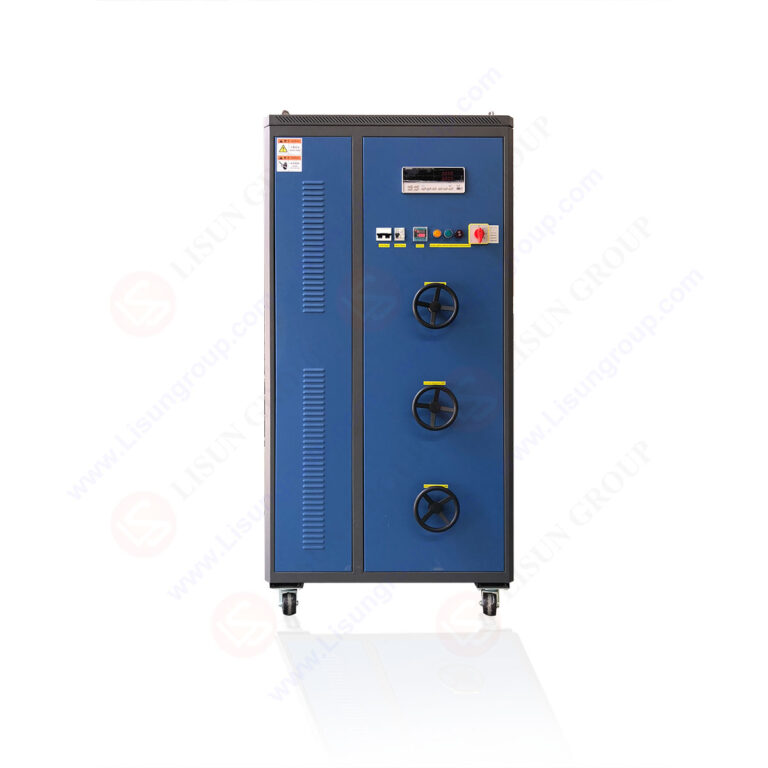



Evaluating Particulate Ingress: Methodologies and Equipment for Dust Protection Testing
The reliable operation of modern technological systems is fundamentally contingent upon their resilience to environmental stressors. Among these, the ingress of solid particulates—dust, sand, and other fine matter—poses a persistent and multifaceted threat. Particulate contamination can precipitate catastrophic failure modes, including electrical short circuits, mechanical seizure, optical obstruction, and accelerated thermal degradation. Consequently, rigorous dust ingress protection testing is not merely a quality assurance step but a critical engineering discipline integral to product design, validation, and certification across a vast spectrum of industries. This article delineates the technical principles, standardized methodologies, and instrumental implementations of dust testing, with a specific examination of advanced chamber systems designed for compliance and beyond.
Defining the Particulate Threat: Failure Modes and Industry Imperatives
The deleterious effects of particulate ingress are highly dependent on the application environment and the nature of the contaminant. In Electrical and Electronic Equipment and Industrial Control Systems, conductive dust can bridge isolated traces on printed circuit boards, leading to leakage currents or short circuits. Abrasive silica dust can wear down moving parts in Office Equipment like printers or in Automotive Electronics components exposed to road debris. For Lighting Fixtures and Optical Sensors, dust accumulation on lenses or reflectors directly attenuates luminous output and signal integrity. In Medical Devices and Aerospace and Aviation Components, where reliability is paramount, even non-conductive dust can interfere with delicate mechanisms or compromise sterile fields. Telecommunications Equipment housed outdoors must resist fine particulates that can clog ventilation fans and heat sinks, causing thermal runaway. The primary objective of dust testing is to simulate these real-world conditions in a controlled, reproducible, and accelerated manner to identify design vulnerabilities prior to field deployment.
Standards Framework: Interpreting IP5X and IP6X Codes
The globally recognized Ingress Protection (IP) rating system, codified in IEC 60529, provides a systematic classification for sealing effectiveness. The first numeral following “IP” denotes protection against solid objects. For dust, the two relevant classifications are IP5X (“Dust Protected”) and IP6X (“Dust Tight”).
IP5X testing permits a limited ingress of dust, but it must not enter in sufficient quantity to interfere with the satisfactory operation of the equipment or impair safety. Crucially, it is a test of performance degradation rather than absolute exclusion. IP6X is a more stringent requirement, demanding that no dust ingress occurs under the test conditions. It is a test of complete sealing integrity. The distinction is critical for product specification: an industrial motor in a moderately dusty factory may be adequately served by an IP5X rating, while a sealed connector for Cable and Wiring Systems in a desert mining vehicle would necessitate IP6X validation.
The test methodology prescribed by IEC 60529 involves exposing the specimen to circulating talcum powder (a prescribed, fine calcium carbonate dust) within a test chamber for a duration of 2, 4, 8, or 24 hours, depending on the internal air pressure conditions (underpressure or overpressure) being simulated. The chamber must maintain a consistent dust cloud density, and the specimen is typically rotated on a turntable to ensure uniform exposure. Post-test evaluation involves inspection for dust penetration and, for IP5X, verification of functional operation.
The LISUN SC-015 Dust Sand Test Chamber: Architecture and Operational Principles
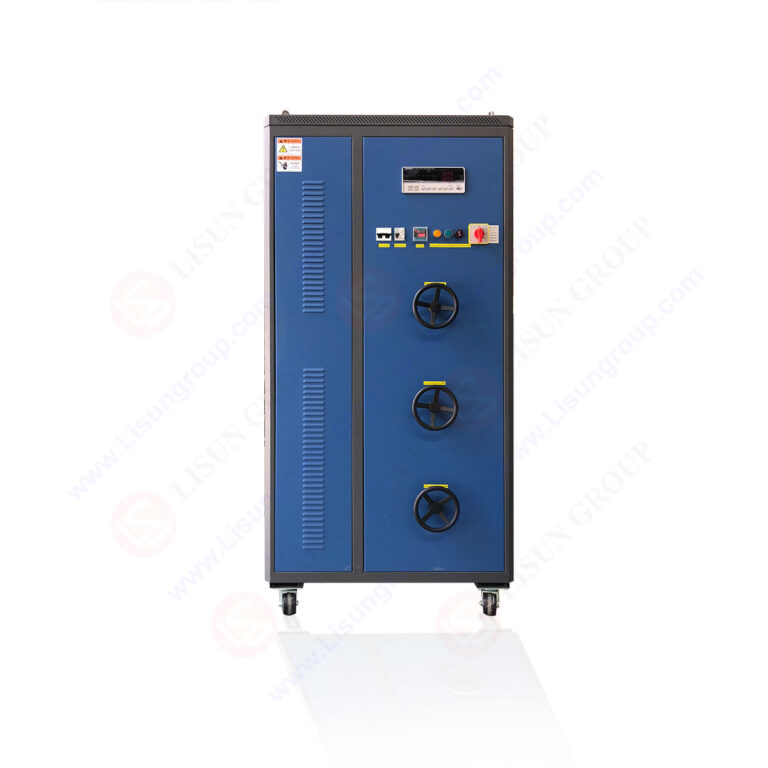
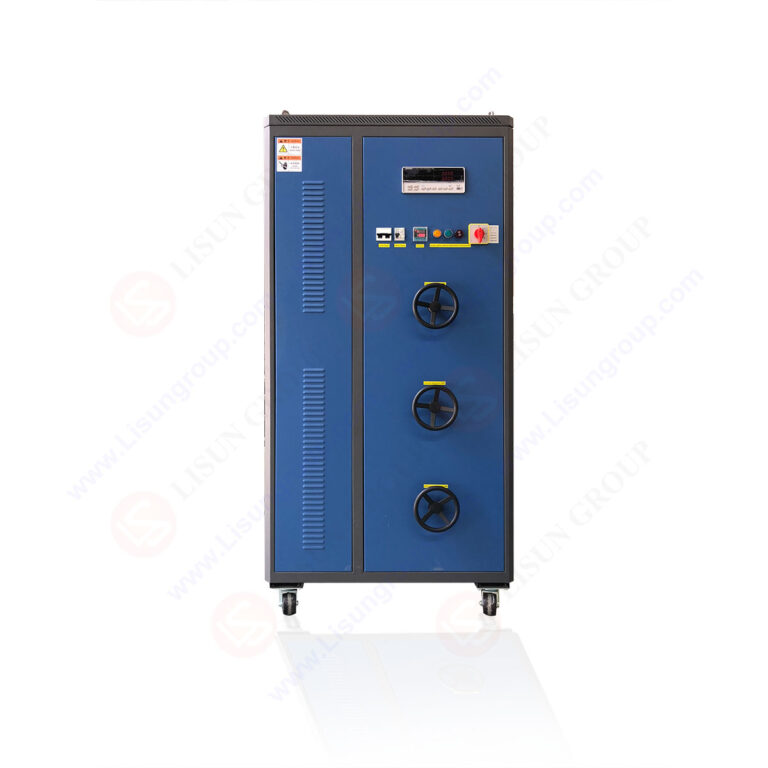
Adherence to IEC 60529 and analogous standards (such as MIL-STD-810 for military applications) requires specialized instrumentation. The LISUN SC-015 Dust Sand Test Chamber exemplifies a modern, integrated system engineered for precise, reliable compliance testing. Its design incorporates several key subsystems to generate, maintain, and control the particulate environment.
The chamber’s core operational principle involves the fluidization and circulation of test dust. A specified quantity of dry talcum powder is placed in a reservoir at the chamber’s base. Compressed air, regulated and dried to prevent clumping, is introduced through a diffuser, causing the powder to become airborne and creating a homogeneous, turbulent dust cloud within the main test volume. A closed-loop circulation system, often employing a fan or pump, ensures the dust cloud remains uniformly distributed throughout the test duration, preventing settlement. The specimen under test (SUT) is mounted within this volume on a programmable turntable, which may rotate at a low, adjustable speed (e.g., 1-3 RPM) to eliminate exposure dead zones.
For testing under differential pressure—simulating equipment that generates an internal vacuum (like certain cooling fans) or that is pressurized to exclude contaminants—the SC-015 integrates a vacuum system. This system can create and maintain a controlled underpressure (typically 2 kPa or 20 mbar) inside the SUT relative to the chamber atmosphere, actively drawing the dust-laden air towards potential ingress points. This is a critical capability for validating the seals of enclosures for Electrical Components like switches and sockets, or for Consumer Electronics designed for outdoor use.
Technical Specifications and Calibration Integrity
The efficacy of any environmental test chamber is rooted in the precision and repeatability of its control parameters. The LISUN SC-015 is characterized by specifications that directly map to standard requirements:
- Test Volume: Available in standardized sizes (e.g., 0.98 m³, 1.4 m³) to accommodate products ranging from small Medical Devices to large Household Appliances or automotive control units.
- Dust Concentration: The system is calibrated to maintain a concentration of talcum powder within the range of 2 kg/m³ to 3 kg/m³, as stipulated by IEC 60529. This is verified through gravimetric or optical calibration procedures.
- Airflow Velocity: The circulation system maintains a controlled, low turbulence airflow past the specimen, typically adjustable, to simulate natural settling and wind-driven conditions without causing unrealistic abrasion.
- Turntable: A stainless-steel turntable with adjustable rotation speed ensures omnidirectional exposure. Load capacity is a key specification for testing heavy industrial components.
- Control System: A digital programmable controller manages test duration, turntable rotation, dust circulation cycles, and vacuum/pressure levels. Data logging capabilities are essential for audit trails and certification documentation.
- Construction: The chamber interior is fabricated from corrosion-resistant stainless steel, with a sealed viewing window and glove ports for safe inspection during tests. The dust reservoir and circulation pathways are designed for easy decontamination and dust replenishment.
Calibration is paramount. Periodic verification of dust concentration, airflow uniformity, chamber leak rate (for IP6X validation), and vacuum/pressure accuracy is necessary to maintain NIST-traceable results. A well-calibrated SC-015 chamber provides the empirical evidence needed to support IP code claims in technical data sheets and regulatory submissions.
Application-Specific Testing Protocols and Validation
While the base standard provides the framework, real-world validation often requires tailored test profiles. The flexibility of a system like the SC-015 allows engineers to develop application-specific durability tests.
- Automotive Electronics: Beyond standard talcum, testing may involve Arizona Road Dust (a standardized mix of particulates) to simulate the specific abrasive and clogging threats faced by sensors, control units, and infotainment systems.
- Lighting Fixtures (Outdoor/IP Rated): Testing focuses on optical performance degradation. Lumen output and beam distribution are measured before and after an extended dust exposure cycle to quantify the attenuation caused by lens fouling.
- Aerospace and Aviation Components: Here, testing may combine dust ingress with other environmental stresses in a sequenced profile—such as thermal cycling with dust exposure—to simulate the rapid pressure and temperature changes at altitude that can “pump” dust into enclosures.
- Industrial Control Systems: For panels and enclosures intended for factory floors, the test may emphasize the functionality of gaskets, cable glands, and membrane seals after prolonged dust exposure under a slight internal underpressure, mimicking the effect of internal cooling fans.
The validation endpoint varies. For IP6X claims, a simple internal visual and tactile inspection post-test, under adequate lighting, confirming zero dust ingress is sufficient. For IP5X, the inspection is followed by a full functional test. In Telecommunications Equipment, this would involve verifying signal integrity, data throughput, and thermal management performance. For a Household Appliance like a robotic vacuum, engineers would test motor torque, sensor accuracy, and brush rotation post-exposure.
Advantages of Integrated Chamber Testing Over Ad Hoc Methods
The use of a dedicated, calibrated chamber like the SC-015 presents significant advantages over improvised or partial testing methods.
Repeatability and Reproducibility: The primary scientific advantage. Controlled dust concentration, airflow, temperature, and humidity ensure that tests conducted today and six months later on a different unit of the same product yield comparable results. This is non-negotiable for quality control and supplier qualification.
Accelerated Life Testing: A 24-hour chamber test can simulate years of cumulative exposure in a benign environment or months in a severe one, allowing for rapid design iteration and failure mode discovery.
Quantitative Data Generation: Modern chambers facilitate quantitative assessment. One can measure the mass of dust ingested, the percentage of optical transmission lost, or the increase in electrical leakage current. This data is far more valuable for engineering analysis than a simple pass/fail outcome.
Safety and Containment: Testing with fine particulates poses an inhalation hazard. A fully enclosed chamber with proper filtration and extraction systems protects laboratory personnel and prevents contamination of the wider lab environment.
Regulatory Acceptance: Test reports generated using recognized, calibrated equipment are far more likely to be accepted by certification bodies (UL, TÜV, Intertek, etc.) and by B2B customers in supply chain audits.
Conclusion: From Compliance to Reliability Engineering
Dust ingress protection testing, when executed with precision instrumentation such as the LISUN SC-015 Dust Sand Test Chamber, transitions from a box-ticking compliance activity to a core component of reliability engineering. It provides empirical, actionable data that informs material selection, gasket design, vent architecture, and sealing strategies. By rigorously simulating particulate threats in a controlled environment, manufacturers of Electrical and Electronic Equipment, Automotive Electronics, and countless other critical products can mitigate field failure risks, reduce warranty costs, and substantiate durability claims, ultimately delivering robust and dependable technologies to the global market.
FAQ: Dust Ingress Protection Testing and the LISUN SC-015 Chamber
Q1: What is the difference between “dust protected” (IP5X) and “dust tight” (IP6X) in practical testing terms?
A: The key difference lies in the acceptance criterion and the test condition. IP5X allows a limited amount of dust ingress provided it does not impair operation or safety; the test is often conducted with the specimen’s own internal cooling fan running or under a slight vacuum to simulate worst-case conditions. IP6X requires no ingress whatsoever; the test is typically performed with a maintained vacuum inside the specimen (2 kPa as per IEC 60529) to create a strong driving force for ingress. A “pass” for IP6X is a clean interior upon dissection after testing.
Q2: Can the SC-015 chamber test for both dust and water ingress (IPX ratings)?
A: The SC-015 is specifically designed for particulate (first digit IP code) testing. Water ingress testing (second digit IP code), such as IPX4 (splash resistance) or IPX7 (immersion), requires entirely different apparatus with spray nozzles, water tanks, and pressure controls. These are separate, specialized chambers. A complete IP rating validation usually requires sequential testing in both dust and water test equipment.
Q3: We need to test with a specific dust type, not just talcum powder. Is this possible?
A: Yes, within mechanical constraints. While IEC 60529 specifies talcum powder, other standards (like MIL-STD-810 or customer-specific specs) may require Arizona Road Dust, silica flour, or other particulates. The chamber’s circulation system must be compatible—the particle size and abrasiveness of the alternative dust must not damage the chamber’s blower, seals, or filters. It is crucial to consult the chamber manufacturer and thoroughly clean the chamber before and after using non-standard dusts to prevent cross-contamination.
Q4: How is the dust concentration inside the chamber verified and calibrated?
A: Calibration is a multi-step process. A common gravimetric method involves placing pre-weighed collection filters at strategic locations within the empty test volume. The chamber is run for a set time, after which the filters are collected and weighed. The increase in mass, combined with the known airflow rate over the filter, allows calculation of the average dust mass concentration. This is compared to the standard’s requirement (2-3 kg/m³). Regular calibration, typically annual, is essential for maintaining test credibility.
Q5: What are the key preparatory steps for a specimen before a dust test?
A: Proper preparation is critical. The specimen should be clean and dry. All ports, seals, and covers must be installed as they would be in normal service. If the test is to be conducted under vacuum, a threaded port for connecting the chamber’s vacuum line must be integrated into the specimen’s enclosure in a representative manner. For functional assessment (IP5X), the specimen must be powered and monitored during the test, requiring cable feed-throughs that are themselves sealed. A detailed test plan should define the functional checks to be performed during and after exposure.