


Comprehensive Thermal Testing and Evaluation of LED Products: Methodologies, Standards, and Critical Equipment
The proliferation of Light Emitting Diode (LED) technology across diverse sectors has fundamentally altered performance and reliability expectations for illumination and indication. Unlike traditional light sources, LED performance, longevity, and chromatic stability are intrinsically and profoundly linked to thermal management. The semiconductor junction temperature (Tj) serves as the primary determinant of an LED’s operational lifespan, luminous flux output, forward voltage, and spectral characteristics. Consequently, comprehensive thermal testing and evaluation transcend mere compliance; they constitute a foundational engineering discipline essential for product integrity. This article delineates a rigorous framework for the thermal assessment of LED products, encompassing methodologies, relevant international standards, and the pivotal role of specialized environmental test equipment in validating performance across extreme and fluctuating thermal conditions.
The Thermodynamic Imperative in LED Performance Degradation
At the core of an LED’s operational physics is the recombination of electrons and holes within a semiconductor material, a process that generates both photons and heat. A critical performance metric, the external quantum efficiency (EQE), defines the ratio of emitted photons to injected electrons. Even in state-of-the-art devices, a significant portion of electrical input—often exceeding 60-70%—is converted not to light but to waste heat at the p-n junction. This parasitic thermal energy, if not effectively conducted away from the die, elevates Tj with cascading deleterious effects.
The Arrhenius equation models the acceleration of failure mechanisms with temperature, indicating that for many semiconductor processes, the rate of chemical reaction—and thus degradation—approximately doubles for every 10°C rise in junction temperature. Elevated Tj directly precipitates lumen depreciation through increased non-radiative recombination, phosphor thermal quenching in white LEDs, and accelerated material degradation within the package. Chromaticity coordinates can shift perceptibly, compromising color rendering index (CRI) and correlated color temperature (CCT) consistency. For automotive forward lighting or medical surgical illumination, such shifts are unacceptable. Furthermore, thermal cycling—induced by power cycling or ambient temperature fluctuations—induces mechanical stress due to coefficient of thermal expansion (CTE) mismatches between bonded materials, leading to solder joint fatigue, wire bond fracture, and delamination.
Methodological Framework for Steady-State Thermal Characterization
Steady-state thermal characterization establishes the baseline thermal performance of an LED component or system under constant operational and environmental conditions. The primary objective is the accurate determination or estimation of Tj and the subsequent mapping of thermal resistance networks.
The thermal resistance (Rθ), expressed in °C/W, is the paramount figure of merit. For an LED package, the junction-to-case thermal resistance (RθJC) quantifies the impedance between the junction and a defined point on the package case. System-level analysis considers junction-to-ambient thermal resistance (RθJA), which incorporates the package, thermal interface material, heat sink, and the ambient environment. Accurate measurement often employs the forward voltage (Vf) temperature coefficient (K-factor) method. This technique leverages the well-characterized, linear relationship between an LED’s forward voltage and its junction temperature at a small, fixed sensing current. By calibrating the K-factor (typically in mV/°C) and then measuring Vf under operational conditions, Tj can be inferred with reasonable precision.
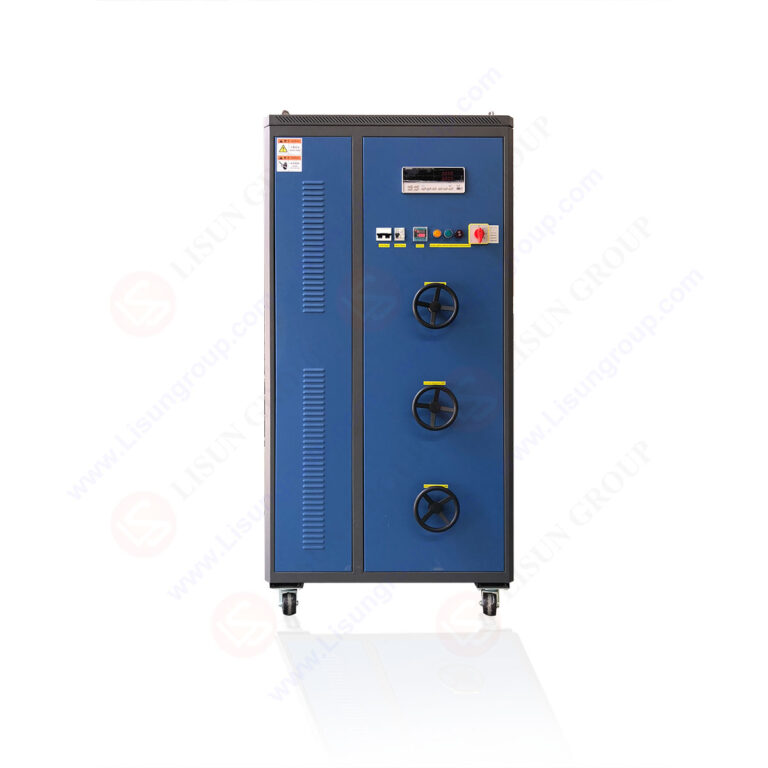
Testing under controlled, stable ambient conditions is non-negotiable for this analysis. Environmental chambers, such as the LISUN GDJS-015B Temperature Humidity Test Chamber, provide the requisite stable milieu. This chamber facilitates precise calibration of the K-factor by subjecting LEDs to a series of known, stable temperatures within its operational range of -70°C to +150°C (with humidity range of 20% to 98% RH). Its programmable controller ensures minimal temperature fluctuation (±0.5°C) and uniformity (±2°C), which is critical for obtaining reliable Vf measurements unaffected by ambient thermal noise. For lighting fixtures or integrated automotive electronics modules, steady-state testing inside such a chamber at elevated temperatures (e.g., +55°C or +85°C) simulates prolonged operation in a hot summer environment or within a sealed enclosure, allowing engineers to verify that Tj remains within the manufacturer’s specified safe operating area.
Evaluating Performance Under Thermal Transient and Shock Conditions
Real-world applications seldom involve constant temperatures. Automotive electronics experience cold starts at -40°C followed by rapid heat soak from engine bay proximity. Telecommunications equipment in outdoor cabinets faces diurnal cycles. Aerospace components undergo rapid decompression and temperature drops. These scenarios necessitate transient thermal analysis and thermal shock testing.
Thermal transient testing involves monitoring the temperature response of a device to a step change in power or ambient condition, often analyzed using structure function analysis to deconstruct the thermal resistance network into material-specific contributions. More severe validation requires thermal shock testing, which subjects a product to extreme, rapid transitions between hot and cold extremes to uncover latent mechanical defects.
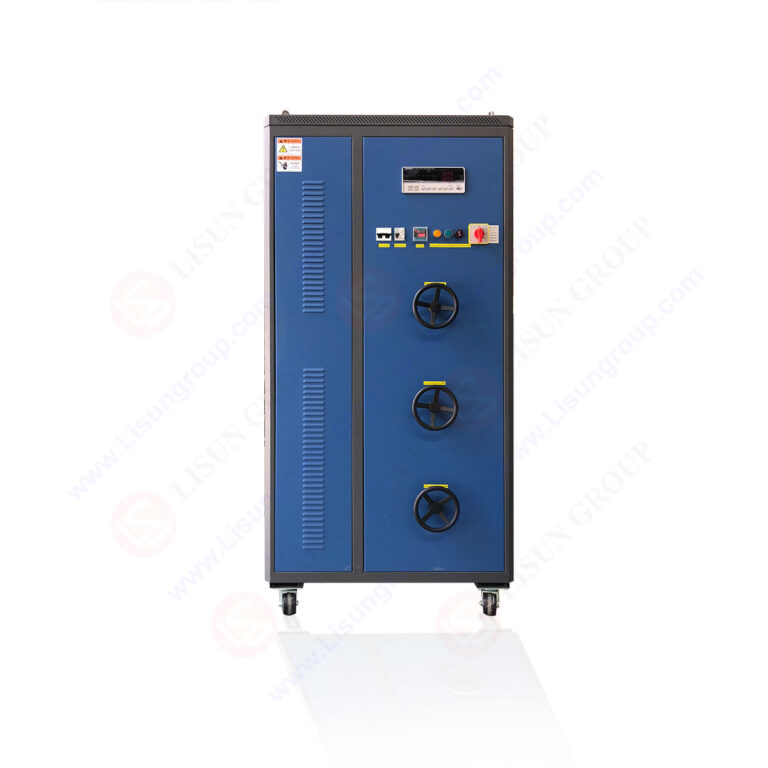
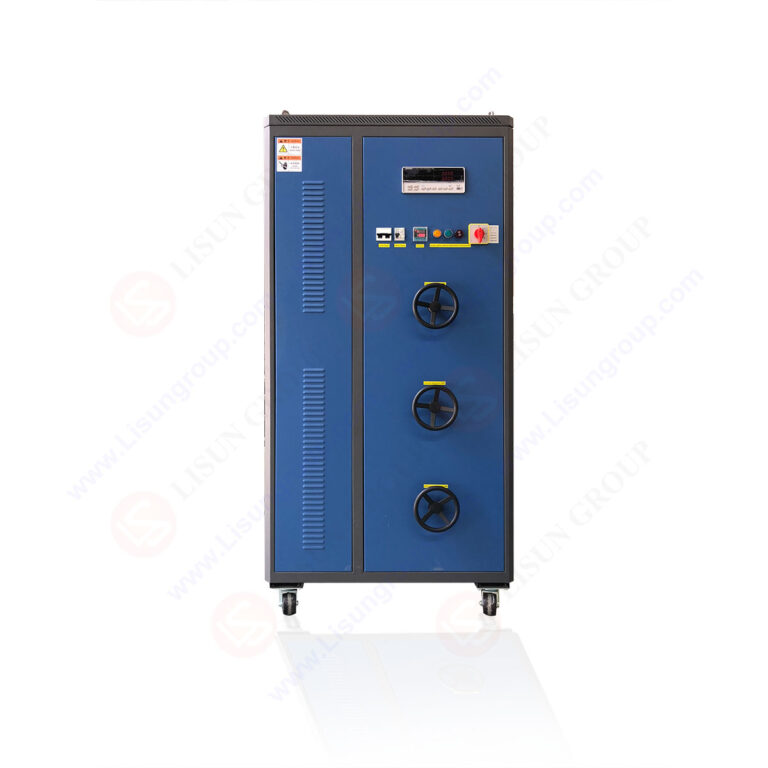
The LISUN HLST-500D Thermal Shock Test Chamber is engineered explicitly for this demanding validation regime. Utilizing a vertical two-zone (high-temperature zone and low-temperature zone) basket transfer system, it achieves rapid transition times. The HLST-500D can transfer test specimens between its high-temperature chamber (up to +200°C) and low-temperature chamber (down to -75°C) within a recovery time of less than 5 minutes. This exposes LED assemblies—including the die, bonds, solder joints, PCB, and housing—to severe CTE mismatch stresses. For instance, a LED ballast module for street lighting might be cycled 50 times between +85°C and -40°C, with dwell times of 30 minutes, to simulate years of seasonal and daily cycling. Failure modes induced include ceramic capacitor cracking, PCB trace lifting, and lens seal failure. The HLST-500D’s programmability allows for compliance with stringent test standards like IEC 60068-2-14 (Change of temperature) and MIL-STD-202G, which are referenced in qualifications for automotive (AEC-Q102), aerospace, and industrial control systems.
Standards Compliance and Industry-Specific Test Protocols
Formalized testing protocols ensure consistency and reliability benchmarks across the industry. Key international standards govern thermal and environmental testing for LED products and their host systems.
- IEC 60598-1 (Luminaires): Specifies general requirements, including clauses for heat resistance and weathering for luminaire enclosures and insulating materials.
- IEC 62384 (LED controlgear): Defines performance requirements, including testing at elevated case temperatures.
- LM-80 (IESNA): Standard for measuring lumen depreciation of LED light sources over time at controlled case temperatures (e.g., 55°C, 85°C, 105°C). Data from GDJS-015B-like chambers is used to generate the LM-80 dataset, which is then extrapolated via TM-21 to predict long-term lumen maintenance.
- IEC 60068-2-1/2 (Cold/Dry Heat Tests): Basic environmental testing procedures for steady-state cold and dry heat, applicable to all electronic components.
- AEC-Q102: The paramount stress test qualification for discrete optoelectronic semiconductors in automotive applications, mandating a suite of tests including temperature cycling, thermal shock, and high-temperature reverse bias.
Industry applications dictate specific profiles. Medical device lighting, such as in endoscopes, requires validation for repeated sterilization cycles involving elevated heat and moisture. Household appliances with indicator LEDs must withstand the heat and humidity of a dishwasher or oven control panel. Telecommunications equipment undergoes NEBS (Network Equipment-Building System) testing, which includes thermal shock profiles simulating equipment room failures. In each case, the precision, range, and programmability of equipment like the GDJS-015B and HLST-500D are critical for replicating these conditions in a repeatable laboratory setting.
Instrumentation and Chamber Selection for Validated Data Integrity
The selection of environmental test equipment is a critical variable in the test equation. Data integrity hinges on chamber performance specifications. Key parameters include temperature range, rate of change, uniformity, stability, and programmability.
The LISUN GDJS-015B offers a broad combined temperature and humidity range, making it suitable not only for steady-state thermal testing but also for damp heat testing (e.g., 85°C/85% RH) critical for evaluating moisture ingress resistance in outdoor lighting fixtures or automotive exterior lights. Its programmable controller allows for complex multi-segment profiles, such as simulating a full diurnal cycle with temperature and humidity ramps.
Conversely, the LISUN HLST-500D Thermal Shock Chamber prioritizes extreme transition speed and temperature extremes. Its competitive advantage lies in its robust mechanical design that ensures reliable, high-speed transfers over thousands of cycles, minimal maintenance due to its efficient refrigeration and heating systems, and compliance with the most demanding shock test specifications. For a manufacturer of aerospace cockpit displays or industrial control panels containing LED indicators, the HLST-500D provides the necessary rigor to uncover premature failures before product deployment.
Both chambers exemplify the integration of precise control systems, robust mechanical construction, and safety features—such as independent overtemperature protection—that are mandatory for unattended, long-duration reliability tests.
Correlating Laboratory Data to Field Failure Analysis and Lifetime Projection
The ultimate goal of laboratory thermal testing is the accurate prediction of field performance and service life. Accelerated life testing (ALT) using elevated temperatures (per the Arrhenius model) or aggressive thermal cycling profiles compresses time-to-failure. Data from these tests, conducted in instruments like those described, feed into statistical models (Weibull analysis) to estimate failure rates like the Mean Time Between Failures (MTBF) or to predict L70 lifetime (time to 70% of initial lumens).
Failure analysis following thermal stress testing is imperative. Dye penetration tests after thermal shock can reveal micro-cracks in solder joints. Scanning acoustic microscopy can identify delamination invisible to the eye. By correlating specific failure modes—induced in the controlled environment of a HLST-500D—with field returns from a failed automotive tail-light assembly, root cause can be definitively assigned to insufficient solder paste volume or an improper reflow profile. This closes the engineering loop, informing design revisions, material selection, and manufacturing process controls to enhance product robustness.
Conclusion
Thermal testing for LED products is a non-negotiable, multidisciplinary endeavor bridging semiconductor physics, materials science, and reliability engineering. A comprehensive strategy integrates steady-state characterization, transient analysis, and severe shock testing, all conducted within the precise and programmable confines of advanced environmental test chambers. As LED technology continues to penetrate mission-critical applications in aviation, medicine, and autonomous vehicles, the rigor of this testing—underpinned by equipment capable of replicating both mundane and extreme environmental stresses—will remain the bedrock of product quality, safety, and brand reputation. The data derived forms the empirical basis for intelligent design, credible warranty terms, and ultimately, the delivery of illumination solutions that perform reliably over their intended lifespan.
FAQ Section
Q1: What is the primary difference between a temperature humidity test chamber (like the GDJS-015B) and a thermal shock chamber (like the HLST-500D)?
A temperature humidity chamber provides precise, controlled, and often gradual environments for steady-state testing, cycling, or damp heat stress. A thermal shock chamber is designed specifically to induce rapid, extreme transitions between hot and cold states to precipitate mechanical failures from thermal stress, with transfer times measured in seconds or minutes, not the slower ramps of a standard chamber.
Q2: Why is thermal shock testing considered crucial for automotive LED electronics?
Automotive components experience severe temperature swings: from ambient cold soak to heat generated by the engine, electronics, and sunlight. These rapid cycles cause different materials to expand and contract at different rates. Thermal shock testing aggressively accelerates this stress, quickly identifying weaknesses in solder joints, wire bonds, PCB laminates, and housing seals that could lead to premature failure in the field, ensuring compliance with AEC-Q102 and other automotive qualifications.
Q3: Can the GDJS-015B chamber be used for LM-80 testing?
Yes, the LISUN GDJS-015B is well-suited for LM-80 testing prerequisites. LM-80 requires long-term (minimum 6,000 hours) testing of LED packages or arrays at multiple controlled case temperatures (e.g., 55°C, 85°C). The chamber’s excellent temperature stability (±0.5°C) and uniformity (±2°C) are essential for maintaining the constant ambient conditions needed to hold the LED case temperature at a precise setpoint for the duration of the test, ensuring valid and standardized lumen depreciation data.
Q4: How many test samples are typically required for a statistically valid thermal shock test?
There is no universal number; it depends on the test standard referenced and the desired confidence level. Common industry practices for qualification testing often use sample sizes between 15 to 77 pieces. Standards like IEC 60068-2-14 may specify a minimum, while automotive AEC-Q102 mandates specific sample sizes for different test lines. The chamber capacity, like the HLST-500D’s volume, must accommodate the selected sample size with adequate air circulation.
Q5: What safety features are critical when running unattended long-term thermal tests?
Essential safety features include independent overtemperature protection (a separate, hard-wired limit controller that cuts power if the primary controller fails), chamber exhaust for venting potential outgassing, secure door latches, audible and visual alarms for deviations, and automated shutdown sequences upon fault detection. Both the GDJS-015B and HLST-500D incorporate such multi-layered safety systems to protect both the samples and the laboratory during extended, unattended operation.