


IP6X Certification: A Foundational Standard for Environmental Robustness in Electronic Enclosures
Introduction to Ingress Protection and the Significance of IP6X
The Ingress Protection (IP) rating system, codified under international standard IEC 60529, provides a definitive, quantitative methodology for classifying the degree of protection offered by mechanical casings and electrical enclosures against the intrusion of foreign bodies and moisture. Within this framework, the IP6X rating represents the highest echelon of protection against solid particulate ingress. The designation “6” specifically denotes “Dust-tight” performance, a critical requirement for electronic systems operating in environments where airborne contaminants pose a significant risk to functionality, reliability, and safety. Achieving IP6X certification is not merely a marketing claim; it is a rigorous, evidence-based validation that an enclosure will maintain its operational integrity in the presence of fine dusts, sands, fibers, and other particulate matter. This certification is paramount across industries where equipment failure due to contamination can lead to operational downtime, safety hazards, or catastrophic system loss.
Deconstructing the IP6X Test Methodology: Principles and Procedures
The IP6X test is a precisely defined environmental stress procedure designed to simulate extreme conditions of dust exposure. The core principle involves subjecting the enclosure under test to a controlled atmosphere of fine talcum powder for a specified duration, while maintaining a partial vacuum inside the enclosure to create a pressure differential that drives infiltration. The test powder specified by the standard has a particle size distribution where 95% of particles are less than 75 micrometers in diameter and 50% are less than 25 micrometers. This simulates a wide range of fine industrial and natural dusts.
The procedural sequence is methodical. The specimen is placed within a sealed test chamber. Prior to the introduction of dust, the enclosure is evacuated to a pressure 20 kPa (approximately 0.2 bar) lower than ambient atmospheric pressure. This vacuum is maintained either continuously or intermittently throughout the test, which lasts for a standard duration of 8 hours. During this period, the chamber is fluidized with the test dust, creating a dense, turbulent cloud that completely envelops the enclosure. The negative internal pressure ensures that any potential leakage paths become conduits for dust ingress. Following the exposure period, a meticulous internal inspection is conducted. Certification to IP6X mandates that no visible dust accumulation occurs within the enclosure. The allowance is explicitly zero; even a negligible deposit is grounds for test failure. This absolute requirement underscores the standard’s intent to guarantee complete exclusion of particulate matter.
The Role of Specialized Testing Equipment: The LISUN SC-015 Dust Sand Test Chamber
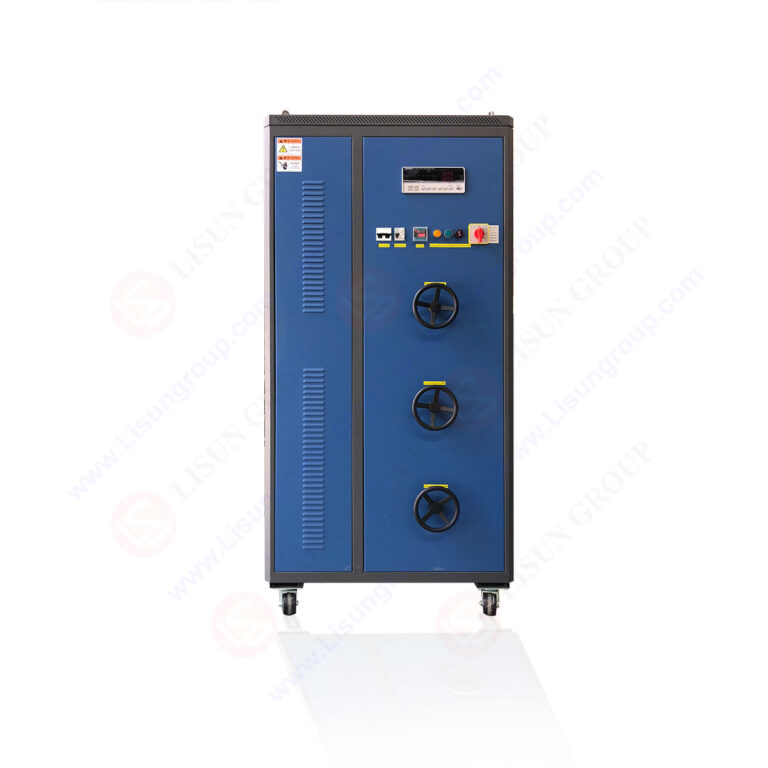
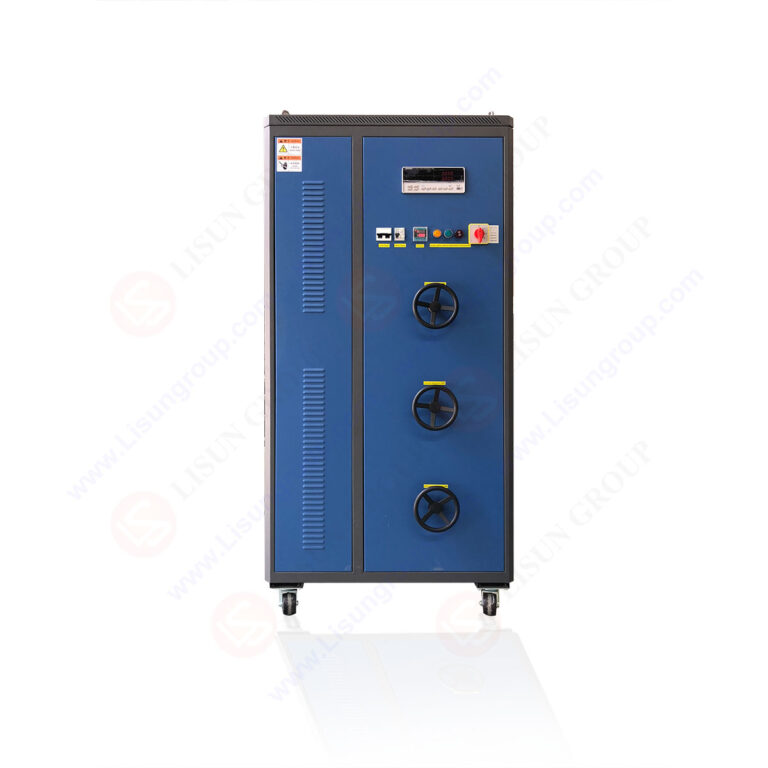
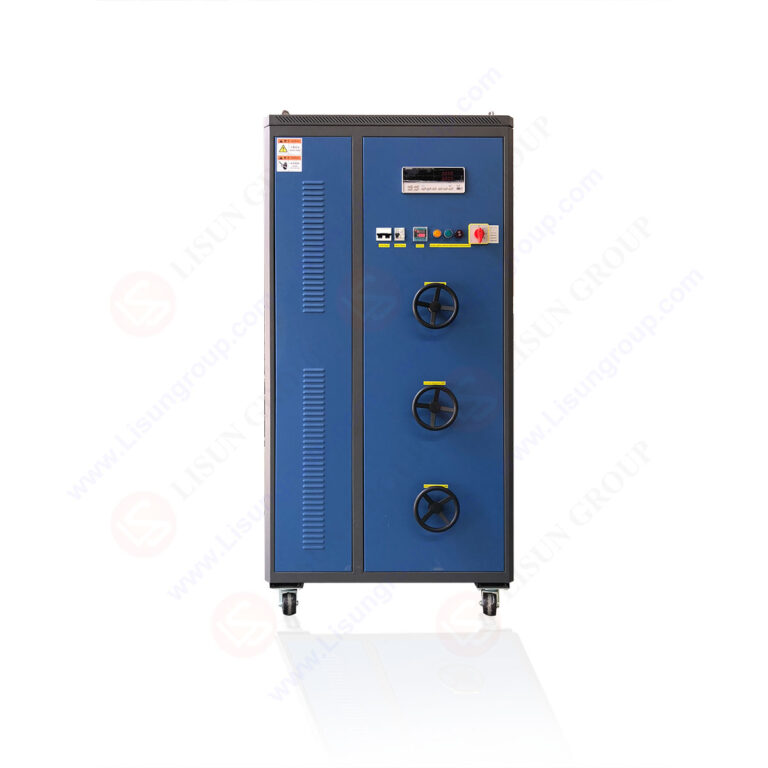
The integrity of IP6X certification is wholly dependent on the precision and repeatability of the testing equipment employed. The LISUN SC-015 Dust Sand Test Chamber is engineered specifically to fulfill the exacting requirements of IEC 60529 and related standards such as GB/T 4208. This instrument is designed to provide a controlled, reproducible, and fully compliant environment for validating dust-tight enclosures.
The SC-015 operates on a closed-loop circulation principle. A controlled volume of test dust is placed in the chamber’s bottom reservoir. A regulated airflow system, typically employing a vortex pump or blower, agitates and circulates the dust, creating a uniform, suspended cloud within the testing volume. Critical to the test’s validity is the chamber’s ability to maintain the specified dust density—typically between 2 kg/m³ and 5 kg/m³—for the entire test duration. The design incorporates a sample holder and port for connecting the enclosure’s internal volume to a vacuum system. This system precisely controls the required 20 kPa under-pressure, with gauges and regulators ensuring consistent application. Construction materials, such as stainless steel for critical surfaces and high-clarity tempered glass for the viewing window, ensure durability and allow for visual monitoring of the test process. The chamber includes a dust recovery system to facilitate safe and efficient post-test cleanup and powder reuse, adhering to laboratory safety and efficiency protocols.
Technical Specifications and Operational Parameters of the SC-015
The LISUN SC-015 is characterized by a set of definitive technical parameters that define its operational envelope and compliance. Key specifications include:
- Test Chamber Volume: Available in standardized dimensions (e.g., 0.5 m³, 1 m³) to accommodate a range of enclosure sizes, ensuring adequate clearance for dust circulation.
- Dust Circulation System: Utilizes a centrifugal blower with adjustable speed control to achieve and maintain the required dust density as per standard.
- Vacuum System: Integrates a precision vacuum pump capable of achieving and maintaining the 20 kPa (or other specified) under-pressure, connected via a pressure gauge and regulator.
- Sieve Specifications: Includes a standard metal wire sieve with a nominal mesh aperture of 75 µm to ensure the correct particle size distribution of the test dust.
- Control System: Features a programmable logic controller (PLC) with an HMI (Human-Machine Interface) touchscreen for setting test duration, vacuum parameters, and circulation cycles, ensuring automated, repeatable test execution.
- Safety and Containment: Designed with full sealing gaskets, safety interlocks, and filtration on exhaust ports to prevent laboratory contamination.
Industry-Specific Applications and Imperatives for IP6X Protection
The demand for IP6X-certified enclosures spans virtually every sector where electronics interface with challenging environments.
- Automotive Electronics: Under-hood control units, battery management systems for EVs, lighting assemblies, and sensor clusters must resist road dust, brake pad particulate, and environmental grit to ensure vehicle safety and longevity.
- Industrial Control Systems: Programmable Logic Controllers (PLCs), motor drives, and human-machine interfaces (HMIs) installed on factory floors, in mining operations, or at chemical plants are exposed to conductive metallic dust, carbon dust, and abrasive particulates that can cause short circuits or mechanical wear.
- Telecommunications Equipment: Outdoor 5G radios, fiber optic network terminals, and base station electronics require dust-tight sealing to prevent performance degradation in desert, coastal, or high-wind environments.
- Aerospace and Aviation Components: Avionics bay enclosures, in-flight entertainment systems, and ground support equipment are tested against fine dust to ensure reliability during takeoff/landing on unpaved surfaces and operation in arid regions.
- Lighting Fixtures: Industrial high-bay lighting, streetlights, and architectural outdoor luminaires must prevent internal dust accumulation, which can reduce light output, cause overheating, and degrade optical components.
- Medical Devices: Portable diagnostic equipment, imaging system consoles, and laboratory analyzers used in field hospitals or varied clinical environments require protection to maintain sterility and precision.
- Electrical Components & Wiring Systems: Switches, sockets, junction boxes, and cable glands used in construction, marine, or outdoor settings must prevent ingress that could lead to arc faults or insulation failure.
- Consumer Electronics & Office Equipment: Professional-grade cameras, outdoor speakers, and printers used in workshops or dusty offices benefit from IP6X designs that reduce maintenance and extend product life.
Comparative Analysis: The SC-015 in a Competitive Landscape
Within the ecosystem of environmental test equipment, the LISUN SC-015 distinguishes itself through several focused engineering advantages. Its primary competitive edge lies in its optimized balance between rigorous standards compliance and operational pragmatism. While some systems emphasize maximal automation, and others prioritize low cost, the SC-015 is architected for reliable, repeatable performance in a quality assurance or development laboratory setting. The integration of a precise, stable vacuum control system is critical, as fluctuations in under-pressure can invalidate test results. Furthermore, its dust circulation mechanism is designed for homogeneity, ensuring every surface of the test specimen is exposed to the specified density, a factor where simpler designs may fail. The use of corrosion-resistant materials and a logical user interface reduces long-term maintenance and operator error. For manufacturers across the listed industries, this translates to trustworthy certification data, reduced test re-runs, and confidence in the validity of their IP6X claims.
Beyond Certification: The Broader Implications for Product Design and Reliability
Pursuing IP6X certification is not solely a terminal compliance activity; it is an integral part of the product development lifecycle. The insights gained from testing in a chamber like the SC-015 feed directly back into design engineering. Failure modes observed during testing—whether dust ingress through microscopic gaps in molded seams, across gasket interfaces, or through cable entry points—provide actionable data. This drives improvements in gasket geometry, sealant application processes, fastener design, and the specification of rated connectors. Consequently, the process elevates the fundamental robustness of the product. This proactive design-for-environment approach mitigates field failure rates, reduces warranty costs, and enhances brand reputation for quality. It transforms the test chamber from a pass/fail gatekeeper into a diagnostic tool for engineering excellence.
Standards Harmonization and Future Trajectories
IEC 60529 serves as the global benchmark, but regional and industry-specific adaptations exist, such as GB/T 4208 in China or various MIL-STD requirements for defense applications. A competent testing apparatus must be capable of adhering to these nuanced variations in test duration, dust type, or pressure differential. The trajectory for dust ingress testing points toward even greater integration with other environmental stress sequences. Combined testing, where an enclosure undergoes thermal cycling, vibration, and then IP6X testing, provides a more accurate simulation of real-world conditions where seals may degrade under mechanical or thermal stress before being exposed to contaminants. Future iterations of testing equipment will likely emphasize these synergistic capabilities, data logging for audit trails, and more sophisticated particle counting or internal monitoring techniques to quantify, rather than just qualitatively assess, any ingress that may occur below the visible threshold.
Frequently Asked Questions (FAQ)
Q1: Can the LISUN SC-015 chamber be used for testing other IP codes, such as IP5X?
A1: Yes, the SC-015 is fully capable of conducting IP5X (“Dust protected”) tests. The key difference lies in the acceptance criteria and, in some interpretations of the standard, the test conditions. IP5X testing may use similar or identical dust exposure but allows for limited, non-harmful ingress. The chamber’s core function of creating a controlled dust cloud applies to both standards.
Q2: What is the recommended calibration and maintenance schedule for the SC-015 to ensure ongoing accuracy?
A2: Regular maintenance is crucial. Daily checks should include inspecting seals and clearing dust from the circulation system. Monthly maintenance may involve verifying vacuum gauge accuracy and sieve integrity. An annual full calibration by a qualified technician, using traceable reference instruments to validate vacuum pressure, airflow rates, and timer accuracy, is essential for maintaining compliance with ISO/IEC 17025 laboratory accreditation requirements.
Q3: How is the test dust handled and disposed of safely after testing?
A3: The test talcum powder is a low-hazard material but can be a respiratory irritant. The SC-015’s closed-loop design and integrated filtration minimize exposure during operation. Post-test, the dust is collected in the chamber’s bottom reservoir. It can often be sieved and reused multiple times unless contaminated. Disposal should follow local regulations for inert fine particulate waste, typically involving sealed bagging to prevent airborne release.
Q4: For an enclosure with internal thermal management (fans, vents), how is IP6X testing approached?
A4: Enclosures with active cooling present a specific challenge. IP testing is performed with all normally operational components active. Therefore, if an enclosure uses an internal fan to draw in external air for cooling, it cannot achieve IP6X, as the design inherently allows air (and dust) flow. IP6X typically requires a sealed enclosure, often relying on passive cooling or external-to-internal heat exchangers. The test would be conducted with the fan running if it is part of the sealed internal circulation, but any external intake path would constitute a failure point.
Q5: What is the typical lead time required to perform a full IP6X certification test cycle?
A5: The standard test duration per IEC 60529 is 8 hours of exposure. However, the total cycle time is longer. It includes specimen preparation (cleaning, mounting, vacuum hose connection), chamber preparation, the 8-hour test run, a post-test settling period for dust to clear, and a detailed internal inspection. A complete cycle for a single specimen, from setup to final assessment, typically requires 10-12 hours of laboratory time.