


A Comprehensive Guide to IP5X Dust Test Chambers: Principles, Applications, and Implementation
Introduction to Ingress Protection and the IP5X Dust Test Standard
The Ingress Protection (IP) rating system, codified under international standard IEC 60529, provides a definitive classification for the degree of protection offered by enclosures for electrical and electronic equipment against the intrusion of solid foreign objects and liquids. The first digit of the IP code denotes protection against solids, ranging from 0 (no protection) to 6 (complete dust ingress protection). The IP5X rating holds a specific and critical position within this hierarchy. It signifies that an enclosure is “dust protected,” meaning that while dust may enter, it cannot do so in a quantity sufficient to interfere with the satisfactory operation of the equipment or to impair safety. This distinction is crucial; IP5X does not imply a complete absence of dust (that is the purview of IP6X), but rather a level of ingress that prevents harmful accumulation. Achieving and verifying this rating necessitates specialized environmental testing equipment, specifically an IP5X dust test chamber.
Fundamental Operating Principles of IP5X Dust Test Chambers
The core function of an IP5X dust test chamber is to create a controlled, highly concentrated dust atmosphere into which a test specimen is subjected for a prescribed duration. The test dust specified by the standard is talcum powder, chosen for its fine, abrasive, and pervasive properties, with a particle size distribution where over 50% of particles by mass are between 1μm and 75μm, and at least 90% are under 150μm. The chamber operates on a negative pressure differential principle to ensure dust penetration is driven into potential entry points.
A vacuum pump or similar device is connected to the interior of the specimen under test (SUT), creating a pressure differential lower than atmospheric pressure inside the enclosure, typically maintained at 2 kPa (20 mbar) below ambient. This negative pressure actively draws the external dust-laden atmosphere into any unprotected or inadequately sealed apertures. The dust is circulated within the test chamber by a fan or blower system, often assisted by a vibrating mechanism or fluidized bed to maintain a uniform, suspended cloud. The test duration is a minimum of 2 hours, unless otherwise specified in the relevant product standard, allowing sufficient time for dust to probe for weaknesses in gaskets, seams, ventilation filters, and mating surfaces.
Critical Design Specifications and Chamber Configuration
A compliant and reliable IP5X dust test chamber must adhere to stringent design parameters to ensure reproducible and standardized test conditions. The chamber volume must be sufficient to accommodate the SUT without the dust concentration being unduly affected. A robust circulation system is paramount to prevent dust settlement and ensure a homogenous distribution. The talcum powder must be kept dry, as moisture compromises its fluidity and test validity. Internal lighting and viewing windows are essential for real-time observation of the test process.
The chamber must include a calibrated system for generating and maintaining the required under-pressure within the SUT. This typically involves a flow meter or pressure gauge and a valve system to regulate the suction, ensuring the 2 kPa differential is consistently applied regardless of minor leaks in the specimen. Post-test examination is a critical phase. The chamber design should facilitate safe specimen removal and subsequent internal inspection for dust presence, often aided by internal lighting and magnification tools to assess dust accumulation on circuitry, connectors, and moving parts.
The LISUN SC-015 Dust Sand Test Chamber: A Technical Analysis
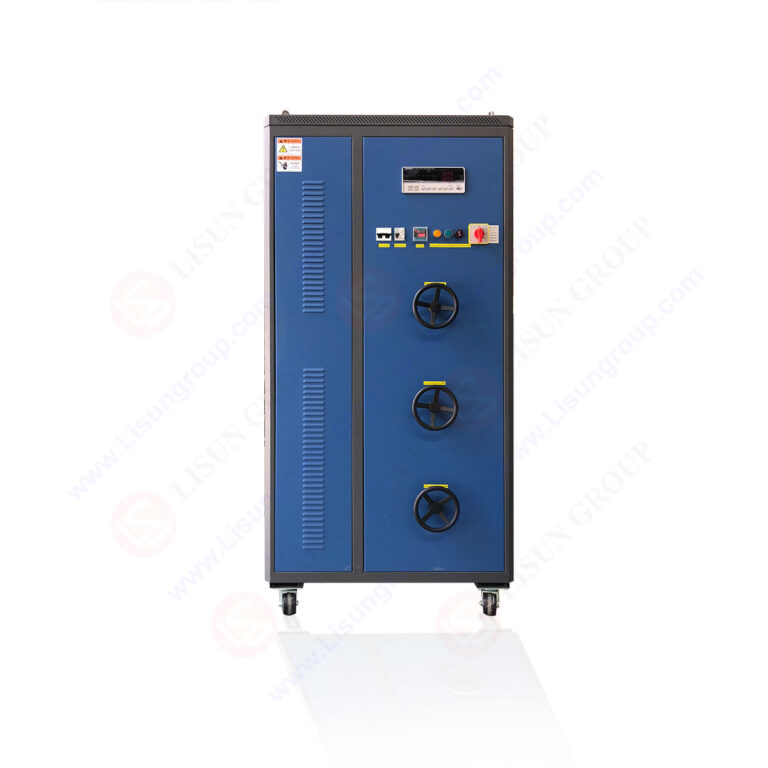
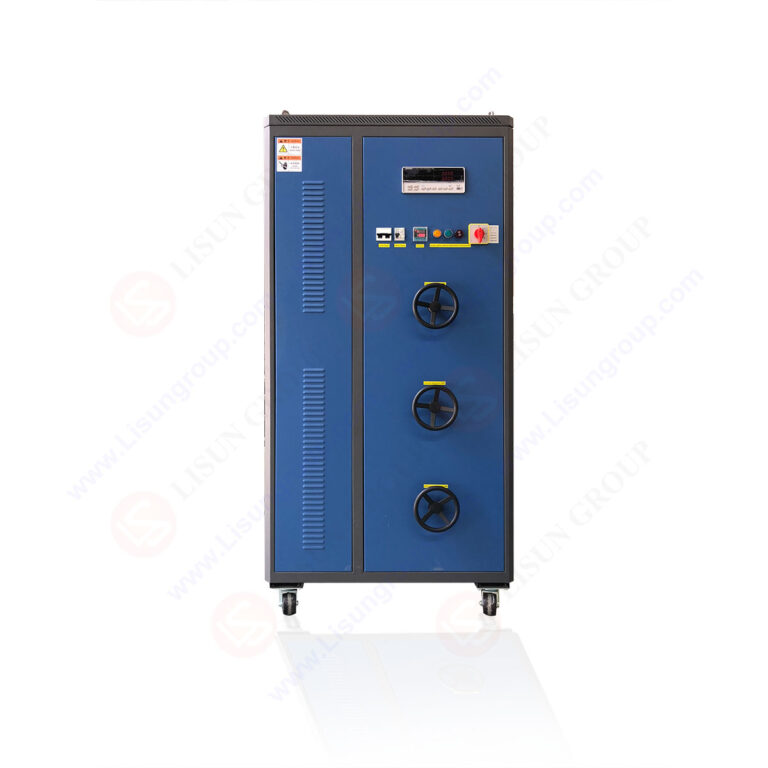
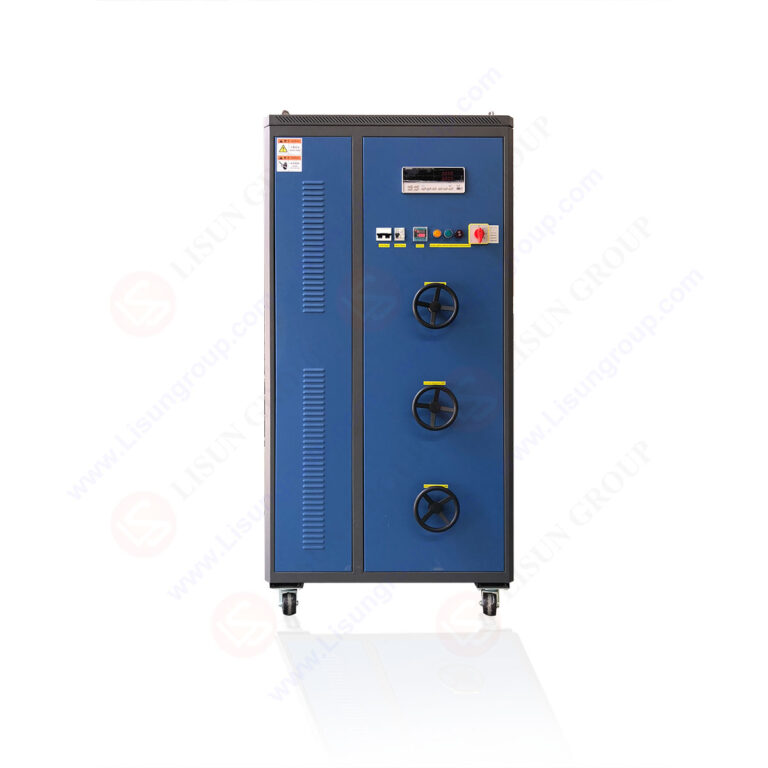
The LISUN SC-015 Dust Sand Test Chamber represents a fully integrated solution engineered for compliance with IP5X and IP6X testing per IEC 60529, as well as related standards. Its design embodies the technical requirements for precise, repeatable dust ingress testing.
- Testing Principle Implementation: The chamber utilizes a closed-loop circulation system. A blower forces air through a diffuser, agitating the talcum powder stored in a bottom hopper into a uniform cloud. The negative pressure system is independently controlled, with a precision vacuum gauge and regulator to maintain the exact 2 kPa under-pressure for IP5X testing. For IP6X (dust-tight) testing, the chamber can operate under positive pressure.
- Key Specifications:
- Chamber Interior Dimensions: Customizable, but a standard model may offer 800mm x 800mm x 800mm, providing ample space for a wide range of products.
- Dust Concentration: Actively maintained within the range of 2kg/m³ to 4kg/m³, as stipulated by the standard.
- Dust Circulation: Achieved via a controlled blower motor with variable speed settings.
- Test Duration: Programmable digital timer with a range from 0 to 99 hours, far exceeding standard requirements.
- Vacuum System: Includes a vacuum pump, adjustable flow meter (60-600 L/H), and pressure relief valve to protect the SUT.
- Construction: The main chamber is constructed of SUS304 stainless steel for corrosion resistance, with a tempered glass viewing window and internal LED lighting.
- Safety Features: Include an emergency stop button and safety interlocks on the door.
Industry-Specific Applications and Use Cases
The verification of IP5X protection is a non-negotiable requirement across a vast spectrum of industries where operational reliability in dusty environments is paramount.
- Electrical and Electronic Equipment & Industrial Control Systems: Programmable logic controllers (PLCs), variable frequency drives, and industrial computing modules are often deployed on factory floors adjacent to machining, milling, or textile operations. Dust ingress can cause short circuits, overheating, or contact failure. The IP5X test validates that enclosure designs for control cabinets and operator panels will resist this particulate contamination.
- Automotive Electronics: Electronic control units (ECUs) for engine management, braking, and infotainment, as well as sensors and connectors, must withstand the dusty under-hood and underbody environments. Road dust, which is highly abrasive, can degrade connections and interfere with sensor optics. IP5X testing is a cornerstone of automotive electronic validation.
- Lighting Fixtures: Outdoor, industrial, and roadway lighting fixtures are exposed to wind-blown dust and sand. Accumulation on LED drivers, reflectors, and heat sinks can reduce luminous efficacy and accelerate thermal degradation. The IP5X test ensures the luminaire’s seals protect its critical internal components.
- Telecommunications Equipment: Base station units, outdoor routers, and fiber optic termination enclosures are subject to environmental dust. Particulate ingress can impair cooling fans, clog ports, and cause electrical leakage currents. Compliance with IP5X is frequently mandated in telecom equipment specifications.
- Medical Devices: Portable diagnostic equipment, monitoring devices, and certain non-sterile hospital equipment must function reliably in environments where dust is present. Ingress into ventilation fans or optical paths can lead to device malfunction or inaccurate readings.
- Aerospace and Aviation Components: Avionics bay equipment, in-flight entertainment systems, and external sensors, while requiring higher-level protection overall, often use IP5X as a baseline verification for particulate resistance during ground operations and in specific internal zones of the aircraft.
- Electrical Components and Cable/Wiring Systems: Switches, sockets, junction boxes, and cable glands intended for outdoor or industrial use are tested to IP5X to confirm that their sealing mechanisms prevent dust from compromising electrical contacts or insulation integrity.
- Consumer Electronics and Office Equipment: High-end cameras, outdoor speakers, projectors, and printers used in workshops or dusty regions benefit from IP5X-rated enclosures, protecting delicate mechanisms and optical systems from premature wear.
Methodological Framework for Conducting an IP5X Test
A standardized testing methodology is essential for certification and comparative analysis.
- Specimen Preparation: The SUT is powered down and placed within the test chamber. All cables are connected through sealed ports. If the device has moving parts (e.g., a cooling fan), they may be operated during the test if specified in the product standard.
- Chamber Preparation: A measured quantity of dry talcum powder is placed in the chamber’s reservoir. The chamber is sealed.
- Pressure Differential Establishment: The vacuum tube is connected to the SUT’s intended drainage orifice or a dedicated test port. The vacuum system is activated and adjusted until the required 2 kPa under-pressure is stabilized inside the SUT.
- Test Execution: The dust circulation system is activated, creating the sustained cloud. The test runs for the prescribed duration (e.g., 2, 4, or 8 hours as per product standard) under constant negative pressure and dust concentration.
- Post-Test Evaluation: After the test, the SUT is carefully removed from the chamber. It is inspected internally for the presence of dust. The assessment criteria are specific: has dust entered in sufficient quantities to impair normal operation or safety? This involves functional testing, measurement of electrical characteristics, and visual inspection under appropriate lighting and magnification.
Comparative Advantages of Integrated Test Solutions
Utilizing a dedicated, integrated chamber like the LISUN SC-015 offers distinct advantages over improvised or multi-purpose test setups. Firstly, it guarantees compliance with the geometric, concentration, and pressure parameters mandated by IEC 60529, eliminating a primary source of test invalidity. Secondly, integrated systems enhance reproducibility; tests conducted weeks or years apart yield comparable results due to controlled and consistent environmental generation. Thirdly, operator safety is significantly improved by containing the fine, potentially hazardous talcum powder within a sealed enclosure with appropriate filtration during depressurization. Finally, efficiency is gained through features like programmable timers, automated dust circulation cycles, and viewing windows that allow for monitoring without interrupting the test.
Interpretation of Results and Compliance Certification
A “pass” for IP5X does not mean a pristine interior. The standard explicitly allows for dust ingress, provided it does not deposit in a location where it could bridge creepage and clearance distances, interfere with moving parts, or disrupt thermal management. For example, a light dusting on the interior walls of an automotive ECU housing may be acceptable, whereas the same accumulation on the pins of a microcontroller would likely constitute a failure. The final assessment is often made by a certified testing laboratory, which will issue a formal test report. This report, detailing the standard used, test parameters, and findings, is critical for product certification (e.g., CE, UL), technical data sheets, and tender submissions.
FAQ Section
Q1: What is the key difference between IP5X and IP6X testing in a chamber like the LISUN SC-015?
The fundamental difference lies in the test severity and pass/fail criterion. IP5X (Dust Protected) uses talcum powder under a negative pressure differential (2 kPa under-pressure inside the specimen). Some dust ingress is permitted. IP6X (Dust Tight) is a more severe test, often using the same or similar dust, but the chamber may operate under positive pressure or rely solely on the circulating cloud. For IP6X, no dust ingress is allowed whatsoever. The LISUN SC-015 is designed to be configured for both test modes by adjusting the pressure regime and sealing methods.
Q2: Can we use a different powder instead of the specified talcum powder for internal quality control checks?
For informal internal benchmarking or comparative tests, alternative fine powders (like Arizona test dust) may be used with caution. However, for any formal certification, compliance testing, or results submitted to external agencies or customers, the use of the exact talcum powder specified in IEC 60529 is mandatory. Deviating from the standard material invalidates the test against the IP code, as particle size, shape, and electrostatic properties directly influence ingress behavior.
Q3: How often should the test dust be replaced in the chamber?
The talcum powder is hygroscopic and can clump over time, especially in humid environments. It also can become contaminated. For consistent and valid results, it is recommended to replace the dust after every 20-30 test cycles, or immediately if any signs of moisture absorption or contamination are observed. Regular sieving of the powder can also help remove agglomerations and extend its usable life between full replacements.
Q4: Our product has a built-in fan for cooling. Should it be running during the IP5X test?
This is determined by the relevant product-specific standard, not solely by IEC 60529. Many standards for IT equipment, industrial controls, or lighting (e.g., IEC 62031 for LEDs) specify that the device should be operating under its normal thermal load, which would involve fan operation. This represents the worst-case scenario, as the fan creates internal air movement that can actively draw dust in through leaks. The test plan should always reference the overarching product standard for such procedural details.
Q5: What constitutes a test failure for IP5X?
Failure is not merely the presence of dust. It is defined as dust ingress that would interfere with safe and normal operation. Concrete examples include: dust accumulation that reduces creepage/clearance distances below safety limits; dust coating that insulates heat sinks, leading to potential thermal runaway; particulate jamming a relay, switch, or fan mechanism; or dust settling on optical sensors or lenses, degrading performance. The post-test functional evaluation is as critical as the visual inspection.