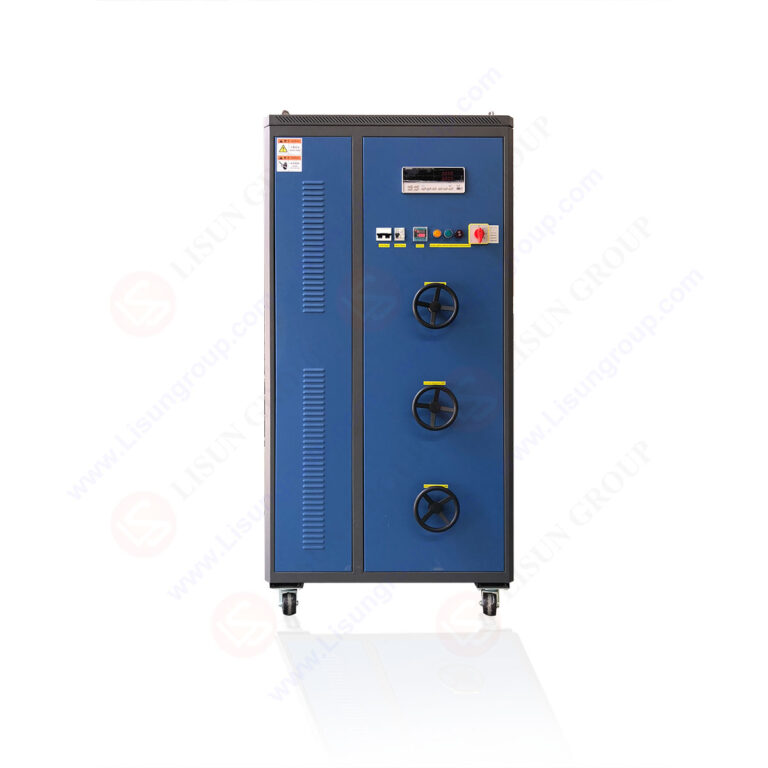



Evaluating Fire Hazard Resistance: The Glow Wire Apparatus in Material and Component Safety Testing
The proliferation of complex electrical and electronic systems across diverse industries has necessitated the development of rigorous safety standards to mitigate fire risks. Among the most critical hazards is the potential for ignition due to overheated components or faulty connections, which can simulate conditions far exceeding normal operational temperatures. To assess a material or component’s resistance to such thermal stress, standardized fire hazard testing is indispensable. The Glow Wire Apparatus emerges as a fundamental instrument within this testing paradigm, providing a reproducible and severe assessment of a product’s ability to withstand thermal abuse without propagating fire.
This apparatus simulates a scenario where an electrical conductor, due to malfunction or overload, reaches incandescent temperatures and contacts adjacent non-metallic materials. The test evaluates not only ignition propensity but also the duration and characteristics of any subsequent combustion. Compliance with glow wire test standards is a mandatory requirement in the certification pathways for a vast array of products, serving as a key indicator of inherent safety and design robustness.
Fundamental Principles of the Glow Wire Test Method
The core operational principle of the Glow Wire Apparatus is deceptively simple yet scientifically stringent. It employs a standardized heating element, typically a coiled wire of a specific composition (often 80% nickel and 20% chromium), which is electrically heated to a precisely calibrated temperature. This heated element, the “glow wire,” is then applied with a defined force to the test specimen for a set period. The test parameters—temperature, application force, and duration—are dictated by the relevant international standard, such as IEC 60695-2-10 through 2-13.
The evaluation criteria are multifaceted. Primary observations include whether the specimen ignites, and if so, the time to ignition (Ti). Following removal of the glow wire, critical metrics are recorded: the duration of any sustained flaming (Te, the afterflame time) and whether dripping particles, if any, ignite a specified tissue paper placed below the specimen. The specimen’s behavior is graded against pass/fail criteria specific to the applied temperature and the end-product standard. This methodology provides a quantifiable measure of a material’s resistance to heat and flame, reflecting its performance in a simulated fault condition rather than its behavior in a large-scale fire.
Technical Architecture and Operational Parameters of a Modern Apparatus
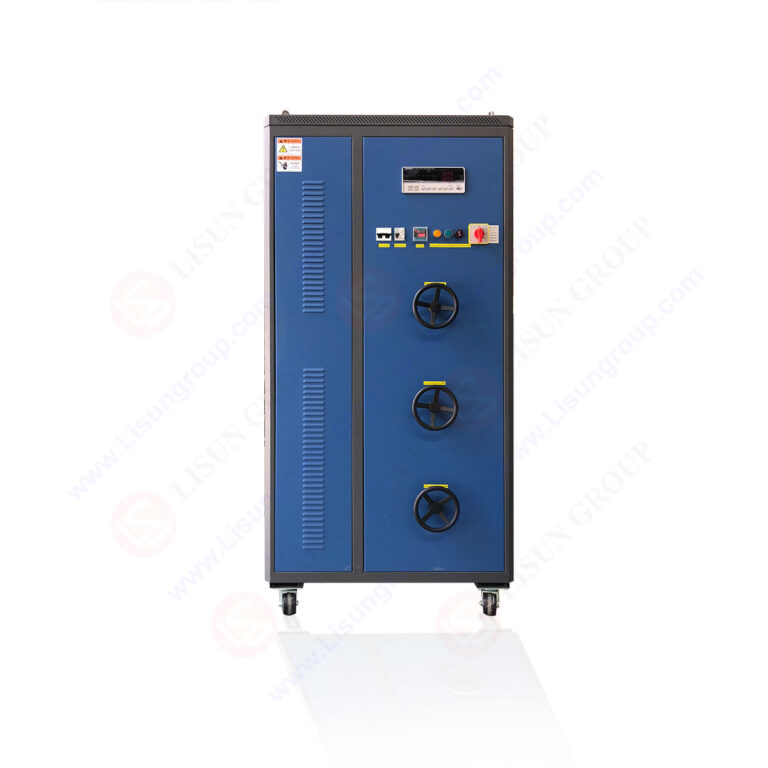
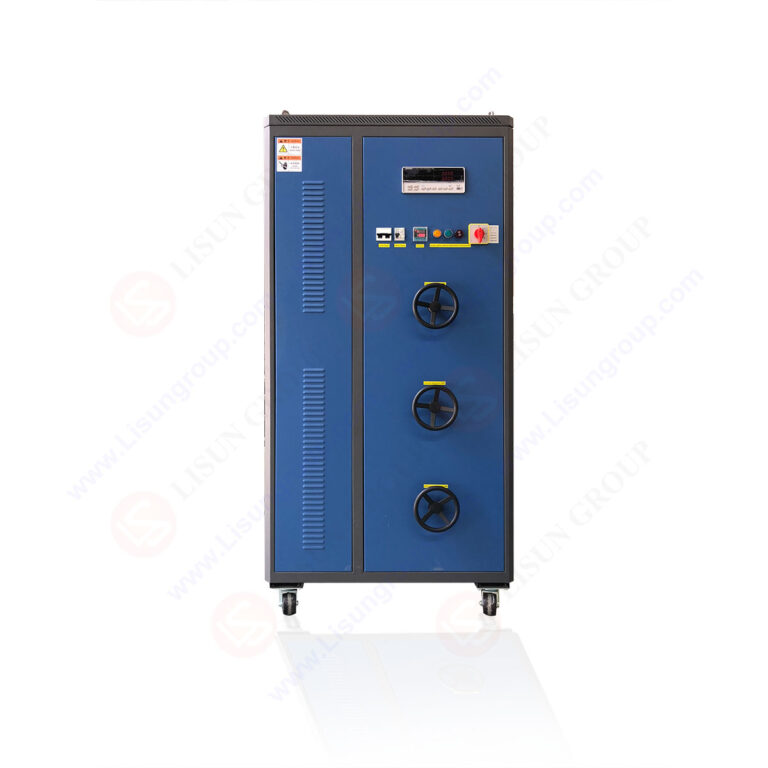
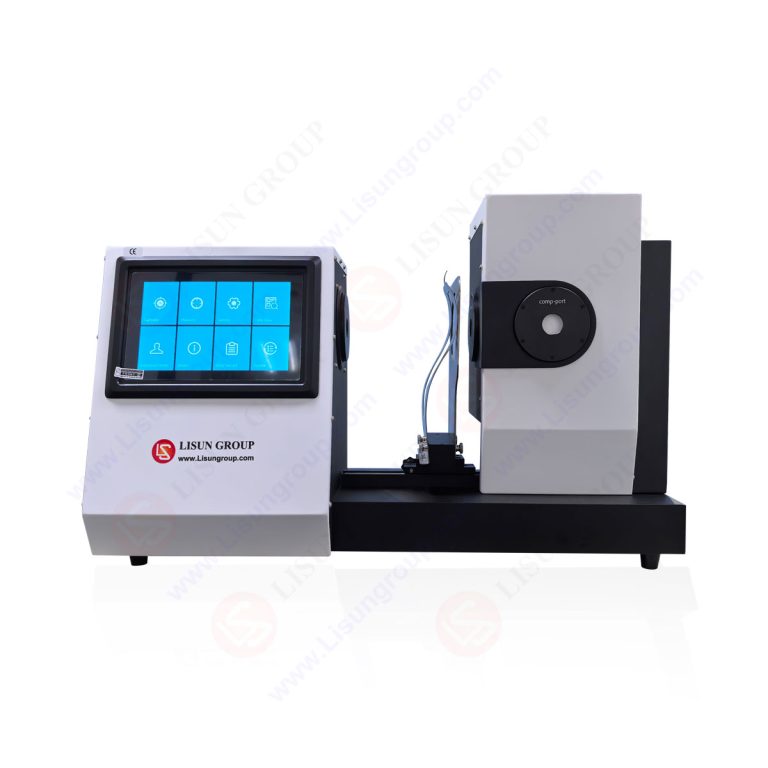
A contemporary Glow Wire Apparatus, such as the LISUN ZY-3 Needle Flame Test Apparatus, is an engineered system designed for precision, repeatability, and user safety. Its architecture integrates several key subsystems. The heart of the system is the glow wire probe assembly, comprising the heating element, a thermocouple for closed-loop temperature control, and a mechanism for consistent application. The apparatus must maintain the wire temperature within a tight tolerance (typically ± 10°C) at the point of contact, a non-trivial engineering challenge given thermal losses.
The specimen support and positioning system is equally critical. It must securely hold test items of varying geometries—from flat plaques to complex assemblies like switches or sockets—ensuring the prescribed 1.0 N ± 0.2 N contact force is applied perpendicularly. A calibrated timing system automates the application period, usually 30.0 s ± 1.0 s, and records afterflame duration. Environmental consistency is maintained through a controlled test chamber, often equipped with an exhaust system to remove combustion products. Advanced units feature digital interfaces for setting test parameters, real-time temperature graphing, and automated data logging, which enhances reproducibility and simplifies audit trails.
For illustrative purposes, key specifications of a representative apparatus are outlined below:
| Parameter | Specification |
|---|---|
| Glow Wire Temperature Range | 500°C to 1000°C (continuously adjustable) |
| Temperature Control Accuracy | ± 2°C (at the thermocouple); ± 10°C (at the glow wire tip) |
| Application Force | 1.0 N ± 0.2 N (mechanically or digitally applied) |
| Application Time | 0 to 999.9 s (digital timer, typically set to 30.0 s) |
| Afterflame Timer | 0 to 999.9 s (automatic activation upon ignition) |
| Specimen Depth | Adjustable to accommodate components up to 50mm in height |
| Compliance Standards | IEC 60695-2-10, -2-11, -2-12, -2-13; GB/T 5169.10-13; UL 746A |
The LISUN ZY-3 Needle Flame Test Apparatus: A Focused Implementation
While the term “Glow Wire Apparatus” is broad, specific implementations are tailored for particular standards. The LISUN ZY-3 Needle Flame Test Apparatus is a specialized variant designed explicitly for tests defined under IEC 60695-11-5, which employs a small, needle-like flame rather than a glowing wire. This test is crucial for assessing the flammability of small, isolated areas or components that may be exposed to a small ignition source, such as a faulty capacitor arc or a transient spark. The ZY-3’s design principles mirror the rigor of a glow wire apparatus but with a focused flame application.
The apparatus generates a consistent 12mm ± 2mm high flame from a specified burner, applying it to the test specimen at predetermined angles and durations. Its competitive advantages lie in its precision and reliability. A high-quality methane or propane supply system with fine-adjustment valves ensures flame consistency. A calibrated copper block calorimeter is used to verify the flame’s thermal output (1000W ± 50W at a defined distance). The ZY-3’s rigid construction minimizes vibration, ensuring stable flame application, while its intuitive controls allow for precise timing of flame application and afterflame observation. For industries manufacturing compact electronics, miniature switches, or internal PCB assemblies, the ZY-3 provides the critical data needed to verify compliance with flammability clauses in safety standards.
Industry-Specific Applications and Regulatory Imperatives
The application of glow wire testing is pervasive across sectors where electrical safety is non-negotiable. In Electrical and Electronic Equipment and Consumer Electronics, the test is applied to enclosures, internal supports, and insulating materials to prevent fire initiation from overheated internal components. Household Appliances, from coffee makers to washing machine control panels, are tested to ensure safety in the event of a thermostat failure or motor overload.
The Automotive Electronics sector relies heavily on these tests for components within the passenger compartment and engine bay, where temperature extremes and vibration increase fault risks. Connectors, sensor housings, and infotainment system parts must demonstrate high glow wire ignition temperatures (GWIT). Lighting Fixtures, particularly those using LEDs where driver electronics are integrated into the housing, require testing on diffusers, covers, and terminal blocks.
For Industrial Control Systems, Telecommunications Equipment, and Office Equipment, the focus is on materials used in servers, routers, PLC housings, and power supplies, where continuous operation and high current loads are present. Medical Devices employ the test for external casings and non-invasive component materials, as patient safety environments preclude any fire risk. In Aerospace and Aviation Components, while often governed by more stringent standards like those from FAA or EUROCAE, glow wire principles inform material selection for cabin electronics and wiring insulation.
Perhaps the most direct application is for Electrical Components such as switches, sockets, circuit breakers, and connectors. These are tested as complete assemblies, as the interaction between different materials (e.g., a polycarbonate housing and a phenolic interior) under thermal stress is critical. Similarly, Cable and Wiring Systems may have their insulation and sheathing materials tested to ensure they do not readily propagate flame from a localized hot spot.
Interpreting Test Results and Material Classification
The outcome of a glow wire test is not merely a pass/fail datum but a classification that informs material selection and design. The three primary classifications are Glow Wire Flammability Index (GWFI), Glow Wire Ignition Temperature (GWIT), and Needle Flame Test performance.
The GWFI is the highest temperature at which a material does not ignite or, if it does, extinguishes within 30 seconds after removal of the glow wire and does not ignite the tissue paper below. It is a measure of a material’s ability to not spread fire. The GWIT is the temperature 25°C above the maximum temperature at which the material does not ignite for a sustained period (exceeding 5 seconds). It is a more stringent measure of ignition resistance. For needle flame tests, the criteria involve whether flames spread to surrounding parts or if burning drips occur within a specified time.
A material achieving a GWFI of 850°C or a GWIT of 775°C, for example, is considered suitable for high-risk applications. These values become part of a component’s technical datasheet and are essential for engineers performing failure modes and effects analyses (FMEA). The data allows for comparative material selection, balancing safety performance with other properties like cost, weight, and mechanical strength.
Ensuring Calibration and Metrological Traceability
The validity of any glow wire test is intrinsically linked to the calibration and maintenance of the apparatus. Regular calibration is mandated by both quality management systems (e.g., ISO/IEC 17025) and the test standards themselves. Key calibration points include the verification of the applied force via a certified force gauge, the accuracy and response time of the temperature measurement system (thermocouple and indicator), and the dimensional accuracy of the glow wire probe itself.
Metrological traceability to national or international standards is paramount. The temperature readout must be traceable to a recognized standard, often through the calibration of the thermocouple and indicator against a reference standard in a controlled furnace. The timing mechanisms are verified against a traceable time source. For apparatuses like the LISUN ZY-3, the flame calibration process—using the copper block calorimeter—is a critical periodic check to ensure the flame’s thermal power conforms to the standard’s stipulations. Without this rigorous calibration regimen, test results lack defensibility and may not be recognized by certification bodies such as UL, TÜV, or Intertek.
Integration within a Broader Product Safety Strategy
It is crucial to position glow wire testing within a holistic product safety engineering framework. It is one tool among many, including ball pressure testing, arc resistance testing, and various flame tests (e.g., UL 94 V). The glow wire test specifically addresses the hazard of hot parts, which is a distinct failure mode from, say, a high-current arc or a large external fire.
Therefore, its application is determined by a risk assessment based on the final product’s intended use, its electrical ratings, and its potential failure modes. A comprehensive safety standard for a household switch will specify not only the required glow wire test temperature (e.g., 850°C for parts carrying current) but also other complementary tests. The data from glow wire testing feeds into the technical construction file required for CE marking under the Low Voltage Directive or other global market access certifications, providing objective evidence of due diligence in mitigating fire risks.
Frequently Asked Questions (FAQ)
Q1: What is the practical difference between the GWFI and GWIT classifications, and how should a design engineer use them?
GWFI assesses whether a material, once ignited, will self-extinguish and not spread fire. GWIT is a more conservative measure focused on preventing ignition altogether. A design engineer should first consult the end-product standard for mandatory minimum ratings. For high-reliability applications or where a component is in a confined space with other flammables, specifying a material with a high GWIT offers a greater safety margin. GWFI is often sufficient for applications where some charring is acceptable provided flame spread is contained.
Q2: Can a complete sub-assembly, like a plastic-encased relay, be tested, or must only material plaques be used?
Both approaches are standardized and valuable. IEC 60695-2-11 covers testing of end-products, while -2-12 and -2-13 cover material testing. Testing the final assembly is often more representative, as it accounts for factors like wall thickness, ribs, material interfaces, and the presence of metal parts that act as heat sinks. Material testing provides baseline data for selection. Most certification schemes require testing on the end-product or a representative section thereof.
Q3: How does the needle flame test (e.g., with the LISUN ZY-3) differ in its simulation from the standard glow wire test?
The needle flame test simulates a small, localized flame from an electrical fault like a poor contact spark or a capacitor failure. It is a flame impingement test. The standard glow wire test simulates heat from a glowing solid object, like an overheated winding or resistor. The ignition mechanisms and heat transfer profiles differ. The needle flame test is typically applied to smaller areas and for shorter durations, assessing the risk from small ignition sources rather than sustained thermal overload.
Q4: What are common reasons for test failure, and what are the typical material or design remedies?
Common failures include prolonged afterflame, ignition of drips, or full specimen consumption. Remedies include material reformulation: incorporating flame retardants (halogenated, phosphorus-based, or mineral fillers like aluminum trihydroxide), using inherently resistant polymers (e.g., certain polyamides, thermosets like phenolic), or increasing wall thickness to act as a heat sink. Design changes can involve adding thermal barriers, creating air gaps between the heat source and material, or using metal shields in critical areas.
Q5: Is calibration of the apparatus required for each test temperature?
Not for each discrete test temperature, but the apparatus’s temperature control system must be calibrated across its entire operational range. A calibration certificate will typically verify accuracy at several points (e.g., 550°C, 750°C, 960°C). The linearity and error across the range are established. For daily verification, a single-point check at a commonly used temperature (e.g., 750°C) using a traceable thermometer is a standard good practice to ensure ongoing instrument health.