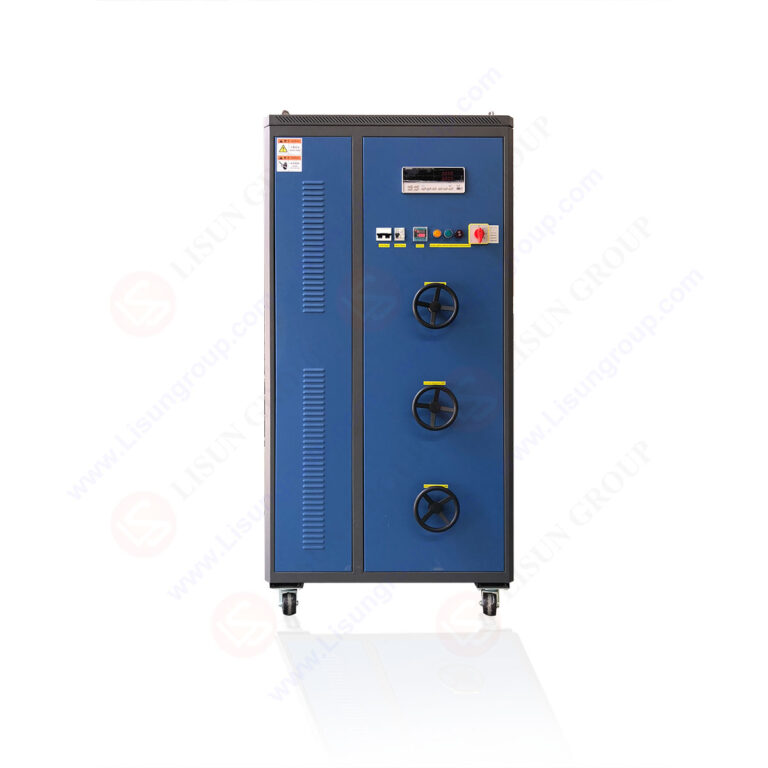



A Methodical Framework for Selecting Dust and Sand Test Equipment
The ingress of particulate matter—specifically dust and sand—represents a pervasive and potentially catastrophic threat to the operational integrity of a vast array of products. For engineers, quality assurance managers, and product designers, the selection of appropriate test equipment to validate ingress protection (IP) ratings, particularly IP5X and IP6X for dust, and to simulate abrasive sand-laden environments, is a critical component of the product development lifecycle. This selection process is not merely a compliance exercise but a fundamental engineering decision that directly influences product reliability, safety, and market acceptance. An ill-suited testing apparatus can yield non-representative data, leading to either costly over-engineering or, more perilously, undetected field failures.
This article provides a structured, technical framework for selecting dust and sand test equipment, emphasizing a requirements-driven approach grounded in international standards, operational parameters, and specific product vulnerabilities.
Defining the Particulate Threat Environment
The initial and most crucial step in equipment selection is a rigorous analysis of the intended threat environment. “Dust” and “sand” are generic terms that encompass a wide spectrum of particulate characteristics. The testing approach must be tailored to the specific nature of the particulate challenge.
Dust, as defined in standards such as IEC 60529, is fine talcum powder with a particle size predominantly below 75 µm. Its primary failure modes are infiltration and settling, which can lead to electrical short circuits, optical obscuration, mechanical binding, and thermal insulation causing overheating. For example, in Telecommunications Equipment and Industrial Control Systems, conductive dust accumulation on circuit boards can create leakage paths, while in Lighting Fixtures, it drastically reduces luminous efficacy.
Sand, typically simulated with Arizona Road Dust or similar silica-based particulates (e.g., 0-150 µm), presents a combined threat of infiltration and abrasion. The abrasive action can degrade seals, scratch optical surfaces, and wear down moving parts. This is particularly critical for Automotive Electronics mounted near wheel wells, Aerospace and Aviation Components exposed on aircraft exteriors, and Electrical Components like connectors in off-road or agricultural machinery.
A product destined for a consumer electronics shelf requires a fundamentally different test severity than a sensor for a Mars rover. The selection process must begin with a clear definition: Is the primary concern fine dust sealing (IP5X/IP6X), abrasive sand resistance, or a combination of both?
Interpreting and Applying Relevant Industry Standards
Compliance with recognized international standards is non-negotiable for market access and liability mitigation. Test equipment must be capable of replicating the test conditions prescribed by these standards with precision and repeatability. Key standards include:
- IEC 60529 (Degrees of Protection Provided by Enclosures – IP Code): The cornerstone for dust ingress testing (IP5X: dust protected; IP6X: dust tight). It specifies the use of talcum powder, test chamber vacuum requirements, and duration.
- IEC 60068-2-68 (Test L: Dust and Sand): Provides more detailed methods for dust and sand tests, including blowing sand tests for abrasive evaluation.
- ISO 20653 (Road vehicles – Degrees of protection – IP code): The automotive-specific interpretation of IP ratings, often requiring more severe testing cycles.
- MIL-STD-810G, Method 510.5 (Sand and Dust): A comprehensive military standard defining procedures for both blowing dust and blowing sand, often referenced in Aerospace, Automotive, and Military applications.
- GB/T 4208: The Chinese national standard equivalent to IEC 60529, critical for products entering the Chinese market.
The selected equipment must demonstrably meet the mechanical, aerodynamic, and control requirements of the target standard(s). For instance, a pure IP6X test chamber may not have the necessary air velocity and sand dosing systems required for MIL-STD-810G blowing sand tests. A table summarizing key parameters is essential for cross-comparison.
Table 1: Key Test Parameters Dictated by Major Standards
| Standard | Test Type | Particulate | Key Controlled Parameters | Typical Application Industries |
|---|---|---|---|---|
| IEC 60529 | IP5X / IP6X | Talcum Powder (< 75µm) | Vacuum pressure (0.2 kPa below atm), test duration (2-8 hrs), dust concentration | Electrical & Electronic Equipment, Household Appliances, Lighting, Consumer Electronics |
| IEC 60068-2-68 | Test La (Dust) | Talcum Powder | Airflow to maintain suspension, concentration (2kg/m³ suggested), duration | Industrial Control, Telecom, Office Equipment |
| IEC 60068-2-68 | Test Lb (Sand) | Sand (e.g., 150-850µm) | Air velocity (18-29 m/s), sand concentration (1-3 g/m³), temperature | Automotive, External Telecom, Aerospace Components |
| MIL-STD-810G | Blowing Dust/Sand | Arizona Road Dust / Silica Sand | Air velocity (1.5-40 m/s), temperature cycling, duration (6-12 hrs per axis) | Aerospace, Military, Automotive, Ruggedized Devices |
Critical Technical Specifications of Test Equipment
With standards and environmental threats defined, evaluation must focus on the technical specifications of the test equipment. These specifications are the quantifiable metrics that determine suitability.
- Chamber Volume and Workspace: The internal dimensions must accommodate the product under test (PUT) with sufficient clearance to ensure uniform particulate circulation. For large Household Appliances or Electrical Cabinets, a walk-in chamber may be necessary. For Medical Devices or Electrical Components, a benchtop model suffices.
- Particulate Dispersion System: This is the core of the apparatus. For dust tests, a mechanical circulation system (fan/blower) must maintain a homogeneous cloud. For sand tests, a high-velocity air jet combined with a calibrated sand feeder is required. The system must achieve and maintain the concentration (g/m³) specified by the standard.
- Airflow Velocity and Control: Critical for sand abrasion tests and some dust suspension tests. The equipment must offer precise, adjustable control over airflow velocity (e.g., 1-30 m/s) with documented uniformity across the workspace.
- Vacuum System (for IP5X/IP6X): For IP6X testing, the chamber must be able to create and maintain a sustained vacuum (typically 0.2 kPa or 20 mbar below atmospheric pressure) inside the PUT to draw dust into any potential leak paths. The pump capacity and control stability are vital.
- Filtration and Recovery System: A closed-loop system with high-efficiency filters is essential for operator safety, particulate reuse, and laboratory cleanliness. It prevents the release of hazardous fine dust (like silica) into the lab environment.
- Control and Monitoring System: Modern equipment should feature programmable logic controllers (PLCs) or touch-screen interfaces allowing for the creation, storage, and precise execution of test profiles (controlling time, vacuum, airflow, etc.). Data logging of key parameters is mandatory for audit trails.
- Construction and Materials: The chamber interior and circulation pathways must be constructed of abrasion-resistant materials (e.g., stainless steel) to withstand the erosive effect of sand over thousands of test hours.
The LISUN SC-015 Dust Sand Test Chamber: A Technical Analysis
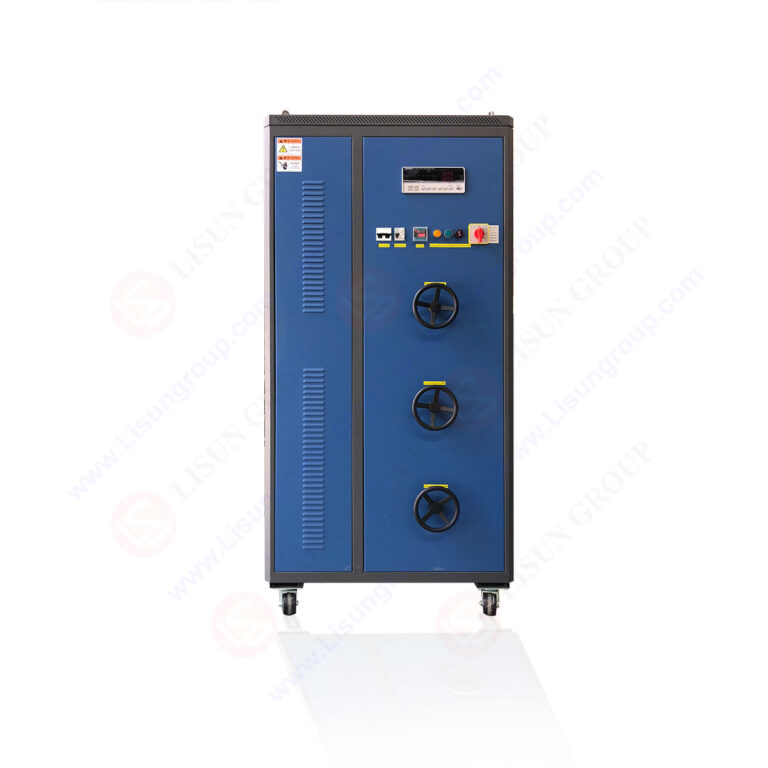
As a representative example of a modern, integrated testing solution, the LISUN SC-015 Dust Sand Test Chamber embodies the technical specifications required for rigorous compliance testing across multiple standards. Its design addresses the core requirements for both fine dust ingress and abrasive sand testing.
Testing Principles and Operational Modes: The SC-015 operates on a closed-loop circulation principle. A centrifugal blower generates controlled airflow, which carries particulate from a reservoir into the test workspace via a diffuser, creating a uniform cloud or stream. For IP5X/IP6X testing, a vacuum system connected to the PUT creates the necessary pressure differential. For blowing sand tests, a dedicated sand feeder and nozzle assembly introduce abrasive particulates into the high-velocity airstream. Particulate is then recovered via a bottom funnel, filtered, and recirculated, ensuring consistent concentration.
Key Specifications:
- Compliance Standards: IEC 60529, IEC 60068-2-68, ISO 20653, GB/T 4208, and others.
- Chamber Volume: Available in multiple standard volumes (e.g., 0.5m³, 1m³) to suit different product sizes.
- Dust Concentration: Controllable, capable of maintaining the 2kg/m³ suggested by IEC 60068-2-68.
- Air Velocity (Sand Test): Adjustable range, typically up to 30 m/s, covering the requirements of MIL-STD-810G and IEC 60068-2-68 Test Lb.
- Vacuum System: Integrated vacuum pump and pressure gauge capable of achieving and maintaining the 0.2 kPa depression for IP6X testing.
- Control System: Features a programmable touch-screen controller for setting test time, vacuum level, and airflow, with automatic cycle completion.
- Construction: Interior made of SUS304 stainless steel; observation window with wiper; sealed bearings and abrasion-resistant blower components.
Industry Use Cases and Competitive Advantages: The SC-015’s versatility makes it applicable across the listed industries. For Automotive Electronics suppliers, it can validate IP6X sealing of a head-up display while also performing abrasive sand tests on a door latch mechanism. A Lighting Fixture manufacturer can test the dust-tight integrity of a commercial LED high-bay luminaire for warehouse use. Its integrated design—combining dust, sand, and vacuum functions in a single unit—presents a significant space and cost advantage over sourcing separate, specialized chambers. The precise control over particulate concentration and airflow velocity ensures repeatable, standards-compliant results, reducing test uncertainty. The robust filtration and recovery system minimizes particulate waste and operational hazard, a key consideration for labs handling large volumes of tests for Electrical Components or Cable and Wiring Systems.
Integrating Equipment Selection into the Product Validation Lifecycle
The chosen test equipment is not an isolated asset but a node in the broader product validation lifecycle. Selection must consider throughput, future needs, and integration with other testing regimes.
- Throughput and Automation: For high-volume production of Consumer Electronics or Switches and Sockets, semi-automated loading/unloading or multiple test stations may be necessary to keep pace with quality control demands.
- Scalability and Future-Proofing: Will the product line evolve to include larger enclosures or face more severe environmental profiles? Selecting a chamber with marginal excess capacity or modular upgrade options can protect capital investment.
- Complementary Testing: Dust and sand testing often precedes or follows other environmental tests (e.g., temperature/humidity, vibration, waterproof). Equipment that can be easily integrated into a combined test sequence, or that shares form factors with other chambers, streamlines validation.
Conclusion: A Synthesis of Requirements and Specifications
Selecting the right dust and sand test equipment is a systematic engineering process that begins with a threat assessment and ends with the validation of product resilience. It requires a deep understanding of applicable standards, a meticulous comparison of technical specifications against product requirements, and a strategic view of the testing laboratory’s workflow. Equipment like the LISUN SC-015 demonstrates how modern integrated chambers can meet the multifaceted demands of contemporary standards, from validating the dust-tight seal of a Medical Device enclosure to simulating a sandstorm assault on an Aerospace and Aviation Component. By adhering to a methodical selection framework, organizations can ensure their testing investments yield reliable, defensible data, ultimately leading to more robust and successful products.
Frequently Asked Questions (FAQ)
Q1: Can a single test chamber adequately perform both IP6X dust ingress testing and MIL-STD-810G blowing sand testing?
A: Yes, provided the chamber is specifically designed for both functions. Key requirements include a precise vacuum system for IP6X, a high-velocity airflow system with a calibrated sand feeder for MIL-STD sand tests, and a control system capable of programming both distinct test profiles. Integrated chambers like the LISUN SC-015 are engineered for this dual-purpose application.
Q2: How often must the test particulate (talcum powder or sand) be replaced in a closed-loop test system?
A: Replacement frequency depends on usage and the system’s filtration efficiency. Talcum powder can break down over time, affecting particle size distribution. Arizona Road Dust may lose its abrasive edge. It is recommended to monitor particulate condition regularly and replace it per the equipment manufacturer’s guidelines or when test repeatability cannot be maintained, typically after several hundred hours of operation.
Q3: For IP6X testing, how is the internal vacuum of the product under test created and monitored?
A: The test chamber includes a vacuum pump and piping. A sealed port connects this system to a dedicated opening on the product’s enclosure. A pressure gauge or sensor is placed in-line to monitor and confirm that the required vacuum level (e.g., 0.2 kPa below atmospheric pressure) is drawn and maintained inside the product for the test duration, as per IEC 60529.
Q4: What safety precautions are necessary when operating a sand and dust test chamber?
A: Primary hazards include inhalation of fine particulates and abrasion from equipment wear. Essential precautions include: ensuring the chamber’s filtration and sealing integrity is maintained; using appropriate personal protective equipment (PPE) such as dust masks when handling particulate; and performing regular maintenance on moving parts and seals subject to abrasive wear to prevent mechanical failure.