


The Role of Fog Chambers in Accelerated Corrosion Testing for Product Reliability
In the competitive landscape of modern manufacturing, product reliability is not merely an aspiration but a fundamental requirement. For components and assemblies destined for environments where moisture, salt, and corrosive atmospheres are prevalent, failure is not an option. The scientific validation of a product’s resilience to such conditions is therefore a critical phase in the design, qualification, and production release process. Among the most established and indispensable tools for this validation is the fog chamber, an apparatus designed to simulate and accelerate corrosive degradation through controlled environmental stress. This article examines the operational principles, standardization, and industrial application of fog chambers, with a specific focus on their indispensable role in ensuring long-term product reliability across diverse technological sectors.
Fundamental Principles of Salt Spray and Corrosion Fog Testing
At its core, a fog chamber operates on the principle of accelerated corrosion testing. Unlike natural environmental exposure, which can take years to yield observable results, a fog chamber creates a highly controlled, aggressive atmosphere that compresses the corrosion timeline into a matter of days or weeks. The primary mechanism involves the atomization of a prepared test solution—most commonly a 5% sodium chloride (NaCl) solution per ASTM B117 and ISO 9227 standards—into a fine fog or mist. This mist is uniformly dispersed within a sealed testing chamber maintained at a constant elevated temperature, typically around 35°C ± 2°C.
The suspended saline droplets settle continuously onto the test specimens arranged within the chamber. This creates a thin, persistent electrolyte film on all exposed surfaces. The presence of this salt-laden moisture film initiates and sustains electrochemical corrosion processes, including anodic metal dissolution and cathodic oxygen reduction. The controlled conditions of temperature, humidity, solution chemistry, and pH (maintained between 6.5 and 7.2) ensure the test’s reproducibility and repeatability. The acceleration factor is achieved by maintaining constant “wet” conditions, eliminating the drying cycles that can sometimes slow corrosion in natural settings, and by the chloride ions’ aggressive nature, which breaks down passive oxide layers on metals like aluminum and stainless steel.
Interpreting Test Outcomes for Failure Mode Analysis
The value of fog chamber testing extends far beyond a simple pass/fail determination. It is a diagnostic tool for failure mode and effects analysis (FMEA). Post-test evaluation is a systematic process. Specimens are carefully removed, gently rinsed to remove residual salt deposits, and dried. Analysis then proceeds through both qualitative and quantitative lenses.
Qualitative assessment involves visual inspection against standardized rating charts, such as those provided in ISO 10289, which classify the type and extent of corrosion (e.g., white rust on zinc coatings, red rust on steel, pitting, blistering of paints). This visual data is crucial for identifying localized weaknesses in coatings, poor sealing at joints, or material incompatibilities. Quantitative assessment may involve measuring mass loss, determining the extent of corrosion creep from a scribe line in coated samples per ASTM D1654, or using electrochemical techniques to measure corrosion rates. The correlation between specific failure modes observed in the chamber and potential field failures allows engineers to make targeted design improvements, such as specifying more resistant alloys, enhancing coating thickness, improving sealant application, or modifying galvanic couplings.
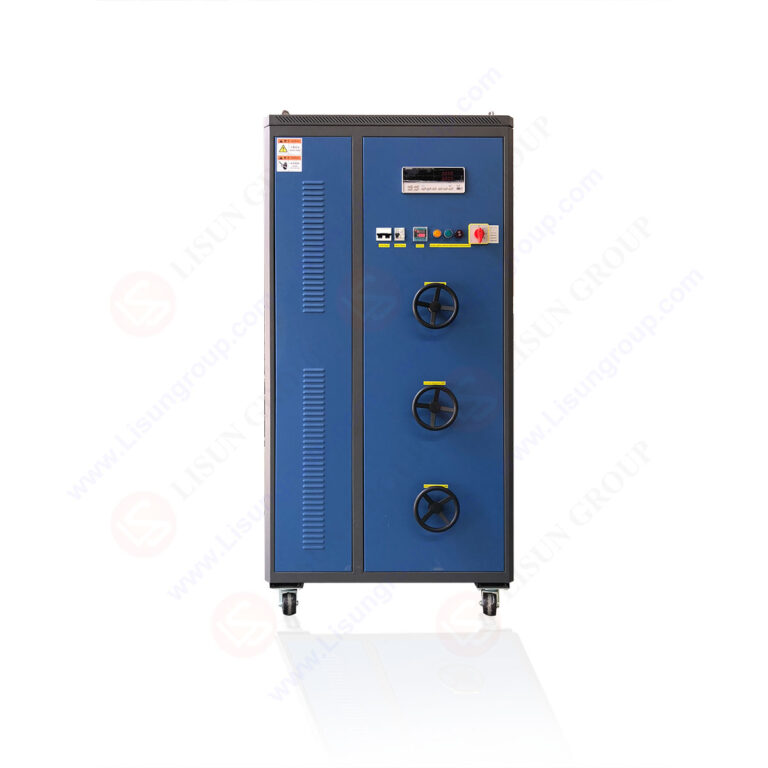
The YWX/Q-010X Cyclic Corrosion Test Chamber: Enhanced Simulation Fidelity
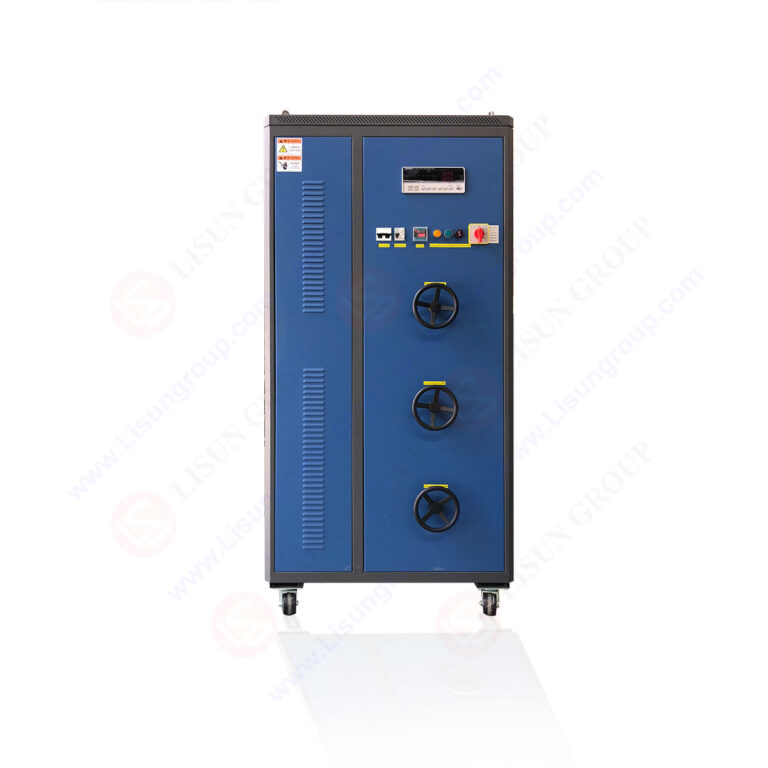
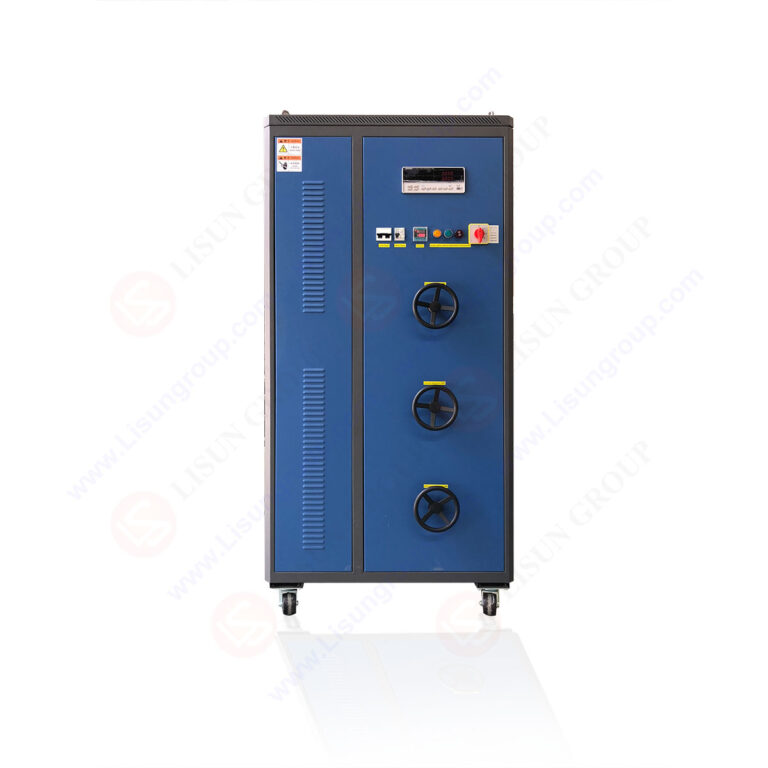
While traditional neutral salt spray (NSS) testing per ASTM B117 remains a vital benchmark, it represents a single, constant environmental condition. Real-world exposures are invariably cyclic, involving phases of wetness, drying, and often different contaminant regimes. The LISUN YWX/Q-010X Cyclic Corrosion Test Chamber addresses this need for greater simulation fidelity. This advanced apparatus is engineered to execute programmable, multi-phase test profiles that more accurately mimic natural service environments.
The YWX/Q-010X builds upon the foundational salt spray test by integrating additional environmental control capabilities. Its core specifications and competitive advantages include:
- Multi-Mode Testing: It can perform not only standard NSS tests but also Acidified Salt Spray (ASS, per ISO 9227), Copper-Accelerated Acetic Acid Salt Spray (CASS), and, critically, cyclic tests that automatically alternate between salt spray, dry-off periods, and high-humidity dwell phases.
- Precise Environmental Control: The chamber features independent control over temperature and humidity, allowing for accurate simulation of condensation (100% RH) and drying stages. This cycling is crucial for testing organic coatings and composite materials, where osmotic blistering is often driven by wet/dry transitions.
- Programmable Logic Controller (PLC): A user-friendly touchscreen interface allows for the creation, storage, and execution of complex test profiles. This automation ensures test consistency, eliminates operator error in phase timing, and enables unattended operation over long durations.
- Robust Construction: The chamber interior and fluid pathways are constructed from corrosion-resistant materials like PP plastic or titanium to ensure longevity and prevent contamination of the test solution, which could skew results.
- Comprehensive Compliance: The design and performance adhere to major international standards, including ASTM B117, ISO 9227, IEC 60068-2-11, JIS Z 2371, and various automotive specifications like SAE J2334.
The competitive advantage of the YWX/Q-010X lies in its flexibility and accuracy. By enabling cyclic corrosion testing, it provides data that is more predictive of real-world performance compared to traditional constant spray tests, reducing the risk of over-testing or under-testing components.
Industry-Specific Applications and Reliability Validation
The application of fog chamber testing is ubiquitous across industries where electronic or metallic components face environmental stress. Below are specific use cases:
- Automotive Electronics: Testing engine control units (ECUs), sensors, connectors, and lighting assemblies for resistance to road salt splash. Cyclic tests in a chamber like the YWX/Q-010X simulate the daily drive cycle (wet from morning dew/salt, dry during operation, humid overnight).
- Aerospace and Aviation Components: Validating the performance of aluminum alloys, titanium fasteners, and avionics housings against marine atmospheres encountered in coastal operations.
- Electrical & Electronic Equipment/Industrial Control Systems: Ensuring that printed circuit board assemblies (PCBAs), enclosures (IP ratings validation), relays, and terminal blocks will not suffer from creepage corrosion, short circuits, or mechanical binding in industrial or outdoor settings.
- Telecommunications Equipment: Qualifying outdoor cabinets, antennas, waveguides, and coaxial connectors for base stations, where condensation and pollutant accumulation can lead to signal degradation or failure.
- Lighting Fixtures (Indoor & Outdoor): Assessing the integrity of LED driver electronics, heat sink coatings, and lens seals for streetlights, architectural lighting, and automotive lighting.
- Medical Devices: Testing the corrosion resistance of surgical instruments, implantable device housings, and diagnostic equipment that must withstand repeated sterilization and exposure to bodily fluids or cleaning agents.
- Household Appliances & Consumer Electronics: Validating the durability of control panels, internal chassis, and connector ports in washing machines, refrigerators, smartphones, and laptops against humid, saline-laden domestic environments (e.g., coastal homes, kitchens).
- Electrical Components & Cable Systems: Evaluating the performance of switches, sockets, wire harnesses, and cable insulation materials to prevent corrosion-induced increases in contact resistance or insulation breakdown.
Standards Compliance and Test Methodologies
Adherence to standardized test methodologies is paramount for generating credible, comparable, and legally defensible data. Fog chamber testing is governed by a robust framework of international standards. The selection of the appropriate standard is dictated by the product’s end-use and material system.
| Standard Designation | Title | Primary Application Scope |
|---|---|---|
| ASTM B117 | Standard Practice for Operating Salt Spray (Fog) Apparatus | The foundational standard for NSS testing of metallic coatings and organic coatings. |
| ISO 9227 | Corrosion tests in artificial atmospheres – Salt spray tests | International equivalent, covering NSS, ASS, and CASS methods. |
| IEC 60068-2-11 | Environmental testing – Part 2-11: Tests – Test Ka: Salt mist | Key standard for electrical and electronic components. |
| ASTM G85 | Standard Practice for Modified Salt Spray (Fog) Testing | Includes several annexes for more severe or specific tests (e.g., acetic acid, cyclic acidified). |
| SAE J2334 | Laboratory Cyclic Corrosion Test | A widely adopted automotive cyclic test profile. |
| ISO 11997-1 | Paints and varnishes – Determination of resistance to cyclic corrosion conditions | For multi-phase testing of paint systems. |
The YWX/Q-010X chamber is explicitly designed to meet the stringent requirements of these and other standards, ensuring that test parameters—including chamber temperature, saturation tower temperature, solution pH, collection rate, and spray/dry cycle timing—are maintained within specified tolerances.
Correlating Accelerated Test Results to Service Life Prediction
A persistent challenge in accelerated testing is establishing a quantitative correlation between chamber test hours and actual years of field service. This correlation is not a universal constant but varies significantly with material systems, design geometry, and the specific real-world environment. Engineers employ several strategies to build this predictive relationship.
Firstly, historical data is invaluable. By testing previous-generation products with known field performance records, a baseline correlation factor can be established. Secondly, using cyclic tests that better simulate environmental rhythms often yields a more linear and predictable correlation than constant spray tests. Thirdly, complementary testing, such as Prohesion (cyclic wet/dry with a different electrolyte) or field exposure at natural test sites, provides additional data points for correlation modeling. The data from a sophisticated instrument like the YWX/Q-010X, which provides precise control over each phase of a cyclic test, is inherently more suitable for building these empirical models. The goal is not to claim “X hours equals Y years,” but to use the test as a comparative tool for ranking materials, identifying design flaws, and providing a high-confidence qualitative assurance of fitness for purpose.
Limitations and Complementary Testing Protocols
It is critical to acknowledge the limitations of salt fog testing. It is a predominantly galvanic and chemical corrosion test and does not directly simulate other critical failure mechanisms such as UV degradation, thermal cycling stress, mechanical wear, or the effects of specific chemical pollutants (e.g., SO₂). Therefore, it is rarely used in isolation.
A comprehensive reliability validation program will integrate fog chamber testing into a larger suite of environmental stress tests. Common complementary protocols include:
- Temperature & Humidity Cycling: (e.g., IEC 60068-2-30) to induce thermal mechanical stress and condensation.
- UV Exposure: (e.g., ASTM G154) for polymer and coating degradation.
- Mixed Flowing Gas (MFG) Testing: To simulate atmospheric pollution in data centers or industrial areas.
- Vibration and Mechanical Shock Testing: To assess the combined effects of corrosion and mechanical stress.
In this context, the fog chamber serves as a specialized, essential tool within a broader reliability engineering toolkit, each test targeting specific, potential failure pathways.
Conclusion
Fog chambers remain a cornerstone of product reliability engineering for any item exposed to corrosive atmospheres. By providing a controlled, accelerated, and reproducible simulation of saline environments, they enable manufacturers to identify vulnerabilities, validate material choices, and prevent field failures before production. The evolution from simple constant spray chambers to advanced cyclic corrosion testers, exemplified by the LISUN YWX/Q-010X, represents a significant advancement in testing fidelity. This progression allows for more accurate modeling of real-world conditions, yielding data that is more predictive of long-term performance. As product lifecycles accelerate and reliability expectations intensify across the electrical, automotive, aerospace, and consumer goods industries, the role of precise, standards-compliant corrosion testing will only grow in importance, ensuring that products meet their designed service life with integrity.
FAQ Section
Q1: What is the key difference between the standard YWX/Q-010 salt spray test and the YWX/Q-010X model?
The primary distinction lies in testing capability. The standard YWX/Q-010 is designed for traditional, continuous Neutral Salt Spray (NSS) testing per ASTM B117. The YWX/Q-010X is a more advanced Cyclic Corrosion Test Chamber. It can perform NSS but adds programmable control over humidity and temperature to create automated test profiles that cycle between salt spray, high humidity, and dry-off phases. This makes the YWX/Q-010X suitable for a wider range of standards, including cyclic tests like those in SAE J2334, which are considered more representative of real-world environmental conditions for many applications.
Q2: For a new automotive electronic control module, would a standard salt spray test or a cyclic test be more appropriate?
A cyclic corrosion test is generally more appropriate and is increasingly mandated by automotive OEM specifications. An ECU experiences daily environmental cycles—exposure to morning dew and road salt, followed by engine compartment heating and drying during operation, and potential high humidity overnight. A cyclic test in a chamber like the YWX/Q-010X that replicates these wet/dry/humid phases is more effective at uncovering failure modes such as coating blistering due to osmotic pressure, creep corrosion under seals, and the cumulative effects of thermal expansion/contraction on corroded joints, providing a better prediction of field reliability.
Q3: How often should the test solution and chamber nozzles be maintained in a fog chamber?
Maintenance frequency is critical for test reproducibility. The prepared sodium chloride solution should be fresh for each test, using distilled or deionized water and high-purity salt to prevent clogging and contamination. Nozzles on the atomizers should be inspected and cleaned regularly, as mineral deposits can alter the fog droplet size and distribution, affecting the settlement rate. The chamber’s saturation tower water level and air filters must also be checked per the manufacturer’s schedule (often weekly or per test initiation). Consistent maintenance, as outlined in the operational manual, is non-negotiable for compliance with standards like ASTM B117, which specifies allowable solution collection rates.
Q4: Can fog chamber testing be used for complete, sealed consumer electronics devices like smartphones?
Yes, but with a specific purpose. For a fully sealed device, the test is not primarily evaluating internal component corrosion (which should be protected). Instead, it is validating the durability of external metallic finishes (e.g., aluminum frames, button coatings), the corrosion resistance of exposed connectors (USB-C, lightning ports), and the integrity of seals and gaskets that prevent salt-laden moisture ingress. Testing can identify if corrosive salts can breach seals or cause cosmetic degradation of exterior surfaces over time.
Q5: What are the critical parameters to monitor during a test to ensure standard compliance?
To ensure compliance with major standards, the following parameters must be continuously monitored and recorded:
- Chamber Temperature: Typically maintained at 35°C ± 2°C for NSS.
- Saturation Tower Temperature: Critical for maintaining correct humidity and droplet size; usually 47°C ± 2°C for NSS.
- Solution pH: Must be checked daily and adjusted to remain between 6.5 and 7.2 for NSS.
- Collection Rate: The volume of fog solution collected per hour in a specified funnel; ASTM B117 requires 1.0 to 2.0 ml/hour per 80cm².
- Solution Concentration: Verified via specific gravity or titration to ensure a 5% NaCl concentration.
- Cycle Timing: For cyclic tests, precise timing of spray, humid, and dry phases as per the programmed profile is essential.