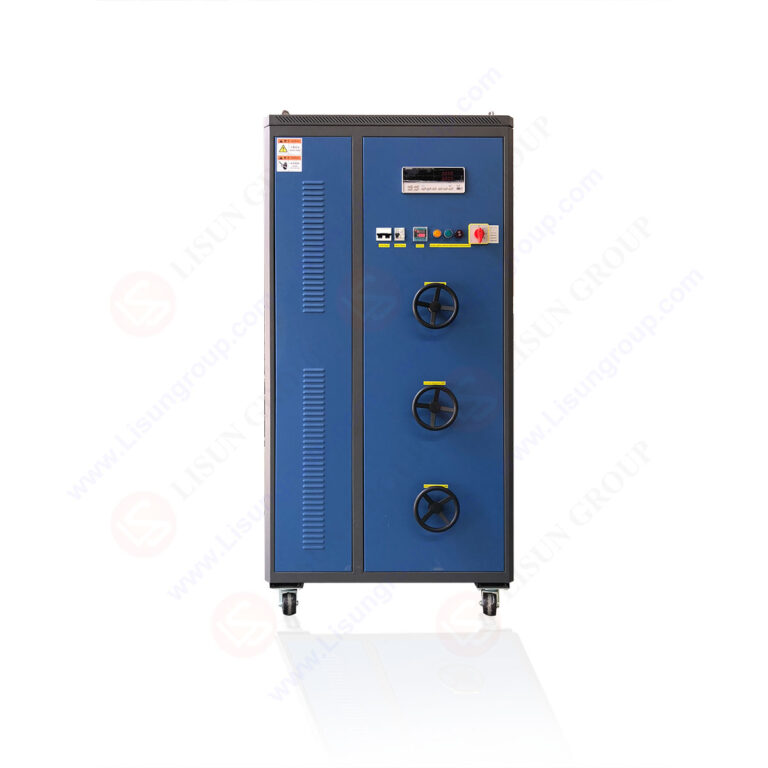



Evaluating Fire Hazard Resistance: The Role and Methodology of Needle Flame Testing
The proliferation of electrical and electronic equipment across domestic, commercial, and industrial environments has necessitated the development of rigorous safety standards to mitigate fire risks. Among the suite of flammability assessments, the needle flame test stands as a critical, specialized procedure designed to evaluate the resistance of materials and small components to a small, localized flame. This test simulates fault conditions, such as an overheated or arcing element, that may ignite adjacent parts. Compliance with needle flame test standards is not merely a regulatory hurdle but a fundamental aspect of product safety engineering, directly influencing design choices, material selection, and ultimately, the prevention of fire initiation and propagation.
Fundamental Principles of the Needle Flame Test
The needle flame test operates on a principle of controlled, localized ignition. Unlike larger-scale flame tests that assess widespread burning behavior, this method employs a precisely defined small flame, typically generated by a butane-fed burner with a specified orifice diameter. The test flame is applied for a predetermined duration to a designated point on the test specimen, which is mounted in a representative orientation. The primary objectives are to observe and measure the subsequent effects: the duration of any flame persistence after removal of the test flame (after-flame time), the extent of burning (damage length), and whether ignited drips fall and ignite a layer of surgical cotton positioned below. The test’s severity can be adjusted through parameters such as flame application time (commonly 30 seconds), flame height, and the temperature of the burner needle.
This methodology is particularly adept at assessing the behavior of non-metallic materials—including thermoplastics, thermosets, elastomers, and their composites—when subjected to thermal stress from an internal source. It answers a pivotal safety question: if a small internal component fails and produces a miniature flame, will the surrounding material resist ignition, self-extinguish, or contribute to a growing fire? The test’s localized nature makes it indispensable for evaluating items where a larger Bunsen burner flame, as used in horizontal or vertical burn tests, would be unrealistic or overly destructive.
Governing Standards and Their Technical Specifications
Needle flame testing is codified within several international and national standards, each with nuanced requirements that manufacturers must adhere to for market access. The most widely recognized standard is IEC 60695-11-5:2016, “Fire hazard testing – Part 11-5: Test flames – Needle-flame test method – Apparatus, confirmatory test arrangement and guidance.” This standard provides the definitive framework for the test apparatus, calibration procedure (using a specified copper block), and the fundamental test method. It is harmonized across many geographical regions.
In practice, product-specific standards reference IEC 60695-11-5 and impose additional pass/fail criteria tailored to the equipment’s use case. Key derivative standards include:
- IEC/EN 60950-1 (Information Technology Equipment): Historically mandated needle flame testing for certain internal parts. Its successor, IEC/EN 62368-1 (Audio/Video, Information and Communication Technology Equipment), continues this requirement, applying the test to parts that may be subjected to abnormal thermal conditions or that are in proximity to ignition sources.
- IEC/EN 60335-1 (Household and Similar Electrical Appliances): Requires needle flame testing for non-metallic materials supporting current-carrying parts, especially those that could be exposed to overheating due to abnormal operation.
- IEC/EN 60598-1 (Luminaires): Specifies the test for parts of luminaires that may be affected by heat from failed components like printed circuit boards or transformers.
- ISO 9772:2020 (Plastics — Determination of flammability of flexible vertical specimens in the form of a tape or film in contact with a small-flame ignition source): While not exclusively a needle flame standard, it addresses similar small-flame scenarios for thin materials.
The pass/fail criteria, while varying by end-product standard, generally focus on limiting after-flame time (e.g., ≤ 30 seconds), restricting the burned damage length (e.g., ≤ 60 mm from the point of application), and preventing the ignition of the cotton indicator by flaming drips. Compliance verification requires a precisely calibrated and reproducible test apparatus.
The LISUN ZY-3 Needle Flame Test Apparatus: Engineered for Precision
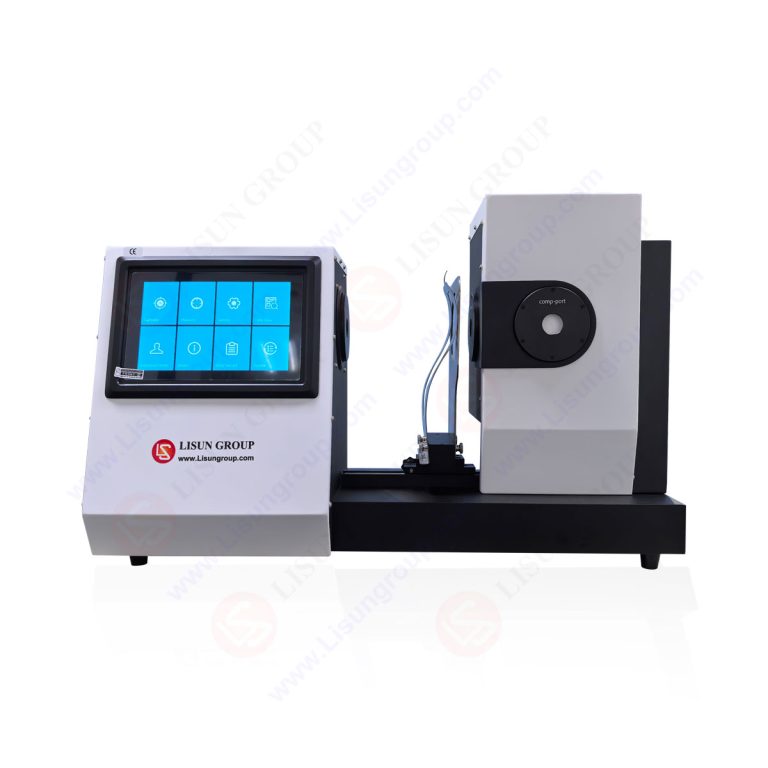
The LISUN ZY-3 Needle Flame Tester is a fully integrated apparatus designed to meet the exacting specifications of IEC 60695-11-5 and related standards. It provides a controlled, repeatable environment for conducting these critical safety evaluations.
Core Specifications and Design Features:
- Flame Source: Utilizes a high-precision adjustable needle burner, with gas flow controlled via a fine metering valve and monitored by a rotameter, ensuring a consistent flame of 12mm ± 1mm height as mandated by the standard.
- Timing System: An integrated digital timer with 0.1-second resolution automatically controls the flame application duration (typically 0-999.9 seconds adjustable) and measures after-flame and after-glow times.
- Calibration System: The apparatus includes a dedicated calibration setup featuring a standardized copper block (approx. 0.6g) with a Type K thermocouple. This allows for the mandatory confirmatory test, where the apparatus must achieve a temperature rise from 100°C to 700°C within a strict window of 23.5 ± 1.0 seconds.
- Test Chamber: A sealed stainless steel chamber with a heat-resistant glass observation window ensures operator safety and prevents drafts from influencing the test flame. Internal black matte paint minimizes light reflection for accurate observation.
- Specimen Mounting: Adjustable clamps and a specimen holder allow for the positioning of test items in various orientations (vertical, horizontal, or at 45°) as required by the end-product standard.
- Cotton Indicator Platform: A standardized platform for placing the surgical cotton layer to assess the hazard of burning drips is positioned 200 ± 5 mm below the test specimen.
- Gas Supply: Designed for use with commercially pure butane (≥95% purity), with pressure regulation provided.
Testing Principle in Practice: The operator secures the specimen, initiates the test sequence, and the apparatus applies the calibrated needle flame for the set duration. Upon flame removal, the timer automatically records combustion persistence. Post-test, the damage length is measured mechanically, and the condition of the cotton layer is examined. The integrated design of the ZY-3 minimizes variables, ensuring that results are a function of the material’s properties rather than apparatus inconsistency.
Industry-Specific Applications and Risk Mitigation
The needle flame test is applied across a diverse spectrum of industries to address unique failure modes and safety concerns.
- Electrical & Electronic Equipment / Telecommunications: Printed circuit boards (PCBs), connectors, insulation sleeving, and transformer bobbins are tested to ensure a fault in one component (e.g., a failed semiconductor) does not ignite the PCB substrate or surrounding plastic enclosures.
- Household Appliances: Non-metallic parts in close proximity to heating elements, motor windings, or terminal blocks in devices like food processors, coffee makers, and washing machines are evaluated. A failed thermostat, for instance, could generate a localized hot spot.
- Automotive Electronics: With the increasing electrification of vehicles, components within control units (ECUs), battery management systems, and wiring harness grommets are tested for resistance to flames from short circuits in the harsh under-hood environment.
- Lighting Fixtures: Especially relevant for LED drivers and plastic components near ballasts or transformers in both consumer and commercial lighting, where component overheating is a known failure mode.
- Industrial Control Systems: Relays, switchgear housings, and cable conduits used in factory automation are assessed to prevent small electrical faults from escalating within control panels.
- Medical Devices: Plastic housings and internal components of devices like patient monitors or infusion pumps are tested to ensure exceptional safety in oxygen-rich or critical care environments.
- Aerospace and Aviation: Components within cabin entertainment systems, control panels, and wiring insulation are subject to stringent flammability requirements, where the needle flame test forms part of a broader material qualification protocol.
- Electrical Components: Switches, sockets, and circuit breaker casings are directly tested, as they are points of electrical connection and potential arcing.
- Cable and Wiring Systems: While cables undergo larger-scale flame tests, cable ties, markers, and small sections of insulation may be evaluated with a needle flame to assess localized ignition resistance.
Operational Advantages of the Integrated ZY-3 System
The LISUN ZY-3 apparatus offers several distinct advantages that contribute to laboratory efficiency and data integrity. Its primary benefit is standard compliance and calibration integrity. The built-in calibration system simplifies the mandatory periodic confirmatory tests, ensuring the apparatus consistently delivers the energy output specified in IEC 60695-11-5. This traceable calibration is fundamental for audit readiness and generating defensible test reports.
Furthermore, the enhanced repeatability and reproducibility stem from its stable gas flow control, precise timing, and draft-free chamber. These features minimize inter-operator and inter-laboratory variability, a common challenge in flammability testing. From an operational safety and usability perspective, the enclosed chamber protects the operator from flame and fumes, while the logical layout of controls and the clear observation window streamline the testing procedure. The robust construction ensures long-term reliability in a quality control or certification laboratory environment, reducing downtime and maintenance costs. Finally, its comprehensive design eliminates the need for sourcing separate timers, stands, and calibration kits, providing a complete, ready-to-use solution that accelerates laboratory setup and validation.
Interpretation of Test Data and Material Selection Implications
A successful needle flame test result provides quantitative data that engineers must interpret within the context of the final product’s safety certification. The recorded after-flame time and measured damage length are not merely pass/fail metrics; they offer comparative data for material selection. A material with an after-flame time of 5 seconds and a damage length of 15 mm presents a significantly lower fire hazard than one that just meets the maximum allowable limits. This data drives material science, encouraging the development and adoption of flame-retardant compounds—often incorporating additives like halogenated or halogen-free retardants—that can reliably meet these thresholds without compromising other mechanical or electrical properties.
The test also informs design decisions. A component that fails the test in its initial form may be redesigned with a protective metallic shield, moved to a location farther from potential ignition sources, or embedded within an assembly that limits oxygen availability. Thus, the needle flame test serves as both a validation tool and a guide in the iterative process of designing for inherent safety.
Frequently Asked Questions (FAQ)
Q1: How often does the LISUN ZY-3 Needle Flame Tester require calibration, and what does the process involve?
A1: Calibration should be performed at regular intervals as dictated by laboratory quality procedures (e.g., annually) and whenever the burner or gas system is serviced. The process involves using the supplied copper block and thermocouple. The needle flame is applied to the block, and the time for the block’s temperature to rise from 100°C to 700°C is measured. The apparatus is only deemed calibrated if this time is 23.5 ± 1.0 seconds. Adjustments to the gas flow are made if necessary.
Q2: Can the ZY-3 tester be used for standards other than IEC 60695-11-5?
A2: Yes. While its core design is built to IEC 60695-11-5, this standard is the foundational method referenced by many product-specific standards (e.g., IEC 62368-1, IEC 60335-1). The apparatus can be used to test specimens as required by these derivative standards. The key is to configure the test parameters—specimen orientation, flame application time, pass/fail criteria—according to the specific end-product standard being evaluated.
Q3: What are the critical factors for ensuring repeatable results when performing the needle flame test?
A3: Several factors are paramount: 1) Gas Purity: Use of ≥95% pure butane. 2) Laboratory Environment: Conducting tests in a draft-free room with stable temperature and humidity. 3) Specimen Conditioning: Preparing and conditioning specimens as specified in the relevant material or product standard. 4) Precise Flame Alignment: Ensuring the flame is applied to the exact point specified in the test standard. 5) Apparatus Calibration: Regular verification that the flame energy output meets the standard’s requirements.
Q4: For which types of components is the needle flame test considered unsuitable?
A4: The test is designed for small, solid electrical and electronic components and the materials from which they are made. It is generally unsuitable for evaluating finished products as a whole, very large parts, or materials that melt and form a pool without flaming (which may require different test methods). It is also not intended to assess the flammability of insulating liquids or foams, which have their own specific test protocols.