


Understanding the IP6X Rating: A Definitive Analysis of Complete Dust Ingress Protection
In the rigorous domain of product design and validation for electrical and electronic equipment, the assurance of operational integrity against environmental particulates is paramount. The Ingress Protection (IP) rating system, codified under international standard IEC 60529, provides a standardized methodology for classifying and defining the degrees of protection afforded by enclosures. Within this classification hierarchy, the IP6X rating represents the highest echelon of protection against solid foreign objects, specifically dust. This designation is not merely a marketing term but a critical performance specification with profound implications for product reliability, safety, and lifecycle across a diverse spectrum of industries.
Deciphering the IP Code: Structural Significance of the First Digit
The IP code is an alphanumeric designation comprising the letters “IP” followed by two characteristic numerals. The first numeral defines the level of protection against access to hazardous parts and the ingress of solid foreign objects. The scale ranges from 0 (no protection) to 6 (complete protection against dust). The second numeral, which is outside the scope of this analysis, defines protection against the ingress of water. The “X” placeholder, as in IP6X, indicates that the protection against water has not been formally tested or is not specified, allowing the focus to remain solely on particulate ingress.
The progression to a first-digit rating of “6” signifies a qualitative leap in performance. Ratings from IP1X to IP5X offer varying degrees of protection against objects like wires, tools, and limited dust ingress. For instance, IP5X, often termed “dust protected,” permits a limited quantity of dust to enter, provided it does not interfere with the satisfactory operation of the equipment or impair safety. In contrast, IP6X, “dust tight,” mandates a zero-tolerance policy. No dust ingress is permitted under the defined test conditions. This absolute requirement necessitates fundamentally different design philosophies, sealing technologies, and validation protocols.
The Scientific and Operational Imperative for Dust Tightness
The infiltration of dust and sand particulates into an enclosure presents a multifaceted threat to electronic and mechanical systems. The consequences are not merely cosmetic but are fundamentally operational and safety-critical.
Electrical Failure Mechanisms: Dust accumulation on printed circuit boards (PCBs), connectors, and switch contacts can create leakage paths, leading to short circuits, signal corruption, and increased impedance. Conductive dusts, such as certain metallic or carbon-based powders, are particularly hazardous. Non-conductive dust can absorb atmospheric moisture, forming corrosive electrolytes or creating hygroscopic bridges that eventually become conductive.
Thermal Management Degradation: Modern electronics rely on precise thermal management. A layer of dust acting as an insulator on heat sinks, fan blades, or ventilation apertures can drastically reduce heat dissipation efficiency, leading to component overheating, accelerated aging, and thermal runaway.
Mechanical Interference and Abrasion: In moving assemblies such as cooling fans, optical disk drives, relays, or potentiometers, fine abrasive dust (e.g., silica sand) acts as a grinding compound. This accelerates wear on bearings, shafts, and contact surfaces, leading to increased friction, mechanical seizure, and premature failure of electromechanical components.
Optical and Sensor Obscuration: For equipment incorporating lenses, optical sensors, LED indicators, or display panels, even minimal dust deposition can degrade optical performance, reduce signal-to-noise ratios in sensors, and impair readability.
Therefore, specifying an IP6X rating is an engineering decision driven by the need to ensure functional longevity, maintain performance specifications, and mitigate safety risks in particulate-laden environments. It is a prerequisite for equipment intended for deployment in industrial settings, outdoor applications, automotive under-hood locations, and geographically arid or sandy regions.
The IP6X Test Methodology: Simulating Extreme Particulate Environments
Achieving an IP6X rating requires subjecting the equipment enclosure to a severe and standardized dust exposure test. The test is designed to be both challenging and reproducible, as outlined in IEC 60529. The core objective is to verify that dust cannot enter the enclosure in a quantity that would interfere with operation or safety.
Test Dust Specification: The test medium is talcum powder, chosen for its fine, abrasive, and penetrating properties. The powder must pass through a square mesh sieve with a nominal wire diameter of 50 µm and a mesh size of 75 µm. This simulates a very fine dust capable of exploiting microscopic gaps.
Test Chamber and Conditions: The test is conducted within a sealed test chamber. The specimen is placed inside, and a vacuum pump is used to depressurize the enclosure to a level lower than the surrounding atmospheric pressure within the chamber. This pressure differential, typically maintained at 2 kPa (20 mbar) below ambient, is critical. It simulates the effects of thermal cycling (where internal air cools and contracts) and wind pressures, actively drawing dust into any potential leak path.
Test Duration and Dust Circulation: The test duration is a stringent 8 hours. For the first 2 hours, the talcum dust is agitated within the chamber, often using a circulating pump or fan, to create a dense, uniform dust cloud. For the remaining 6 hours, the dust is allowed to settle while the internal vacuum is maintained. This two-phase approach tests against both airborne dust ingress and pressure-driven infiltration during settling.
Pass/Fail Criteria: The assessment is binary and uncompromising. After the test, the enclosure is inspected internally. The test is a failure if any visible dust has penetrated the enclosure. Some standards allow for consideration of dust that enters without settling (e.g., remains airborne), but the fundamental requirement for “no ingress” remains. The performance of the equipment is also often verified post-test to ensure no functional degradation has occurred.
Industry-Specific Applications of IP6X Protection
The requirement for IP6X protection permeates numerous sectors where reliability cannot be compromised by environmental contamination.
- Automotive Electronics: Components in engine control units (ECUs), battery management systems for electric vehicles, under-hood sensors, and lighting assemblies mounted in wheel wells are exposed to road dust, brake dust, and sand. IP6X ensures functionality throughout the vehicle’s lifespan.
- Industrial Control Systems: Programmable Logic Controllers (PLCs), motor drives, and human-machine interfaces (HMIs) installed on factory floors, in mining operations, or at chemical plants are subject to pervasive industrial dusts, including metal, flour, or coal dust.
- Telecommunications Equipment: Outdoor base station electronics, fiber optic network terminals, and equipment housed in street cabinets must be impervious to wind-blown dust and sand to maintain network integrity.
- Aerospace and Aviation Components: Avionics bay equipment and external sensors encounter extreme conditions, including fine runway dust and high-altitude particulate, where failure is not an option.
- Lighting Fixtures: LED luminaires for industrial high-bay lighting, street lighting, and automotive headlights utilize IP6X seals to prevent dust accumulation on the LED package and optical reflectors, which would cause lumen depreciation and overheating.
- Medical Devices: Portable diagnostic equipment and devices used in field hospitals or ambulances require protection against environmental contaminants to ensure sterility and accuracy are not compromised.
- Electrical Components: Switches, sockets, and circuit breakers for outdoor or industrial use mandate IP6X ratings to prevent internal arcing or contact corrosion.
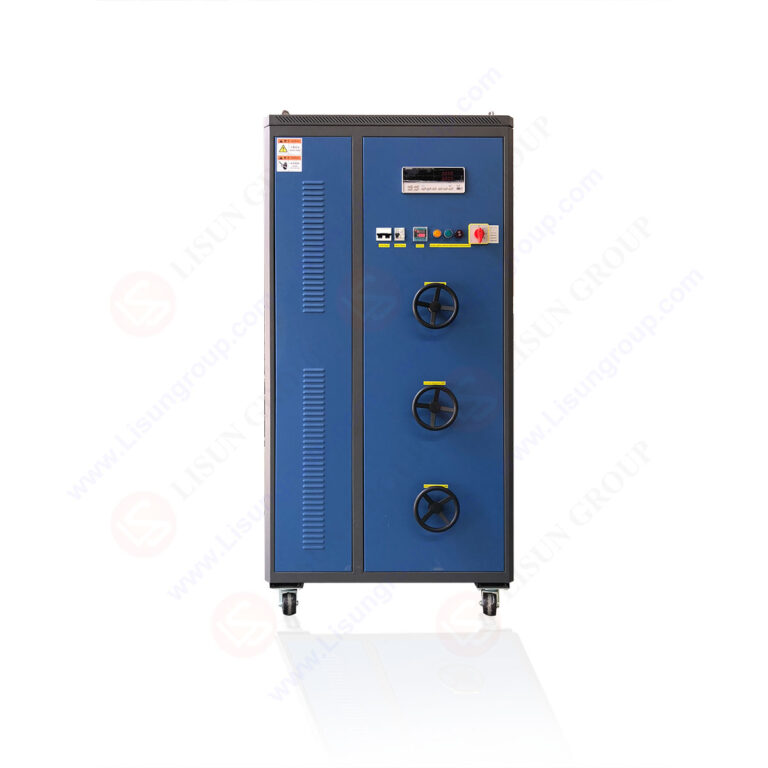
Instrumentation for Validation: The LISUN SC-015 Dust Sand Test Chamber
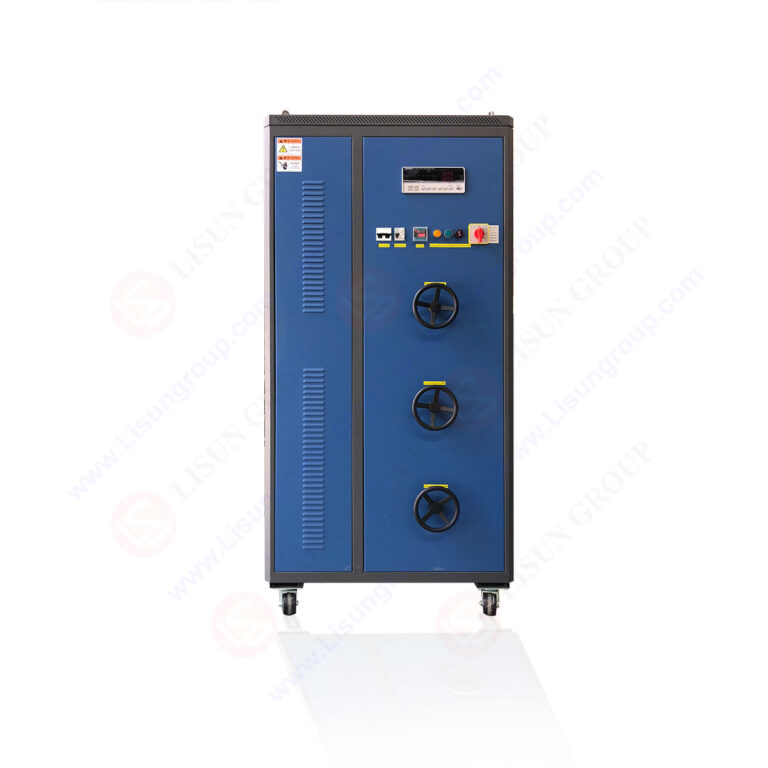
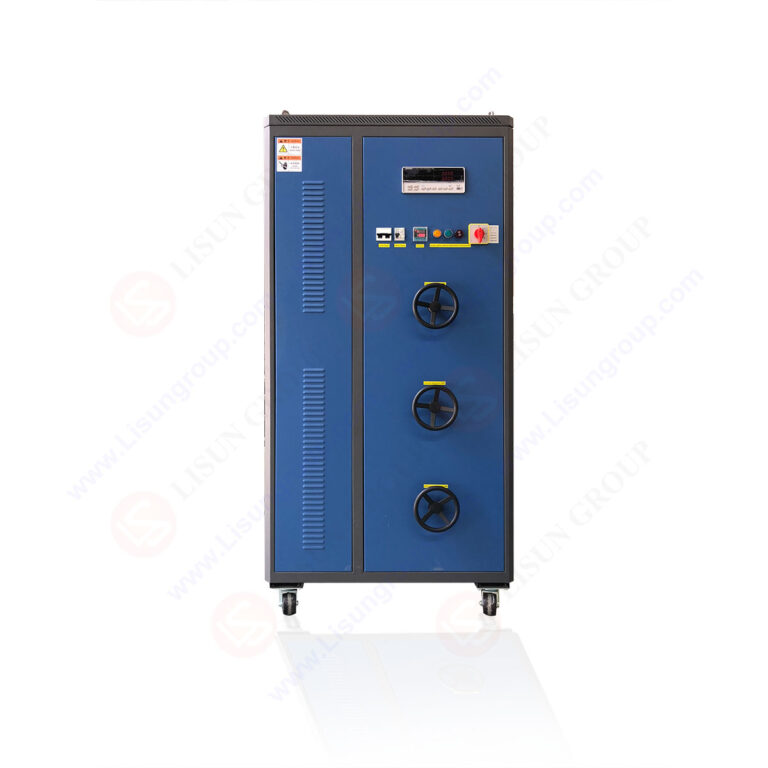
The accurate and repeatable validation of an IP6X rating demands precision instrumentation that faithfully replicates the conditions stipulated in IEC 60529. The LISUN SC-015 Dust Sand Test Chamber is engineered specifically for this purpose, serving as a critical tool for R&D and quality assurance laboratories.
Testing Principles and Chamber Design: The SC-015 operates on the fundamental principles of the standard. It incorporates a sealed test chamber with a transparent viewing window for observation. An integrated vacuum system creates and regulates the required pressure differential between the specimen’s interior and the dust-laden chamber environment. A controlled circulation mechanism ensures a uniform and dense talcum dust cloud for the prescribed period. The design prioritizes homogeneous dust distribution and precise control over test parameters, which are essential for generating reliable, certifiable results.
Key Technical Specifications:
- Test Dust: Talcum powder meeting IEC 60529 specifications.
- Dust Concentration: Configurable to maintain the required density (e.g., 2kg/m³ is common for sand dust tests, though talcum is used for IP6X).
- Vacuum System: Capable of generating and maintaining a stable negative pressure up to 2 kPa or as required by the test standard, with adjustable flow rate.
- Timer Range: Programmable from 1 second to 999 hours, accommodating the standard 8-hour IP6X test and other duration requirements.
- Chamber Construction: Typically fabricated from corrosion-resistant stainless steel, with a sealed design to prevent external leakage of test dust.
- Safety Features: May include over-temperature protection, safety glass viewing windows, and emergency stop functions.
Competitive Advantages in Validation Testing: The LISUN SC-015 differentiates itself through several key attributes vital for credible testing. Its precise control over dust density and circulation eliminates “dead zones” within the chamber, ensuring all surfaces of the test specimen are challenged equally. The stability and accuracy of its vacuum regulation are paramount, as fluctuations in pressure differential can produce non-representative results. Furthermore, robust construction and ease of decontamination between tests enhance laboratory throughput and long-term reliability, making it a sustainable investment for high-volume testing facilities serving the automotive, consumer electronics, and component manufacturing sectors.
Design and Manufacturing Considerations for Achieving IP6X
Specifying an IP6X rating has direct and significant implications for product design, material selection, and assembly processes.
Sealing Technologies: The cornerstone of dust tightness is the sealing system. This encompasses static seals (gaskets, O-rings, formed-in-place gaskets) and dynamic seals (for shafts or buttons). Material selection for seals must consider compression set, temperature resilience, chemical compatibility, and long-term aging. Elastomers like silicone, EPDM, and fluorosilicone are common choices.
Enclosure Design: Joints and seams are the most vulnerable points. Designs should minimize the total length of seams. Techniques include tongue-and-groove joints with integrated gaskets, continuous welding for metal enclosures, or ultrasonic welding for plastics. The design must also account for tolerance stack-ups to ensure consistent sealing pressure across all production units.
Component Integration: Cable glands, connectors, buttons, and ventilation filters (if used) must themselves be rated to IP6X or integrated in a manner that maintains the integrity of the main enclosure. Membrane switches and sealed tactile buttons are often employed. Any forced ventilation requires the use of labyrinth seals or externally mounted, sealed fan assemblies.
Validation and Production Control: Achieving IP6X in a prototype is distinct from maintaining it in mass production. Robust processes such as 100% leak testing (using air decay or tracer gas methods) on production lines are often necessary to complement the type-test validation performed with equipment like the LISUN SC-015.
Frequently Asked Questions (FAQ)
Q1: Can a product be rated IP6X if it has ventilation holes?
A1: Yes, but the ventilation path cannot be a direct opening. It must be achieved through a labyrinthine path, a sealed membrane that allows air passage but blocks particulates, or through the use of a separate, sealed filter assembly that itself maintains the IP6X integrity. A simple mesh or grill is insufficient.
Q2: How does IP6X testing differ from lower dust ratings like IP5X?
A2: The key difference is the use of a vacuum. IP5X testing is performed without creating a pressure differential between the inside and outside of the enclosure (the “dust box” method). IP6X testing actively draws dust inward using a sustained vacuum, making it a far more stringent test of sealing effectiveness.
Q3: Is the LISUN SC-015 suitable for testing other IP codes besides IP6X?
A3: Primarily designed for IP5X and IP6X testing per IEC 60529, the SC-015’s controlled dust environment and vacuum system make it the core instrument for these tests. It is not typically used for lower IP1X-IP4X solid object tests (which use calibrated probes) or for liquid ingress (IPX1-IPX9K) tests, which require different apparatus.
Q4: How often should a product design be re-validated for IP6X compliance?
A4: Formal re-testing is required after any design change that could affect the sealing integrity, such as alterations to the enclosure, seal geometry, or assembly process. Furthermore, as part of quality management, periodic audits and sample-based re-testing (e.g., annually or per a set production quantity) are recommended to guard against manufacturing process drift.
Q5: Does passing an IP6X test guarantee lifetime performance in dusty environments?
A5: The IP6X test is a type test representing a severe, time-limited exposure. It validates the design’s capability. Real-world lifetime performance depends on the long-term stability of the sealing materials against UV, ozone, temperature cycling, and chemical exposure. The test is a necessary but not wholly sufficient indicator; it should be complemented by material aging tests and lifecycle validation for critical applications.