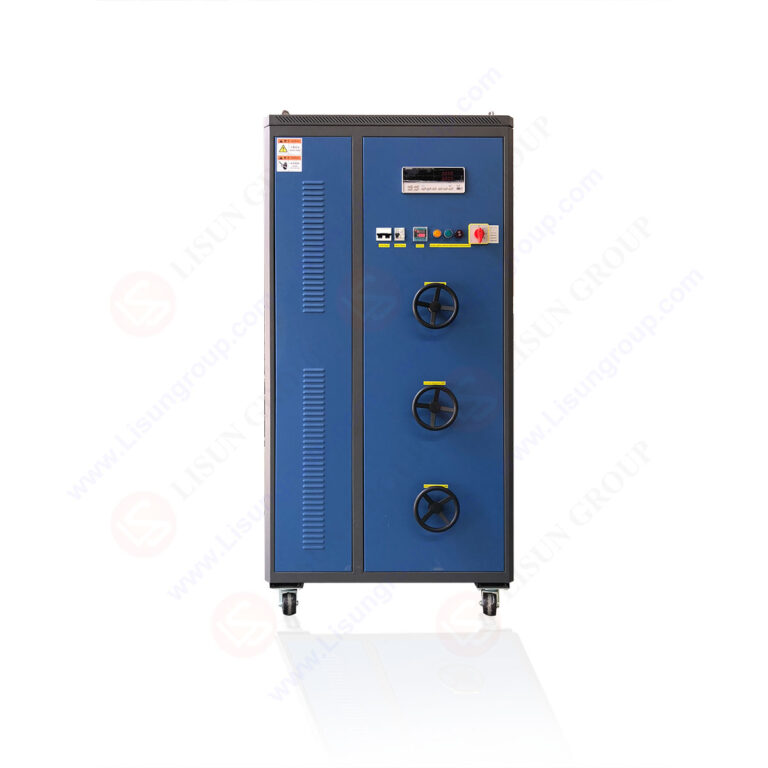



The Role of Salt Fog Testing in Modern Corrosion Assessment
Corrosive degradation remains a primary failure mechanism across a vast spectrum of manufactured goods, particularly those incorporating metallic components or protective coatings. The salt spray (fog) test, a standardized and accelerated corrosion evaluation method, serves as a critical tool for predicting material and product longevity in hostile, chloride-laden environments. By simulating and condensing years of atmospheric exposure into a controlled, reproducible laboratory timeframe, this testing methodology provides invaluable data for research and development, quality assurance, and compliance validation. The efficacy of the test is intrinsically linked to the precision, reliability, and controllability of the apparatus employed—the salt fog testing machine.
Fundamental Operating Principles of a Salt Fog Chamber
At its core, a salt fog testing chamber operates on the principle of creating a sustained, homogeneous corrosive atmosphere. A prepared electrolyte solution, typically a 5% sodium chloride (NaCl) solution per ASTM B117 or ISO 9227, is atomized into a fine mist within a pressurized nozzle system using clean, compressed air. This generated fog is then introduced into a temperature-controlled test chamber, where it settles on the specimens under evaluation. The chamber maintains a constant elevated temperature, usually 35°C ± 2°C, which accelerates the electrochemical corrosion processes. The saturated condition within the chamber, often maintained by a heated water reservoir in the base (the “bath”), ensures a relative humidity approaching 100%, preventing the fog droplets from evaporating before they condense on the test samples. This continuous, saturated saline environment aggressively promotes corrosion, allowing for comparative analysis of metallic materials, organic and inorganic coatings, and composite surface treatments.
Critical Design Features of Advanced Salt Fog Testing Apparatus
Modern salt fog chambers incorporate a suite of engineered features to ensure test integrity and operational longevity. The construction material is paramount; chambers utilizing rigid, molded polypropylene or glass-reinforced polyester offer superior resistance to thermal stress and corrosion compared to traditional PVC, preventing chamber degradation from contaminating the test. A transparent, impact-resistant lid, often with a steeply angled design, prevents condensate drip onto specimens. The air saturation system, a column where compressed air is bubbled through heated distilled water, is crucial for humidifying the air before it atomizes the salt solution, ensuring the correct chamber humidity and droplet chemistry. Precision temperature control is achieved via independent heating systems for the chamber air and the bath, managed by digital PID controllers with minimal deviation. Integrated fog collection funnels with calibrated cylinders allow for the verification of fog settlement rate, a key parameter mandated by testing standards. Advanced units also feature automatic water leveling, solution pH monitoring and adjustment, and programmable test cycles for cyclic corrosion tests.
Introducing the LISUN YWX/Q-010 Series Salt Spray Test Chambers
The LISUN YWX/Q-010 and its enhanced counterpart, the YWX/Q-010X, represent engineered solutions designed to meet rigorous international testing standards. These chambers are constructed from fiber-reinforced polypropylene, offering excellent structural integrity and chemical resistance. The YWX/Q-010X variant typically incorporates additional functionalities such as enhanced programmable logic for complex test profiles, more precise sensor suites, and advanced data logging capabilities.
Key Specifications of the LISUN YWX/Q-010:
- Internal Chamber Volume: 108 liters (nominal)
- Test Chamber Temperature Range: Ambient +10°C to +55°C
- Temperature Uniformity: ≤ ±2°C
- Temperature Fluctuation: ≤ ±0.5°C
- Bath Temperature Range: Ambient +10°C to +65°C
- Salt Spray Settlement Rate: 1.0 ~ 2.0 ml / 80 cm² / hour (adjustable)
- pH Range of Collected Spray: 6.5 ~ 7.2 (for neutral salt spray test)
- Test Solution: 5% NaCl solution or customized electrolytes per standard
- Air Supply: Filtered, oil-free compressed air at 2 ~ 4 bar
- Power Supply: AC220V 50Hz or AC120V 60Hz
The operational principle aligns with the classic salt fog methodology: the compressed air is humidified and heated in the saturation tower before atomizing the salt solution in a specialized nozzle. The fine mist is dispersed evenly throughout the chamber, which is maintained at a constant 35°C. The design of the nozzle and air pre-conditioning system is critical for achieving the consistent droplet size and settlement rate required by standards like ASTM B117, ISO 9227, and JIS Z 2371.
Industry-Specific Applications and Use Cases
The application of salt fog testing is ubiquitous in industries where product reliability cannot be compromised by environmental corrosion.
- Automotive Electronics & Components: Testing electronic control units (ECUs), sensor housings, connector terminals, and wiring harnesses to ensure functionality is not impaired by salt-induced corrosion, which is prevalent in winter road conditions.
- Electrical & Electronic Equipment / Industrial Control Systems: Evaluating the corrosion resistance of enclosures, busbars, relay contacts, and printed circuit board (PCB) finishes to prevent short circuits, increased contact resistance, and eventual system failure in industrial or coastal settings.
- Telecommunications Equipment: Assessing outdoor cabinets, antenna components, and grounding hardware to guarantee network infrastructure longevity despite exposure to marine atmospheres.
- Aerospace and Aviation Components: Qualifying materials and fasteners used in airframe structures and onboard electronics, where saline environments are encountered during takeoff, landing, and over-ocean flights.
- Lighting Fixtures & Electrical Components: Verifying the durability of exterior light housings, streetlamp bodies, switchgear, and socket coatings against pitting and cosmetic degradation.
- Medical Devices: Testing the integrity of metallic casings for portable diagnostic equipment or surgical tools that undergo repeated sterilization, ensuring no corrosive pitting compromises hygiene or function.
- Consumer Electronics & Office Equipment: Validating the surface treatments on external chassis, internal shielding, and connectors for devices that may be used in varied climatic conditions.
Adherence to International Testing Standards
A compliant salt fog test is not merely about exposing a sample to salt water; it is a meticulously controlled scientific process defined by global standards. The LISUN YWX/Q-010 series is engineered to facilitate compliance with these protocols. The most prevalent standard, ASTM B117 “Standard Practice for Operating Salt Spray (Fog) Apparatus,” defines the parameters for a continuous neutral salt spray test. ISO 9227 “Corrosion tests in artificial atmospheres – Salt spray tests” is its international counterpart, outlining neutral salt spray (NSS), acetate-modified (ASS), and copper-accelerated acetate (CASS) tests. Industry-specific derivations, such as IEC 60068-2-11 for electronics or SAE J2334 for automotive coatings, often prescribe cyclic tests incorporating wet, dry, and humidity phases, for which the programmability of the YWX/Q-010X is particularly suited. The machine’s design for consistent settlement rate, pH stability, and temperature uniformity is a direct response to the stringent requirements laid out in these documents.
Technical Advantages in Precision and Control
The competitive advantage of a well-engineered chamber like the YWX/Q-010 lies in its ability to minimize variables and maximize reproducibility. The fiber-reinforced polypropylene construction eliminates a primary source of contamination and chamber-induced variable. The independent PID control of chamber and bath temperatures ensures the thermal environment remains stable, a critical factor for consistent corrosion kinetics. The integrated air saturator heats and humidifies the compressed air to the chamber temperature prior to atomization, which is essential for preventing a cooling effect that would alter the solution concentration of the droplets and the chamber humidity. Features like a built-in solution reservoir with level monitoring and automatic replenishment reduce operator intervention and potential for test interruption. The precision nozzle system, coupled with adjustable air pressure, allows fine-tuning of the fog settlement rate to the exact midpoint of the standard’s required range (e.g., 1.5 ml/80cm²/hour), ensuring not just compliance but optimal and repeatable test severity.
Operational Considerations and Best Practices
To ensure valid and repeatable results, operational discipline is required. Specimen preparation, including cleaning and orientation (typically at a 15° to 30° angle from vertical), must be consistent. The salt solution must be prepared using ASTM Type IV or better deionized water and analytical grade sodium chloride, with its pH adjusted to the specified range (6.5 to 7.2 for NSS). Daily checks of the collection rate and pH of the settled fog are mandatory. The chamber must be cleaned regularly to remove salt deposits that could flake onto new specimens. Calibration of temperature sensors and verification of settlement rate funnels should be performed at periodic intervals as part of a quality management system. The use of reference control panels—standardized coated metal panels exposed alongside test specimens—provides a benchmark to validate the chamber’s performance over time.
Interpreting Test Results and Correlative Limitations
Results from a salt fog test are primarily comparative and qualitative. Evaluation often involves visual inspection for the appearance of white or red rust, blistering of paint, or creepage from scribes, assessed against pictorial standards like ISO 10289. Quantitative measures can include mass loss, change in electrical conductivity, or corrosion depth measurement. It is a critical tenet that salt fog test results are not a direct predictor of service life in years. The test is an accelerated, controlled form of a specific corrosive insult (chloride deposition under humid conditions). It excels at identifying relative performance rankings between materials or processes, detecting processing flaws (e.g., poor coating coverage), and verifying compliance with a material specification. Correlations to real-world performance require supplementary data from field exposures or more complex cyclic corrosion tests that incorporate drying and UV radiation phases.
Frequently Asked Questions (FAQ)
Q1: What is the difference between a neutral salt spray (NSS) test and an acetic acid salt spray (AASS) test?
The primary difference is the pH of the test solution. The NSS test, per ASTM B117 or ISO 9227-NSS, uses a neutral 5% NaCl solution (pH 6.5-7.2). The AASS test, per ISO 9227-AASS, adds glacial acetic acid to lower the pH to approximately 3.1-3.3, creating a more aggressive acidic environment. This is used to accelerate the corrosion of certain decorative coatings like nickel-chromium or copper-nickel-chromium platings.
Q2: Why is controlling the settlement rate of the salt fog so critical?
The settlement rate directly influences the amount of chloride ions deposited on the specimen surface per unit time. An excessively high rate can form a liquid film, altering the corrosion mechanism from atmospheric to immersion-like. A rate that is too low reduces the test’s severity and prolongs the time to visible results. Maintaining the standardized rate (1-2 ml/80cm²/hour) ensures tests are reproducible and comparable across different laboratories and time periods.
Q3: Can the YWX/Q-010 chamber be used for cyclic corrosion tests?
The base YWX/Q-010 model is designed for continuous salt spray tests. The enhanced YWX/Q-010X model, with its programmable controller, can be configured for simple cyclic tests that alternate between fog and dry-off periods by controlling the spray nozzle and chamber heating. For complex multi-step cycles involving humidity control without salt spray, a dedicated cyclic corrosion chamber is typically recommended.
Q4: How often should the salt solution and saturated tower water be replaced?
The salt solution in the reservoir should be prepared fresh for each test or at least every 30 days to prevent biological growth or concentration changes due to evaporation. The water in the saturator tower (which humidifies the compressed air) should be drained and refilled with fresh distilled or deionized water weekly to maintain purity and proper humidification efficiency.
Q5: What industries commonly require salt spray testing certification for their products?
Certification or proof of passing specific salt spray test durations is commonly mandated in the automotive, aerospace, military/defense (e.g., MIL-STD-810), marine, and telecommunications industries. It is also a frequent requirement in specifications for architectural hardware, outdoor lighting, and any consumer product designed for outdoor or harsh environment use.