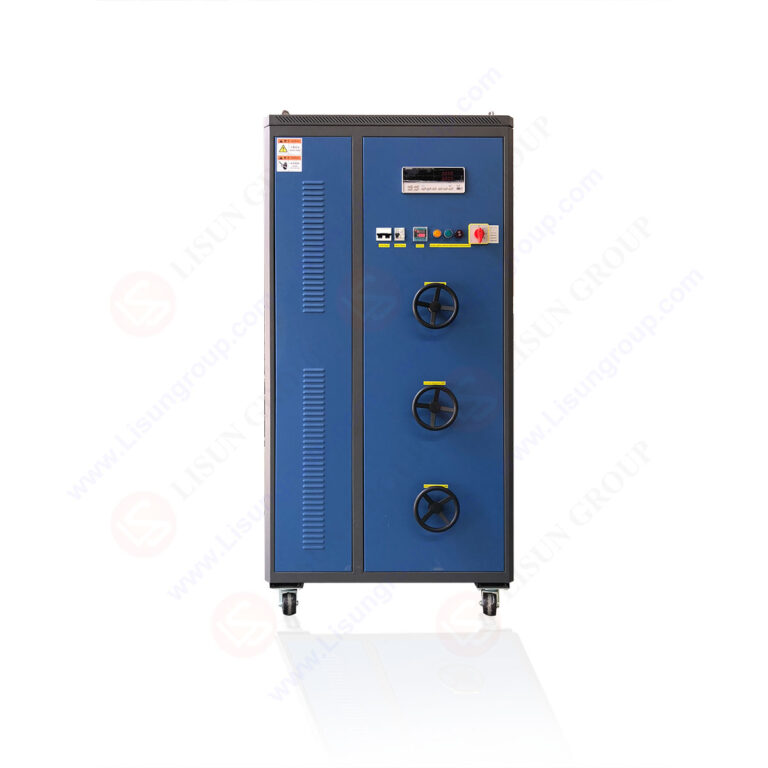



Selecting an Ozone Aging Test Chamber: A Technical Guide for Material and Component Validation
Introduction to Ozone Degradation and Accelerated Testing
Ozone (O₃), a triatomic allotrope of oxygen, is a potent oxidizing agent present in both atmospheric and industrial environments. Its reactivity with unsaturated polymer chains, particularly in elastomers like natural rubber, nitrile, and SBR, leads to a characteristic degradation mode known as ozone cracking. This phenomenon manifests as deep, oriented cracks perpendicular to applied stress, compromising mechanical integrity, sealing performance, and electrical insulation properties. For manufacturers across diverse sectors, predicting and mitigating this failure mode is critical for product reliability, safety, and compliance with international standards.
Ozone aging test chambers are specialized environmental simulation instruments designed to accelerate this degradation process under controlled, reproducible conditions. By maintaining precise concentrations of ozone, temperature, and relative humidity, these chambers provide accelerated life data that correlates with long-term field performance. The selection of an appropriate chamber is not a trivial exercise; it requires a systematic analysis of material science, applicable standards, and specific industry failure modes. An ill-suited chamber can yield non-representative data, leading to either over-engineering or, more critically, undetected field failures.
Fundamental Operating Principles and Chamber Architecture
At its core, an ozone aging test chamber operates on the principle of exposing test specimens to a controlled ozone atmosphere. The ozone is typically generated via either ultraviolet (UV) lamps or corona discharge generators. UV generation, often using 185 nm wavelength lamps, splits oxygen molecules, allowing them to recombine into ozone. Corona discharge methods apply a high-voltage electrical field to dry, purified oxygen or air, producing a more concentrated and stable ozone stream, which is generally preferred for rigorous testing.
The chamber itself is a sealed, corrosion-resistant enclosure, commonly constructed from stainless steel to prevent reaction with ozone. A critical component is the air circulation system, which ensures uniform distribution of ozone, temperature, and humidity throughout the test volume, eliminating stratification. Precise environmental control is maintained by integrated sensors and feedback loops: an ozone analyzer (usually UV absorption type) monitors concentration, while dedicated systems regulate temperature and, if required, humidity. Specimens are mounted on racks, often with fixtures to apply a static or dynamic tensile strain, as ozone attack is significantly accelerated under stress.
Interpreting Industry Standards and Regulatory Compliance
Chamber selection is fundamentally guided by the test standards mandated by the target industry and geographic market. These standards prescribe specific test parameters, including ozone concentration (typically expressed in parts per hundred million, pphm), temperature, relative humidity, test duration, and specimen preparation. Key international standards include:
- ASTM D1149: Standard Test Methods for Rubber Deterioration—Cracking in an Ozone Controlled Environment.
- ISO 1431-1: Rubber, vulcanized or thermoplastic — Resistance to ozone cracking — Part 1: Static and dynamic strain testing.
- IEC 60512-11-14: Test methods for electrical connectors – Climatic tests – Test 11p: Ozone resistance.
- DIN 53509-1: Testing of rubber – Resistance to ozone cracking – Part 1: Static strain.
- JIS K 6259: Rubber, vulcanized or thermoplastic — Determination of ozone resistance.
A chamber must be capable of not only meeting the parametric ranges of these standards (e.g., common concentrations of 25, 50, 100, or 200 pphm at 40°C ± 2°C) but also demonstrating the stability and uniformity required for certified laboratory testing. Compliance documentation and the chamber’s own calibration traceability are essential for audit purposes.
Critical Technical Specifications for Evaluation
When evaluating chambers, engineers must scrutinize several technical specifications beyond mere chamber volume.
- Ozone Concentration Range and Control Accuracy: The system must cover the required range with precision, often from 0 to 500 pphm or higher, with control accuracy of ±10% or better of the set value. Stability over time is paramount.
- Temperature Range and Uniformity: Standard tests often call for 40°C, but research may require other temperatures. Uniformity across the workspace should be within ±2.0°C. Advanced chambers offer wider ranges for non-standard testing.
- Relative Humidity Range: While some standards specify 55% ± 5% RH, others may not require humidity control. A chamber with integrated, precise humidity control offers greater flexibility.
- Chamber Construction and Material: 304 or 316 stainless steel interiors are standard for corrosion resistance. Seals and gaskets must be made of ozone-resistant materials like PTFE or specially formulated silicones.
- Safety Systems: Ozone is a hazardous gas. Chambers must include high-concentration alarms, automatic ozone destruction systems (often thermal or catalytic), and robust exhaust ventilation interfaces.
- Data Acquisition and Programmability: Modern chambers feature programmable controllers allowing for multi-stage test profiles (ramping concentration/temperature) and comprehensive data logging of all parameters for audit trails.
Industry-Specific Application Scenarios and Failure Modes
The application of ozone testing varies significantly by industry, directly influencing chamber feature priorities.
- Automotive Electronics & Components: Weather seals, wiring harness insulation, connector grommets, and engine mount bushings are exposed to under-hood ozone from electrical coronas and environmental ozone. Testing validates crack resistance over a 10-15 year vehicle lifespan.
- Electrical Components & Cable Systems: Insulation for low-voltage and high-voltage cables, switchgear seals, and socket covers must resist ozone to prevent tracking, short circuits, and loss of dielectric strength. Chambers used here often require fixtures for testing under electrical stress.
- Aerospace and Aviation Components: Seals, hoses, and vibration dampeners in aircraft operate at varying altitudes and atmospheric compositions. Testing may involve higher concentration benchmarks and temperature cycling.
- Lighting Fixtures: Outdoor lighting seals and flexible diffuser materials require validation against ozone to prevent moisture ingress and optical degradation.
- Medical Devices: Respiratory tubing, seals on diagnostic equipment, and elastomeric components in implants must ensure no ozone-induced particulate shedding or functional loss.
- Telecommunications & Industrial Control Systems: Outdoor cabinet seals, gaskets on connectors, and insulation for buried/ aerial cables are critical applications where failure can lead to widespread network outages.
Integrating Complementary Environmental Stress Testing
Material performance in the real world is seldom governed by a single stressor. Ozone exposure often coincides with thermal cycling, UV radiation, and humidity fluctuations. Therefore, a comprehensive validation strategy may require sequential or combined environmental testing. While a dedicated ozone chamber is optimal for standardized, high-precision ozone testing, understanding a component’s full environmental profile is essential.
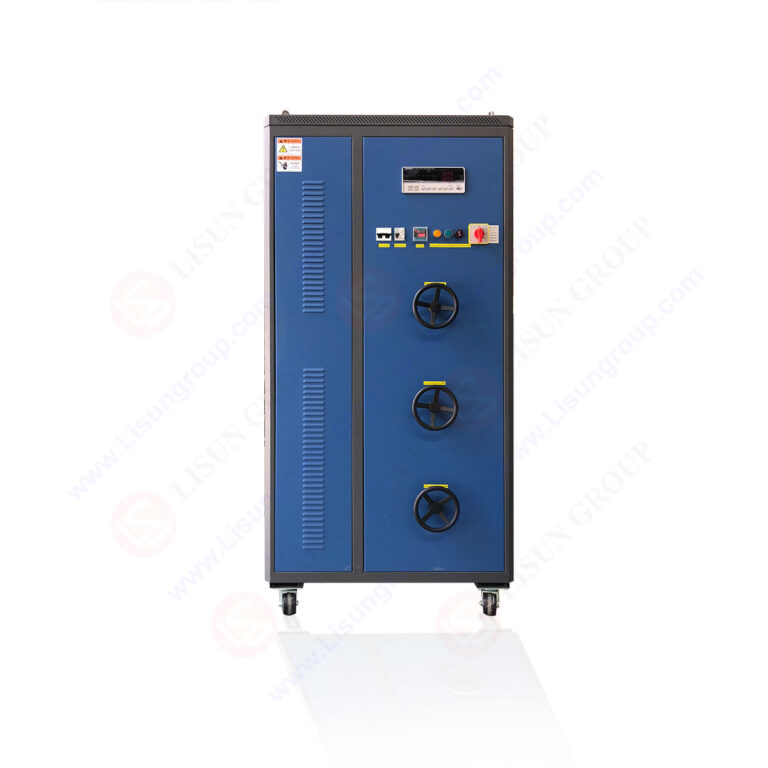
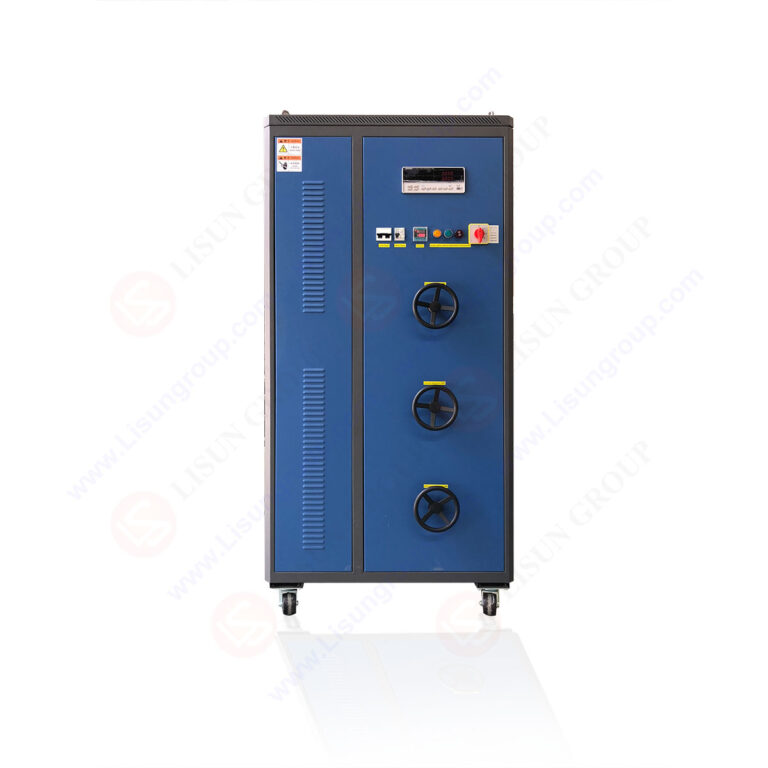
For instance, a telecommunications cable may first undergo thermal shock testing to assess the integrity of its material bonds and seals under rapid temperature extremes, before being subjected to ozone aging to evaluate the long-term stability of its insulation. This is where a holistic test lab strategy, incorporating specialized chambers like the LISUN HLST-500D Thermal Shock Test Chamber, becomes critical for a full reliability assessment.
The HLST-500D employs a three-zone (high-temperature, low-temperature, test) basket transfer system to subject specimens to extreme and rapid temperature transitions. Its specifications are relevant for pre-conditioning or subsequent testing of ozone-sensitive components:
- Temperature Range: High Temperature Chamber: +60°C to +200°C; Low Temperature Chamber: -10°C to -80°C (or lower depending on configuration).
- Transition Time: Less than 10 seconds (manual) or 15 seconds (automatic) between temperature extremes.
- Recovery Time: Within 5 minutes of placing the specimen in the test zone, the chamber recovers to the specified temperature.
- Testing Principles: The chamber exposes products to alternating high and low temperatures to accelerate failures due to thermal expansion/contraction mismatch, material phase changes, and solder joint fatigue.
- Industry Use Cases: In Automotive Electronics, it tests engine control units (ECUs) and sensors; for Aerospace Components, it validates avionics; in Consumer Electronics, it assesses smartphones and laptops; and for Electrical Components, it screens solder joints on printed circuit boards (PCBs) and connectors.
- Competitive Advantages: The HLST-500D’s key advantages include its rapid transition time, which creates more severe stress for faster failure discovery, and its precise temperature control ensuring test reproducibility. Its robust design minimizes maintenance, while programmability allows for complex, multi-cycle test profiles simulating years of service life in days.
The data from such thermal shock testing can inform which components or material interfaces are most vulnerable before they enter long-term ozone aging studies, optimizing the test focus and providing a more complete reliability picture.
Developing a Systematic Chamber Selection Protocol
A disciplined selection process mitigates procurement risk. The protocol should follow these steps:
- Requirements Elicitation: Define all applicable test standards (current and future), required parameter ranges, specimen sizes, and quantities.
- Technical Benchmarking: Create a comparison matrix for shortlisted chambers, detailing specifications for ozone control, temperature/humidity uniformity, chamber construction, safety features, and controller capabilities.
- Vendor Assessment: Evaluate manufacturers based on technical support, calibration services, lead times, spare parts availability, and reputation in certification labs.
- Total Cost of Ownership Analysis: Move beyond initial purchase price to factor in installation (requiring ozone exhaust plumbing), annual calibration, maintenance costs, energy consumption, and expected service life.
- Validation Planning: Ensure the supplier can provide installation qualification (IQ) and operational qualification (OQ) support to verify the chamber performs to specification upon installation.
FAQ: Ozone Aging Testing and Chamber Operation
Q1: What is the typical concentration of ozone used in standard testing, and how does it compare to real-world levels?
Standard test concentrations, such as 50 pphm or 100 pphm, are significantly higher than average atmospheric levels (which range from 0-10 pphm). These elevated concentrations are used to accelerate the aging process, producing measurable degradation in days or weeks that would take years to occur under normal conditions. The relationship is often governed by an Arrhenius-type model, though the exact acceleration factor depends on the specific polymer compound.
Q2: Can an ozone chamber test materials other than rubber, such as plastics or coatings?
Yes. While elastomers are the primary focus, many thermoplastics, adhesives, textiles, and protective coatings are also susceptible to ozone oxidation. Test methods may be adapted from rubber standards or defined by specific industry specifications. The chamber’s capability to precisely control the environment remains the critical factor.
Q3: Why is controlling relative humidity important in ozone aging tests?
Humidity can profoundly influence the ozone degradation mechanism. Moisture can hydrolyze some polymers, creating sites for enhanced ozone attack, or form a protective surface layer that slows cracking. Standards like ASTM D1149 specify 55% RH to ensure tests are reproducible and correlate with many real-world conditioned environments.
Q4: How is the ozone safely destroyed at the end of a test cycle?
Modern chambers integrate an ozone destruct unit. The most common types are thermal destruct units, which heat the exhaust gas to over 300°C, decomposing ozone (O₃) into oxygen (O₂), and catalytic destruct units, which use a manganese dioxide catalyst to achieve the same decomposition at lower temperatures. This treated air is then safely vented.
Q5: For a lab also performing thermal shock testing, how does the HLST-500D chamber integrate into a broader testing regimen?
The HLST-500D serves as a complementary stressor. Components, particularly those with multi-material assemblies like overmolded connectors or sealed electronic housings, can be first subjected to thermal shock (e.g., 100 cycles from -55°C to +125°C) to induce mechanical stress, micro-cracks, or seal fatigue. These pre-conditioned samples can then be transferred to the ozone chamber. This sequential testing can uncover synergistic failure modes that single-stress testing would miss, providing a far more rigorous assessment of field reliability.