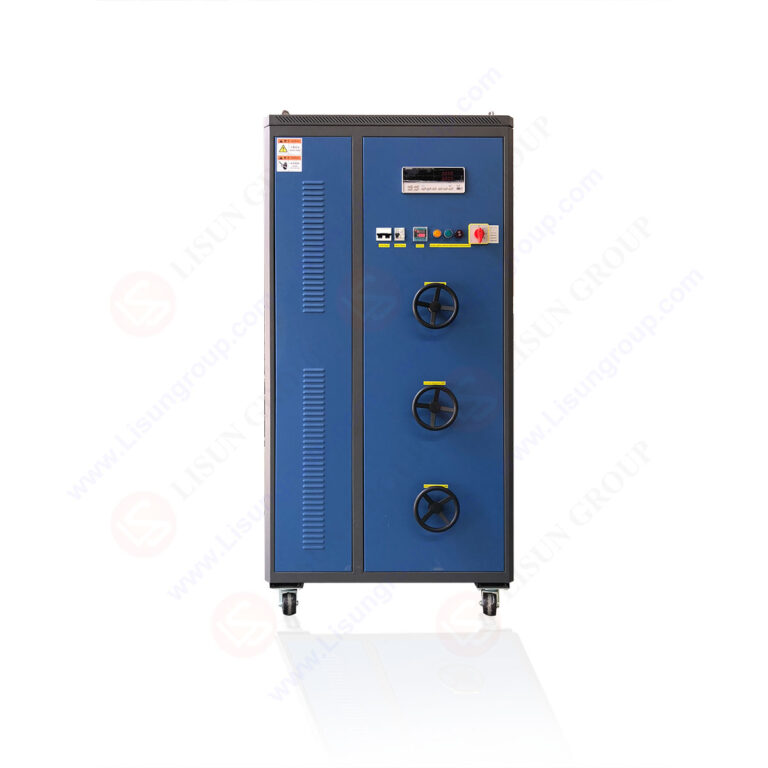



IP Certification: A Foundational Framework for Environmental Durability Validation
The proliferation of electronic and electromechanical systems across every industrial and consumer sector has precipitated an unprecedented demand for reliability under diverse and often hostile environmental conditions. Among the most pervasive and insidious threats to operational integrity is the ingress of solid foreign objects—dust, sand, and other particulate matter. The International Protection (IP) rating system, codified under IEC 60529, provides a globally recognized, standardized methodology for quantifying a product’s resilience against such ingress. This article delineates the technical underpinnings of IP certification for solid particle protection, with a specific focus on the validation processes for dust and sand resistance. It further examines the critical role of specialized testing apparatus, such as the LISUN SC-015 Dust Sand Test Chamber, in ensuring compliance and fostering product durability across high-stakes industries.
Deconstructing the IP Code: Specificity of Solid Particle Ingress Protection
The IP code’s first numeral, ranging from 0 to 6, explicitly defines protection against solid objects. While levels 1 through 4 primarily address safety concerns regarding access to hazardous parts by tools, wires, and fingers, levels 5 and 6 are of paramount importance for functional reliability in particulate-laden environments. A designation of IP5X denotes “Dust Protected,” where ingress of dust is not entirely prevented, but it cannot enter in sufficient quantity to interfere with the satisfactory operation of the equipment or impair safety. The more stringent IP6X classification signifies “Dust Tight,” a complete barrier against dust ingress under defined test conditions.
It is crucial to distinguish between general “dust” and abrasive particulates like sand. While IP5X and IP6X tests utilize talcum powder (a fine, non-abrasive dust) to assess sealing integrity, many operational environments—from desert automotive applications to coastal wind turbines—subject equipment to abrasive sand blasting. This necessitates supplementary testing, often referenced in standards like IEC 60068-2-68 (Test L: Dust and Sand) or specific automotive standards such as ISO 20653, which defines categories for dust and sand protection (e.g., IP5K and IP6K ratings). The testing principles shift from mere ingress prevention to evaluating the effects of abrasive particle penetration on mechanical wear, optical clarity, and electrical functionality.
The Mechanics of Particulate Ingress Simulation: Test Chamber Operational Principles
Reproducible and standardized testing requires apparatus capable of generating, controlling, and maintaining a specified concentration of particulate matter within a controlled test volume. A sophisticated dust and sand test chamber operates on several integrated subsystems. A closed-loop circulation system, typically employing a controlled airflow generator, suspends the test medium (talcum powder, Arizona Road Dust, or similar standardized sand) within the test chamber. The particulate concentration, measured in grams per cubic meter, must be maintained within strict tolerances as per the relevant test standard (e.g., 2 kg/m³ ± 0.5 kg/m³ for certain sand tests).
The device under test (DUT) is mounted on a turntable or support within this aerosolized cloud. For IP5X/IP6X dust tests, the chamber operates under a partial vacuum, drawing air (and dust) inward through any potential ingress paths in the DUT’s enclosure, thereby testing sealing efficacy. For sand abrasion and ingress tests, the DUT may be subjected to directed airflow carrying sand particles at specified velocities, simulating conditions from natural wind to vehicle-induced particulates. Critical parameters under precise control include test duration, air velocity, particulate concentration, temperature, and humidity, all of which must be meticulously logged and reproducible for certification validity.
The LISUN SC-015 Dust Sand Test Chamber: System Architecture and Technical Specifications
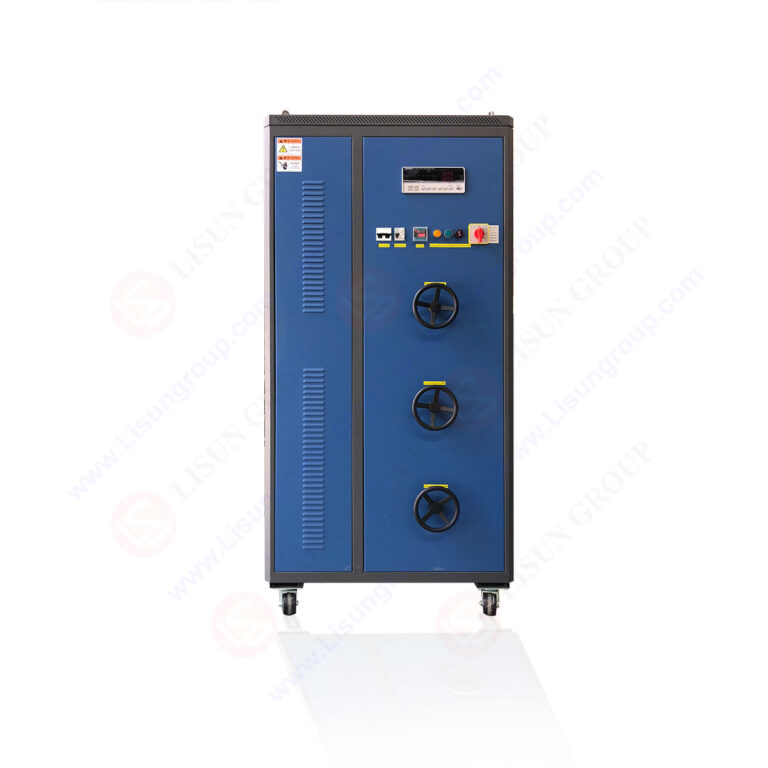
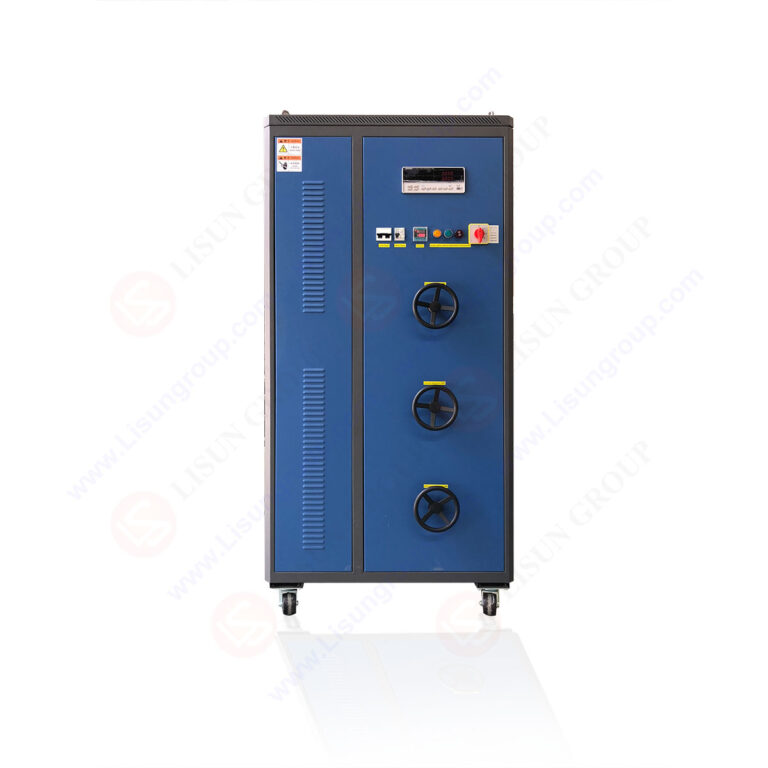
The LISUN SC-015 represents a fully integrated solution designed to conduct rigorous compliance testing for IP5X, IP6X, and analogous sand ingress standards. Its architecture is engineered for precision, repeatability, and user operational safety.
Core Specifications and Design Features:
- Test Volume: A standardized internal workspace sufficient to accommodate a wide range of product sizes, from small electrical components to sizable automotive control units.
- Particulate Medium: Compatible with standardized test dusts (e.g., talcum powder per IEC 60529) and abrasive sands (e.g., Arizona Test Dust). The system includes a dedicated, segregated hopper and injection mechanism to prevent cross-contamination between test media.
- Airflow and Circulation System: A centrifugal blower with variable frequency drive (VFD) control ensures stable and adjustable airflow velocity, critical for maintaining particulate suspension and simulating specific environmental conditions. Flow meters provide real-time feedback for closed-loop control.
- Vacuum System (for IP5X/IP6X): An integrated vacuum pump and regulation system creates and maintains the required pressure differential between the chamber interior and the DUT’s internal volume, as mandated by IEC 60529 for dust ingress testing.
- Turntable: A motorized, speed-adjustable turntable ensures the DUT is exposed uniformly to the particulate environment, eliminating test result anisotropy.
- Filtration and Containment: A high-efficiency particulate air (HEPA) filtration system on the exhaust ensures no environmental release of test media, while internal baffles and diffusers promote an even distribution of particulates.
- Control and Data Acquisition: A programmable logic controller (PLC) with a human-machine interface (HMI) touchscreen allows for the creation, storage, and execution of complex test profiles. It provides real-time monitoring of key parameters: test duration, temperature, humidity, airflow, pressure differential, and turntable speed. Data logging capabilities are essential for audit trails and certification documentation.
Table 1: Representative Technical Parameters of the LISUN SC-015 System
| Parameter | Specification Range / Capability |
| :— | :— |
| Applicable Standards | IEC 60529, IEC 60068-2-68, ISO 20653, GB/T 4208, and equivalent |
| Test Media | Talcum Powder, Arizona Road Dust (Fine, Coarse), other standardized sands |
| Dust Concentration | Adjustable, typically 0.5 – 3 kg/m³ (configurable per standard) |
| Air Velocity | VFD-controlled, range typically 0-5 m/s (or as specified) |
| Vacuum System | Adjustable, capable of maintaining 1.98-2.02 kPa pressure differential |
| Turntable Speed | Programmable, e.g., 1-5 rpm |
| Control System | PLC with Color HMI, data logging, and profile storage |
Industry-Specific Applications and Validation Imperatives
The requirement for dust and sand ingress protection transcends a single market, forming a critical validation step in product development cycles across numerous verticals.
- Automotive Electronics: Control units, sensors, lighting assemblies, and infotainment systems mounted in wheel wells, underbody, or engine compartments require IP5K/6K ratings per ISO 20653 to withstand road dust and abrasive sand, ensuring longevity and failure prevention.
- Aerospace and Aviation Components: Avionics bay equipment, external sensors, and landing gear electronics must be validated against fine dust at high altitudes and sand ingress during ground operations in desert environments.
- Industrial Control Systems & Telecommunications Equipment: Enclosures for PLCs, routers, and base station electronics deployed in mining, manufacturing, or rural areas are protected against conductive dust accumulation that can cause short circuits or overheating.
- Lighting Fixtures: Outdoor, industrial, and automotive lighting must maintain optical output and electrical safety by preventing lumen depreciation and internal contamination from dust and sand.
- Medical Devices: Portable diagnostic equipment or devices intended for use in field hospitals or ambulances require protection to ensure sterility and operational reliability in non-clinical environments.
- Electrical Components & Cable Systems: Switches, sockets, connectors, and junction boxes for outdoor or industrial use rely on IP ratings to prevent arcing, contact corrosion, and mechanical blockage from particulate ingress.
Methodological Rigor and Competitive Advantages in Modern Test Apparatus
Deploying a system like the LISUN SC-015 provides several distinct advantages over legacy or less integrated testing methodologies. First is standard compliance fidelity. The integrated control system automates the exact sequences and tolerances required by international standards, removing operator variance and ensuring the test itself is auditable and defensible. Second is repeatability and precision. The closed-loop control of concentration, airflow, and pressure differential guarantees that sequential tests on the same product or tests across different production batches yield comparable results, a cornerstone of quality assurance.
Third is operator safety and environmental containment. The sealed chamber with HEPA exhaust filtration mitigates health risks associated with inhaling fine particulates and prevents contamination of the laboratory environment. Finally, efficiency and data integrity are enhanced. Automated test cycles free engineering resources, while comprehensive electronic data logging creates an immutable record for certification bodies, reducing time-to-market and potential liability.
The Certification Pathway: From Chamber Validation to Issued Rating
Achieving an IP rating is not a simple matter of in-house testing. The process is forensic and systematic. Following a test cycle in a calibrated chamber like the SC-015, the DUT undergoes meticulous post-test examination. For IP6X, a visual inspection with adequate illumination must reveal no dust inside the enclosure. For IP5X, a functional test is performed, and any internal dust must not impede safety or operation. The testing is typically witnessed and validated by an accredited third-party laboratory or notified body. They verify the calibration of the equipment, the standard compliance of the test procedure, and the results. The resulting test report forms the technical basis for the manufacturer’s self-declaration of the IP rating or for obtaining a formal certification mark.
Conclusion
In an era where electronic systems form the operational backbone of critical infrastructure, consumer goods, and transportation, validating environmental durability is non-negotiable. IP certification for dust and sand ingress provides a quantifiable, standardized metric for this durability. The integrity of this certification is wholly dependent on the precision, reliability, and standardization of the testing equipment employed. Advanced, fully integrated test chambers, exemplified by the LISUN SC-015, provide the necessary controlled environment to simulate years of particulate exposure in a matter of hours, delivering the empirical data required to drive design improvements, ensure compliance, and ultimately, guarantee product reliability in the real world. As technological convergence pushes devices into ever more challenging environments, the role of rigorous particulate ingress testing will only expand in significance.
FAQ Section
Q1: What is the key difference between testing for IP5X and IP6X ratings using a chamber like the SC-015?
The fundamental difference lies in the test outcome criteria and, consequently, the required sealing performance of the device under test (DUT). Both tests use fine talcum powder. For IP5X (“Dust Protected”), the DUT is subjected to a partial vacuum. After testing, dust may have entered, but not in a quantity that would interfere with safe operation or performance. For IP6X (“Dust Tight”), the test is more stringent, and a post-test inspection must reveal no dust ingress whatsoever inside the enclosure.
Q2: Can the LISUN SC-015 simulate both desert sand abrasion and general dust ingress?
Yes. The chamber is designed for multi-standard compliance. By utilizing different test media—standardized talcum powder for IEC 60529 IP5X/IP6X tests, and specified sand mixtures (like Arizona Road Dust) for standards such as IEC 60068-2-68 or ISO 20653—it can evaluate both general sealing integrity against fine dust and the abrasive, penetrating effects of sand-laden wind. The control system allows for separate profiles configuring concentration, airflow velocity, and duration for each test type.
Q3: For a telecommunications outdoor unit, which rating is more critical, IP5X or IP6X?
This is an application-specific decision. IP6X offers complete protection and is advisable for units deployed in extremely dusty environments (e.g., arid regions, near unpaved roads) or where internal components are highly sensitive to any contamination. IP5X may be sufficient for less severe environments and can sometimes allow for more cost-effective enclosure designs that include protected ventilation. A thorough environmental profile and risk assessment should guide the specification.
Q4: How often does the test chamber itself require calibration, and what does that involve?
Calibration intervals are typically annual, as recommended by quality standards (e.g., ISO/IEC 17025) and certification bodies. Critical parameters requiring calibration include: the vacuum/pressure differential gauge, airflow velocity sensors, timers, and the scales used to measure test media. Calibration ensures all measurements are traceable to national standards, which is mandatory for tests that will support a formal certification submission.
Q5: In testing a sealed automotive sensor, what post-test analysis is required beyond a visual check?
For any device claiming an IP6X rating, a visual inspection is the primary pass/fail criterion. However, for functional devices, a full operational test is always recommended. This involves checking all electrical parameters (resistance, insulation resistance, dielectric strength), verifying signal output accuracy, and ensuring no mechanical binding or impairment has occurred. For IP5X-rated devices, this functional performance check is an integral part of the acceptance criteria, as some dust ingress is permitted provided it causes no impairment.