


Environmental Humidity Chambers: Foundational Principles and Critical Applications in Product Validation
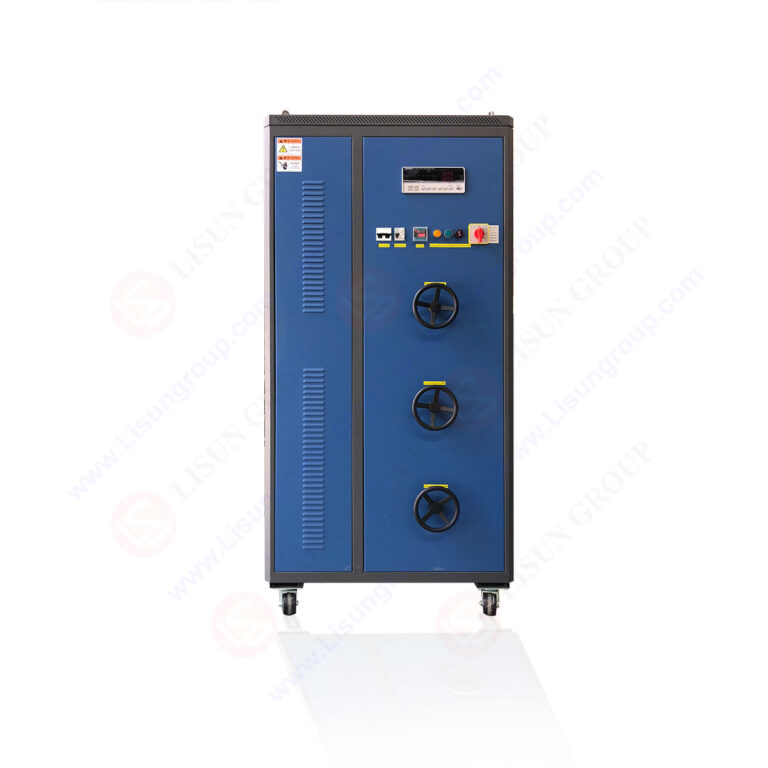
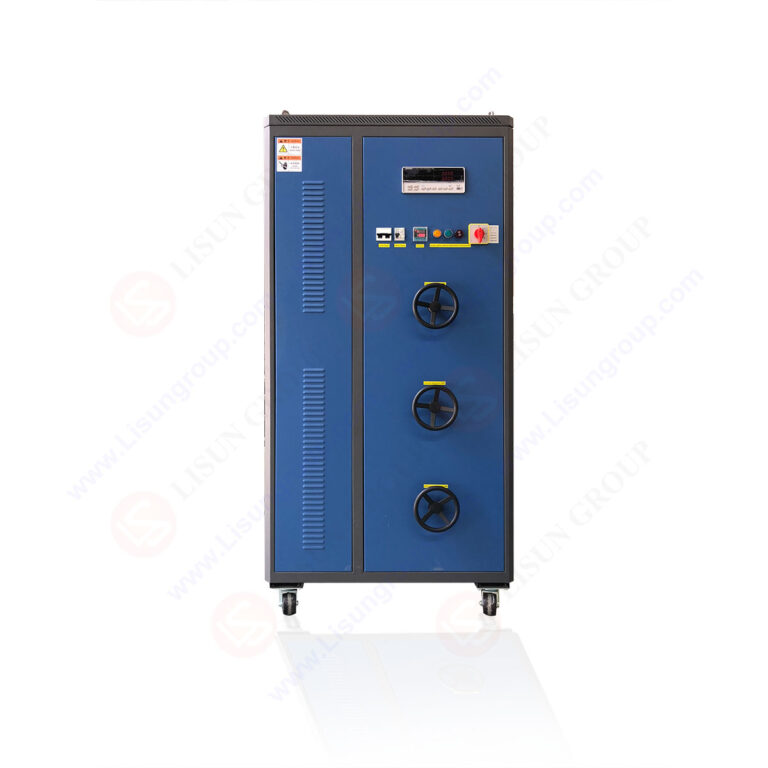
Environmental humidity chambers, often designated as temperature and humidity test chambers, constitute a cornerstone of reliability engineering and quality assurance across a vast spectrum of manufacturing and research sectors. These sophisticated instruments are engineered to simulate and precisely control atmospheric conditions, subjecting test specimens to defined temperature and humidity profiles. The primary objective is to accelerate the effects of environmental stress, thereby identifying potential failure modes, validating design robustness, and ensuring compliance with international standards before a product reaches the market. This technical analysis delves into the operational mechanics, essential features, and diverse industrial applications of these chambers, with a specific examination of a representative advanced model, the LISUN GDJS-015B Temperature Humidity Test Chamber.
Core Operational Mechanics and System Architecture
The fundamental operation of an environmental humidity chamber hinges on the integrated control of two primary variables: air temperature and relative humidity (RH). Temperature control is typically achieved through a refrigeration system, often employing a cascade compressor configuration for achieving lower temperatures, coupled with electrical heating elements. The humidity system is more complex, involving the precise manipulation of water vapor within the sealed test volume.
Humidity generation is commonly accomplished via a steam injection method, where a dedicated boiler or heated water pan introduces pure, distilled water vapor into the airstream. For dehumidification, the chamber utilizes the refrigeration coil. When the moist chamber air passes over this cold coil, the temperature drops below the dew point, causing condensation and thus removing moisture from the air. The GDJS-015B exemplifies this architecture, employing a balanced refrigeration and humidification system to achieve its specified range. Advanced chambers integrate high-precision sensors—typically platinum resistance thermometers (PT100) and capacitive polymer humidity sensors—within the airflow to provide continuous feedback to a programmable logic controller (PLC). This controller dynamically adjusts the heating, cooling, and humidification outputs to follow a user-defined test profile, which may include ramps, soaks, and cycles, with minimal deviation.
The uniformity of the test environment is paramount. This is ensured through a carefully engineered air circulation system. A centrifugal blower forces air through a ducted plenum, across the conditioning elements, and uniformly into the test workspace. Baffles and diffusers are designed to minimize dead zones and ensure that every specimen is exposed to conditions within the stated tolerance, such as ±0.5°C for temperature and ±2.5% RH for humidity, as seen in the specifications for the GDJS-015B.
The LISUN GDJS-015B: A Technical Specification Overview
The LISUN GDJS-015B serves as a pertinent case study for a benchtop environmental test chamber designed for rigorous laboratory and production line testing. Its specifications reflect the demands of modern component and sub-assembly validation.
Key Technical Parameters:
- Temperature Range: -70°C to +150°C
- Humidity Range: 20% to 98% RH
- Interior Volume: 150 Liters
- Temperature Fluctuation: ≤±0.5°C
- Temperature Uniformity: ≤±2.0°C
- Humidity Deviation: ≤±2.5% RH
- Rate of Change: Approximately 1.0°C/min (linear, over a defined range, non-linear rates are higher)
- Refrigeration System: Cascade compressor system utilizing eco-friendly R404a refrigerant.
- Controller: Digital touch-screen PID controller with programmable profiles, RS-485 interface, and real-time data logging.
The cascade refrigeration system is critical for achieving the -70°C lower limit, a requirement for testing automotive and aerospace components destined for extreme cold climates or high-altitude operation. The chamber’s construction typically features an interior of SUS304 stainless steel for corrosion resistance, with high-density glass wool insulation to ensure thermal stability and energy efficiency.
Critical Features for Accurate and Reproducible Testing
Beyond basic ranges, several features distinguish professional-grade chambers. Programmability is essential; the ability to create complex, multi-segment profiles (e.g., 25°C/95% RH for 48 hours, followed by a ramp to 85°C/20% RH over 3 hours) allows for the simulation of diurnal cycles, geographic climatic sequences, or accelerated life tests like 85/85 (85°C, 85% RH). Data integrity features, including USB or Ethernet-based data export of time-stamped sensor readings, are non-negotiable for audit trails and failure analysis.
Safety interlocks protect both the device and the specimen: over-temperature protection, compressor pressure alarms, low water level cut-offs for the humidifier, and chamber door safety switches. The viewing window with internal LED lighting, often double-glazed with a heating element to prevent condensation, allows for visual inspection without disturbing the test conditions. For testing Electrical and Electronic Equipment or Medical Devices that may generate heat under load, pass-through ports enable the routing of power or signal cables into the chamber, allowing for in-situ operational testing (power-on testing) under environmental stress.
Industry-Specific Applications and Test Protocols
The application of humidity chambers is dictated by industry-specific failure mechanisms and international standards.
- Automotive Electronics & Electrical Components: Modules like engine control units (ECUs), sensors, and connectors are tested per ISO 16750-4 and SAE J1211. Tests simulate conditions from desert heat with low humidity to frozen, humid environments to assess solder joint integrity, printed circuit board (PCB) delamination, and connector corrosion. The GDJS-015B’s wide temperature range is directly applicable here.
- Telecommunications Equipment & Consumer Electronics: Devices such as routers, smartphones, and base station components are validated against Telcordia GR-63-CORE or ETSI EN 300 019. Tests focus on prolonged damp heat (e.g., 40°C, 93% RH) to evaluate conformal coating efficacy, metal migration, and the growth of tin whiskers.
- Aerospace and Aviation Components: Testing per RTCA DO-160 or MIL-STD-810 involves rapid temperature-humidity cycles to simulate ascent/descent profiles and condensation, critical for avionics reliability.
- Lighting Fixtures (LEDs): IES LM-80 testing, while often requiring specialized chambers, shares principles with standard humidity testing to assess lumen maintenance and color shift in drivers and assemblies under humid conditions.
- Medical Devices: Compliance with ISO 13485 and specific product standards requires testing for package integrity (seal strength after humidity exposure) and device functionality in climatic extremes, from hospital storage to tropical field use.
- Cable and Wiring Systems: Insulation resistance and dielectric strength are critically evaluated after exposure to humid environments per IEC 60227 and IEC 60245, where moisture absorption can lead to leakage currents and breakdown.
- Industrial Control Systems & Office Equipment: These are tested to general standards like IEC 60068-2-78 (damp heat, steady state) to ensure operational stability in factory or office environments where condensation may form.
Competitive Advantages of Modern Chamber Design
Modern chambers like the GDJS-015B offer advantages rooted in precision, reliability, and usability. The use of cascade refrigeration provides stable low-temperature performance without liquid CO2 or LN2, reducing operational complexity and cost. Advanced PID control algorithms with fuzzy logic capabilities minimize overshoot and undershoot during profile transitions, ensuring the specimen experiences the intended stress profile accurately. Energy-efficient designs, including improved insulation and variable-speed fan control, lower the total cost of ownership. Furthermore, modular design philosophies allow for easier serviceability of key components like compressors and humidifiers, reducing mean time to repair (MTTR).
From a compliance perspective, the built-in calibration prompts and detailed audit trails support adherence to quality management systems like ISO/IEC 17025 for testing laboratories. The chamber’s ability to reliably replicate test conditions ensures that results are reproducible and comparable across different testing sites, a key requirement for global supply chains in the Electrical and Electronic Equipment and Automotive Electronics sectors.
Conclusion: An Indispensable Tool for Quality and Reliability
The environmental humidity chamber is far more than a simple climate simulator; it is a predictive engineering tool that uncovers latent material and design weaknesses. By applying controlled hygrothermal stress, engineers can make informed decisions about material selection, conformal coatings, sealing technologies, and circuit design. The technical specifications and capabilities of chambers such as the LISUN GDJS-015B directly respond to the escalating demands of international standards and the relentless drive for product durability across industries. As products become more complex and their operational environments more diverse, the role of precise, reliable environmental testing will only grow in significance, solidifying the humidity chamber’s position as an indispensable asset in the product development lifecycle.
FAQ Section
Q1: What is the significance of the rate of change specification in a temperature humidity chamber?
The rate of change, often expressed in °C/min, indicates how quickly the chamber can transition between temperature setpoints. A faster rate is crucial for tests designed to simulate rapid environmental shifts, such as automotive components moving from a cold soak into a hot, humid environment, or for performing thermal cycling tests with minimal dwell time at extremes. It is important to note that the achievable rate is dependent on the load within the chamber and the specific temperature range being traversed.
Q2: Why is distilled or deionized water required for the humidification system?
Using water with high mineral content (hard water) leads to scale formation within the boiler, water lines, and sensors. This scaling impairs heat transfer, reduces humidification efficiency, clogs nozzles, and can cause inaccurate sensor readings. Over time, it can lead to system failure and costly repairs. Deionized or distilled water minimizes ionic contamination and scaling, ensuring consistent performance and protecting the chamber’s internal components.
Q3: Can the GDJS-015B chamber be used for “power-on” or operational testing of devices?
Yes, provided the device’s power consumption and heat dissipation are within manageable limits for the chamber’s cooling capacity. The chamber typically includes pass-through ports (often with silicone plugs) that allow for electrical cables to be routed from external power supplies or data loggers into the test workspace. This enables testing of Telecommunications Equipment or Industrial Control Systems while they are functionally operating under climatic stress, which is essential for identifying heat-related failures or performance drift.
Q4: How often should a humidity chamber be calibrated, and what does calibration involve?
It is recommended that critical sensors (temperature and humidity) be calibrated at least annually, or more frequently based on usage intensity and quality system requirements (e.g., ISO 17025). Calibration involves a certified technician placing traceable reference sensors at multiple locations within the empty workspace. The chamber is then operated at various setpoints (e.g., low temp/low RH, high temp/high RH) and the readings from the chamber’s sensors are compared against the reference standards. Any deviations beyond the stated specifications are corrected through controller offset adjustments.
Q5: What is the purpose of the viewing window heater, and when should it be used?
The transparent heating element embedded in the viewing window is used to keep the window’s internal surface temperature above the dew point of the air inside the chamber. If the window surface becomes cold, moisture from the humid chamber air will condense on it, fogging the view. This heater is particularly important during low-temperature or high-humidity test segments to maintain visibility for monitoring specimens without needing to open the door and disrupt the test environment.