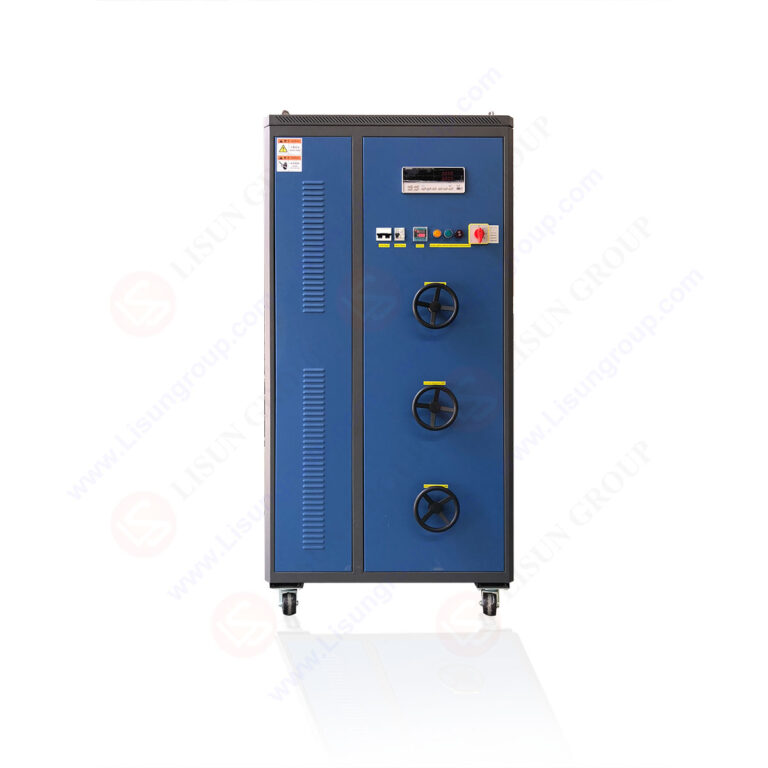



The Critical Role of Environmental Chambers in Product Validation and Reliability Engineering
The relentless drive for miniaturization, increased functionality, and global market deployment of modern technological products has placed unprecedented demands on their reliability and durability. Components and assemblies are routinely subjected to environmental stresses far beyond the controlled conditions of a development laboratory. To predict field performance, mitigate failure risks, and ensure compliance with international standards, manufacturers across industries rely on a fundamental tool: the environmental test chamber. These sophisticated instruments simulate a vast spectrum of climatic and thermodynamic conditions, providing empirical data on product robustness long before market release. This technical analysis examines the core applications of environmental chambers, with a specific focus on thermal shock testing, and elucidates the engineering principles that underpin product validation in today’s high-stakes manufacturing landscape.
Fundamental Principles of Accelerated Life and Stress Screening
Environmental testing operates on the foundational premise of accelerated life testing (ALT) and highly accelerated stress screening (HASS). The core objective is not to replicate a product’s entire lifecycle in real-time, but to condense years of environmental exposure into a manageable test duration by applying elevated stress levels. This process accelerates the activation of latent defects and material fatigue mechanisms—such as coefficient of thermal expansion (CTE) mismatches, intermetallic growth, polymer embrittlement, and condensation-induced corrosion—that would otherwise manifest as premature field failures. By employing controlled, repeatable, and often extreme environmental profiles, engineers can identify design weaknesses, validate material selections, and qualify manufacturing processes with a high degree of statistical confidence. The data derived from these tests directly informs design-for-reliability (DfR) practices, warranty forecasting, and supply chain quality audits.
Thermal Shock Testing: A Critical Subset of Environmental Validation
Among the various environmental tests, thermal shock represents one of the most severe and revealing evaluations. Unlike gradual temperature cycling, thermal shock testing subjects a unit under test (UUT) to rapid, extreme transitions between high and low temperature extremes. This rapid transition induces significant mechanical stress due to the differential contraction and expansion rates of dissimilar materials within an assembly. Solder joints, bonded interfaces, encapsulated components, and layered composites are particularly susceptible to these forces. The test is designed to uncover flaws such as cracked solder balls (CSB), delamination of printed circuit board (PCB) layers, hermetic seal failures in semiconductor packages, and the initiation of micro-cracks in ceramic substrates. The speed of transition is a critical parameter, often defined by standards such as MIL-STD-883 (Method 1010.9), JESD22-A104, or IEC 60068-2-14, which specify transfer times and dwell periods to ensure test severity and reproducibility.
The HLST-500D Thermal Shock Test Chamber: Architecture and Operational Methodology
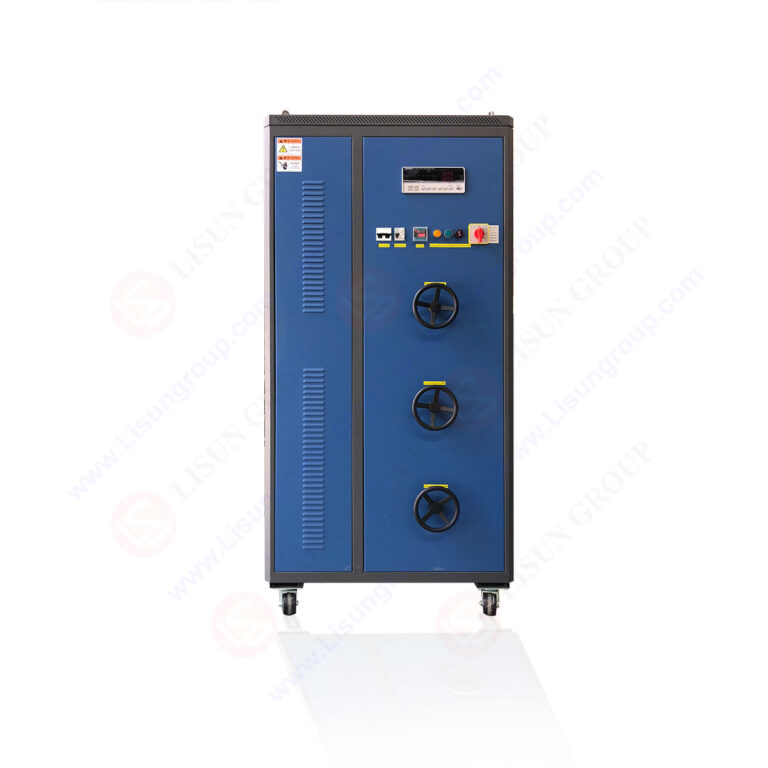
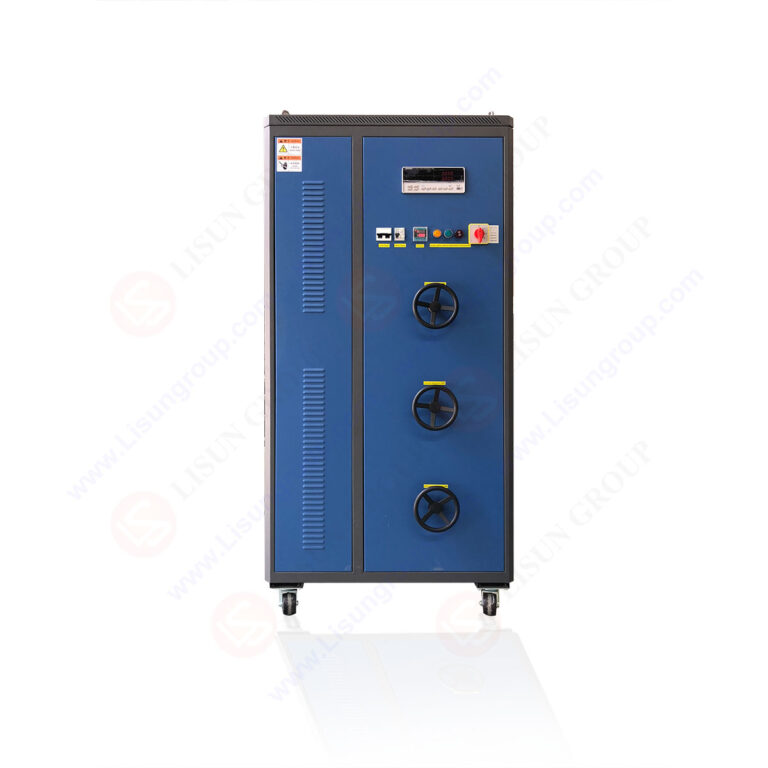
The LISUN HLST-500D thermal shock test chamber embodies a two-zone, basket-transfer design optimized for rigorous compliance testing. The system comprises three primary chambers: a high-temperature zone, a low-temperature zone, and a transitional test area where the UUT is stationed during dwell periods. A mechanically driven basket assembly automatically transfers the test specimens between the hot and cold zones according to a pre-programmed profile. This design ensures a rapid transfer time, typically under 10 seconds, which is essential for applying the true shock condition rather than a moderated thermal cycle.
Key Technical Specifications of the HLST-500D:
- Temperature Range: High Temperature Zone: +60°C to +200°C; Low Temperature Zone: -10°C to -65°C (extendable to -80°C with optional LN2 cooling).
- Recovery Time: ≤5 minutes (from ambient to extreme set points).
- Chamber Volume: 500 Liters (effective test space).
- Basket Load Capacity: 50 kg maximum.
- Temperature Fluctuation: ±0.5°C.
- Temperature Uniformity: ≤2.0°C.
- Control System: Digital programmable controller with RS-232/485 interface, supporting real-time monitoring, data logging, and profile programming.
The operational principle involves pre-stabilizing the hot and cold chambers to their target setpoints. Test specimens are loaded onto the basket in the transitional area. The cycle begins with the basket moving into the high-temperature chamber for a specified dwell period (e.g., 30 minutes), allowing the UUT to thermally saturate. The basket then rapidly transfers to the low-temperature chamber for an equivalent dwell, completing one cycle. This process is repeated for hundreds or thousands of cycles, depending on the validation requirement.
Industry-Specific Applications and Failure Mode Analysis
The HLST-500D’s capability to generate extreme thermal transients makes it indispensable across a diverse range of sectors where electronic and electromechanical reliability is paramount.
Automotive Electronics and Aerospace Components: Modern vehicles and aircraft are dense networks of electronic control units (ECUs), sensors, and power modules. An engine control module may experience ambient temperatures from -40°C in winter to over 125°C under the hood. Thermal shock testing validates the integrity of these systems against failures like solder joint fatigue in vibration sensors, delamination of conformal coatings on flight control boards, and seal failure in lithium-ion battery packs for electric vehicles. Aerospace applications often demand even wider temperature ranges to simulate high-altitude and re-entry thermal profiles.
Telecommunications Equipment and Industrial Control Systems: Base station amplifiers, fiber optic transceivers, and programmable logic controllers (PLCs) are deployed in environments with significant diurnal temperature swings. Thermal shock testing accelerates the failure of under-engineered plated-through-holes (PTHs) in PCBs, weak wire bonds in RF power amplifiers, and the degradation of optical couplings in transceivers, ensuring network infrastructure reliability.
Medical Devices and Consumer Electronics: Implantable devices, diagnostic equipment, and handheld electronics must withstand sterilization cycles, transportation, and daily use. Testing can reveal failures in biocompatible encapsulants, LCD screen laminates under rapid temperature change, and battery connection points in smartphones, directly impacting patient safety and product longevity.
Electrical Components, Lighting, and Cable Systems: Components like relays, connectors, LED drivers, and insulated cables are tested for terminal pull-out due to CTE mismatch, cracking of LED phosphor layers, and loss of dielectric strength in cable insulation after repeated shock cycles. This is critical for safety-critical applications in household appliances and industrial machinery.
Correlation Between Test Parameters and Real-World Performance
Effective test design requires a scientific correlation between accelerated test conditions and expected field life. This involves deriving an acceleration factor (AF) using models like the Coffin-Manson relationship, which ties thermal cycle range (ΔT) and frequency to fatigue life. A test profile for automotive electronics might specify 1,000 cycles between -55°C and +125°C with 30-minute dwells, intended to simulate 10 years of severe service. The selection of the temperature extremes, transfer rate, and dwell time must be carefully aligned with the product’s specific materials, architecture, and intended operating environment as outlined in its environmental requirements specification (ERS).
Standards Compliance and Quality Assurance Protocols
Utilizing a chamber like the HLST-500D is central to demonstrating compliance with a vast ecosystem of international and industry-specific standards. These include:
- IEC 60068-2-14: Basic environmental testing procedures – Change of temperature.
- MIL-STD-202G: Test method standard for electronic and electrical component parts.
- JEDEC JESD22-A104: Temperature cycling.
- ISO 16750-4: Road vehicles – Environmental conditions and testing for electrical and electronic equipment – Climatic loads.
- AEC-Q100: Stress test qualification for automotive integrated circuits.
A rigorous testing protocol involves not only executing the profile but also pre- and post-test functional verification, in-situ monitoring (if possible), and detailed post-mortem analysis using techniques like scanning acoustic microscopy (CSAM) or cross-sectional microscopy to identify the precise failure mechanism initiated by the test.
Comparative Advantages in Precision and Operational Efficiency
The engineering design of a thermal shock chamber directly influences test accuracy, repeatability, and operational cost. The HLST-500D’s two-zone design offers distinct advantages over single-chamber, liquid-based shock methods or three-zone systems. The dedicated hot and cold zones maintain exceptional temperature stability and uniformity (±2.0°C), as they are not constantly being cycled. This leads to faster temperature recovery after basket transfer, higher energy efficiency, and reduced mechanical stress on the refrigeration compressors and heating elements, thereby lowering long-term maintenance costs and improving system uptime. The programmable controller’s precise timing ensures strict adherence to standard-mandated transfer and dwell periods, a critical factor for auditability in regulated industries like medical devices and automotive.
Integrating Test Data into the Product Development Lifecycle
The ultimate value of environmental chamber testing lies in its integration into the broader product development lifecycle. Data from HLST-500D tests should feed directly into failure reporting, analysis, and corrective action systems (FRACAS). Identified failure modes inform iterative design improvements, such as selecting solder alloys with better fatigue resistance, modifying PCB layout to reduce stress concentration, or specifying adhesives with greater elastic modulus. This closed-loop process transforms testing from a final gate-keeping activity into a proactive engineering tool that drives continuous reliability growth, reduces time-to-market for robust products, and substantiates warranty and liability positions.
FAQ: Thermal Shock Testing with the HLST-500D Chamber
Q1: What is the critical difference between thermal cycling and thermal shock testing, and when should I specify shock testing?
Thermal cycling involves relatively gradual ramps between temperature extremes (e.g., 3°C/min), allowing components to adjust more slowly. Thermal shock employs rapid transfers (often in seconds) between pre-heated and pre-cooled zones, creating a more severe mechanical stress. Specify shock testing when evaluating products destined for environments with abrupt temperature changes (e.g., powering on cold equipment in a desert, aviation electronics experiencing rapid altitude changes) or when screening for specific flaws like solder joint cracking or package delamination that are most effectively precipitated by rapid CTE mismatch.
Q2: How do I determine the appropriate temperature extremes and number of cycles for my product validation?
The test profile should be derived from a combination of sources: the product’s formal Environmental Requirements Specification (ERS), the relevant industry qualification standard (e.g., AEC-Q100 for automotive chips), and historical field failure data. A common approach is to define the extremes as the maximum storage/operating temperature and the minimum storage temperature with an added margin. The cycle count is typically calculated using reliability targets (e.g., 95% confidence) and an acceleration model, but standard compliance often mandates a fixed number (e.g., 500 or 1000 cycles).
Q3: Can the HLST-500D accommodate in-situ (live) electrical testing during the shock cycles?
Standard operation involves transferring the test basket between chambers, making continuous wired electrical monitoring during the transfer phase impractical. However, functional testing can and should be performed at the end of designated cycle intervals (e.g., every 100 cycles) during the dwell period in the transitional area. For applications requiring continuous monitoring, specialized fixtures or alternative test methods (like in-situ thermal cycling chambers) may be necessary, though they may not achieve the same rapid transfer rate.
Q4: What are the primary maintenance requirements to ensure the long-term accuracy and reliability of the chamber?
Regular preventive maintenance is crucial. Key tasks include: checking and calibrating temperature sensors (RTDs) annually; inspecting the basket transfer mechanism for wear and alignment; cleaning the air ducts and evaporators in both zones to maintain proper airflow and heat transfer; monitoring refrigerant levels and compressor operation; and verifying the sealing integrity of chamber doors to prevent moisture ingress and temperature leakage. Adherence to a scheduled maintenance plan directly correlates to data integrity and chamber longevity.
Q5: How does the two-zone design of the HLST-500D contribute to energy efficiency compared to a single-chamber design?
In a single-chamber design, the entire workspace must be heated and cooled repeatedly for each cycle, consuming significant energy to overcome the thermal mass of the chamber lining and fixtures. The two-zone HLST-500D maintains its hot and cold zones at constant setpoints. Only the test specimens and the relatively low-mass basket are moved between these stable environments. This eliminates the energy penalty of repeatedly heating and cooling the chamber structure itself, leading to substantially lower power consumption, reduced compressor workload, and less thermal stress on the chamber’s internal components.