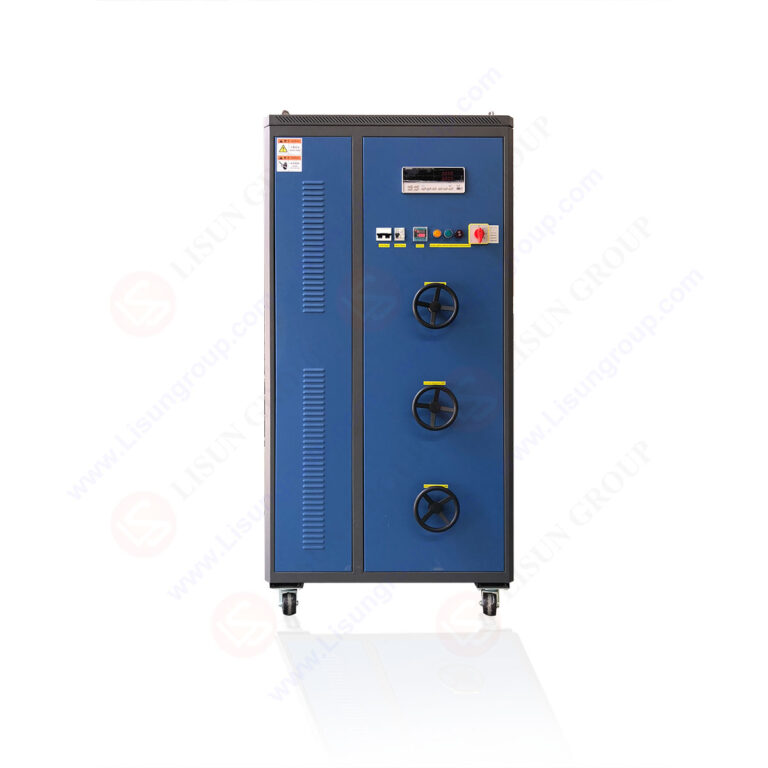



The Critical Role of Waterproof Chamber Testing in Modern Product Validation
In an era where electronic and electromechanical systems permeate every facet of industrial and consumer life, the imperative for reliable operation in diverse environmental conditions has never been greater. Among these conditions, the ingress of water—whether as liquid, vapor, or pressurized spray—represents a primary vector for product failure, safety hazards, and diminished operational lifespan. Waterproof chamber testing, a rigorous subset of environmental simulation, serves as the definitive methodology for quantifying and validating a product’s ingress protection (IP) rating as defined by international standards such as IEC 60529. This technical analysis delves into the principles, methodologies, and critical applications of waterproof testing, with a specific examination of advanced testing instrumentation exemplified by the LISUN JL-9K1L Series Walk-in Waterproof Test Chamber.
Fundamental Principles of Ingress Protection (IP) Testing
The IP Code, a classification system detailed in IEC 60529 and its regional equivalents (e.g., ISO 20653 for automotive), provides a standardized two-digit nomenclature for specifying the degrees of protection provided by enclosures. The first digit, ranging from 0 to 6, denotes protection against solid foreign objects, including dust. The second digit, from 0 to 9K, specifically defines protection against water under various conditions. It is this second digit that waterproof chambers are designed to validate. Testing methodologies are not uniform; they are precisely calibrated to simulate specific real-world aqueous exposures. For instance, IPX4 (splashing water) employs oscillating tube or spray nozzle apparatuses, while IPX7 (temporary immersion) requires submersion of the enclosure in water to a specified depth and duration. Higher ratings like IPX9K, critical for automotive and industrial applications, involve high-pressure, high-temperature water jets that simulate aggressive cleaning processes. Each test requires precise control over parameters including water pressure, flow rate, nozzle distance and angle, water temperature, and test duration, demanding instrumentation of exceptional calibration and repeatability.
Architectural and Operational Paradigms of Modern Waterproof Test Chambers
Contemporary waterproof test chambers are engineered as integrated systems comprising several core subsystems: a chamber structure (ranging from benchtop cabinets to walk-in rooms), a water storage and filtration unit, a temperature conditioning system, a high-pressure pumping and nozzle assembly, and a programmable logic controller (PLC) with human-machine interface (HMI). The chamber itself must be constructed from corrosion-resistant materials such as stainless steel AISI 304 or 316L to withstand constant exposure to water and, in some tests, saline solutions. The water system must maintain consistent purity to prevent nozzle clogging and ensure test reproducibility, often incorporating multi-stage filtration. For tests like IPX9K, the integration of a water heater capable of rapidly achieving and maintaining an 80°C ±5°C fluid temperature is mandatory. The control system’s sophistication determines the chamber’s capability, allowing for the programming of complex test profiles that may cycle through multiple IP codes, adjust pressures dynamically, and log comprehensive data on process variables for audit trails and failure analysis.
The LISUN JL-9K1L Series: A System for Validating High-Pressure, High-Temperature Water Ingress
The LISUN JL-9K1L Series Walk-in Waterproof Test Chamber represents a specialized implementation designed to rigorously assess the highest echelons of water ingress protection, particularly IPX9K as per DIN 40050-9 and ISO 20653. This system is engineered for testing large, bulky, or multiple components simultaneously, such as automotive headlamp assemblies, electrical vehicle charging ports, industrial control cabinets, or aviation exterior lighting fixtures.
Core Specifications and Design Philosophy:
The JL-9K1L is fundamentally a walk-in test room, allowing operators to place equipment on adjustable rotary tables within the chamber. Its construction utilizes SUS304 stainless steel for all wetted surfaces, ensuring longevity against high-temperature, high-pressure water jets. The chamber dimensions are customizable, but a standard configuration provides a test volume sufficient for full vehicle components or large industrial assemblies. The system’s defining feature is its high-pressure, high-temperature spray system, which typically operates at 8-10 MPa (80-100 bar) pressure, with a water flow rate of 14-16 L/min, and a water temperature stabilized at 80°C. Four specialized spray nozzles, positioned at 0°, 30°, 60°, and 90° relative to the horizontal plane of the test sample, are mounted on a movable rack. Each nozzle distance is precisely adjustable to maintain the 100-150mm specification from the sample surface.
Testing Principle and Automation:
The test sequence is governed by a microcomputer-based controller with a color touchscreen HMI. The operator programs the test parameters: pressure, temperature, duration for each nozzle angle (typically 30 seconds per position), and the rotational speed of the sample table. During operation, the PLC modulates the variable-frequency drive controlling the high-pressure pump, manages the electric heating system, and automates the sequential engagement of the four nozzles. The rotary table ensures that the water jet traverses the entire surface area of the test specimen. This automated, repeatable process eliminates operator variance and provides a consistent, standardized assault on the product’s seals, gaskets, and housing interfaces.
Industry-Specific Applications and Validation Imperatives
The application of rigorous waterproof testing, particularly using a chamber capable of IPX9K validation like the JL-9K1L, spans critical industries where failure is not an option.
- Automotive Electronics: Modern vehicles, especially Electric Vehicles (EVs), contain a dense concentration of sensitive electronics in exposed or semi-exposed locations. Components such as battery management system (BMS) enclosures, electronic control units (ECUs), LED headlamps, and exterior sensors (LiDAR, radar) must withstand high-pressure car washes (IPX9K) and driving through heavy rain (IPX6/7). The JL-9K1L directly simulates these harsh cleaning cycles.
- Aerospace and Aviation Components: Exterior components like navigation lights, pitot tubes, and antenna housings are subjected to driving rain and icing conditions during flight. Validation against water ingress at varying pressures and temperatures is a cornerstone of airworthiness certification.
- Industrial Control Systems: Panels, motor drives, and human-machine interfaces (HMIs) deployed in food processing, chemical plants, or outdoor installations may require regular high-pressure washdowns for hygiene or maintenance. An IP69K rating, validated by a JL-9K1L-type test, ensures operational integrity in these demanding environments.
- Lighting Fixtures: Outdoor architectural lighting, stadium floodlights, and street lamps must endure decades of weather exposure. Testing verifies that thermal cycling does not compromise seal integrity, preventing internal condensation and corrosion.
- Medical Devices: Equipment such as surgical hand tools, patient monitors, and imaging system components may require cleaning with pressurized fluids. Testing ensures no ingress occurs that could lead to electrical malfunction or biological contamination.
- Telecommunications Equipment: 5G mmWave antennas and outdoor networking gear are directly exposed to the elements. Waterproof validation is essential for maintaining network reliability and reducing field failure rates.
Competitive Advantages of Integrated High-Pressure Test Systems
The JL-9K1L Series embodies several key advantages that differentiate it from simpler spray racks or manual testing setups. First is its comprehensive simulation capability; it doesn’t merely spray water, it replicates the exact thermodynamic and mechanical conditions specified in the stringent IPX9K standard. Second is its scalability and sample flexibility; the walk-in design accommodates products of irregular size and shape that cannot be tested in smaller cabinet chambers. Third is data integrity and traceability; the automated control system logs all test parameters (pressure, temperature, flow, time) into a retrievable record, which is indispensable for quality audits and compliance documentation for standards like IATF 16949 in automotive. Finally, its robust construction and system reliability minimize downtime and maintenance costs, providing a lower total cost of ownership for high-volume testing laboratories.
Standards Compliance and Testing Protocol Design
Effective use of a system like the JL-9K1L necessitates a deep understanding of the relevant standards. Beyond IEC 60529, test engineers must reference application-specific documents:
- ISO 20653 (Road vehicles – Degrees of protection): Defines IPX9K for vehicle components.
- DIN 40050-9 (Road vehicles – Degrees of protection): The German standard upon which ISO 20653 is based.
- MIL-STD-810G, Method 506.6 (Rain): U.S. military standard for rain and blowing rain.
- GB/T 4208: The Chinese national standard equivalent to IEC 60529.
A typical test protocol involves a pre-test inspection, secure mounting of the sample on the rotary table, programming the controller with the precise standard-mandated sequence, execution of the test, a post-test visual inspection for water ingress, and finally, a functional test of the unit to verify no electrical or operational degradation occurred. The location of any water ingress is meticulously documented to guide design improvements.
Conclusion: An Indispensable Pillar of Product Reliability
Waterproof chamber testing has evolved from a qualitative check to a precise, data-driven engineering discipline. As products become more interconnected and are deployed in increasingly aggressive environments, the ability to empirically validate their resistance to water ingress becomes a critical competitive differentiator and a non-negotiable requirement for market access. Instrumentation such as the LISUN JL-9K1L Series provides the necessary technological platform to execute these validations with the accuracy, repeatability, and scale required by modern manufacturing and quality assurance regimes. It represents not merely a test chamber, but a fundamental tool for de-risking product design, ensuring user safety, and upholding brand reputation in a global marketplace.
Frequently Asked Questions (FAQ)
Q1: What is the key distinction between IPX7/IPX8 (immersion) testing and IPX9K (high-pressure, high-temperature spray) testing, and can one chamber perform both?
IPX7/X8 evaluates protection against temporary or continuous immersion in water, focusing on static water pressure at depth. IPX9K evaluates resistance to close-range, high-velocity, high-temperature water jets—a completely different mechanical and thermal stress. While some advanced cabinet chambers may offer modules for both immersion and spray tests, a dedicated walk-in chamber like the JL-9K1L is optimized specifically for the high-pressure spray paradigm and is not typically used for deep immersion tests due to its size and plumbing configuration.
Q2: For an automotive component supplier, why is testing to IPX9K considered critical even if the vehicle OEM only specifies IPX6/7?
IPX6/7 covers heavy seaside spray and temporary immersion, simulating driving through floods. IPX9K simulates the frequent, aggressive stress of automated high-pressure car washes. While the OEM specification may be the legal minimum, component-level validation to IPX9K is a proactive reliability enhancement. It identifies potential failure modes in seals and gaskets under thermal stress (from the 80°C water) that lower-level tests would miss, ultimately reducing warranty claims and improving perceived customer quality.
Q3: How is water quality managed in a recirculating system like the JL-9K1L, and what impact does water purity have on test validity?
Water quality is paramount. Impurities can clog the fine orifices of high-pressure nozzles, altering spray pattern and pressure, thus invalidating the test. The JL-9K1L typically incorporates a multi-stage filtration system, including sediment filters and often a deionization (DI) or reverse osmosis (RO) unit. The use of DI/RO water minimizes mineral deposition and corrosion within the pump and plumbing. Regular monitoring of water resistivity and periodic system flushing are essential maintenance procedures to ensure long-term test consistency.
Q4: When testing a large assembly with the JL-9K1L, how is the required nozzle-to-sample distance (100-150mm for IPX9K) maintained across an irregular surface?
The standard mandates the distance be measured from the nozzle tip to the “interesting point” on the sample surface. For complex assemblies, test engineers define a representative “test envelope.” The sample is mounted on the rotary table, and the nozzle rack is positioned so that during rotation, all critical surfaces (e.g., seams, connectors, lenses) pass within the specified distance range of the nozzles. This may require iterative setup adjustments and potentially multiple test runs for different facets of a very large unit.
Q5: What are the primary safety interlocks and operational safeguards integrated into a high-pressure system like this?
Robust safety systems are integral. These include: (1) Door interlocks that immediately cut power to the high-pressure pump when the chamber door is opened. (2) High-pressure safety valves to prevent system over-pressurization. (3) Water temperature controllers with overtemperature protection. (4) Emergency stop buttons located inside and outside the chamber. (5) Leak detection sensors in the chamber floor to prevent water egress. (6) Electrical ground-fault protection for all internal power outlets used for powering test samples.