


Technical Analysis of Climatic Simulation Chambers: Capabilities and Industrial Implementation
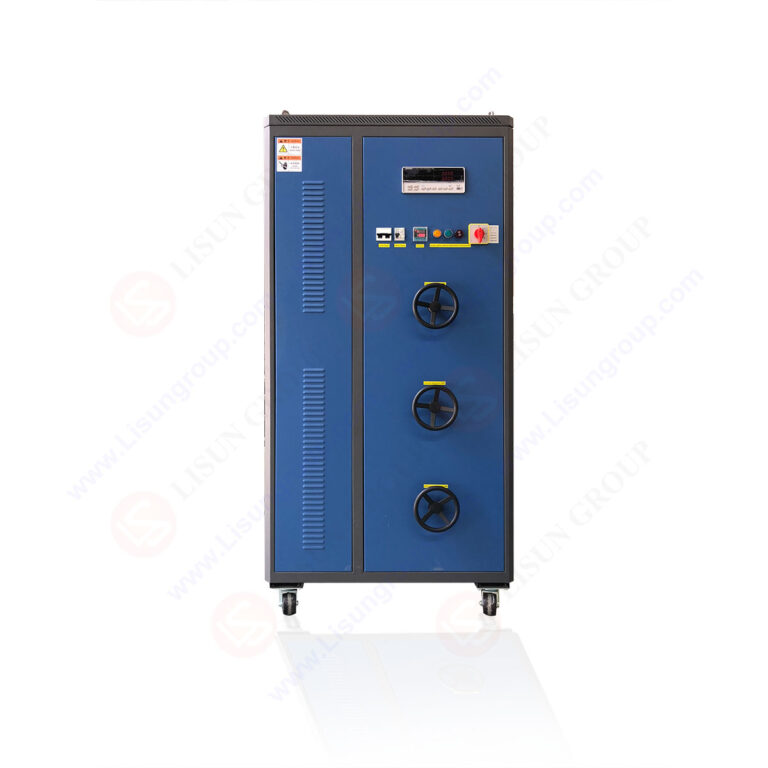
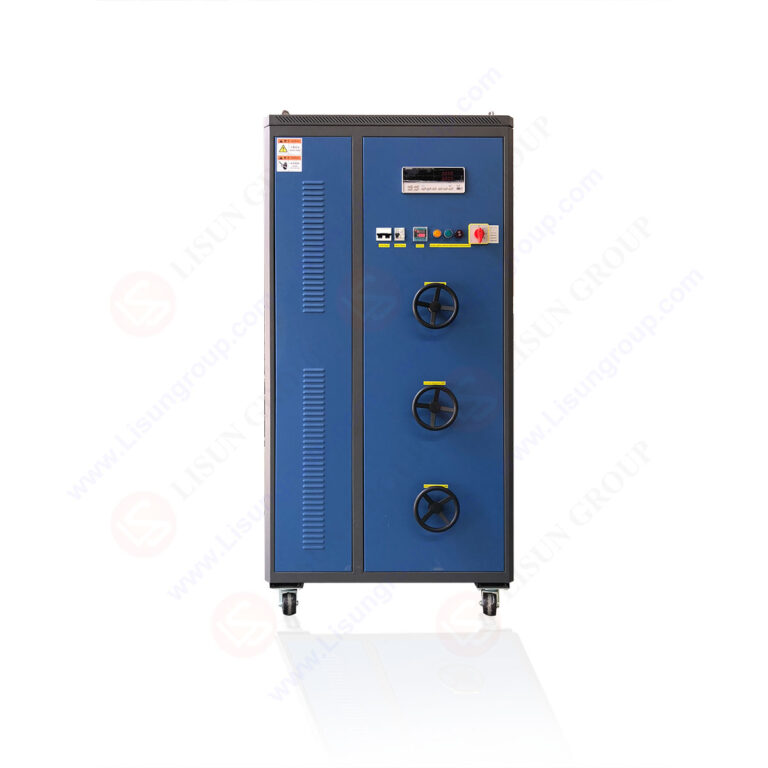
Environmental simulation testing constitutes a foundational pillar of modern product validation, ensuring reliability and compliance across a spectrum of industries. Climatic chambers, specifically, are engineered to replicate and accelerate the effects of temperature and humidity stress on components and finished goods. The LISUN ACS Series represents a sophisticated class of such equipment, designed to meet rigorous international standards while providing the flexibility required for diverse R&D and quality assurance applications. This technical analysis delineates the key architectural features, operational principles, and sector-specific implementations of these systems, with a detailed examination of a complementary product, the HLST-500D Thermal Shock Test Chamber, to illustrate advanced stress testing methodologies.
Architectural and Control System Design Philosophy
The efficacy of any climatic chamber is predicated on the integrity of its construction and the precision of its control systems. The ACS Series employs a modular architecture, utilizing SUS304 stainless steel for interior chambers due to its exceptional corrosion resistance and mechanical stability under cyclic thermal loading. Insulation is typically achieved through high-density polyurethane foam or mineral wool, engineered to minimize thermal transfer and ensure chamber stability, thereby reducing the energy expenditure required to maintain setpoints.
A distinguishing feature lies in the implementation of a balanced temperature and humidity control paradigm. Temperature modulation is achieved via a cascade refrigeration system for lower temperature ranges and electrical heating elements for elevated temperatures. Humidity generation typically employs a steam injection method, which offers finer control and faster response times compared to water pan systems, while dehumidification is managed through a dedicated refrigeration coil. The control interface integrates a programmable logic controller (PLC) coupled with a touch-screen human-machine interface (HMI). This allows for the creation of complex multi-segment profiles, simulating diurnal cycles, geographical climatic conditions, or accelerated stress sequences. Communication protocols such as RS-232, RS-485, or Ethernet are standard, enabling integration into factory-level monitoring and data acquisition systems.
Performance Parameters and Calibration Integrity
Specification adherence is non-negotiable in compliance testing. The ACS Series chambers are designed to operate across broad ranges, commonly spanning temperatures from -70°C to +150°C and humidity from 20% to 98% RH. The critical metrics, however, are uniformity and stability. Temperature uniformity across the workspace, often verified per IEST, IEC, or MIL-STD methodologies, is typically maintained within ±0.5°C to ±2.0°C, depending on the range. Humidity uniformity is similarly controlled within ±2.0% to ±3.0% RH.
Calibration follows a traceable hierarchy, often referencing NIST standards. In-situ calibration using precision-grade resistance temperature detectors (RTDs) and chilled-mirror hygrometers is recommended at regular intervals to compensate for sensor drift. Data logging, with timestamps for all parameters, is essential for audit trails, particularly in regulated industries like medical devices (governed by ISO 13485 and FDA 21 CFR Part 11 considerations for electronic records) and automotive (where IATF 16949 mandates rigorous process validation).
The Critical Role of Thermal Shock Testing: HLST-500D Analysis
While steady-state and cyclic climatic tests are invaluable, the most severe form of thermal stress is encountered during rapid transition events. The LISUN HLST-500D Thermal Shock Test Chamber is engineered specifically for this purpose. Its operational principle involves the rapid translocation of a test specimen between two independently controlled temperature zones: a high-temperature chamber and a low-temperature chamber. This two-zone (or three-zone, including a standby ambient zone) method subjects products to extreme rates of temperature change, often exceeding 15°C per minute, exposing latent material defects such as solder joint fatigue, ceramic substrate cracking, and delamination of encapsulated components.
Key Specifications of the HLST-500D:
- Test Volume: 500 Liters
- Temperature Range: High Temperature Chamber: +60°C to +200°C; Low Temperature Chamber: -10°C to -65°C (or lower, depending on configuration)
- Transition Time: Typically less than 10 seconds (mechanical transfer between chambers)
- Recovery Time: Within 5 minutes of specimen transfer, chambers recover to setpoint
- Control System: Programmable controller for dwell times and cycle counts
- Standards Compliance: Test methodologies align with IEC 60068-2-14, MIL-STD-202G, MIL-STD-883, and JESD22-A104.
Industry-Specific Applications and Use Cases
The application breadth for climatic and thermal shock testing is vast, directly correlating to product lifespan and field failure rates.
Electrical, Electronic Components, and Automotive Electronics: Semiconductors, PCBs, connectors (e.g., USB-C ports, automotive harness connectors), and sensors are subjected to humidity cycling (e.g., 85°C/85% RH per JEDEC standards) to assess corrosion and electrochemical migration. The HLST-500D is critical for testing engine control units (ECUs), LiDAR modules, and battery management systems (BMS) against the thermal shock experienced from engine compartment heat to cold-soak winter conditions, per AEC-Q100 and ISO 16750 mandates.
Telecommunications and Industrial Control Systems: Base station amplifiers, fiber optic transceivers, and programmable logic controllers (PLCs) must operate reliably in uncontrolled environments, from desert heat to freezing telecommunications sheds. Combined temperature-humidity cycling validates seal integrity and component performance, while thermal shock tests solder joint reliability on large-BGA packages.
Lighting Fixtures and Consumer Electronics: LED drivers and luminaires are tested for performance across temperature ranges to predict lumen maintenance and color shift. Consumer devices like smartphones and laptops undergo chamber testing to simulate global climate variations and rapid transitions, such as moving from an air-conditioned building to a hot outdoor environment.
Aerospace and Aviation Components: Here, testing rigor peaks. Avionics boxes, satellite components, and wiring systems are exposed to extreme temperature vacuums and rapid cycling. While specialized chambers are used for altitude simulation, the HLST-500D provides foundational data on material compatibility and connection integrity under rapid thermal stress encountered during ascent/descent or orbital cycles.
Medical Devices and Electrical Safety: For devices like portable dialysis machines, insulin pumps, and surgical tooling, functional reliability under climatic stress is a patient safety issue. Testing ensures displays remain readable, motors function, and plastics do not become brittle. Compliance with IEC 60601-1, which includes environmental requirements, is paramount.
Cable, Wiring, and Household Appliances: Insulation materials for cables are tested for cracking or softening. Household appliances (e.g., refrigerator control boards, oven controllers) are validated for moisture resistance and their ability to withstand the thermal shock of self-cleaning cycles or defrost mechanisms.
Competitive Advantages in System Implementation
The integration of chambers like the ACS Series and HLST-500D into a quality regimen offers several distinct advantages. First is risk mitigation; identifying failure modes in a controlled lab setting prevents costly field recalls and warranty claims. Second is accelerated life testing, where weeks of chamber exposure can model years of field service, compressing development cycles. Third is standards compliance, providing the documented evidence required for regulatory submissions and customer audits. The HLST-500D, with its rapid transition and precise recovery, offers superior test accuracy for shock-specific failures compared to slower single-chamber rate-of-change tests.
Conclusion: Integration into a Robust Validation Strategy
Climatic simulation chambers are not merely “boxes that get hot and cold”; they are precise scientific instruments integral to a physics-of-failure approach in product design. The LISUN ACS Series, exemplified by its precise control and broad operational envelope, alongside specialized tools like the HLST-500D Thermal Shock Chamber, provides the necessary infrastructure for comprehensive environmental stress screening. Their use across industries—from the miniaturized world of consumer electronics to the high-reliability demands of aerospace—underscores a universal truth: products that survive and function within the rigorously defined confines of these chambers are statistically far more likely to endure the unpredictable and often harsh realities of their operational lifespan. Implementing such testing is an investment in product integrity, brand reputation, and ultimately, end-user safety and satisfaction.
Frequently Asked Questions (FAQ)
Q1: What is the fundamental difference between a temperature-humidity cyclic test and a thermal shock test?
A cyclic test, performed in a chamber like the ACS Series, subjects a specimen to controlled, often gradual, ramps and dwells at varying temperature and humidity levels. It simulates seasonal changes or repeated environmental exposure. A thermal shock test, performed in a chamber like the HLST-500D, exposes the specimen to an extreme, nearly instantaneous transition between two temperature extremes. It is a more severe test designed to expose weaknesses from CTE (Coefficient of Thermal Expansion) mismatches and is used to simulate sudden environmental changes, like a device being powered on in a cold state.
Q2: When validating an automotive sensor, which standards would typically govern the use of the HLST-500D chamber?
Primary references would include AEC-Q100 (for integrated circuits) and AEC-Q104 (for multi-chip modules), which specify thermal shock test conditions (e.g., Condition B: -55°C to +125°C). Additionally, the ISO 16750 series, particularly Part 4 “Climate loads,” defines the environmental tests for electrical and electronic equipment in vehicles, which often references the test methods outlined in IEC 60068-2-14.
Q3: How is the transition time defined and measured in a two-zone thermal shock test?
The transition time is not the chamber recovery time. It is specifically defined as the duration the test specimen takes to move from one extreme temperature zone to the other. In the HLST-500D, this is the time the transfer basket mechanism moves the specimen from the hot chamber to the cold chamber, or vice-versa. This time is typically required to be less than 10 seconds to meet the criteria for a true “shock” and prevent temperature stabilization during transfer.
Q4: For testing a sealed medical device, what chamber feature is critical to prevent “breathing” effects during temperature cycles?
A critical feature is the inclusion of a pressure equalization port or a controlled venting system. As the chamber air temperature changes, the air pressure inside a sealed device will attempt to equalize with the chamber pressure. Without a controlled pathway, this can force moisture-laden chamber air into the device during cooling (creating internal condensation) or stress seals during heating. A properly designed test will manage this porting to simulate real-world conditions accurately.