


Abstract
Ensuring the long-term mechanical and electrical integrity of plug and socket connections is a fundamental requirement in product safety and reliability verification. This comprehensive technical article examines the methodologies and equipment essential for rigorous electrical durability testing, with a focus on the CZKS-3P Plug Socket Life Tester from LISUN. We will explore the engineering principles behind automated life cycle testing, detailing how systems like the LISUN CZKS-3 series simulate years of insertion, withdrawal, and switching cycles under controlled electrical load. The discussion covers core international standards compliance, critical test parameters, and the system’s application in validating components for household, industrial, and automotive electronics. By providing a data-driven analysis, this article serves as a resource for quality engineers and testing laboratories dedicated to preventing electrical contact failure.
1.1 Understanding Electrical Contact Fatigue and Failure Modes
Electrical contacts within plugs, sockets, and switches are subject to progressive degradation from mechanical wear, arcing, and thermal stress. Each mating cycle can cause microscopic material transfer, leading to increased contact resistance, overheating, and potential ignition hazards. The primary failure modes targeted by durability testing include contact adhesion (welding), excessive wear leading to loss of contact pressure, insulation breakdown from heat, and mechanical fracture of components. Systematic testing with equipment like the LISUN CZKS-3P is designed to accelerate these failure mechanisms in a controlled environment, providing predictive data on product lifespan and safety margins before market release.
1.2 Compliance as a Market Gatekeeper: The Standards Landscape
Global market access for electrical accessories is contingent upon demonstrable compliance with stringent international and national standards. These standards define the minimum number of operating cycles, the electrical load to be applied, and the pass/fail criteria for mechanical and electrical performance post-test. Key standards mandating such durability assessments include IEC 60884-1 for plugs and socket-outlets, IEC 60669-1 for switches, IEC 61058-1 for appliance switches, and GB/T 2099.1 for the Chinese market. The LISUN CZKS-3 series is engineered specifically to automate testing per the clauses within these standards, such as the breaking capacity and normal operation tests, ensuring reproducible and auditable results for certification bodies.
2.1 System Architecture and Core Design Philosophy
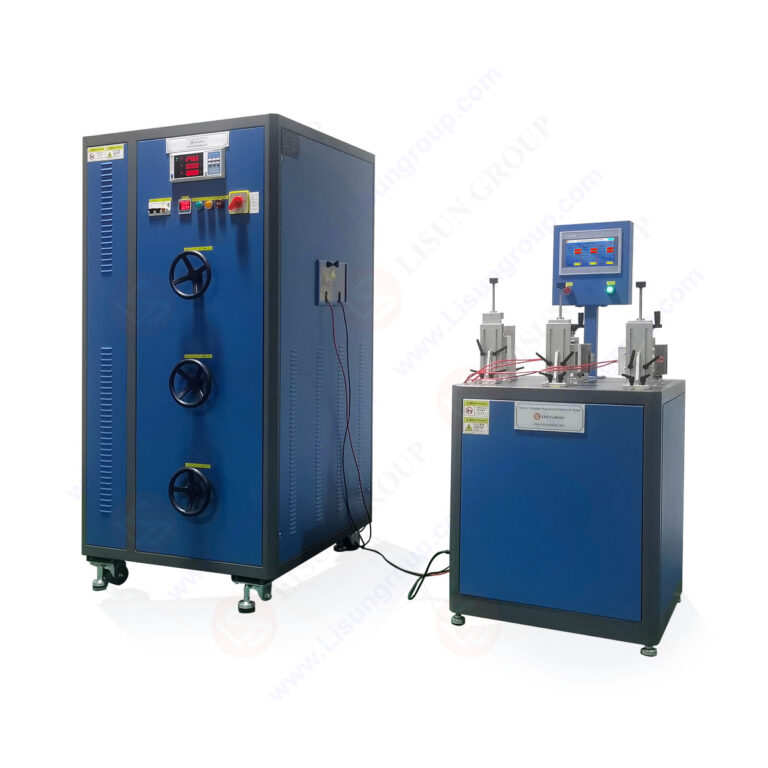
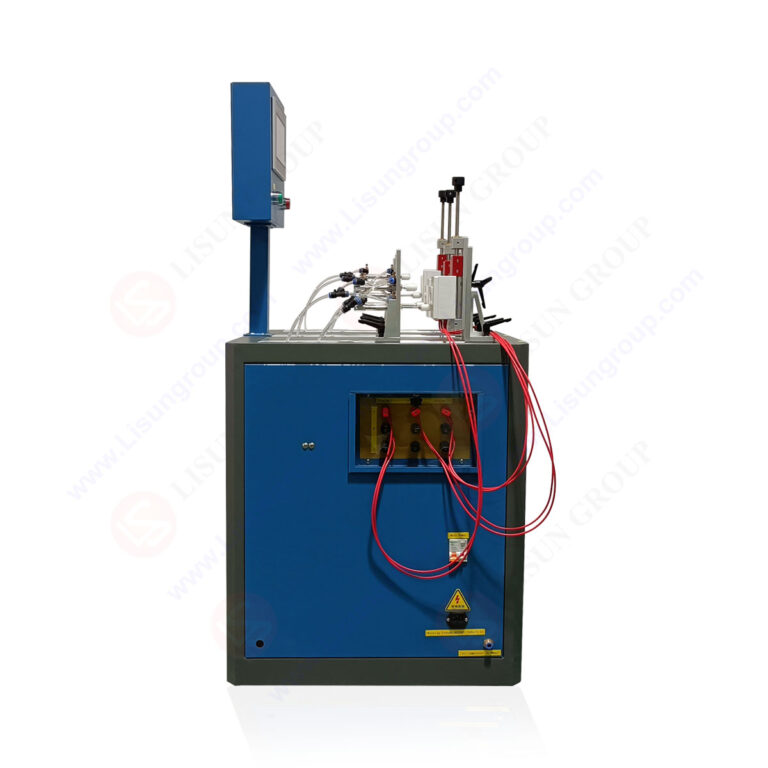
The LISUN CZKS-3 series represents a family of programmable, automated test equipment designed for high-precision life cycle evaluation. The core architecture integrates a programmable logic controller (PLC), precision mechanical actuation systems (typically pneumatic cylinder-driven), and a programmable electrical load supply. This integration allows for the complete automation of complex test sequences that involve synchronized insertion, withdrawal, dwell time, and load switching. The design philosophy prioritizes reproducibility, user safety through enclosed test chambers, and flexibility to accommodate a wide range of plug, socket, and switch form factors through customizable fixtures.
2.2 Model Variants and Their Specialized Applications
The series comprises several models, each optimized for specific test applications while sharing a common control platform. The CZKS-3P Plug Socket Life Tester is primarily configured for testing socket-outlets and their mating plugs. The CZKS-3S variant is tailored for switch durability testing, including rotary, push-button, and toggle types. The CZKS-3A model is designed for testing appliance couplers and connectors. This specialization ensures that the mechanical actuation kinematics and fixturing are optimally designed for the specific component type, leading to more accurate and reliable test outcomes.
| Parameter | CZKS-3 (Base) | CZKS-3P (Plug/Socket) | CZKS-3S (Switch) | CZKS-3A (Appliance Coupler) |
|---|---|---|---|---|
| Max Test Stations | 6 | 6 | 6 | 6 |
| Cycle Rate (cycles/min) | 5-30 | 5-30 | 5-60 | 5-30 |
| Actuation Force Range | 50-200 N | 50-200 N | 10-100 N | 50-200 N |
| Electrical Load Current | 1-40 A AC | 1-40 A AC | 1-20 A AC/DC | 1-16 A AC |
| Test Voltage | 0-300 V AC/DC | 0-300 V AC/DC | 0-300 V AC/DC | 0-300 V AC/DC |
| Compliance Standards | IEC 60884-1, GB/T 2099.1 | IEC 60884-1, GB/T 2099.1 | IEC 60669-1, IEC 61058-1 | IEC 60320, GB/T 17465 |
3.1 Precision Mechanical Actuation and Motion Control
The mechanical subsystem is responsible for accurately simulating human interaction. Utilizing pneumatic cylinders with adjustable pressure regulators and flow controls, the system delivers consistent insertion/withdrawal forces and travel speeds. The motion profile is programmable via the PLC, allowing for parameters such as insertion depth, dwell time at the fully engaged position, and withdrawal speed to be precisely set. This is critical for replicating real-world use and for adhering to the specific engagement requirements outlined in standards like clause 20 of IEC 60884-1.
3.2 Programmable Electrical Load and Monitoring Circuitry
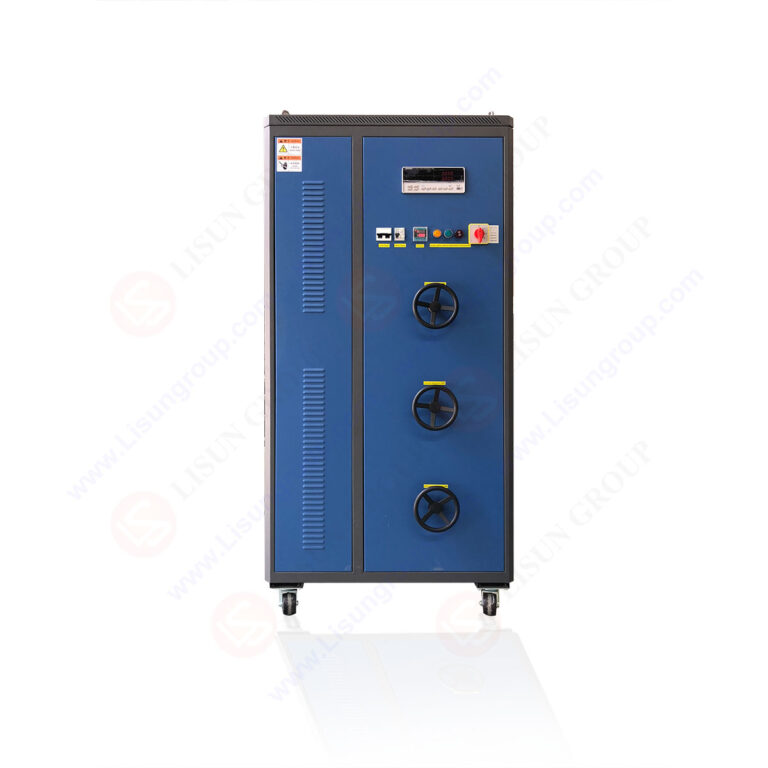
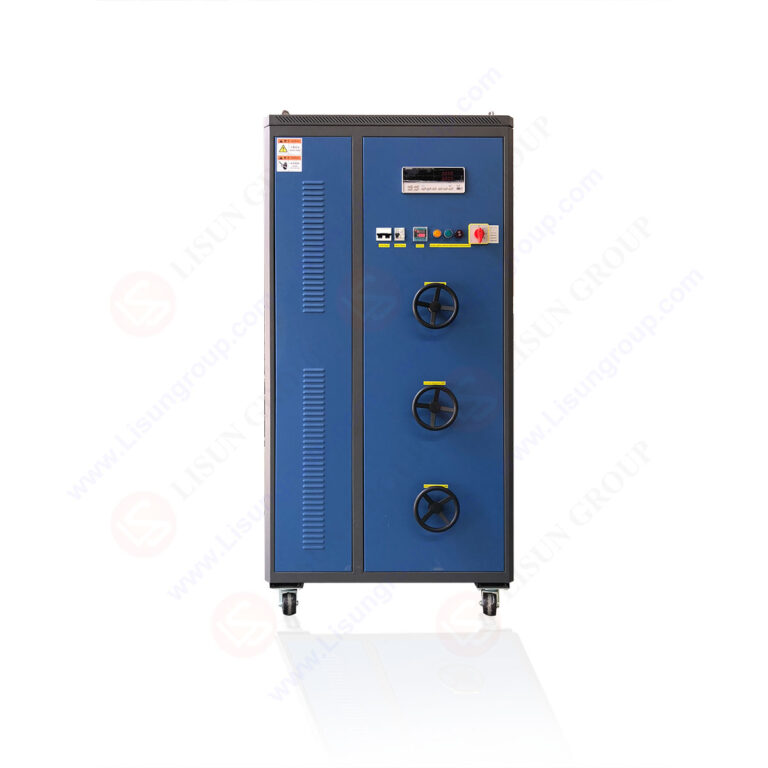
The electrical subsystem applies a defined load during the test cycle. A programmable power supply provides the required AC voltage (e.g., 250V) and a resistive or inductive load bank creates the specified current (e.g., 16A for a standard socket). Advanced models within the LISUN CZKS-3 series incorporate real-time monitoring of contact voltage drop and circuit continuity. This allows for the detection of failures such as contact welding (failure to open) or excessive resistance rise (leading to overheating) during the test, not just at its conclusion, providing richer diagnostic data.
3.3 Integrated Control Software and Data Logging
The human-machine interface (HMI) and control software form the brain of the system. Operators can set all test parameters—cycle count, load profile, actuation sequence—through an intuitive touchscreen. The software logs every test cycle, recording parameters like actual current, voltage, cycle count, and any fault events. This creates a comprehensive and tamper-evident data trail essential for audit purposes and for detailed failure analysis, enabling engineers to pinpoint the exact cycle and conditions under which a failure occurred.
4.1 Fixturing and Sample Preparation
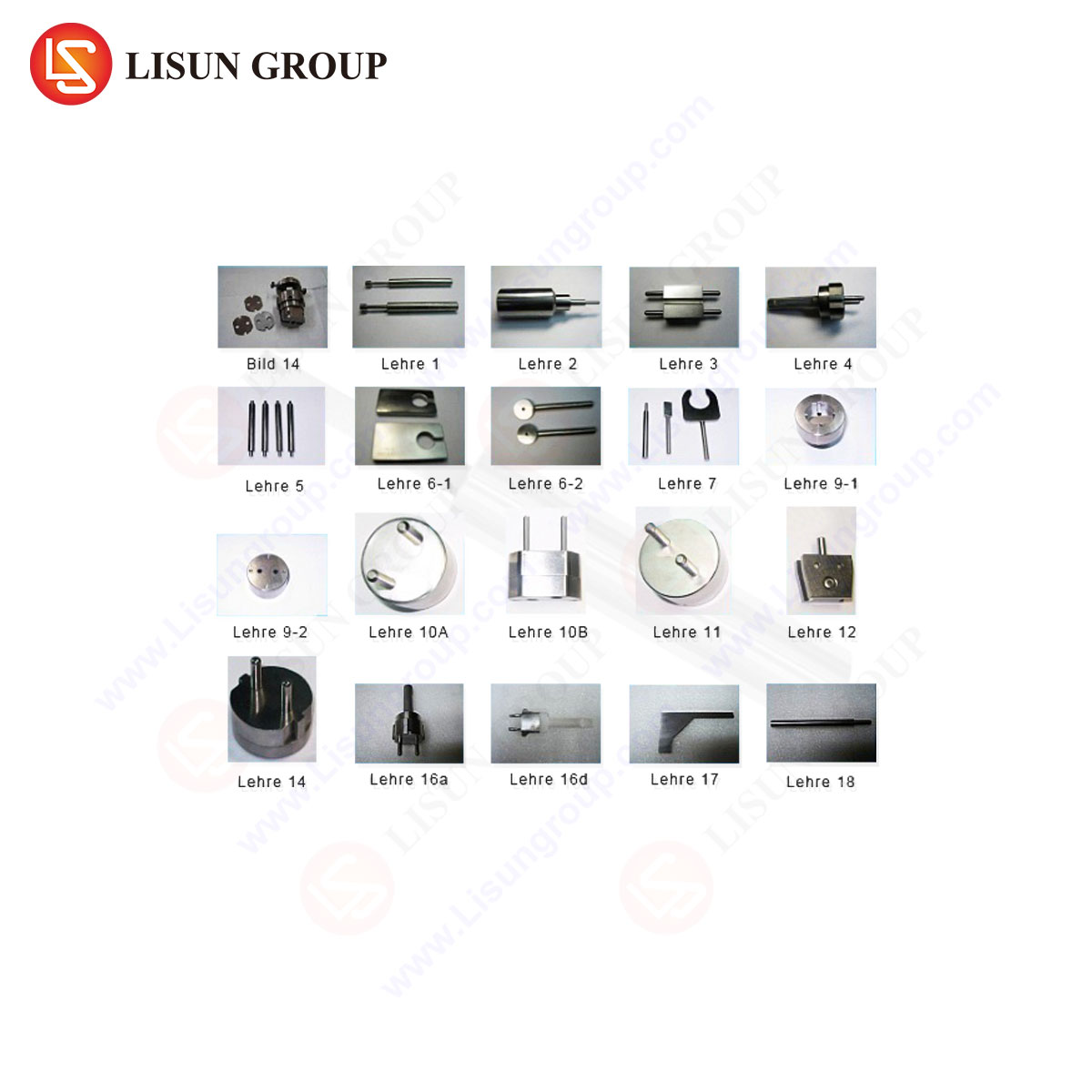
The first step involves securely mounting the socket-outlet specimen in the test station and attaching the standardized test plug to the actuator arm. The fixture must hold the socket rigidly to prevent movement that could absorb insertion energy and invalidate the test. The test plug, often a calibrated brass or tungsten pin assembly specified by the standard, must be aligned correctly to match the socket’s pin configuration. Proper fixturing on the CZKS-3P Plug Socket Life Tester is paramount for achieving consistent, standard-compliant results.
4.2 Parameter Setting According to Target Standard
For a test per IEC 60884-1 clause 20 (normal operation), key parameters are defined. The test typically involves 5,000 insertion/withdrawal cycles with no electrical load, followed by a specified number of cycles (e.g., 100) under full rated load. The actuator speed is set to a moderate rate (e.g., 15 cycles per minute), and the insertion force is calibrated. The electrical load is set to the socket’s rated current and voltage, with a power factor as stipulated. The LISUN CZKS-3P’s PLC is programmed with this sequence to execute automatically.
5.1 Breaking Capacity and Abnormal Condition Testing
Beyond normal operation, standards require verification of breaking capacity—the ability to safely interrupt an overload or short-circuit current. While not a short-circuit tester itself, the LISUN CZKS-3 series can be configured to perform switching operations under elevated resistive loads to simulate stressful breaking conditions. This is crucial for evaluating switches and socket-outlets intended for motor loads or other inductive applications where contact arcing is more severe, as referenced in IEC 61058-1.
5.2 Automotive Connector and Appliance Switch Validation
The principles of durability testing extend beyond wall sockets. The CZKS-3A model is instrumental in testing IEC 60320 appliance couplers for white goods and IT equipment. Similarly, with appropriate fixturing, the system can be adapted to test automotive electrical connectors (referencing standards like USCAR-2), where vibration and thermal cycling may be combined with mating cycle tests. This demonstrates the flexibility of the LISUN CZKS-3 platform for cross-industry component validation.
6.1 Post-Test Inspection and Electrical Verification
Upon test completion, a thorough inspection is conducted. The specimen is examined for mechanical damage such as cracked housing, deformed contacts, or excessive wear. Electrically, the contact resistance is measured and must not exceed limits specified in the standard (e.g., a maximum millivolt drop under test current). The dielectric strength of the insulation is also verified with a hipot test. The automated logging of the CZKS-3P Plug Socket Life Tester provides the first evidence of failure, guiding this detailed post-mortem analysis.
6.2 Correlating Lab Data to Field Performance
The ultimate goal of accelerated life testing is to predict field reliability. A component that passes 10,000 cycles in the lab, with each cycle representing a conservative estimate of wear from a single use, can be statistically correlated to a years-long service life. Analyzing the failure mode—whether it was contact welding, plastic deformation, or insulation carbonization—allows design engineers to make targeted improvements to materials, contact geometry, or spring forces, thereby enhancing the fundamental safety and quality of the product.
7.1 Traceability of Mechanical and Electrical Parameters
For test data to be credible for certification, the measurement system must be calibrated to national or international standards. This involves periodic calibration of force sensors for actuation, current and voltage transducers for load application, and timing circuits for cycle rate. Calibration certificates provide traceability, ensuring that a force reading of 50N on the LISUN CZKS-3P display is an accurate representation of the force applied to the specimen.
7.2 Maintenance for Long-Term Reproducibility
Consistent performance requires preventive maintenance. This includes checking pneumatic filters and lubricators, verifying cylinder seal integrity, inspecting electrical contacts on load banks, and performing software verification checks. A well-maintained LISUN CZKS-3 series tester will produce highly reproducible data over many years, forming the dependable backbone of a quality assurance laboratory.
The verification of plug, socket, and switch durability is a non-negotiable pillar of electrical product safety and quality assurance. Automated, precision test systems like the LISUN CZKS-3 series transform the abstract requirements of international standards into reliable, repeatable, and auditable laboratory data. The CZKS-3P Plug Socket Life Tester, along with its sibling models, provides manufacturers and testing laboratories with a critical tool for de-risking product design, achieving global compliance, and preventing field failures that could lead to safety hazards. By integrating programmable mechanical actuation with precise electrical loading and comprehensive data logging, this equipment enables a deep engineering understanding of contact performance under simulated lifetime stresses. Investing in such robust testing capability is ultimately an investment in brand reputation, consumer safety, and market access, ensuring that electrical components perform reliably over their intended service life.
Q1: What is the key difference between the CZKS-3P and the CZKS-3S models in the LISUN series?
A: The primary difference lies in their optimized application and fixturing. The CZKS-3P Plug Socket Life Tester is specifically engineered for testing the insertion/withdrawal durability of socket-outlets and their mating plugs, aligning with standards like IEC 60884-1. Its actuation is designed for the linear mating motion of a plug. The CZKS-3S, conversely, is tailored for switch durability (IEC 60669-1, IEC 61058-1). It features actuation mechanisms—such as rotary actuators or angled pushers—designed to operate toggle, rocker, or push-button switches through their specific arc of travel or depression, often at higher cycle rates relevant to switch testing.
Q2: Can the LISUN CZKS-3P tester simulate real-world conditions like slow insertion or partial engagement?
A: Yes, through its programmable PLC and adjustable pneumatic controls, it can simulate various real-world scenarios. The insertion and withdrawal speeds are fully adjustable, allowing for simulation of both rapid and slow user actions. Furthermore, the travel distance and dwell position can be programmed. This enables testing for abnormal conditions, such as testing the effect of partial engagement on contact heating or programming specific sequences that might induce arcing. This programmability is essential for conducting comprehensive tests beyond the basic standard sequence to investigate potential failure modes.
Q3: How does the system detect a failure during an automated test run, such as a welded contact?
A: The LISUN CZKS-3 series incorporates real-time electrical monitoring circuits for this purpose. During a switching or insertion-under-load test, the system continuously monitors the state of the test circuit. If a set of contacts is supposed to open (break the circuit) but the monitoring detects continued current flow, it will log a “contact weld” failure. Similarly, if the circuit fails to close when it should, an “open circuit” fault is recorded. The test can be programmed to halt upon such a fault, and the exact cycle number and electrical parameters at the moment of failure are saved in the data log for detailed analysis.
Q4: What standards compliance can be demonstrated using the data from a CZKS-3P test report?
A: A comprehensive test report from a properly calibrated CZKS-3P Plug Socket Life Tester provides direct evidence for compliance with key clauses of major international and national standards. This includes the “Normal Operation” test (clause 20) and “Breaking Capacity” test aspects of IEC 60884-1 and its Chinese equivalent GB/T 2099.1 for plugs and socket-outlets. The report documents the number of cycles completed, the applied electrical load (current, voltage, power factor), actuation force, and any failures encountered. This data package is precisely what certification bodies (like UL, TUV, CCC) require to verify that a product meets the mandated mechanical and electrical endurance requirements.
Q5: Is the equipment suitable for testing components with non-standard geometries or higher current ratings?
A: The LISUN CZKS-3 platform is designed with a degree of flexibility. For non-standard geometries, custom test fixtures can be engineered and mounted onto the standard actuator arms. Regarding electrical load, the standard models typically cover up to 40A AC, which encompasses most household and light industrial ratings. For components with higher current ratings (e.g., industrial connectors), the system’s load control circuitry can often be interfaced with external, higher-capacity load banks or power supplies, subject to a technical review of the specific requirements to ensure compatibility and safety.