




Understanding IP56 Waterproof Testing: A Technical Analysis of Enclosure Protection
Introduction to Ingress Protection (IP) Ratings and Their Significance
The International Electrotechnical Commission (IEC) standard 60529, commonly referenced as the Ingress Protection (IP) Code, provides a systematic and internationally recognized classification for the degree of protection offered by mechanical casings and electrical enclosures against intrusion, dust, accidental contact, and water. This codification is not a mere marketing specification but a rigorous, repeatable testing protocol that defines the environmental resilience of a product. For manufacturers across a spectrum of industries—from automotive electronics to medical devices—specifying and verifying an IP rating is a critical step in product development, risk mitigation, and regulatory compliance. It communicates a precise, test-verified level of durability to clients, integrators, and end-users, forming a foundational element of product specification sheets and technical data manuals.
Within this framework, the IP56 rating represents a specific and demanding level of protection. It signifies a design engineered to withstand significant environmental challenges, balancing robust particulate ingress prevention with a high degree of water resistance from powerful jets. Understanding the exact requirements, testing methodologies, and industrial applications of IP56 is essential for engineers, quality assurance professionals, and procurement specialists tasked with ensuring product reliability in demanding operational contexts.
Deconstructing the IP56 Code: Numerical Definitions and Scope
The IP code is composed of two characteristic numerals. The first digit denotes protection against solid foreign objects and ranges from 0 (no protection) to 6 (complete protection against dust ingress). The second digit indicates protection against harmful effects of water ingress, scaling from 0 (no protection) to 9K (protection against high-pressure, high-temperature jetting). It is crucial to note that the ratings are sequential but not cumulative; an IP56 rating does not automatically imply compliance with the conditions of IP55 or IP65, though a well-designed product may often pass them. Each rating must be independently verified through testing.
For IP56, the first digit ‘5’ indicates “Dust Protected.” Enclosures with this level of protection are not entirely dust-tight, but dust ingress is limited to a quantity that does not interfere with the satisfactory operation of the equipment or impair safety. The test involves exposing the enclosure to talcum powder in a controlled dust chamber for a prescribed duration under partial vacuum. The second digit ‘6’ denotes protection against “Powerful Water Jets.” This test subjects the enclosure to water projected in powerful jets (12.5 mm nozzle) from any direction at a flow rate of 100 liters per minute, a pressure of approximately 100 kPa at a distance of 2.5 to 3 meters, for a minimum of 3 minutes per square meter of the enclosure surface, for at least 3 minutes in total. The equipment must not admit water in quantities that would cause harmful effects.
The Physics and Methodology of IP56 Testing Procedures
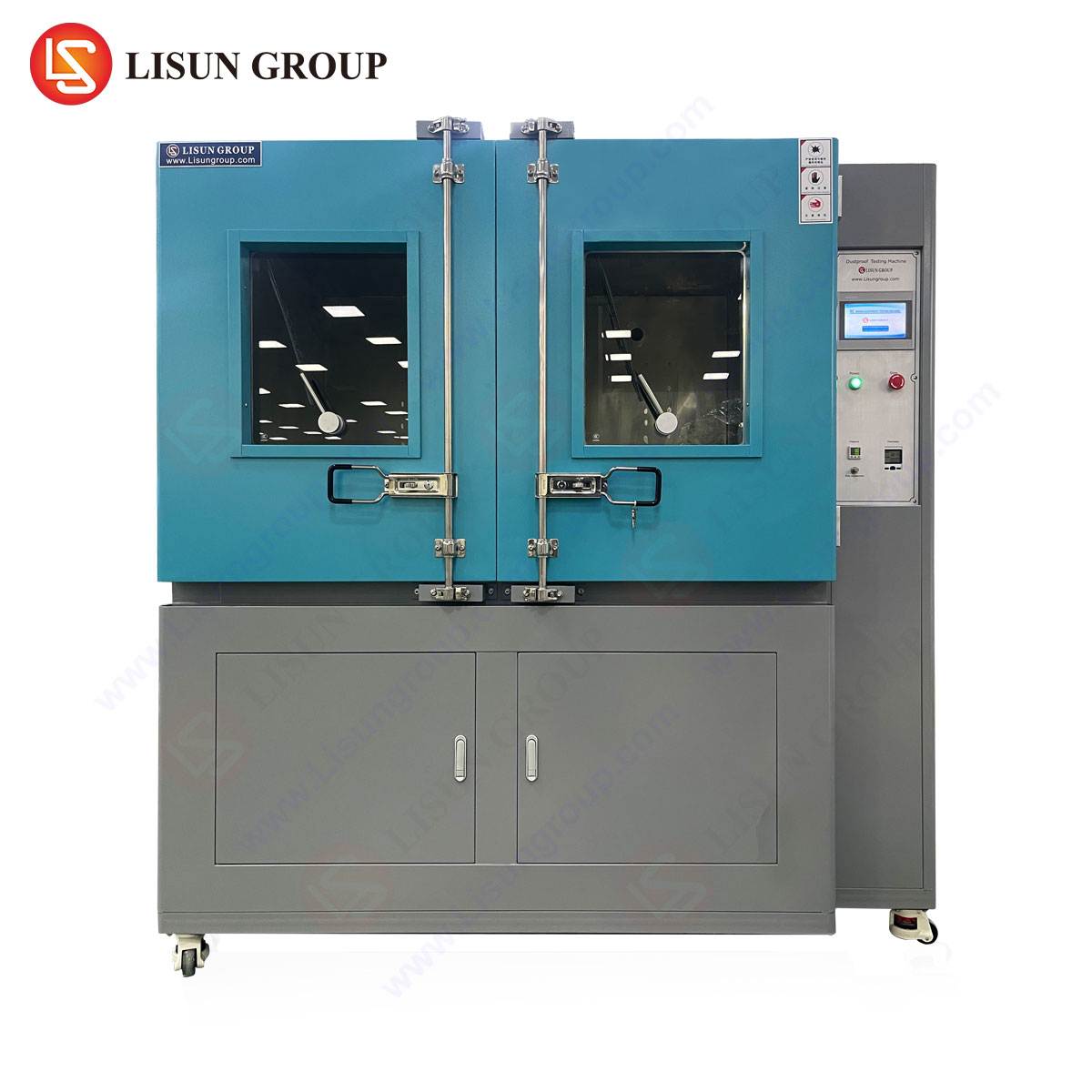
The efficacy of IP56 testing hinges on controlled, reproducible laboratory conditions that simulate real-world environmental stresses. The dust test (Digit 5) is conducted in a sealed test chamber where fine talcum powder (circulated to maintain a specified density) is agitated. The test sample, with its internal components energized or under operational load, is placed inside. A vacuum pump is used to maintain a pressure differential of less than 2 kPa (20 mbar) between the inside and outside of the enclosure, drawing air—and any potential dust—inward through any viable apertures. Following the test period, typically 2 to 8 hours, the enclosure is inspected internally. The acceptance criterion is that no dust deposit interferes with normal operation or safety; minute amounts of dust are permissible.
The water jet test (Digit 6) is a dynamic hydraulic assessment. The test apparatus consists of a calibrated nozzle with a 12.5 mm diameter, connected to a pump system capable of delivering the stipulated flow and pressure. The enclosure is mounted on a turntable or fixture to ensure all potential points of water ingress are exposed. The jet is directed from all practicable angles, typically 0°, 30°, 60°, and 90° relative to the horizontal plane of the enclosure. The critical parameters—nozzle distance, water pressure, flow rate, and exposure time—must be meticulously controlled and documented. Post-test evaluation involves a thorough visual inspection for water ingress and functional testing of the equipment. The standard permits ingress of water, provided it does not accumulate in quantities that could lead to insulation failure, corrosion, or disruption of mechanical or electronic functions.
Industrial Applications and Compliance Imperatives for IP56-Rated Equipment
The IP56 rating finds application in environments where equipment is exposed to wind-blown dust, particulate matter, and direct, high-pressure water cleaning or storm-driven rain. It is a common specification for equipment that must operate reliably outdoors or in industrial settings without being housed in a secondary protective cabinet.
In Automotive Electronics, components such as external sensors, control units mounted in wheel wells or underbody, and charging ports for electric vehicles may require IP56 certification to withstand road spray, pressure washing, and dusty conditions. Lighting Fixtures, particularly for architectural facades, stadiums, and industrial high-bay lighting, often carry an IP56 rating to ensure performance despite rain and accumulation of dust on luminaires. Telecommunications Equipment, including base station antennas and outdoor networking hardware, relies on this rating to maintain signal integrity and prevent corrosion. For Industrial Control Systems, push-button stations, HMIs (Human-Machine Interfaces), and junction boxes located on factory floors near washdown areas benefit from IP56 protection. In Consumer Electronics, high-end portable speakers, action cameras, and ruggedized mobile devices may target IP56 to guarantee resilience against the elements. Electrical Components like outdoor-rated switches and sockets are frequently specified to this standard.
Compliance is not merely a design goal but often a contractual and regulatory imperative. It reduces warranty claims, minimizes field failures, and is frequently a prerequisite for listing in industry-specific certification directories.
The Role of Precision Test Equipment: Introducing the LISUN JL-56 Waterproof Test Chamber
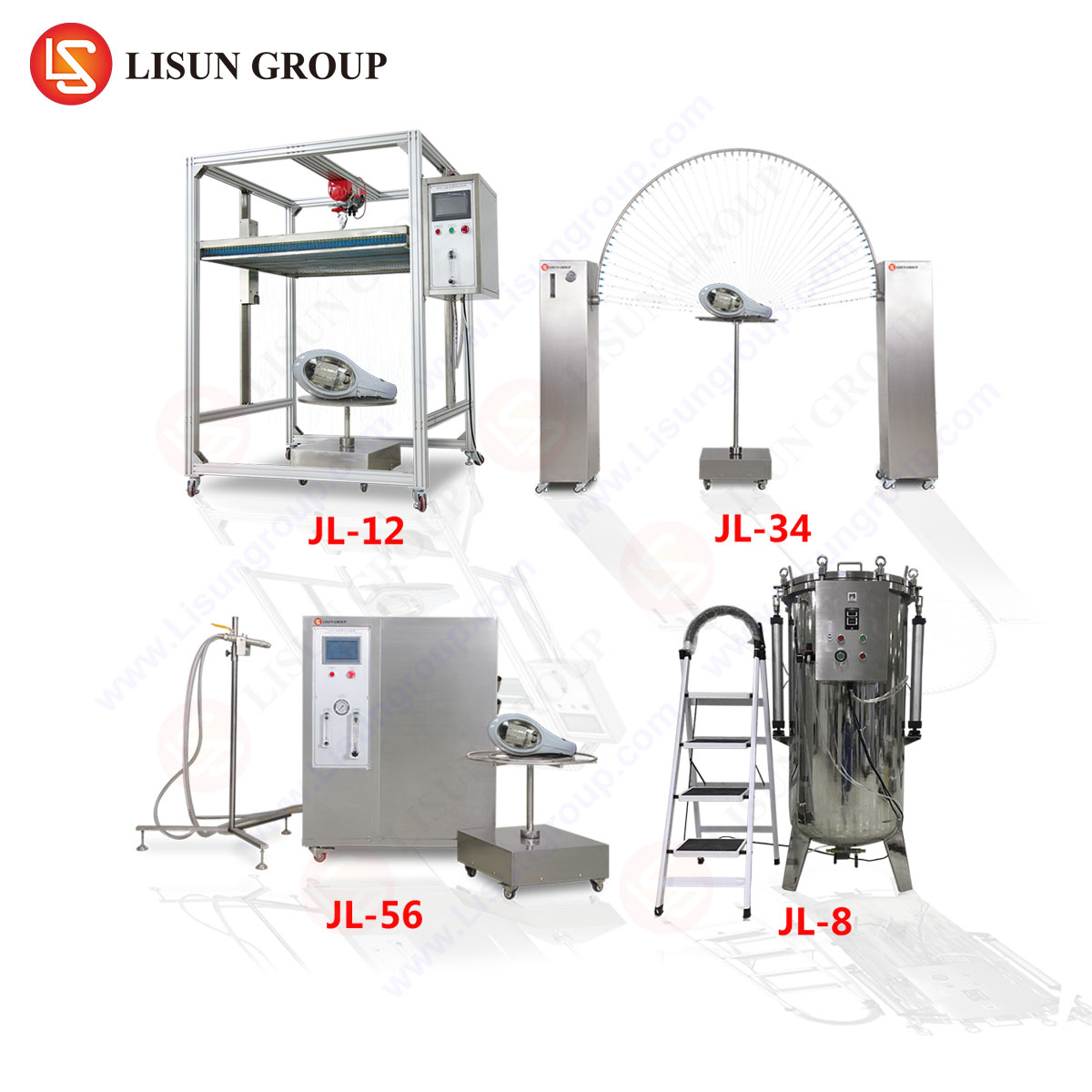
Accurate and reliable IP code verification is impossible without sophisticated, calibrated test equipment. Testing apparatus must not only replicate the conditions dictated by IEC 60529 but do so with a high degree of repeatability and precision to ensure test results are legally and technically defensible. The LISUN JL-56 Waterproof Test Chamber is engineered specifically to fulfill the requirements for testing against the second-digit water ingress ratings from IPX1 to IPX6, including the critical IPX6 (powerful water jets) component of the IP56 test.
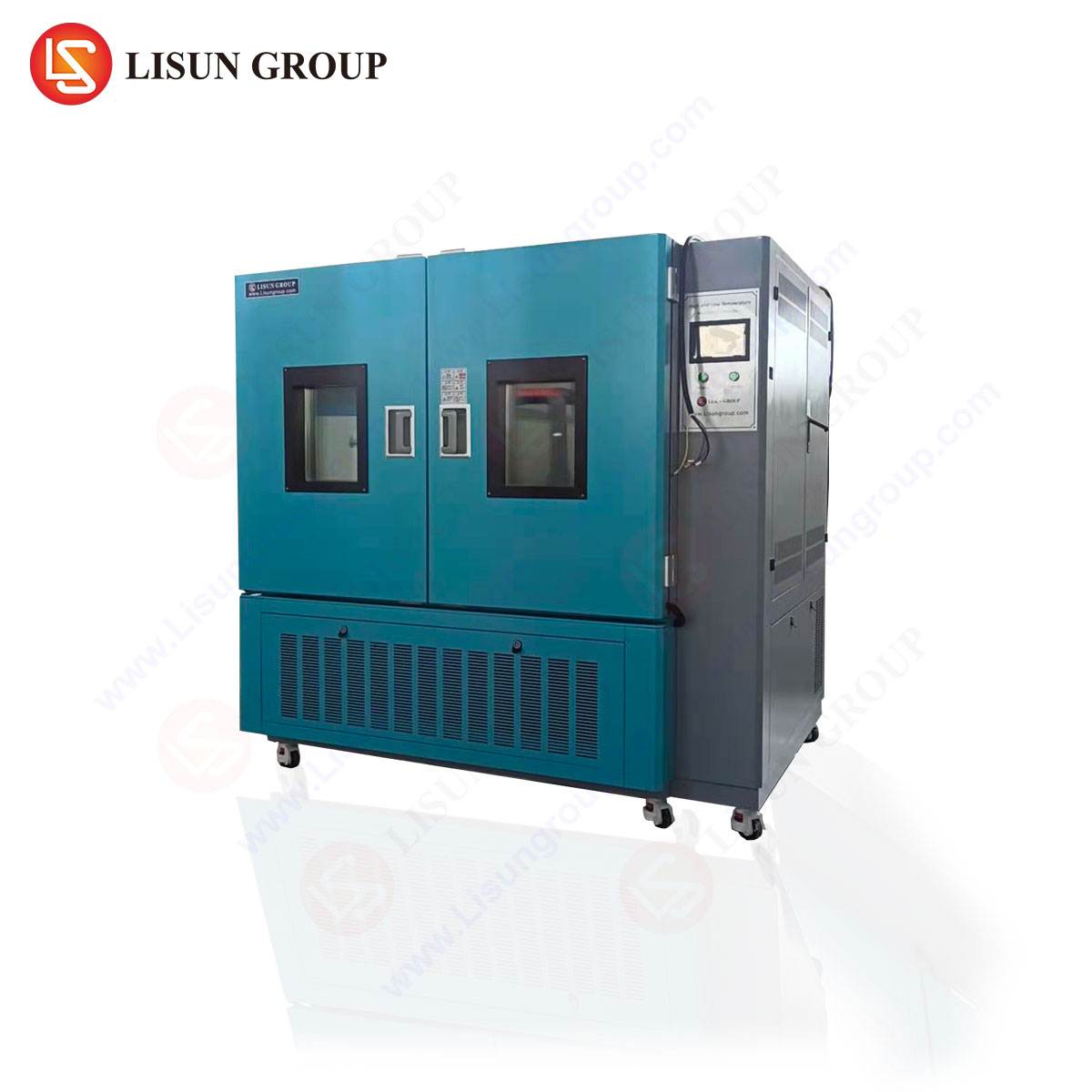
The JL-56 chamber is a fully integrated test system. Its core principle involves a high-pressure pump system, a precision-machined 12.5 mm diameter nozzle, and an integrated flow meter and pressure gauge. The sample is placed within a test compartment designed to contain the high-velocity spray, which is typically constructed from stainless steel or other corrosion-resistant materials for longevity. The unit features a programmable controller to manage test parameters such as test duration, water pressure (adjustable to maintain the 100 kPa at the nozzle), and, in more advanced configurations, the movement of the nozzle or sample turntable to achieve comprehensive angular coverage.
Key Specifications and Competitive Advantages of the LISUN JL-56:
- Compliance: Fully designed to meet IEC 60529, ISO 20653, and other equivalent national standards (e.g., GB 4208).
- Nozzle System: Includes the standard 12.5 mm nozzle for IPX6 testing, with options for other standardized nozzles (e.g., IPX4 oscillating tube, IPX5 6.3 mm nozzle) to allow a single chamber to perform multiple tests.
- Control and Monitoring: Features a digital interface for setting jet distance (via adjustable sample rack), test time, and water pressure. Integrated flow and pressure sensors provide real-time feedback and data logging capabilities, essential for audit trails.
- Construction: Robust stainless steel cabinet and water tank resist corrosion from continuous use and various water qualities. A large viewing window with interior lighting allows for observational monitoring during testing.
- Safety and Utility: Includes water circulation and filtration systems to conserve water, overload protection, and leak detection. Its modular design facilitates maintenance and calibration.
The competitive advantage of a system like the JL-56 lies in its measurement accuracy, repeatability, and durability. Inconsistent pressure or flow during an IPX6 test can lead to false passes or failures, resulting in costly design over-engineering or, worse, field failures. The JL-56’s calibrated control systems eliminate such variables. For a manufacturer of automotive lighting, for instance, using a JL-56 chamber provides assurance that every headlamp unit certified as IP56 has been subjected to an identical, standardized jetting force, validating the sealing integrity of gaskets and lens housings before installation on a vehicle.
Interpreting Test Results and Addressing Common Failure Modes
A successful IP56 test concludes with no observed ingress of dust that compromises operation and no ingress of water in harmful quantities. “Harmful effects” is a key term of art; it is evaluated functionally. For example, a few droplets on the interior housing of a metal-clad switch may be acceptable if they cannot bridge conductive traces or cause corrosion of critical components, whereas the same droplets inside a medical device’s optical sensor would constitute a failure.
Common failure modes during IP56 testing often point to specific design or assembly flaws:
- Gasket and Seal Failure: The most frequent cause of water ingress. This includes improper gasket material selection (lacking compression set resistance), incorrect groove design, insufficient bolt torque on flanges, or seal damage during assembly.
- Aperture and Conduit Entries: Poorly sealed cable glands, connectors, or ventilation breathers. The dynamic pressure of an IPX6 jet can force water past static seals that might hold against dripping or splashing.
- Material and Welding Defects: Micro-porosity in castings, fine cracks in molded plastics, or incomplete welds can create capillary paths for water.
- Condensation vs. Ingress: It is vital to distinguish between water that has penetrated from the outside and condensation formed from internal temperature cycles. The test standard typically accounts for this, but post-test analysis must consider it.
Upon test failure, a forensic approach is required: identifying the exact point of ingress, analyzing the failure mechanism, and implementing corrective actions such as redesigning seal interfaces, applying conformal coatings to internal PCBs, or specifying higher-grade sealing components.
Beyond IP56: Complementary Standards and Lifetime Reliability
While IP56 is a critical benchmark, it represents a snapshot test under controlled conditions. Real-world performance over a product’s lifetime depends on additional factors. Materials must resist UV degradation, thermal cycling, and chemical exposure. Therefore, IP testing is often part of a broader qualification suite including:
- ISO 16750 (Automotive): For vibration, thermal shock, and chemical resistance.
- MIL-STD-810H (Military/Aerospace): For broader environmental engineering considerations.
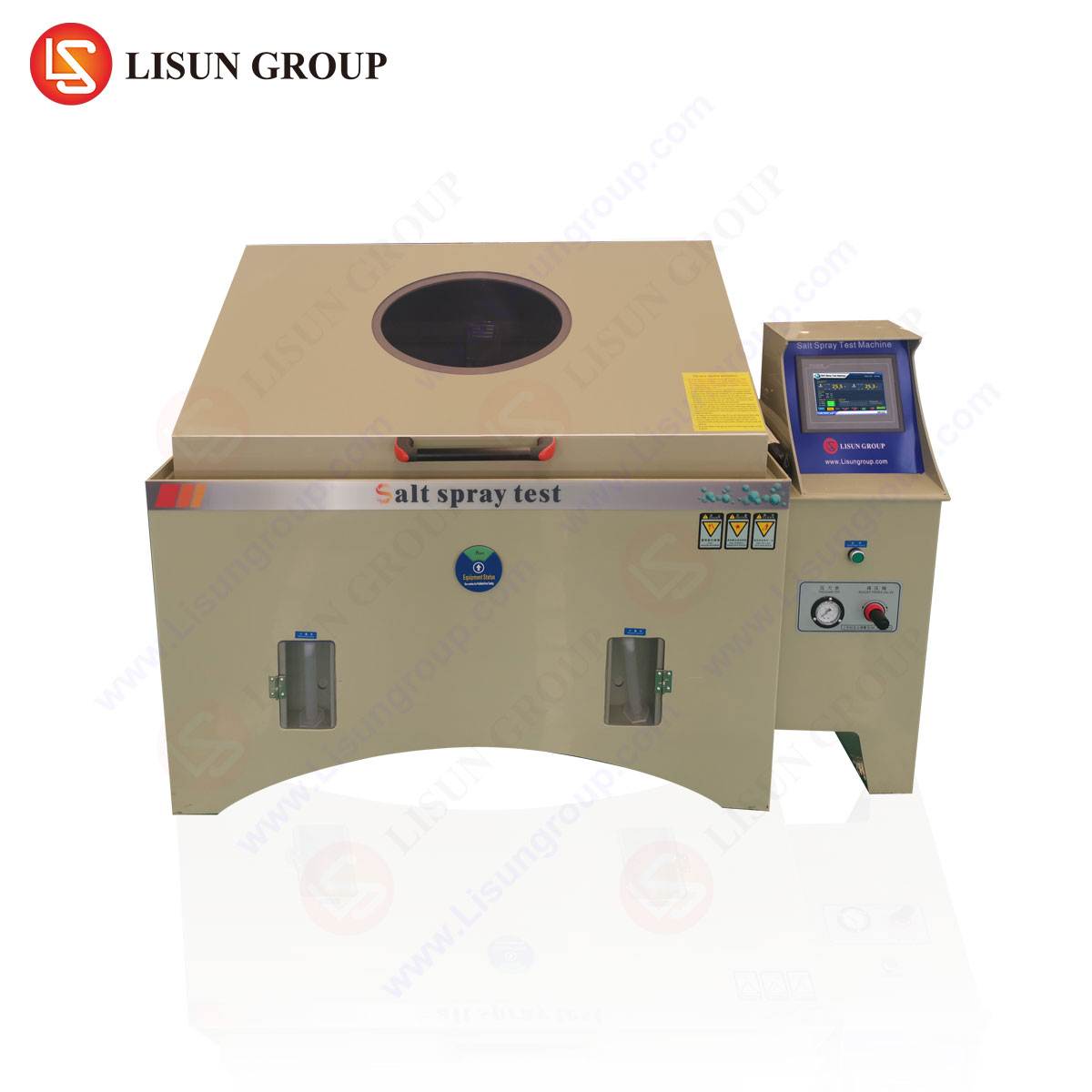
- ASTM B117 (Salt Fog): To evaluate corrosion resistance of materials and seals.
Furthermore, the IP test is generally conducted on new, clean samples. The long-term resilience of seals after exposure to dust, abrasion, and temperature extremes is not captured by the basic test. Accelerated life testing that combines cyclic IP testing with environmental stress is often necessary for mission-critical applications in Aerospace and Aviation Components or Medical Devices.
Frequently Asked Questions (FAQ)
Q1: Can a product rated IP56 also be considered safe against immersion in water?
A1: No. IP56 specifically protects against powerful water jets, not immersion. The ‘6’ rating involves directional, high-pressure spray. For protection against temporary or prolonged immersion, ratings IPX7 or IPX8 must be separately tested and certified. An IP56 rating does not imply any level of immersion protection.
Q2: How often should our production line samples be tested for IP56 compliance?
A2: IEC 60529 itself does not prescribe a production testing frequency. This is determined by the manufacturer’s quality plan. Typically, comprehensive type testing is performed on pre-production prototypes after any design change. For mass production, a periodic audit schedule (e.g., quarterly or per lot) is common, often using a chamber like the LISUN JL-56 for consistent results. Critical components may require 100% testing if the application is safety-related.
Q3: What is the required maintenance for a waterproof test chamber like the JL-56 to ensure calibration integrity?
A3: Regular maintenance includes cleaning filters in the water recirculation system to prevent nozzle clogging, checking and calibrating pressure gauges and flow meters annually against a traceable standard, inspecting seals on the test chamber door, and verifying the pump performance. A log of all maintenance and calibration activities should be kept as part of quality management system records.
Q4: Does the IP56 test mandate the equipment to be operational during the test?
A4: The standard generally requires that the equipment is in its “normal operating state.” For the dust test (Digit 5), a vacuum is applied which often requires the enclosure to be sealed, but the internal components may be energized to detect faults. For the water test (Digit 6), the standard typically states the test is performed with the equipment switched off, unless otherwise specified by the relevant product standard. However, functional checks are performed immediately after the test to assess harmful effects. Specific product family standards may override this general rule.
Q5: Are there differences between IEC 60529 and the US-based NEMA ratings for enclosure protection?
A5: Yes, they are different systems. While both address environmental protection, the IP code is a detailed, test-based international standard focusing on ingress of solids and liquids. NEMA ratings, from the National Electrical Manufacturers Association, are broader, often encompassing factors like corrosion resistance, ice formation, and constructional requirements. There is no direct, one-to-one equivalence, though cross-reference tables are published showing approximate equivalencies (e.g., IP56 is roughly similar to NEMA Type 4X in terms of water and dust ingress, but NEMA 4X includes additional unspecified material and corrosion requirements).