




Advanced Corrosion Test Chambers: Foundational Infrastructure for Modern Quality Assurance
The relentless pursuit of product durability and long-term functional integrity represents a cornerstone of modern manufacturing. In an era where electronic and electromechanical systems permeate every facet of industrial and consumer life, the ability to predict and validate a product’s resistance to environmental degradation is not merely an advantage—it is a fundamental requirement. Among the most pervasive and insidious forms of such degradation is corrosion, accelerated by atmospheric contaminants like chlorides, sulfides, and humidity. Advanced Corrosion Test Chambers, therefore, constitute a critical segment of laboratory infrastructure, enabling manufacturers to simulate years of environmental exposure within a controlled, accelerated timeframe. This technical discourse examines the principles, applications, and specifications of these chambers, with particular focus on their indispensable role in quality assurance protocols across high-stakes industries.
The Electrochemical Imperative: Principles of Accelerated Corrosion Testing
At its core, accelerated corrosion testing operates on the principle of intensifying the environmental factors that drive electrochemical reactions on material surfaces. The primary mechanism for ferrous and many non-ferrous metals is the anodic dissolution of metal, facilitated by an electrolyte—often a sodium chloride solution—and a cathodic reaction, typically oxygen reduction. By maintaining a controlled, saturated environment of salt fog at elevated temperatures, test chambers drastically increase the availability of both electrolyte and corrosive agents, thereby accelerating the corrosion process in a manner that is empirically correlated to real-world performance.
The scientific validity of these tests hinges on strict adherence to standardized parameters. Key governing standards include ASTM B117, ISO 9227, JIS Z 2371, and MIL-STD-810G, Method 509.6. These standards meticulously define solution chemistry (e.g., 5% ± 1% sodium chloride, pH 6.5 to 7.2), chamber temperature stability (typically 35°C ± 2°C for neutral salt spray), collection rate of fog (1.0 to 2.0 ml/80cm²/hour), and saturation tower conditions. Deviations from these parameters introduce uncontrolled variables, rendering test results non-comparable and scientifically invalid. Consequently, the design of the chamber—from the corrosion-resistant construction of the test space to the precision of the fog generation and conditioning systems—is paramount.
Architectural Considerations in Chamber Design and Control Fidelity
The efficacy of a corrosion test is directly contingent upon the chamber’s ability to create and maintain a homogeneous, stable test environment. Advanced chambers are engineered as integrated systems where every component contributes to control fidelity. The test chamber interior must be constructed from materials inherently resistant to the corrosive atmosphere, such as polypropylene, glass-reinforced polyester, or titanium-reinforced polymers, to prevent self-contamination and ensure long-term structural integrity.
The fog generation system is the heart of the apparatus. It must produce a consistent mist of specified droplet size, achieved through precision nozzles and regulated air pressure. Prior to introduction into the test zone, the compressed air must be cleaned, humidified, and warmed in a saturation tower to prevent drying of the droplets and to maintain the required relative humidity within the chamber. Equally critical is the temperature control system, which employs strategically placed sensors and heaters to eliminate thermal gradients. A chamber with poor thermal uniformity will produce variable corrosion rates across the test volume, compromising the statistical significance of the test.
The YWX/Q-010 Salt Spray Test Chamber: A Technical Examination
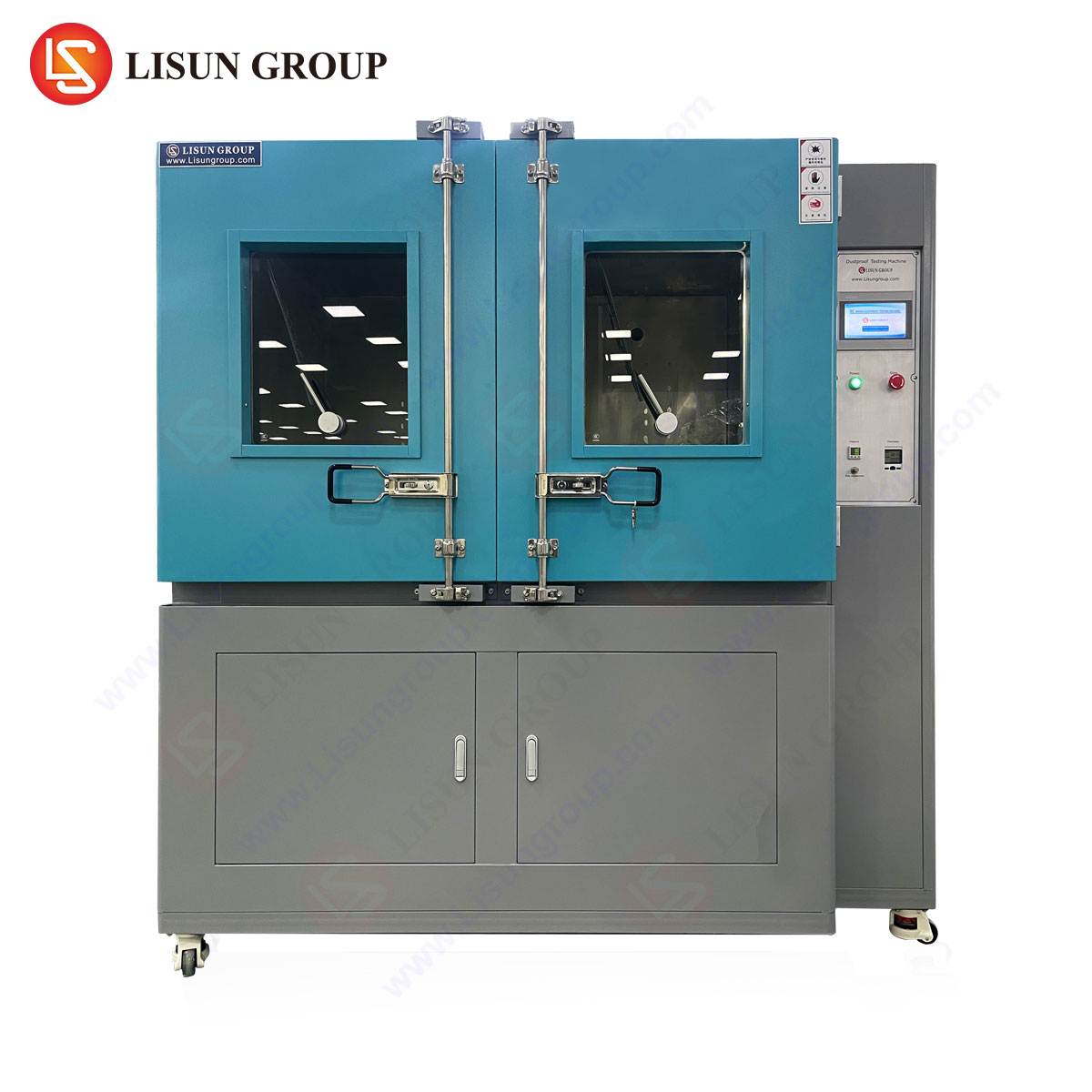
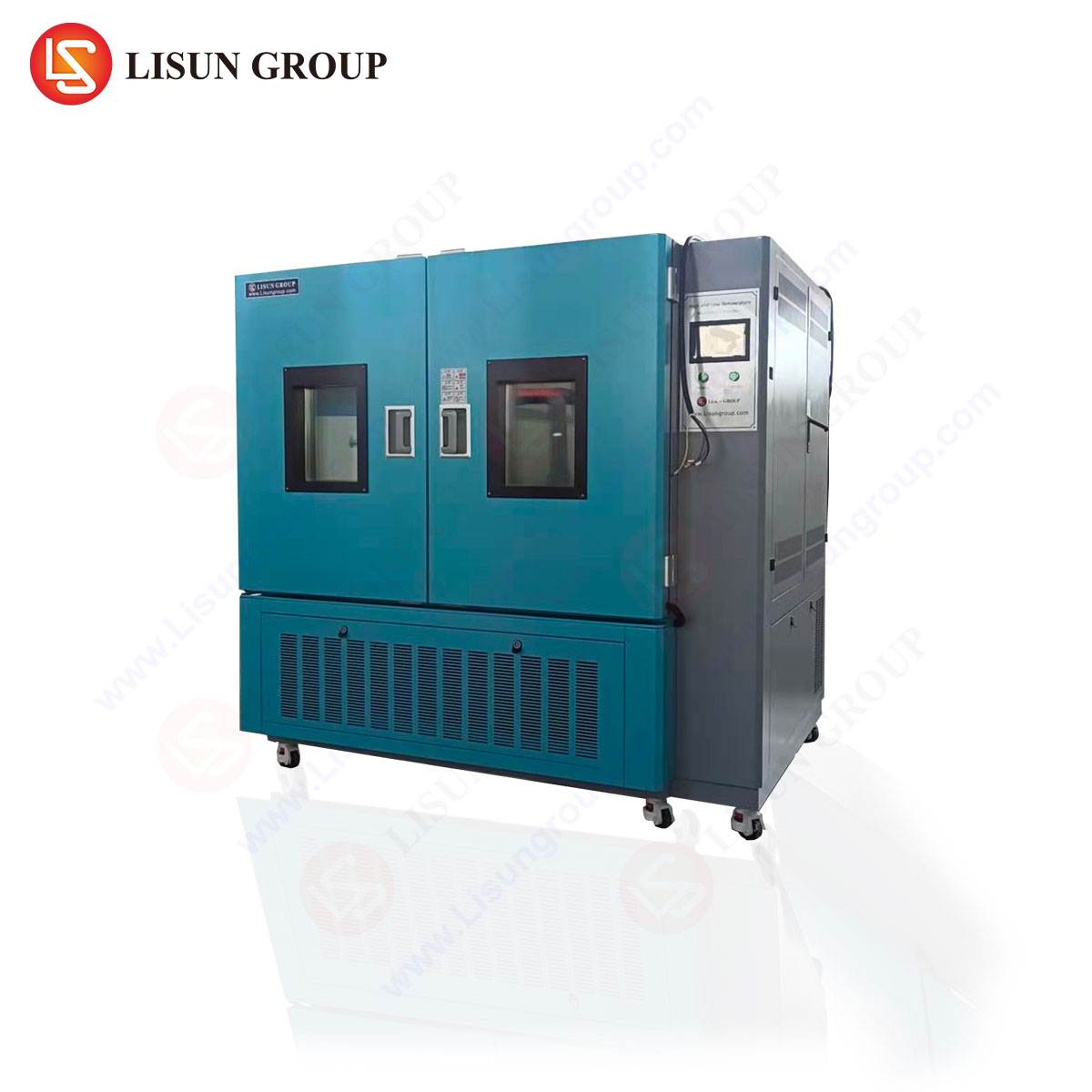
The LISUN YWX/Q-010 Salt Spray Test Chamber exemplifies the integration of these architectural principles into a robust quality assurance instrument. Designed for compliance with ASTM B117 and equivalent standards, it provides a controlled corrosive environment for the accelerated testing of coatings, finishes, and base materials.
Core Specifications and Operational Parameters:
- Test Chamber Volume: 108 liters, providing a usable workspace suitable for a range of component sizes.
- Temperature Range: Ambient to +55°C, with a control tolerance of ±0.5°C once stabilized.
- Temperature Uniformity: ≤ ±2°C across the entire test zone, a critical metric for test consistency.
- Fog Sedimentation Rate: Adjustable between 1.0 and 2.0 ml/80cm²/hour, verified via continuous collection.
- Chamber Construction: The interior is fabricated from imported, molded polypropylene sheet, offering exceptional resistance to thermal expansion and corrosion. The exterior housing is powder-coated cold-rolled steel.
- Control System: A microprocessor-based PID controller manages temperature with high precision. The system incorporates over-temperature protection, low solution level alerts, and automated test cycle logging.
Testing Principle Implementation: The YWX/Q-010 utilizes a pneumatic atomization system. The compressed air is filtered, humidified, and heated in an integrated saturation tower maintained at a temperature exceeding that of the test chamber. This ensures the introduced fog is fully saturated, preventing evaporative cooling and concentration shifts. The salt solution is stored in a separate, temperature-controlled reservoir and fed to the atomizer via a peristaltic pump, ensuring consistent solution delivery. The chamber’s air circulation is designed to achieve uniform fog distribution without creating direct jets on the test specimens.
Industry-Specific Applications and Validation Protocols
The application of chambers like the YWX/Q-010 spans industries where failure due to corrosion carries significant financial, safety, or operational risk.
- Automotive Electronics & Electrical Components: Connectors, sensor housings, engine control units (ECUs), and switchgear are subjected to salt spray testing to validate resistance to road salt exposure. A typical test might involve a 96-hour exposure per ASTM B117, followed by inspection for white rust on zinc-plated terminals or creep corrosion on printed circuit board assemblies (PCBAs).
- Aerospace and Aviation Components: While often requiring more specialized tests (e.g., exfoliation or stress corrosion cracking), basic salt fog tests are used for non-critical aluminum alloys, fasteners, and cabin electronics to screen for general susceptibility.
- Lighting Fixtures and Telecommunications Equipment: Outdoor LED drivers, streetlight housings, and 5G antenna radomes are tested to ensure seals remain intact and that no corrosive byproducts migrate onto optical or electrical surfaces. Testing often involves cyclic corrosion tests (CCT), which the YWX/Q-010X variant is designed to perform, alternating between salt spray, humidity, and drying cycles.
- Medical Devices and Household Appliances: Devices used in coastal environments or those subjected to frequent sterilization require validation. The corrosion resistance of surgical instrument coatings or the internal chassis of a dishwasher control panel can be assessed to prevent functional failure or cosmetic degradation.
- Cable and Wiring Systems: Insulation materials, cable glands, and connector backshells are evaluated for their ability to resist tracking and insulation breakdown when exposed to conductive salt deposits.
Comparative Advantages in Precision and Operational Integrity
The technical differentiation of a chamber like the YWX/Q-010 lies in the execution of details that directly impact test repeatability and operational longevity.
- Material Integrity: The use of molded, monolithic polypropylene for the inner chamber eliminates seams and joints that are potential failure points in welded or adhered constructions, preventing leaks and extending service life.
- Thermal Management: The combination of a high-efficiency heating element, PID control algorithm, and optimized airflow design results in rapid heat-up times and exceptional spatial uniformity, a key factor in achieving consistent corrosion rates across all specimens.
- System Reliability: The pneumatic atomization system, coupled with a peristaltic pump for solution feed, is less prone to clogging and offers more consistent droplet size distribution compared to some venturi-based systems. The inclusion of automated safety interlocks (e.g., for low solution, over-temperature) ensures unattended operation without risk of damaging the chamber or specimens.
- Data Integrity: While basic in form, the controller provides a clear audit trail of chamber conditions throughout the test duration, which is essential for quality documentation and for investigating any anomalous test results.
Integrating Corrosion Testing into a Holistic QA Strategy
It is imperative to recognize that neutral salt spray (NSS) testing, as performed by the YWX/Q-010, is a comparative, qualitative tool rather than a precise predictor of service life. Its greatest value is in material selection, process control (e.g., validating a plating bath or paint cure), and detecting manufacturing flaws like micro-cracks, poor adhesion, or insufficient coating thickness. For more predictive testing, cyclic methods that incorporate wet/dry and humidity phases (enabled by the YWX/Q-010X) better simulate natural atmospheric cycles and are increasingly referenced in industry specifications.
Therefore, advanced corrosion test chambers should be deployed as part of a sequential validation pyramid. Initial screening with standardized tests like ASTM B117 provides rapid feedback. Subsequent, more tailored cyclic tests or field exposures are then used for final qualification. The data generated forms a critical feedback loop for design engineering, supply chain qualification, and manufacturing process control, ultimately reducing warranty claims and reinforcing brand reputation for reliability.
Frequently Asked Questions (FAQ)
Q1: What is the critical difference between the standard YWX/Q-010 and the YWX/Q-010X model?
The YWX/Q-010 is designed for continuous neutral salt spray (NSS) and acetic acid salt spray (AASS) tests per standards like ASTM B117. The YWX/Q-010X variant includes enhanced programming capabilities to perform Cyclic Corrosion Tests (CCT), which automatically cycle between salt spray, high humidity, and dry-off phases. This simulates natural environmental cycles more accurately and is required by many contemporary automotive and military specifications.
Q2: How do we verify that the chamber is producing fog at the correct sedimentation rate, and how often should this be calibrated?
The sedimentation rate is verified by placing at least two clean collection funnels (with an area of 80 cm²) inside the test zone, typically at different locations. These funnels channel condensed fog into graduated cylinders over a minimum 16-hour period. The collected volume per hour is then calculated. This check should be performed prior to each critical test series. A full calibration of the chamber’s temperature sensors and timer should be conducted annually by accredited personnel, traceable to national standards.
Q3: Can we test assembled electronic units, such as a complete circuit board, inside a salt spray chamber?
Yes, but with important caveats. The test is destructive. The chamber assesses the unit’s resistance to a corrosive environment. You must define clear failure criteria beforehand, such as electrical short circuits, increased leakage current, or functional failure after exposure. The test is not typically used for “burn-in” of live electronics; units are usually powered off during exposure and evaluated functionally afterwards. Conformal coating integrity is a common assessment goal.
Q4: Our product is made of stainless steel. Is salt spray testing still relevant?
Absolutely. While stainless steels offer high resistance, they are not immune to corrosion, particularly in the presence of chlorides. Salt spray testing is used to evaluate the passivation quality of stainless steel components, to detect susceptibility to pitting or crevice corrosion, and to validate the performance of different grades (e.g., 304 vs. 316) for a given application. The time to first visible corrosion is the key metric.
Q5: What are the most common causes of inconsistent results between tests or between different chambers?
Inconsistency most often stems from deviations in critical parameters: fluctuations in chamber temperature uniformity, an incorrect or unstable salt solution concentration/pH, an improper fog sedimentation rate, or contamination of the test chamber interior or air supply. Specimen preparation and placement are also critical; samples must be clean, oriented at the specified angle (usually 15-30° from vertical), and not shielded by other specimens. Adherence to a strict, documented SOP for setup, operation, and chamber maintenance is essential for reproducibility.