




Advanced Dust Proof Test Equipment: Principles, Standards, and Technological Implementation
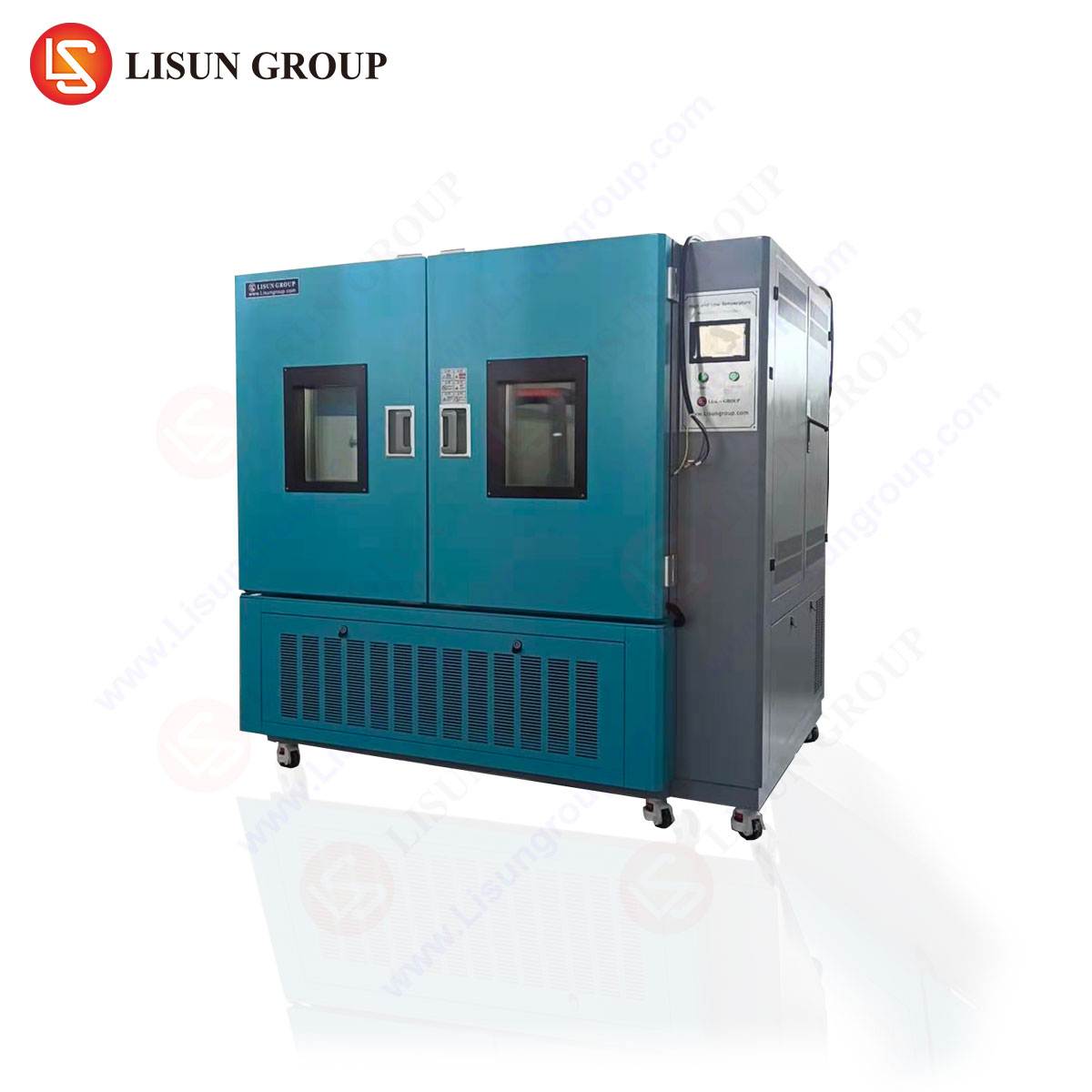
The relentless drive for miniaturization, increased functionality, and deployment in harsh environments has placed unprecedented demands on the ingress protection (IP) ratings of modern devices. Among the various environmental threats, particulate ingress—specifically dust and sand—poses a particularly insidious risk to electrical and electronic systems. The penetration of fine particulates can lead to catastrophic failures, including short circuits, mechanical binding, optical obscuration, and accelerated wear. Consequently, the validation of a product’s dust-proof integrity is not merely a compliance exercise but a critical component of reliability engineering and risk mitigation. This necessitates the use of sophisticated, standardized test equipment capable of simulating extreme particulate environments with high repeatability and accuracy. This article examines the technical principles, standards compliance, and application of advanced dust proof test equipment, with a detailed focus on the implementation exemplified by the LISUN SC-015 Dust Sand Test Chamber.
The Imperative of Particulate Ingress Protection in Modern Engineering
The failure modes induced by dust and sand are diverse and industry-agnostic. In Automotive Electronics, sand ingress into sensor modules (e.g., LiDAR, parking sensors) or control units can degrade signal integrity or cause overheating. For Aerospace and Aviation Components, airborne dust at altitude or during ground operations in arid regions can compromise avionics cooling and connector reliability. Medical Devices, particularly portable or field-deployable units, must maintain sterility and functionality in dusty clinical or emergency environments. Telecommunications Equipment housed in outdoor cabinets is perpetually vulnerable to fine silica dust, which can infiltrate seals and coat circuit boards, leading to corrosion and thermal management issues.
The economic and safety ramifications of particulate-induced failures underscore the necessity for rigorous pre-market testing. International standards, primarily the IEC 60529 (Degrees of Protection Provided by Enclosures – IP Code) and its derivative standards (e.g., ISO 20653 for road vehicles, MIL-STD-810 for military applications), define the test methodologies for IP5X (dust protected) and IP6X (dust tight) ratings. These standards mandate specific dust concentrations, particle size distributions, airflow dynamics, and test durations. Advanced test equipment must, therefore, transcend simple dust exposure, incorporating precise environmental control and monitoring to deliver scientifically defensible results.
Fundamental Operational Principles of a Dust Test Chamber
At its core, a dust test chamber creates a controlled, turbulent cloud of standardized test dust within a sealed enclosure. The key subsystems and principles involve:
- Particulate Generation and Fluidization: The test dust, typically talcum powder for IP5X/IP6X or Arizona Road Dust for more severe applications, is stored in a reservoir. A controlled flow of dry, compressed air is introduced at the base of this reservoir through a porous diffuser, causing the powder to fluidize—behaving like a fluid. This process ensures a consistent and homogeneous dust mixture is available for entrainment.
- Aerosolization and Injection: The fluidized dust is then drawn into a primary airflow stream via a venturi effect or direct injection. This high-velocity stream aerosolizes the dust, creating a dense, turbulent cloud that is uniformly distributed throughout the test chamber’s volume. The chamber design incorporates baffles and airflow guides to minimize dead zones and ensure the test specimen is enveloped from all directions.
- Environmental Conditioning: To simulate real-world conditions and stress seals, many tests require a negative pressure differential inside the test specimen. The chamber achieves this by extracting air from the chamber volume at a controlled rate, typically via a vacuum pump connected to the specimen’s interior. The standard test condition for IP6X, for instance, is to maintain a pressure differential of up to 2 kPa (20 mbar) below atmospheric pressure inside the specimen. Temperature and humidity conditioning may also be integrated to evaluate seal performance under thermal cycling.
- Filtration and Recovery: To ensure operational safety and environmental containment, the chamber air is continuously circulated through high-efficiency particulate air (HEPA) filters before being exhausted or recirculated. Advanced systems often include automatic dust recovery mechanisms to recycle test dust, improving consistency and reducing material waste.
Technical Analysis of the LISUN SC-015 Dust Sand Test Chamber
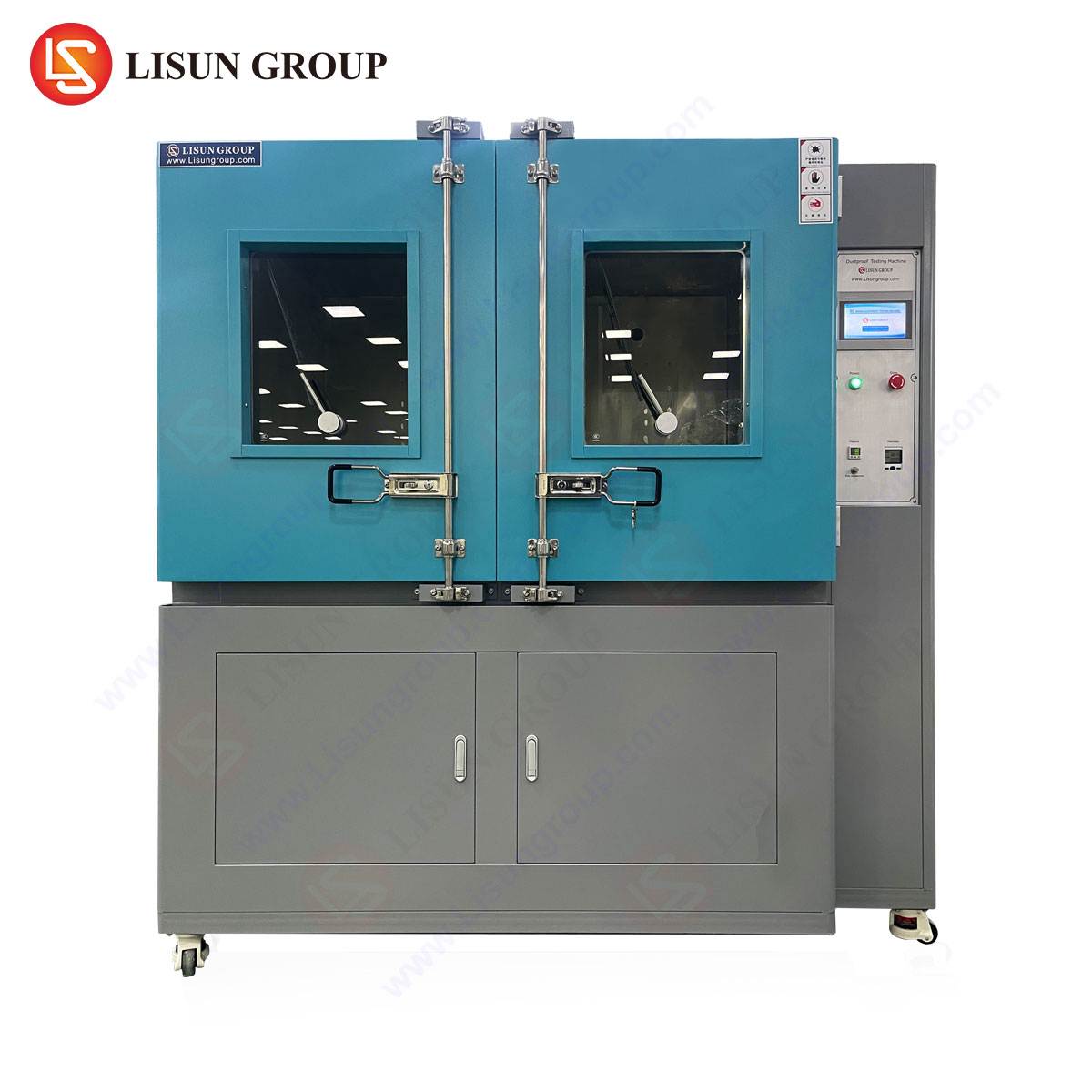
The LISUN SC-015 embodies the integration of these principles into a robust, standards-compliant instrument. Its design specifications and operational features address the nuanced requirements of contemporary IP testing across multiple industries.
Key Specifications and Design Features:
- Chamber Volume and Construction: Fabricated from 304-grade stainless steel, the chamber offers a defined internal volume suitable for a range of specimen sizes. The interior is smooth and devoid of crevices to facilitate cleaning and prevent cross-contamination. A large, sealed observation window with internal wipers allows for real-time monitoring of the test.
- Dust Reservoir and Fluidization System: The system utilizes a dedicated fluidized bed dust reservoir. The airflow through the bed is precisely regulated to maintain optimal fluidization without causing excessive agglomeration or uneven dust density.
- Vortex Airflow and Injection Mechanism: A high-volume blower generates the primary airflow. The dust is injected into this stream via an ejector system, creating a vigorous vortex within the chamber. This design is critical for meeting the standard’s requirement of a homogenous dust cloud.
- Precision Vacuum System: An integrated vacuum pump, coupled with a digital flowmeter and pressure gauge, allows for the precise setting and maintenance of the required pressure differential inside the test specimen. The system can maintain stable under-pressure conditions as stipulated in IEC 60529.
- Control and Automation: A programmable logic controller (PLC) with a touch-screen human-machine interface (HMI) provides centralized command. Users can pre-set test parameters including test duration (1-999 hours), vacuum flow rate (0-10 L/min), pressure differential, and blower operation cycles. Automated sequences ensure repeatability.
Testing Principles in Practice:
For an IP6X test on a lighting fixture destined for outdoor industrial use, the procedure using the SC-015 would be as follows: The fixture is mounted in the chamber, and its internal cavity is connected to the vacuum port. The chamber is sealed, and the test cycle is initiated. The blower and dust injection system activate, filling the chamber with a dense cloud of talcum powder (particle size predominantly < 75µm). Simultaneously, the vacuum system draws air from inside the fixture, creating an internal under-pressure. After the stipulated 8-hour duration (per IEC 60529), the system shuts down. The specimen is then carefully removed and inspected. The pass/fail criterion is based on the quantity of dust ingress, assessed by visual inspection or by weighing the collected dust inside the specimen. For electrical components like sealed connectors or industrial control systems panels, the test validates the integrity of gaskets, cable glands, and welded seams.
Industry-Specific Applications and Validation Protocols
The utility of the SC-015 extends across the product lifecycle, from R&D design validation to production quality assurance.
- Electrical and Electronic Equipment & Consumer Electronics: Validating the seals of outdoor smart home devices, waterproof speakers, or ruggedized tablets. Engineers can test varying pressure differentials to simulate conditions like rapid temperature drops that create internal vacuum.
- Household Appliances: Testing robotic vacuum cleaners, which must be internally sealed against the very dust they are designed to collect, or outdoor kitchen appliances.
- Automotive Electronics: Beyond sensors, this includes testing battery management systems (BMS) for electric vehicles, which require stringent IP6X ratings to prevent conductive dust from causing thermal runaway events.
- Cable and Wiring Systems: Evaluating the dust ingress protection of cable transit systems and junction boxes used in mining or construction equipment.
- Office Equipment: Ensuring that printers, projectors, or network hardware can operate reliably in dusty industrial or educational settings.
- Medical Devices: Testing the enclosures of portable diagnostic equipment or surgical tools that may be used in field hospitals or require frequent sterilization, processes which can degrade seals over time.
Standards Compliance and Testing Rigor:
The SC-015 is engineered to meet the exacting requirements of IEC 60529, ISO 20653, GB/T 4208, and other equivalent national standards. This compliance is not merely declarative; it is built into the chamber’s calibration. For example, the dust density within the chamber is verified to be maintainable within the range of 2 kg/m³ ± 20%, a critical parameter for test validity. The use of standardized test dust (like specified in ISO 12103-1, A4 Fine Test Dust) further ensures that test results are reproducible and comparable across different laboratories and product generations.
Comparative Advantages in Engineering and Manufacturing Contexts
The value proposition of an instrument like the LISUN SC-015 lies in its synthesis of precision, reliability, and operational efficiency—factors that directly impact time-to-market and product quality.
- Enhanced Repeatability and Data Fidelity: The automated control of all critical parameters—dust concentration, pressure differential, test time—eliminates operator-induced variables. This generates highly repeatable data, giving design engineers greater confidence in their sealing strategies and providing quality managers with unambiguous pass/fail metrics.
- Accelerated Test Cycles and Improved Efficiency: Programmable test profiles allow for unattended operation, including complex sequences with multiple cycles. Integrated dust recovery and filtration systems reduce downtime between tests and lower consumable costs. This throughput is essential for production batch testing in industries like electrical components manufacturing.
- Comprehensive Simulation Fidelity: The ability to precisely control under-pressure conditions allows the chamber to simulate a more comprehensive range of real-world scenarios than simple dust exposure chambers. This is paramount for testing devices that experience internal pressure cycling, such as aerospace components during flight or sealed telecommunications equipment during diurnal temperature swings.
- Durability and Reduced Operational Overhead: The stainless-steel construction and segregated fluidization system reduce maintenance requirements and chamber corrosion. Robust component selection ensures sustained performance under continuous use in a quality lab environment.
Integrating Dust Proof Testing into a Broader Reliability Strategy
While dust proof testing is a discrete activity, its integration into a broader product validation framework magnifies its value. It should be conducted in conjunction with other environmental stress tests. For instance, a lighting fixture might undergo sequential testing: thermal cycling to stress seals, followed by dust ingress testing, and then vibration testing to see if settled dust is mobilized to cause abrasion. This systems-engineering approach to reliability, enabled by precise and predictable test equipment, is fundamental to achieving robust product designs that meet the longevity expectations of today’s markets.
The selection of advanced dust proof test equipment, therefore, is a strategic decision. It moves compliance testing from a cost center to a value-generating activity that mitigates warranty claims, enhances brand reputation for durability, and ultimately, prevents field failures in some of the world’s most challenging operating environments.
Frequently Asked Questions (FAQ)
Q1: What is the difference between IP5X and IP6X testing, and can the SC-015 perform both?
A1: IP5X (“Dust Protected”) testing permits a limited amount of dust ingress, provided it does not interfere with safe operation. IP6X (“Dust Tight”) requires no dust ingress. The test method for IP6X is more severe, typically requiring a sustained under-pressure inside the specimen. The LISUN SC-015 is designed to perform both tests. For IP5X, the vacuum system may not be engaged, relying on natural sedimentation and airflow. For IP6X, the vacuum system is used to create the specified pressure differential, providing a more rigorous challenge to the enclosure’s seals.
Q2: What type of test dust should be used, and how does it impact the test results?
A2: IEC 60529 specifies the use of talcum powder, with a prescribed particle size distribution (mostly under 75µm). For automotive or military standards (e.g., ISO 20653, MIL-STD-810), Arizona Road Dust (ISO 12103-1 A4 Fine) is often required. Using the incorrect dust can invalidate the test. The SC-015 is compatible with these standard dusts. The choice of dust directly impacts the abrasiveness and particle penetration characteristics, making adherence to the relevant material specification critical for accurate simulation.
Q3: How is the “pass” or “fail” criterion determined after a dust test?
A3: The criterion varies by IP rating and product standard. For IP6X, a visual inspection with adequate lighting is the primary method; no dust should be visible inside the enclosure. A more quantitative method involves weighing the specimen or an internal collection tray before and after the test to determine the mass of ingress. The allowable limit, if any, is defined in the product’s specific performance standard. The test report from using the SC-015 provides the environmental conditions, which are then used alongside the physical inspection to make the pass/fail determination.
Q4: Can the chamber test for the effects of sand and dust abrasion, not just ingress?
A4: The primary function of the SC-015, as per IEC 60529, is to test for ingress protection. While the circulating dust will cause some abrasive action, standardized testing for sand and dust abrasion resistance (often called “blowing sand” tests) typically requires a different apparatus with higher velocity, directional airflow, and coarser sand. Such tests are covered under other standards like MIL-STD-810G Method 510.7. The SC-015 focuses on the infiltration challenge of fine, airborne dust.