

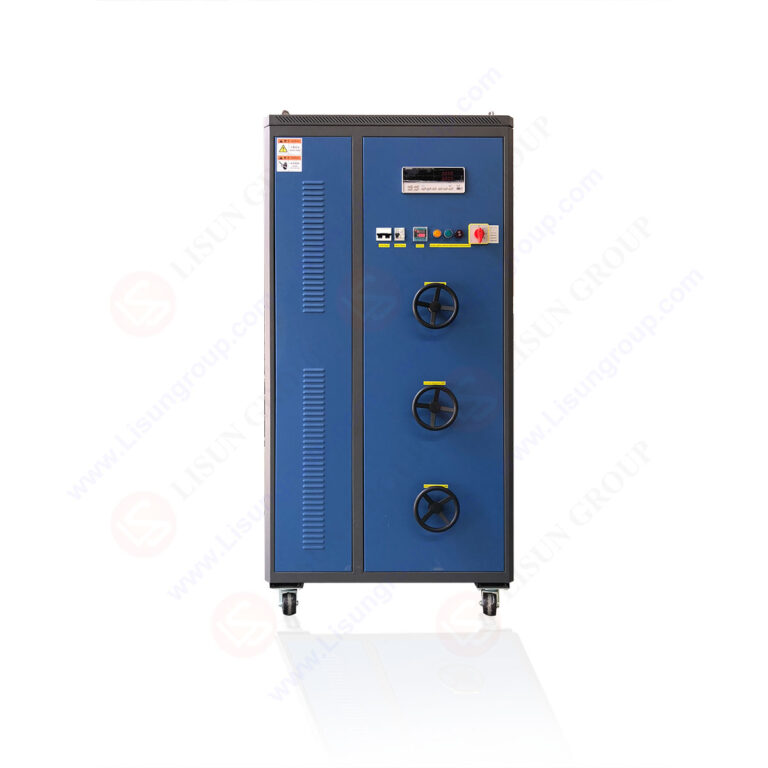



Advanced Dust Test Chambers: Engineering for Environmental Resilience
Introduction to Particulate Ingress Protection Testing
The operational longevity and functional integrity of electromechanical systems are intrinsically linked to their ability to withstand environmental stressors. Among these, the ingress of particulate matter—dust, sand, and other fine solids—represents a pervasive and insidious threat. Particulate contamination can lead to abrasive wear, electrical short circuits, thermal insulation, connector fouling, and mechanical seizure. Consequently, validating a product’s resilience to dust ingress is not merely a quality assurance step but a fundamental engineering requirement across sectors where reliability is non-negotiable. Advanced dust test chambers are the specialized apparatuses designed to simulate these harsh particulate environments in a controlled, repeatable, and standards-compliant manner. These instruments enable manufacturers to evaluate and certify the ingress protection (IP) rating of enclosures, most notably the IP5X and IP6X classifications as defined by international standards such as IEC 60529.
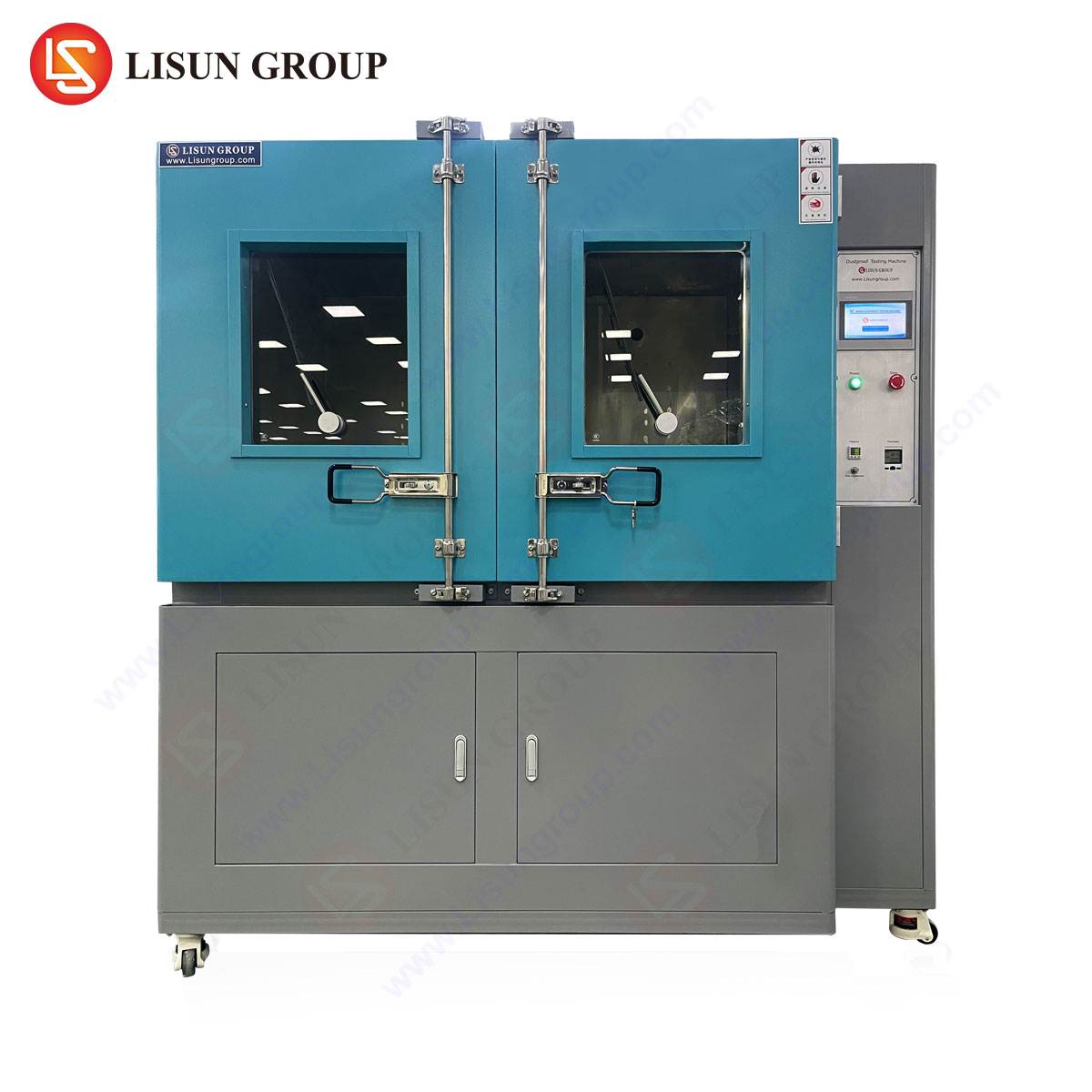
The evolution from rudimentary dust exposure methods to sophisticated, digitally controlled test chambers reflects the increasing complexity of modern devices and the stringent demands of global markets. Today’s advanced chambers integrate precise aerodynamic control, real-time monitoring, and standardized particulate media to generate scientifically defensible data. This article delineates the engineering principles, technological implementations, and critical applications of advanced dust test chambers, with a detailed examination of a representative state-of-the-art system: the LISUN SC-015 Dust Sand Test Chamber.
Aerodynamic and Particulate Dynamics in Test Chamber Design
The core objective of a dust test chamber is to create a homogeneous, turbulent cloud of standardized test dust within a specified test volume. Achieving this requires meticulous engineering of the chamber’s aerodynamic profile and particulate delivery system. The design must overcome the natural tendencies of fine particles to agglomerate or settle due to electrostatic forces and gravity.
Advanced systems utilize a closed-loop circulation design. A high-volume centrifugal blower draws the dust-air mixture from the test chamber, passes it through a flow-straightening element to reduce laminar flow, and reinjects it at high velocity. This creates a vertical vortex or a lateral turbulent flow within the working volume, ensuring all surfaces of the test specimen are exposed to the dust cloud. The velocity and uniformity of the dust cloud are critical parameters. For IP5X testing (dust protected), a lower internal vacuum may be used to draw dust into the enclosure. For IP6X (dust tight), the chamber must maintain a significant negative pressure differential between the chamber interior and the specimen’s interior, typically achieved via a vacuum pump drawing air through the specimen, thereby forcing dust-laden air against all potential ingress paths.
The test dust itself is specified to exacting standards. Typically, talcum powder or Arizona Test Dust (as specified in ISO 12103-1, A4 Fine Test Dust) is used. This dust has a prescribed particle size distribution, with 95% of particles by weight being less than 75 microns, 50% less than 25 microns, and a significant fraction below 10 microns. This distribution simulates the most penetrating particle sizes, challenging gaskets, seals, and microscopic gaps.
The LISUN SC-015 Dust Sand Test Chamber: A Technical Exposition
The LISUN SC-015 embodies the principles of advanced particulate testing, providing a fully integrated solution for IP5X and IP6X compliance verification. Its design prioritizes repeatability, user safety, and adherence to international standards including IEC 60529, GB/T 4208, and ISO 20653.
Core Specifications and Operational Parameters:
- Test Volume: 0.5 cubic meters, constructed of 304 stainless steel for corrosion resistance and ease of decontamination.
- Dust Circulation System: Features a high-torque blower with variable frequency drive (VFD) control, enabling precise adjustment of wind speed from 0 to 3 m/s within the test zone. The system includes a dedicated dust injection mechanism with a screw-feed or vibratory sieve to ensure consistent dust concentration.
- Vacuum System: Integral rotary vane vacuum pump capable of generating and maintaining a pressure differential up to 2 kPa (20 mbar). The system includes a calibrated flow meter (typically 60-80 times the specimen’s internal volume per hour) and a pressure relief valve to protect the specimen from over-stress.
- Control and Monitoring: Programmable Logic Controller (PLC) with a human-machine interface (HMI) touchscreen. The system allows for pre-programming of test cycles, including test duration (commonly 2, 4, 8, or 24 hours), vacuum cycling, and dust circulation intervals. It monitors and logs key parameters in real-time: internal chamber temperature, humidity, pressure differential, and test elapsed time.
- Safety and Containment: Equipped with a large, sealed observation window with internal wipers, safety interlocks on the main door, and a high-efficiency particulate air (HEPA) filter on the exhaust to prevent laboratory contamination during chamber purge cycles.
Testing Principle and Procedure:
The testing regimen with the SC-015 follows a rigorous sequence. The specimen, powered down or functionally monitored, is placed in the chamber. For IP6X testing, its internal air is connected to the vacuum system. The chamber is sealed, and the programmed cycle initiates. The blower and dust feeder activate, creating the specified dust cloud density (e.g., 2 kg/m³ to 5 kg/m³ is common). The vacuum system draws air through the specimen, simulating the pressure differentials experienced in service, such as those caused by thermal cycling or altitude changes. After the prescribed exposure period, the specimen is carefully removed and inspected. The pass/fail criterion for IP6X is typically a quantitative assessment: after testing, the specimen must show no deposition of dust visible to the naked eye (with normal lighting) on internal surfaces, and it must remain fully functional.
Industry-Specific Applications and Validation Imperatives
The application of dust testing spans industries where device failure carries significant cost, safety, or operational consequences.
- Automotive Electronics & Aerospace Components: Under-hood control units, lighting assemblies, sensors, and avionics cooling systems are subjected to road dust, desert sand, and runway debris. Testing validates that connectors and casing seals withstand vibration combined with particulate ingress, preventing false signals or thermal runaway.
- Electrical Components & Industrial Control Systems: Switches, circuit breakers, PLC enclosures, and motor drives in mining, agricultural, or manufacturing settings are exposed to conductive carbon dust or insulating mineral dust. Ingress can lead to tracking, insulation failure, or contact corrosion. The SC-015’s ability to maintain a consistent dust cloud validates gasket and labyrinth seal designs.
- Telecommunications Equipment & Consumer Electronics: Outdoor 5G radio units, fiber optic terminal enclosures, and ruggedized handheld devices require protection from wind-blown silt and sand. Testing ensures display readability, button functionality, and thermal management systems are not compromised.
- Medical Devices & Lighting Fixtures: Surgical tools with internal motors, diagnostic imaging equipment cooling vents, and outdoor or industrial LED luminaires must prevent dust accumulation that could lead to sterilization challenges, overheating, or light output degradation.
- Cable and Wiring Systems: Connectors and cable glands are critical failure points. Dust testing certifies that IP-rated connectors maintain their seal integrity, preventing moisture tracking and corrosion initiation at the particulate layer.
Quantitative Metrics and Standards Compliance in Testing
The credibility of test data hinges on traceable compliance with published standards. The following table outlines key standards referenced in dust ingress testing:
| Standard Code | Title | Relevance to Dust Testing |
|---|---|---|
| IEC 60529 | Degrees of Protection Provided by Enclosures (IP Code) | Defines IP5X & IP6X test methods, dust types, test durations, and acceptance criteria. The foundational international standard. |
| ISO 20653 | Road vehicles — Degrees of protection (IP code) | Adapts IEC 60529 for automotive applications, with additional severity grades for dust and water. |
| GB/T 4208 | 外壳防护等级(IP代码) | Chinese national standard, technically aligned with IEC 60529, critical for market access in China. |
| ISO 12103-1 | Road vehicles — Test dust for filter evaluation | Specifies the exact composition and particle size distribution of Arizona Test Dust (A4 Fine), ensuring test media consistency. |
Advanced chambers like the LISUN SC-015 are designed to meet the precise environmental conditions stipulated in these documents. For instance, clause 13.4 of IEC 60529 specifies the need for a suction of 40 Pa below atmospheric pressure for IP6X testing, a parameter directly controllable and displayed on the SC-015’s HMI. Data logging functions provide an immutable record of these conditions throughout the test, forming the backbone of a compliant test report.
Comparative Advantages of Integrated Testing Systems
When evaluating dust test solutions, integrated systems offer distinct advantages over modular or improvised setups. The LISUN SC-015 exemplifies these benefits through its engineered coherence.
1. Reproducibility and Reduced Uncertainty: The closed-loop, PLC-controlled environment minimizes human intervention variability. Precisely controlled blower speed and dust feed rate guarantee the same dust cloud density for every test, a factor impossible to assure with simple agitation methods.
2. Operational Safety and Containment: The fully enclosed stainless steel chamber with HEPA filtration protects laboratory personnel from inhaling fine particulate matter, a significant occupational health consideration when using fine talc or silica-based test dusts.
3. Enhanced Test Efficiency: Automated cycles allow for unattended operation, including sequential vacuum and dust circulation phases. This maximizes laboratory throughput and frees technical staff for other tasks.
4. Comprehensive Data Integrity: Integrated sensors and logging create a time-synchronized record of all test parameters. This data is crucial for forensic analysis in the event of a test failure, allowing engineers to correlate ingress events with specific pressure or flow conditions.
5. Future-Proofing and Adaptability: The programmable nature of such chambers allows for the creation of bespoke test profiles that may exceed standard requirements, simulating, for example, specific desert storm conditions or combined dust and temperature cycling, providing a competitive edge in product development.
Conclusion
The deployment of advanced dust test chambers represents a critical investment in product reliability and market compliance. As electronic systems proliferate in increasingly harsh and remote environments, the ability to empirically validate enclosure integrity against particulate ingress becomes a cornerstone of design validation. Systems like the LISUN SC-015 Dust Sand Test Chamber translate the abstract requirements of international standards into a controlled, measurable, and repeatable laboratory process. By providing engineers with definitive data on seal performance, gap tolerances, and filtration efficacy, these instruments not only prevent field failures but also drive innovation in material science and enclosure design, ultimately contributing to the enhanced durability and safety of technological products across the global industrial landscape.
Frequently Asked Questions (FAQ)
Q1: What is the critical difference between IP5X and IP6X testing procedures in a chamber like the SC-015?
The fundamental difference lies in the application of a vacuum. IP5X (Dust Protected) testing typically involves exposing the specimen to a dust cloud without creating a significant pressure differential across its enclosure. The test assesses the ability to prevent sufficient dust ingress to interfere with operation. IP6X (Dust Tight) is more severe: a vacuum is applied to the interior of the specimen (typically maintaining a 2 kPa underpressure) during dust exposure. This actively draws dust-laden air into any potential leak paths. The pass/fail criterion for IP6X is also stricter, requiring no visible dust accumulation inside.
Q2: How is the required dust concentration (e.g., 2 kg/m³) inside the chamber verified and maintained?
The concentration is maintained indirectly but reliably through controlled engineering parameters. The chamber volume is known. The dust feed system (e.g., a calibrated vibratory sieve) is designed to introduce a specific mass of dust per unit time. The high-volume recirculation blower ensures this dust is uniformly distributed. The system is validated during commissioning using gravimetric or optical particle counting methods at various points in the test volume to confirm uniformity. Once validated, controlling the feed rate and blower speed ensures repeatable concentration.
Q3: Can the SC-015 chamber be used for testing specimens that generate heat during operation?
Yes, but this requires consideration. Many specimens, such as power supplies or lighting ballasts, are tested under operational load. The chamber’s standard design focuses on particulate control, not temperature regulation. The heat generated by the specimen will raise the internal chamber temperature and may affect air density and flow dynamics. For precise standardized testing, it is recommended to either pre-test the specimen to stabilize its temperature before dust exposure or to integrate the dust chamber with a separate temperature conditioning unit. The test report should document the specimen’s operational state during testing.
Q4: What is the typical procedure for cleaning the chamber after a test to prevent cross-contamination?
A rigorous decontamination protocol is essential. After testing, the chamber’s internal HEPA filtration system should be engaged during a purge cycle to remove airborne dust. Subsequently, all accessible internal surfaces (walls, floor, blower housing) must be wiped down with damp cloths. The used test dust is considered contaminated and should be disposed of properly. For critical testing where even residual particles could influence results, a verification test with a known-clean dummy specimen may be run to confirm the chamber is free of significant particulate carryover.