




Abstract
In the competitive landscape of modern manufacturing, ensuring product reliability and regulatory compliance is not optional—it is a fundamental requirement for market access and brand reputation. Environmental testing serves as the critical bridge between design intent and real-world performance, simulating years of service life and harsh conditions within a controlled laboratory setting. This article, from the perspective of a Senior Environmental Testing Engineer at LISUN, explores the applications of environmental testing for product reliability & compliance across key industries. We will detail how a systematic approach, leveraging specialized equipment like climatic chambers, thermal shock testers, and IP rating systems, validates product durability, uncovers latent defects, and ensures adherence to international standards such as IEC 60068 and ISO 16750, ultimately safeguarding product integrity and accelerating time-to-market.
Environmental testing is an indispensable engineering discipline that proactively subjects products to accelerated stress conditions mimicking their operational and storage environments. Its primary objective is to precipitate and identify failure modes before a product reaches the end-user, thereby enhancing design robustness, predicting service life, and verifying compliance with stringent international regulations.
1.1 From Design Validation to Mass Production
The applications of environmental testing for product reliability & compliance begin at the prototype stage. Here, tests like temperature cycling and vibration screening identify material incompatibilities, solder joint weaknesses, and mechanical resonance issues. As the product moves to mass production, environmental testing shifts to quality assurance, performing batch sampling tests to ensure manufacturing process consistency and catching component-level deviations that could lead to field failures.
1.2 Correlating Lab Tests to Real-World Performance
A core engineering challenge is establishing a valid acceleration model. Tests are not arbitrary; they are based on standardized profiles that correlate laboratory time to field exposure. For instance, 1000 hours in a xenon arc weathering chamber may simulate several years of outdoor solar radiation. This correlation allows engineers to make data-driven predictions about product longevity and warranty periods, transforming subjective assessments into quantifiable reliability metrics.
A holistic reliability program requires a suite of specialized equipment, each designed to simulate specific environmental stressors. LISUN’s integrated portfolio provides laboratories with the tools necessary to conduct a complete battery of tests under one roof, ensuring consistency and efficiency.
2.1 Climatic Simulation: Temperature & Humidity Chambers
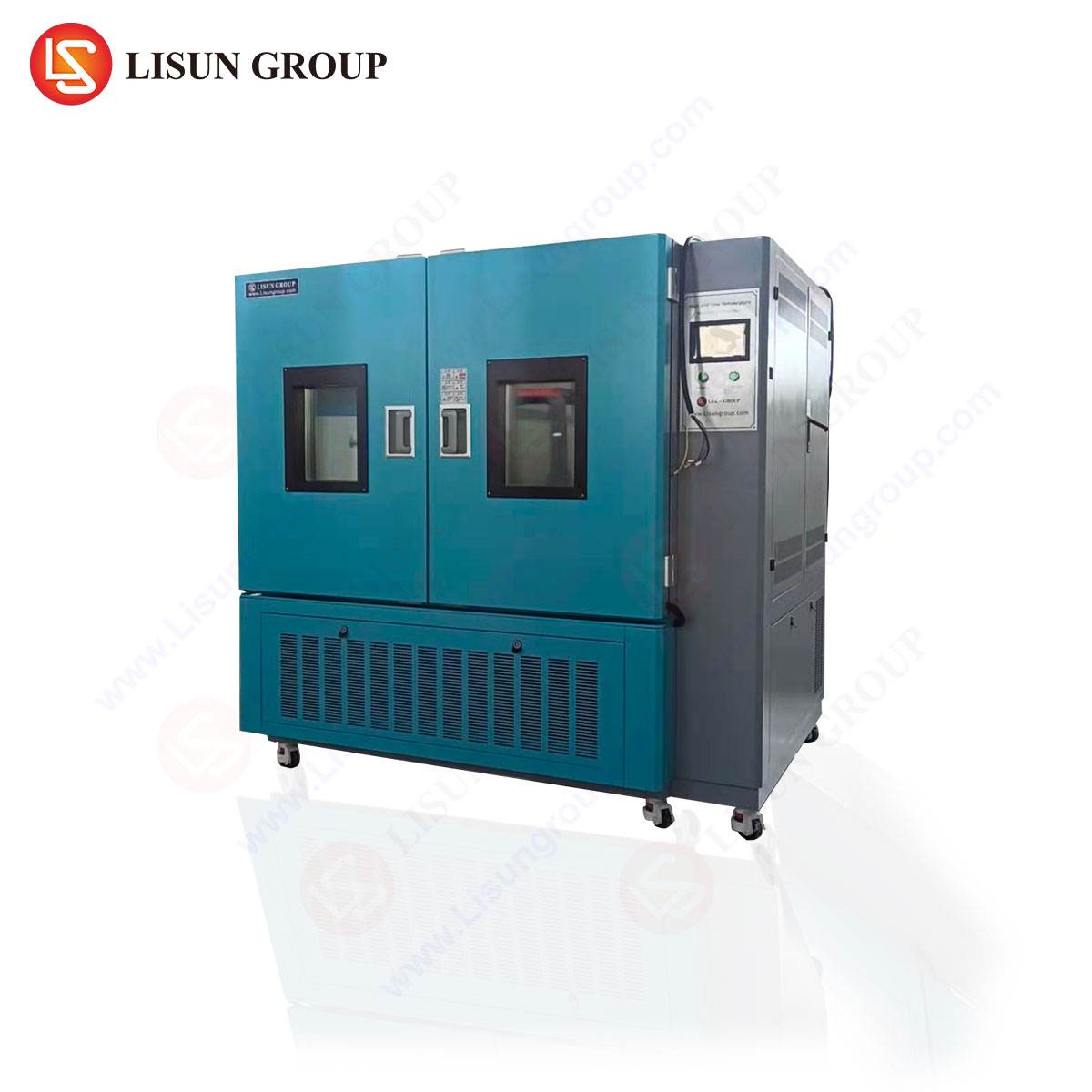
Temperature-humidity chambers are the workhorses of environmental testing. They simulate steady-state and cyclic conditions to evaluate parameter drift, material expansion/contraction, and condensation effects. Advanced units feature precise PID control algorithms, rapid change rates, and capabilities for combined temperature-humidity cycling per standards like IEC 60068-2-78 (damp heat) and IEC 60068-2-30 (cyclic damp heat). Applications range from testing battery performance across climates to assessing PCB hygroscopic swelling.
2.2 Accelerated Stress Testing: Thermal Shock & Rapid Temperature Change
Thermal shock chambers provide the most severe thermal stress by rapidly transferring products between extreme hot and cold zones. This test, governed by IEC 60068-2-14, is crucial for identifying failures in interconnects, encapsulated components, and materials with different coefficients of thermal expansion. Two-zone (basket transfer) and three-zone (static) chambers offer solutions for different product sizes and test severity requirements, effectively screening for solder cracks and ceramic substrate delamination.
Beyond climatic factors, products must withstand mechanical stresses and environmental ingress. This category of testing is vital for automotive, outdoor electronics, and consumer devices.
3.1 Vibration Testing Systems
Vibration test systems simulate the dynamic stresses encountered during transportation and operation. They are essential for validating solder joint integrity, preventing screw loosening, and avoiding resonant frequencies that can amplify stress. Testing is performed according to standards like IEC 60068-2-64 (broadband random vibration) and ISO 16750-3 for automotive components. Systems range from electrodynamic shakers for high-frequency, low-displacement tests to hydraulic shakers for large, heavy payloads.
3.2 IP Waterproof & Dustproof Test Equipment
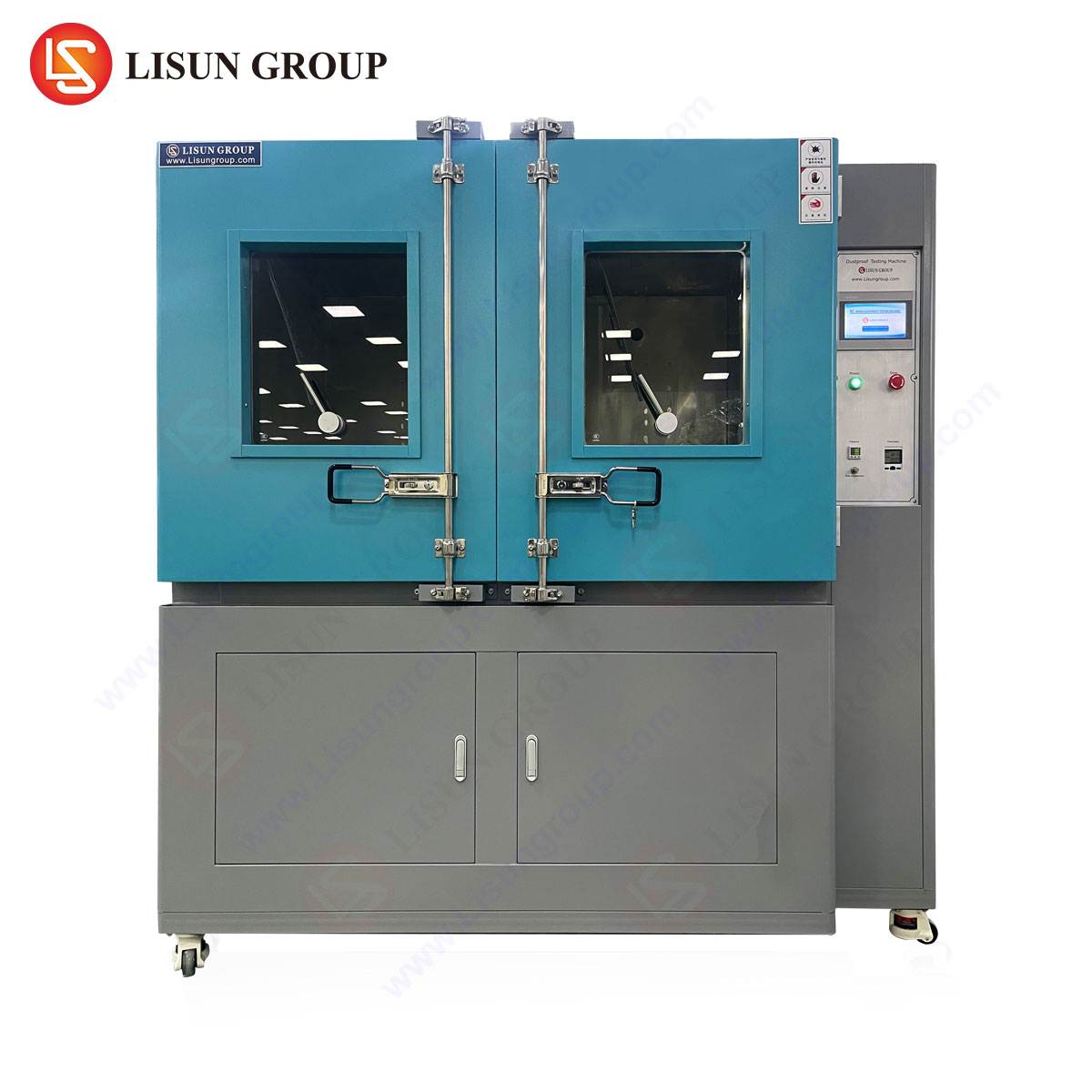
Ingress Protection (IP) testing, codified in IEC 60529, verifies a product’s resistance to solid particles (dust) and water. IP test equipment includes dust chambers with circulating talcum powder and water spray nozzles simulating dripping, spraying, splashing, and powerful jetting. For automotive electronics, specific equipment for ISO 20653 (road vehicle IP code) testing is critical. This validation is fundamental for connectors, outdoor LED luminaires, and handheld devices.
Long-term exposure to corrosive atmospheres and solar radiation leads to material degradation, color fading, and functional loss. Accelerated laboratory testing predicts these effects efficiently.
4.1 Salt Spray (Fog) Corrosion Test Chambers
Salt spray testers, operating per ISO 9227 (NSS, AASS, CASS tests), create a controlled corrosive environment to evaluate the protective quality of metallic coatings and surface treatments. This is a mandatory test for automotive parts, fasteners, and aerospace components. Modern chambers feature precise pH control, air saturation towers for consistent mist settlement, and programmable cycles for more realistic corrosion testing beyond simple neutral salt spray.
4.2 UV & Xenon Arc Accelerated Weathering Chambers
These chambers simulate the damaging effects of sunlight, rain, and heat. UV fluorescent lamp chambers per ASTM G154 are cost-effective for screening material formulations. Xenon arc chambers, compliant with ISO 4892-2 and ASTM G155, provide the most realistic full-spectrum sunlight simulation, including visible and infrared light. They are indispensable for testing polymers, textiles, coatings, and automotive interiors for color fastness, chalking, gloss loss, and tensile strength reduction.
The applications of environmental testing for product reliability & compliance are tailored to the unique demands of each vertical market. Compliance is not a single test but a curated sequence defined by industry-specific standards.
5.1 Automotive Electronics Reliability
Automotive components face perhaps the harshest combined environments. Testing must validate performance across extreme temperature ranges (e.g., -40°C to +125°C), under high humidity, and while subjected to power cycling and voltage surges. Key standards include ISO 16750 (road vehicles), ISO 20653 (IP protection), and ISO 10605 (ESD). A typical validation sequence involves thermal cycling, followed by damp heat, mechanical vibration, and finally, electrical function validation.
5.2 Consumer Electronics & LED Product Validation
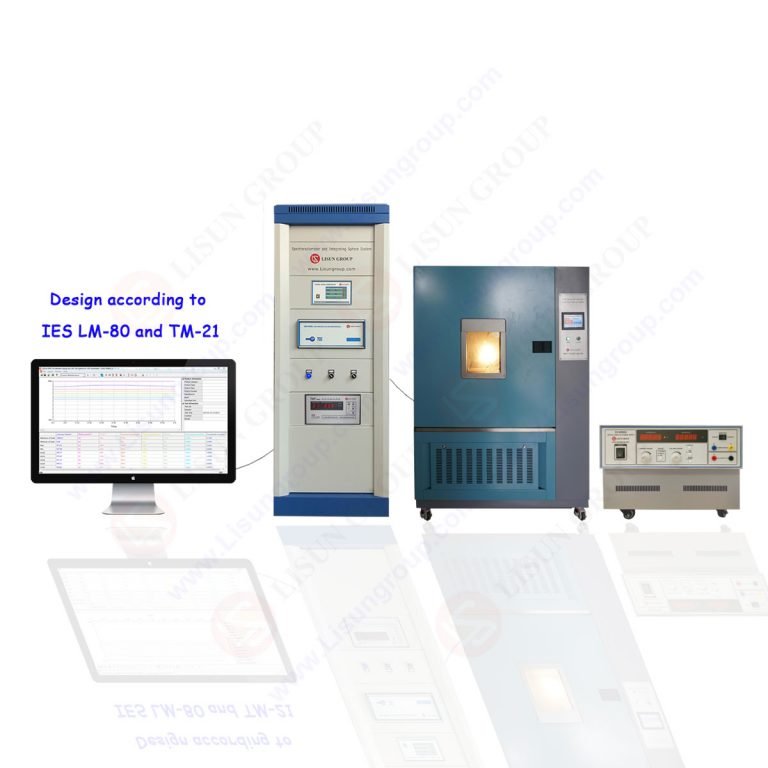
For consumer electronics, the focus is on user environment simulation and safety. Tests include temperature-humidity bias testing for moisture sensitivity, drop and tumble tests for portables, and accelerated life testing for LEDs per IES LM-80 and TM-21. Compliance with safety standards like IEC 62321 (RoHS) often requires environmental stress to ensure hazardous substances do not leach out over the product’s life. LED manufacturers rely heavily on thermal shock and damp heat testing to validate the longevity of drivers and phosphor materials.
Selecting the right equipment requires a clear understanding of performance specifications and compliance capabilities. The table below provides a technical comparison of core chamber types, highlighting LISUN’s specifications against common industry requirements.
| Test Chamber Type | Key Parameter | LISUN Typical Specification | Common Industry Benchmark | Governing Standard(s) |
|---|---|---|---|---|
| Temperature-Humidity | Temperature Range | -70°C to +150°C | -40°C to +150°C | IEC 60068-2-1, -2 |
| Humidity Range | 10% to 98% RH | 20% to 98% RH | IEC 60068-2-78 | |
| Control Stability | ±0.5°C / ±2.5% RH | ±1.0°C / ±3.0% RH | – | |
| Thermal Shock (2-Zone) | Temperature Range | -65°C to +200°C | -55°C to +150°C | IEC 60068-2-14 |
| Transfer Time | < 10 seconds | < 15 seconds | – | |
| Dwell Time | 1 min to 9999 min | 5 min to 999 min | – | |
| Salt Spray (NSS) | Chamber Temperature | 35°C ± 2°C | 35°C ± 2°C | ISO 9227 |
| pH of Collected Spray | 6.5 to 7.2 | 6.5 to 7.2 | – | |
| Salt Settlement Rate | 1.0~2.0 ml/80cm²/h | 1.0~2.0 ml/80cm²/h | – | |
| Walk-in Stability Chamber | Temperature Range | +2°C to +50°C | +5°C to +50°C | ICH Q1A, WHO TRS 961 |
| Humidity Range | 40% to 80% RH | 45% to 75% RH | – | |
| Uniformity (Temp) | ±2.0°C | ±3.0°C | – |
Investing in an environmental test laboratory is a strategic decision. Beyond selecting individual pieces of equipment, considerations for calibration, data integrity, and scalability are paramount for long-term value and accreditation.
7.1 The Importance of Calibration and Traceability
For test data to be credible for compliance reporting, equipment must be regularly calibrated with measurements traceable to national or international standards (e.g., NIST, CNAS). LISUN systems are designed for easy calibration access and feature iLac-MRA/CNAS-certified configurations. A rigorous calibration schedule, typically annual for critical parameters like temperature and humidity, is non-negotiable for labs seeking ISO/IEC 17025 accreditation.
7.2 Data Acquisition and Test Standardization
Modern test chambers are integrated with sophisticated software for programming complex profiles, monitoring in real-time, and securely logging all test data. This ensures test repeatability and provides an auditable trail for compliance. Standardizing test procedures according to published international standards not only ensures global market acceptance but also allows for meaningful benchmarking against competitor products and historical data.
The strategic applications of environmental testing for product reliability & compliance form the backbone of modern quality assurance and risk mitigation. By systematically applying climatic, mechanical, and corrosive stresses, engineers can transform uncertainty into quantified reliability, design robust products, and navigate the complex landscape of global standards with confidence. As a provider with nearly two decades of specialization, LISUN’s value lies in delivering a comprehensive, technically precise portfolio—from benchtop chambers to fully automated, accredited test systems—that aligns directly with the rigorous demands of industries like automotive and consumer electronics. The key takeaway for lab managers and engineers is to view environmental testing not as a cost center, but as a critical investment that reduces warranty claims, enhances brand equity, and provides the empirical evidence required for successful product certification and market entry.
Q1: How do I determine the appropriate test standards and profiles for my new automotive electronic component?
A: Start by consulting the customer-specific requirements from the OEM, which often reference overarching international standards. The primary standard is ISO 16750 (Road vehicles — Environmental conditions and testing for electrical and electronic equipment). It defines test severities for different vehicle installation locations (e.g., engine compartment vs. passenger cabin). You will also need ISO 20653 for IP rating, ISO 10605 for ESD, and likely ISO 7637-2 for electrical transients. The specific sequence—such as performing vibration after thermal cycling to expose work-hardened faults—is critical. LISUN engineers can assist in interpreting these standards and configuring chamber profiles to match the exact test conditions.
Q2: What is the difference between a thermal shock test and a temperature cycling test, and when should each be used?
A: The key difference is the rate of temperature change and intent. A thermal shock test, per IEC 60068-2-14, subjects the product to an extreme, rapid transfer between two temperature extremes (e.g., -55°C to +125°C in <10 seconds). It is a severity test designed to induce failures in interconnects and materials with mismatched CTEs. Temperature cycling, per IEC 60068-2-1, involves slower, controlled ramps between temperature extremes. It is a fatigue test that simulates slower, diurnal cycles and is better for evaluating solder joint creep, underfill integrity, and long-term wear-out mechanisms. Use thermal shock for defect screening and qualification, and temperature cycling for lifetime prediction and design validation.
Q3: For LED lighting products, which environmental tests are most critical for predicting lumen maintenance (L70 life) and ensuring compliance?
A: Predicting LED lifetime revolves around thermal management. The most critical tests are High-Temperature Operating Life (HTOL) and Temperature-Humidity Bias (THB) testing, often conducted per IES LM-80 guidelines for lumen depreciation measurement. These are performed in precision temperature-humidity chambers with controlled current drive to the LED packages or modules. Additionally, thermal shock testing is vital to validate the integrity of solder joints connecting the LED to the MCPCB, and damp heat testing (IEC 60068-2-78) assesses the robustness of the phosphor and encapsulation materials against moisture ingress, which can cause color shift and delamination.