




A Technical Examination of ASTM B117 Compliance and Accelerated Corrosion Testing Methodologies
Introduction to Standardized Corrosion Evaluation
The assessment of a material or finished product’s resistance to corrosive degradation is a fundamental requirement across numerous engineering disciplines. Uncontrolled corrosion leads to catastrophic financial losses, estimated annually in the hundreds of billions globally, encompassing direct replacement costs, unplanned downtime, and safety-related failures. To facilitate reliable, repeatable, and comparative evaluations, standardized test methods are indispensable. Among these, ASTM B117, “Standard Practice for Operating Salt Spray (Fog) Apparatus,” stands as one of the most universally recognized and historically significant accelerated corrosion tests. Its primary function is not to precisely replicate real-world environmental conditions, but to provide a controlled, severe, and reproducible corrosive atmosphere. This enables manufacturers to rapidly screen materials, coatings, and surface treatments, identify processing flaws, and conduct quality assurance checks against internal or industry-specific benchmarks.
Fundamental Principles of the Salt Spray (Fog) Test
The underlying principle of ASTM B117 is the creation of a continuous, settled fog of a sodium chloride (NaCl) solution within an enclosed testing chamber. This environment accelerates corrosive attack primarily through electrochemical mechanisms. The deposited salt layer, upon absorbing moisture from the humidified chamber atmosphere, forms a conductive electrolyte film on the test specimen’s surface. This film facilitates the anodic (metal dissolution) and cathodic (typically oxygen reduction) reactions that constitute the corrosion cell. Factors such as coating porosity, the presence of microscopic defects, inadequate sealing, or galvanic interactions between dissimilar metals are rapidly exacerbated in this aggressive setting. The test is particularly severe for ferrous metals and is highly effective at revealing coating discontinuities, including those from inadequate edge coverage or mechanical damage incurred during fabrication. It is crucial to recognize that correlation between accelerated test hours and actual service life is not linear or universal; it varies significantly with the specific material system and end-use environment. Therefore, ASTM B117 is predominantly a comparative and qualitative tool.
Critical Apparatus Specifications and Operational Parameters
Strict adherence to apparatus specifications and operational parameters is the cornerstone of generating valid, reproducible ASTM B117 test data. The standard meticulously defines requirements to minimize inter-laboratory variability.
The test chamber must be constructed of materials inherently resistant to salt spray corrosion, such as rigid plastics or properly lined materials. Its design must prevent condensate from dripping onto specimens and ensure uniform fog distribution. The temperature within the exposure zone is rigorously maintained at 35°C ± 2°C (95°F ± 3°F). This elevated temperature increases the kinetics of the corrosive reactions. The salt solution is prepared using reagent-grade sodium chloride dissolved in deionized or distilled water to a concentration of 5% ± 1% by mass. The pH of the collected solution, when atomized at 35°C, must be held between 6.5 and 7.2. Compressed air used for atomization must be free of oil and dirt, and humidified to prevent evaporation cooling within the nozzle, which is typically a critical component made of inert materials like sapphire or glass. The rate of fog collection in designated collectors must fall within 1.0 to 2.0 mL per hour for each 80 cm² of collecting area. Specimen placement is non-arbitrary; they are supported to prevent contact with each other or chamber surfaces, oriented at an angle of 15° to 30° from vertical to parallel the direction of fog flow and ensure uniform wetting.
Industry-Specific Applications and Compliance Requirements
ASTM B117 compliance is not an academic exercise but a foundational element of product qualification and reliability assurance in high-stakes industries. Its application spans from consumer goods to mission-critical aerospace components.
In Automotive Electronics and Electrical Components, connectors, sensor housings, printed circuit board assemblies (PCBAs), and switchgear are subjected to salt spray testing to validate resistance to road salt exposure, which can lead to short circuits, increased contact resistance, and functional failure. Aerospace and Aviation Components utilize the test for parts exposed to deck or runway environments, ensuring materials like aluminum alloys with anodized or chromatized coatings can withstand corrosive agents. Telecommunications Equipment and Electrical and Electronic Equipment deployed in coastal or harsh industrial environments rely on B117 testing for enclosures, heat sinks, and external connectors. Lighting Fixtures, particularly those for outdoor, maritime, or roadway applications, test housings, reflectors, and lens seals to prevent ingress and internal corrosion. Medical Devices with external metallic components may employ the test to ensure surface integrity and cleanliness over a projected lifespan. For Cable and Wiring Systems, testing connector terminations and cable gland seals is common. Industrial Control Systems and Household Appliances with outdoor or damp-location ratings (e.g., washing machine control boards, grill components) use the test to verify protective finishes.
The LISUN YWX/Q-010X Salt Spray Test Chamber: Engineered for Precision Compliance
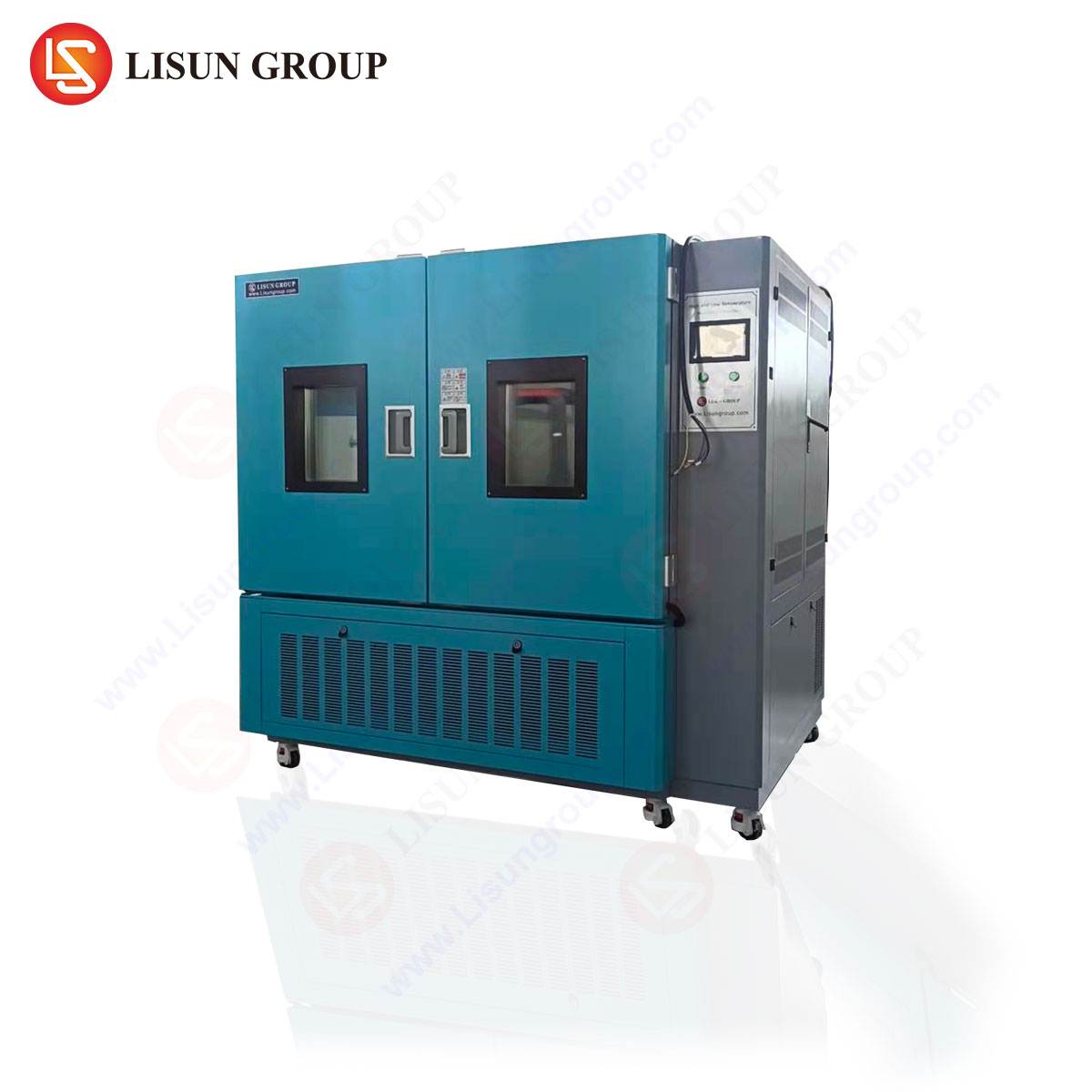
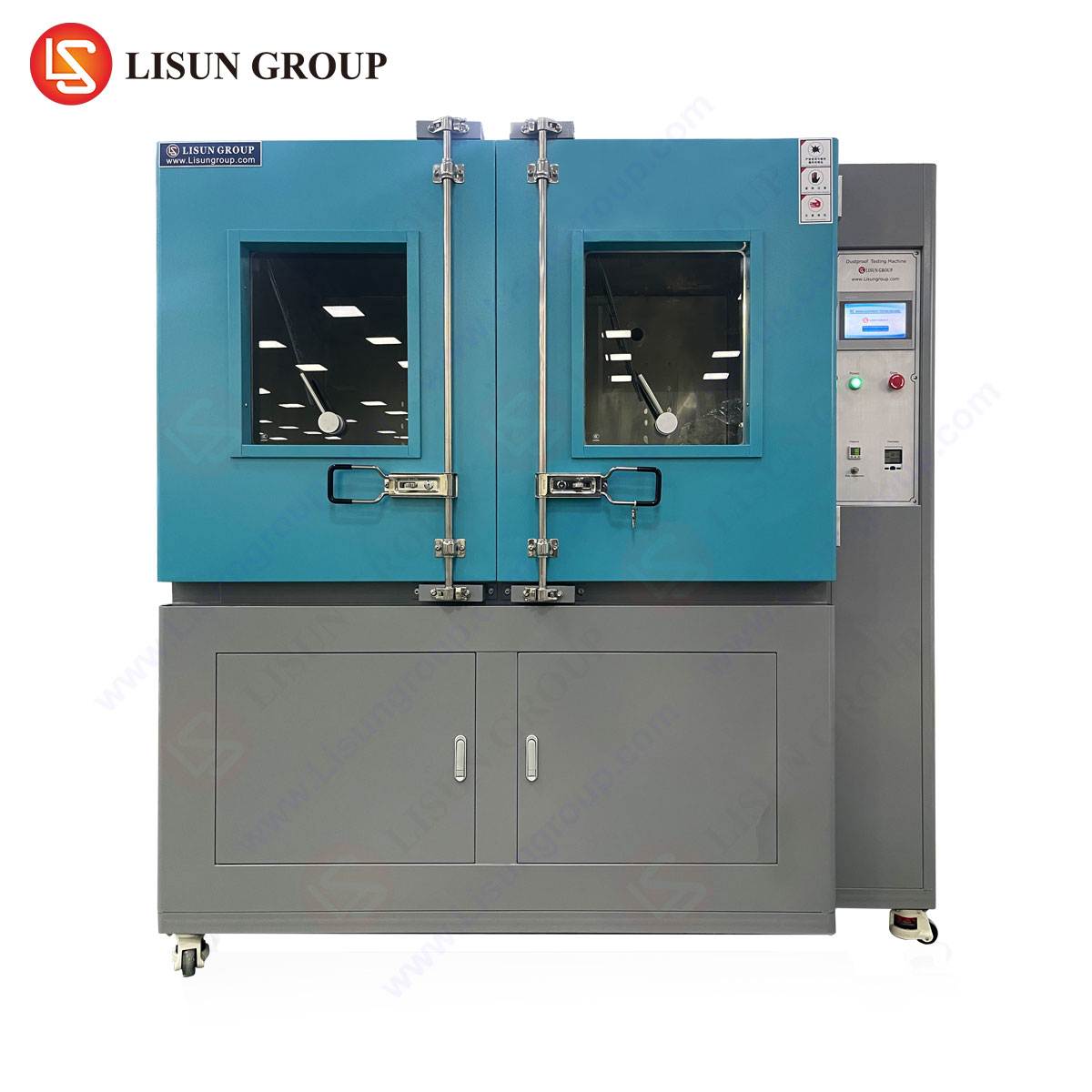
To achieve the exacting reproducibility demanded by ASTM B117, testing apparatus must exceed basic functionality and embody precision engineering. The LISUN YWX/Q-010X Salt Spray Test Chamber is designed as a integrated system to meet and exceed these stringent requirements, providing laboratories with a reliable tool for generating compliant corrosive environments.
The chamber employs a modular, corrosion-resistant PVC structure for the inner liner and a fiber-reinforced plastic (FRP) exterior, ensuring long-term durability against the aggressive salt fog. Temperature control is managed by a high-accuracy digital PID controller coupled with a platinum resistance thermometer (PT100), maintaining the critical 35°C exposure zone temperature within a tolerance of ±0.5°C, surpassing the standard’s requirement. The air saturation system utilizes a temperature-controlled tower to heat and humidify the compressed air to the exact temperature of the chamber, a vital step for consistent fog output and pH stability. The atomizing nozzle is crafted from sapphire—a material chosen for its extreme hardness and resistance to erosion from the salt slurry—which ensures consistent droplet size and fog density over extended operational periods.
A key feature of the YWX/Q-010X is its integrated fog collection system with calibrated cylinders, allowing operators to easily verify and log that the collection rate (1-2 mL/hr) is continuously maintained. The system includes automatic level control for the salt solution reservoir to prevent pump dry-run and ensure uninterrupted testing cycles, which can run for hundreds or thousands of hours. For comprehensive testing regimens, the chamber supports programmable cyclic testing when integrated with auxiliary drying or humidity functions, though ASTM B117 itself is a continuous exposure test.
Table 1: Key Specifications of the LISUN YWX/Q-010X Salt Spray Test Chamber
| Parameter | Specification | ASTM B117 Requirement |
| :— | :— | :— |
| Temperature Range | Ambient +10°C to +55°C | Exposure Zone: 35°C ± 2°C |
| Temperature Fluctuation | ≤ ±0.5°C | Not specified beyond range |
| Temperature Uniformity | ≤ ±1.0°C (empty chamber) | Not explicitly defined |
| Chamber Material | Inner Liner: PVC; Exterior: FRP | Corrosion-resistant material |
| Atomizing Nozzle | Sapphire orifice | Non-corroding material |
| Salt Solution Tank | 25 L capacity | Sufficient for uninterrupted run |
| Test Chamber Volume | 1080 Liters (Standard model) | N/A |
| Fog Collection Rate | 1.0 ~ 2.0 mL/hr per 80 cm² | 1.0 ~ 2.0 mL/hr per 80 cm² |
| pH of Collected Solution | 6.5 ~ 7.2 (with proper solution prep) | 6.5 ~ 7.2 at 35°C |
| Air Supply | Oil-free, filtered, humidified | Oil- and dirt-free, humidified |
Interpreting Test Results and Establishing Acceptance Criteria
The execution of the ASTM B117 test is only half of the compliance process; the systematic evaluation of results is equally critical. The standard provides the procedure for creating the corrosive environment but deliberately does not specify duration or pass/fail criteria. These are defined by the referencing specification or the manufacturer’s internal quality standards.
Evaluation is typically visual and comparative. After the prescribed exposure period (commonly 24, 48, 96, 240, 500, or 1000 hours), specimens are carefully removed, gently rinsed to remove salt deposits, and dried. Examination under controlled lighting follows, often aided by magnification. For coated samples, common failure modes include:
- Blistering: Formation of raised areas in the coating, classified by size and density (ASTM D714).
- Rusting: Appearance of corrosion products from the substrate, rated by percentage of affected area (ASTM D610).
- Scribe Creepage: For tests involving a deliberate scribe through the coating, the distance corrosion propagates under the coating from the scribe line is measured (ASTM D1654).
- White Rust/Red Rust: Specific to zinc coatings (galvanized) and steel, respectively.
For Electrical Components like switches and sockets, functional testing post-exposure is mandatory—checking for mechanical operation, electrical continuity, and insulation resistance. A connector may pass visually but fail if contact resistance increases beyond a specified milliohm threshold. For Office Equipment and Consumer Electronics housings, aesthetic corrosion products or coating delamination on visible surfaces may constitute a failure per marketing specifications.
Limitations and Complementary Test Methods
A comprehensive corrosion resistance strategy recognizes the limitations of any single accelerated test. ASTM B117’s continuous salt spray is a constant, saturated condition that does not simulate dry-off periods, UV exposure, thermal cycling, or pollution gases found in real-world atmospheres. It is a useful but incomplete picture.
Therefore, it is often used in conjunction with other standards to provide a more robust assessment. Cyclic corrosion tests (CCT), such as those outlined in ASTM G85 or automotive standards like SAE J2334, incorporate wet, dry, and humidity phases, often showing better correlation to field performance for many coating systems. For Automotive Electronics, tests combining thermal shock, vibration, and salt fog are common. Aerospace specifications may require alternating exposures to salt fog and dry-off. For materials exposed to acidic industrial atmospheres, tests like ASTM G85, Annex 2 (SO2 salt spray) may be applicable. The selection of a test regimen must be informed by the product’s anticipated environmental profile.
Ensuring Ongoing Compliance through Apparatus Calibration and Maintenance
Maintaining ASTM B117 compliance is a dynamic process requiring rigorous apparatus stewardship. Regular calibration and preventative maintenance are non-negotiable for data integrity. Critical activities include:
- Daily/Per-Test Checks: Verification of salt solution concentration (via hydrometer or titration) and pH, collection rate measurement, and visual inspection for nozzle blockage or chamber contamination.
- Periodic Calibration: Annual (or more frequent) calibration of the chamber temperature sensor and controller by a certified standard, traceable to NIST or equivalent national body.
- Preventative Maintenance: Regular cleaning of the chamber interior and saturation tower to prevent salt buildup, inspection and replacement of the atomizing nozzle if wear is suspected, and checking air filters and humidification water levels.
- Record Keeping: Meticulous logs of all calibration activities, solution preparations, test parameters, and chamber performance data are essential for audit trails and ISO/IEC 17025 accreditation.
A chamber like the YWX/Q-010X facilitates this through features such as user-replaceable standardized nozzles, accessible calibration ports, and digital data logging of key parameters over time, providing a clear historical record of chamber performance.
Conclusion: The Integral Role of Standardized Testing in Product Reliability
ASTM B117 remains a cornerstone of material and product qualification due to its well-defined procedure, historical data legacy, and severe, reproducible nature. Its proper implementation requires an understanding of both its powerful utility and its inherent limitations. For industries where corrosion-induced failure carries significant cost, safety, or reputational risk—from automotive electronics to aerospace components—investment in precise, compliant testing apparatus and rigorous operational discipline is fundamental. By leveraging engineered solutions that ensure parameter stability, such as those incorporating precise PID control, saturated air conditioning, and durable atomization systems, laboratories can generate the reliable, comparable data necessary to drive material selection, improve manufacturing processes, and ultimately deliver products with validated durability and performance in corrosive environments.
Frequently Asked Questions (FAQ)
Q1: Our company tests a wide range of products, from small electronic connectors to large appliance panels. Can a single salt spray chamber like the YWX/Q-010X accommodate such varied specimen sizes?
A: Yes, the chamber design typically includes adjustable specimen support rods or racks. The critical factor is ensuring specimens do not contact each other or chamber walls and that the fog can circulate freely. For very large items, the total volume of the chamber (1080L in the standard model) must be considered to ensure it does not become overcrowded, which can affect fog distribution and temperature uniformity.
Q2: We need to run tests referenced to both ASTM B117 and ISO 9227. Are there significant operational differences, and can one chamber comply with both?
A: The core principles are very similar, but there are nuanced differences in parameters like the permissible salt purity (ISO is slightly stricter), allowed pH ranges, and optional test conditions (e.g., neutral (NSS), acetic acid (AASS), and copper-accelerated acetic acid (CASS) tests). A well-designed chamber like the YWX/Q-010X, with precise control over solution chemistry, temperature, and fog collection, can be configured to operate in strict compliance with either standard. The operator must adhere to the specific preparation and monitoring procedures outlined in the chosen standard.
Q3: How often should the salt solution be changed in the reservoir during a long-term test (e.g., 1000 hours)?
A: ASTM B117 does not mandate a specific change interval but requires the solution in the reservoir to maintain the correct concentration and be free of foreign matter. For a 1000-hour test, periodic checking of concentration and pH is essential. Depending on the chamber design and makeup system, the solution may need replenishment or complete replacement during the test to prevent contamination or concentration drift due to evaporation or carry-out.
Q4: After testing, we observe a white, crusty deposit on our zinc-plated components. Is this a failure?
A: Not necessarily. The formation of white corrosion products (primarily zinc carbonate and hydroxide) on zinc coatings is an expected outcome in a salt spray test. The evaluation criterion is typically defined by the referencing specification. Many standards, such as ASTM B633 for zinc plating, specify a minimum number of hours to “white rust” appearance. The test duration and the percentage of surface area covered by white rust at the inspection point determine pass/fail. Red rust, indicating corrosion of the underlying steel substrate, is almost always a definitive failure.
Q5: Can the salt spray test predict the exact service life of a coating in years?
A: No, and this is a critical distinction. ASTM B117 is an accelerated, comparative test. It creates a constant, severe environment that does not replicate the cyclic nature (wet/dry, UV, temperature fluctuations) of most real-world exposures. While a sample lasting 500 hours will generally outperform one failing at 96 hours in a similar environment, there is no universal conversion factor (e.g., “100 test hours equals 1 service year”). Correlation to actual field performance must be established empirically for each specific material system and end-use environment through parallel testing and historical data analysis.