




The Strategic Imperative of IPX5 Protection: Engineering Resilience Against Directed Water Jets
In the contemporary landscape of product design and manufacturing, the integration of robust environmental protection is not merely a value-added feature but a fundamental engineering requirement. Among the various ingress protection (IP) classifications defined by the International Electrotechnical Commission (IEC) standard 60529, the IPX5 rating occupies a critical niche. It signifies a product’s verified capability to withstand water jets projected from a nozzle (6.3mm) from any direction without harmful effects. This specification, while seemingly narrow, addresses a pervasive and often underestimated threat vector across numerous industries. This article provides a technical analysis of the benefits conferred by IPX5 certification, examining its implications for product longevity, safety, reliability, and market compliance, with particular focus on the validation process exemplified by advanced testing instrumentation such as the LISUN SC-015 Dust Sand Test Chamber.
Defining the IPX5 Threat Environment and Its Pervasiveness
The IPX5 test simulates exposure to low-pressure water jets, such as those from a washdown hose, heavy splashing in industrial settings, or driven rain accompanied by wind. It is a more severe condition than the dripping (IPX1-IPX2) or spraying (IPX3-IPX4) tests, as it subjects the enclosure to a concentrated, directed stream with a force of approximately 12.5 litres per minute at a pressure of 30 kPa from a distance of 3 meters. The “X” placeholder denotes that the dust protection rating (first digit) is unspecified and separate.
The environments demanding this level of protection are extensive. In Electrical and Electronic Equipment and Industrial Control Systems, control panels and motor drives located in food processing plants or chemical facilities require regular high-pressure washdowns for hygiene and safety, exposing them directly to IPX5 conditions. Automotive Electronics, including engine control units (ECUs), sensors, and lighting clusters within wheel wells, are subjected to high-velocity water spray from road surfaces and automated car washes. Lighting Fixtures for architectural facades, stadiums, or maritime applications must endure wind-driven rainstorms. Telecommunications Equipment, such as outdoor base station units and junction boxes, are perpetually exposed to the elements. Even Household Appliances like premium outdoor kitchen equipment, power washers, or certain robotic cleaners are increasingly designed to this standard. The common thread is the need for resilience against a directed hydraulic force that can penetrate microscopic gaps, leading to corrosion, short circuits, and catastrophic failure.
Quantifying the Benefits: From Component Integrity to System Reliability
The primary benefit of IPX5 rating is the mitigation of water ingress, but the downstream advantages are multifactorial and systemic.
Enhanced Product Longevity and Reduction in Premature Failure Modes: Water ingress is a primary accelerant for multiple failure mechanisms. The presence of water, especially when combined with ionic contaminants, facilitates electrochemical migration, leading to dendritic growth and short circuits on printed circuit boards (PCBs). It promotes galvanic corrosion between dissimilar metals in connectors and enclosures. For Electrical Components like switches and sockets, ingress can lead to contact oxidation, increasing resistance and generating hazardous heat. By validating the seal integrity against jets, IPX5 certification directly extends the mean time between failures (MTBF), reducing warranty claims and total cost of ownership. Data from field failure analysis in the Automotive Electronics sector often correlates unprotected sensor failures with exposure to road spray, a problem mitigated by IPX5+ sealing.
Safeguarding Functional Performance in Adverse Conditions: Performance degradation is often a precursor to total failure. In Medical Devices, such as portable diagnostic monitors used in ambulances or field hospitals, the ability to function reliably during cleaning or in inclement weather is non-negotiable for patient safety. For Aerospace and Aviation Components, including ground support equipment and external avionics housings, performance must be maintained during de-icing procedures or heavy precipitation. IPX5 testing provides empirical evidence that critical functions—signal integrity in Telecommunications Equipment, precision sensing in industrial controls, or stable output in Lighting Fixtures—will not be compromised by hydraulic intrusion.
Compliance with Stringent Industry Regulations and Standards: IPX5 is often a codified requirement, not an option. Standards such as IEC 60601-1 for medical equipment, ISO 20653 for road vehicles, and various MIL-STD-810G methods for defence applications reference or align with IPX5 testing protocols. Furthermore, certification bodies and large industrial clients mandate compliance with specific IP codes as a condition of sale or procurement. Achieving IPX5 rating, therefore, becomes a passport to market access in regulated and high-reliability sectors, including Industrial Control Systems and Aerospace.
Facilitating Design Innovation and Material Science Validation: The pursuit of IPX5 certification drives engineering innovation. It necessitates a holistic design approach encompassing gasket geometry, adhesive selection, ultrasonic welding parameters, and venting technologies. It validates new material choices, such as the use of specific polymers or composites in enclosures for Consumer Electronics and Office Equipment that must survive accidental spills or cleaning. The testing process provides critical feedback, allowing engineers to iterate on designs—for instance, optimizing the labyrinth paths in a connector or the drainage channels in a Lighting Fixture housing—before committing to production tooling.
Optimizing Lifecycle Costs and Sustainability Profile: While achieving an IP rating may increase initial unit cost, the lifecycle economic analysis typically favours protected products. The reduction in field failures lowers repair logistics, spare part inventories, and technician labour. For infrastructure components like Cable and Wiring Systems junction boxes or Telecommunications Equipment, the cost of a tower climb or a roadside service call to replace a failed unit dwarfs the incremental cost of protection. Furthermore, by extending product service life, IPX5 compliance aligns with sustainability goals by reducing electronic waste and the resource consumption associated with manufacturing replacement units.
The Critical Role of Precision Testing: Introducing the LISUN SC-015 Dust Sand Test Chamber
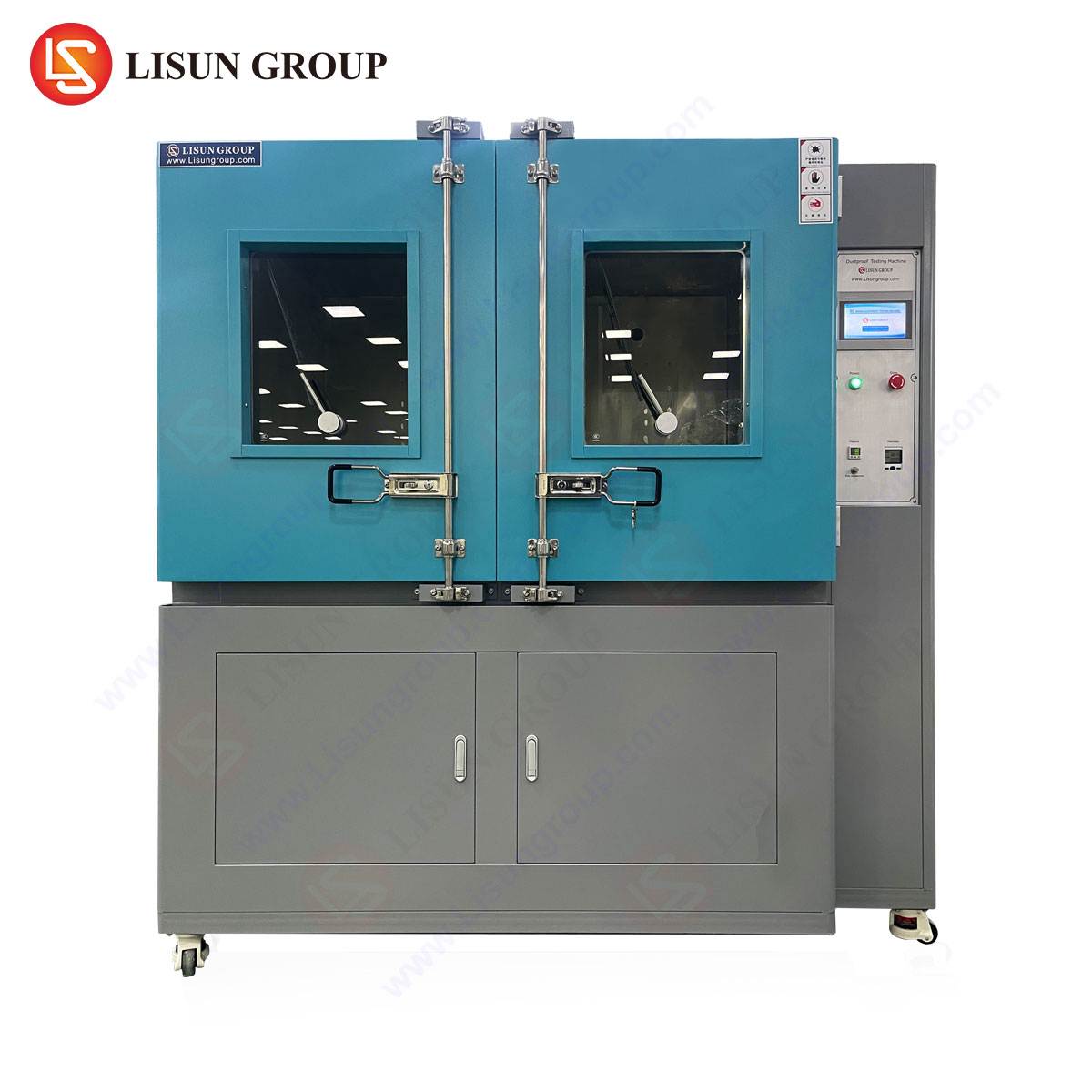
The theoretical benefits of IPX5 design are only as credible as the testing methodology used to validate them. Consistent, repeatable, and standards-compliant testing is paramount. This is where specialized equipment like the LISUN SC-015 Dust Sand Test Chamber becomes an indispensable tool for research, development, and quality assurance laboratories.
The LISUN SC-015 is engineered to conduct rigorous testing per IEC 60529, ISO 20653, and other national standards for both dust (IP5X, IP6X) and water ingress (IPX1 to IPX6). Its relevance to IPX5 validation is integral, as many products require combined environmental resilience.
Specifications and Testing Principles: The chamber features a test space capable of accommodating a wide range of product sizes. For the IPX5 test, the unit is equipped with a standardized 6.3mm diameter nozzle. The core testing principle involves mounting the device under test (DUT) on a rotating table, which can be programmed to simulate real-world exposure angles. A water jet at the specified flow rate and pressure is then directed at the DUT from a distance of 2.5 to 3 meters, covering all possible directions over a minimum test duration. The SC-015 automates this process with precise control over test time, table rotation speed, and water pressure, ensuring strict adherence to the standard’s parameters. Post-test, the DUT is inspected for any water penetration, followed by a verification of its operational status.
Industry Use Cases and Application: The SC-015’s versatility makes it critical across the industries previously discussed. An Automotive Electronics supplier would use it to validate the sealing of a new headlight design or a door control module. A manufacturer of Household Appliances, such as a high-end coffee machine with internal electronics, would test its resistance to cleaning jets. A producer of Electrical Components like outdoor-rated switches or Industrial Control Systems push-button stations would certify their products for washdown environments. In Lighting Fixtures, it validates the integrity of seals in outdoor floodlights or pool lights.
Competitive Advantages of the LISUN SC-015 System:
- Integrated Testing Capability: Its ability to perform both dust and water ingress tests in a single chamber offers laboratories significant space and capital efficiency, streamlining the validation workflow for products requiring multiple IP ratings.
- Precision and Repeatability: Automated controls for pressure, flow, rotation, and timing eliminate human error, generating reliable, auditable data that is essential for certification submissions and internal quality benchmarks.
- Robust Construction and Compliance: Built to withstand continuous use in a laboratory environment, it ensures long-term calibration stability. Its design is explicitly aligned with international standards, giving engineers confidence in their test results.
- Operational Flexibility: The chamber can be configured and programmed for a wide array of test sequences, making it suitable for both high-volume production line sampling and in-depth R&D prototype analysis.
Conclusion
The IPX5 rating represents a definitive benchmark for resilience against a common yet demanding environmental stressor. Its implementation delivers tangible benefits across the product lifecycle, from bolstered reliability and safety to ensured regulatory compliance and market competitiveness. These benefits, however, are contingent upon rigorous and credible verification. Precision-engineered testing instrumentation, such as the LISUN SC-015 Dust Sand Test Chamber, provides the necessary technological foundation for this verification. By enabling accurate, repeatable simulation of directed water jet exposure, it empowers engineers across sectors—from Medical Devices to Aerospace and Aviation Components—to design with confidence, validate with authority, and deliver products capable of enduring the demanding conditions of the real world.
FAQ Section
Q1: Can the LISUN SC-015 chamber test for both dust and water ingress on the same product sequentially?
A1: Yes, the LISUN SC-015 is designed as a combined environmental chamber. It can be programmed to conduct dust (IP5X/IP6X) and water ingress (IPX1 to IPX6) tests in a specified sequence, which is highly efficient for products requiring a full IP rating (e.g., IP65). The chamber must be properly reconfigured and prepared between different test types as per the standard operating procedures.
Q2: For an IPX5 test, how is the water pressure and flow rate calibrated and maintained?
A2: The chamber incorporates a regulated water supply system with precision pumps, pressure gauges, and flow meters. Calibration is performed using external, certified measurement devices to ensure the nozzle delivers 12.5 ±0.625 L/min at approximately 30 kPa. The system includes feedback controls to maintain these parameters consistently throughout the test duration, as mandated by IEC 60529.
Q3: What is the typical preparation required for a device under test (DUT) before an IPX5 test?
A3: The DUT should be in its final, operational form as intended for sale. If it is a normally non-operating device during the test (a “passive” test), it is simply mounted. For an “operational” test where functionality is monitored during or after exposure, leads for power and signal monitoring must be routed through sealed ports in the chamber. The DUT is often filled with a moisture-sensitive indicator or weighed before and after to detect minute ingress.
Q4: Our product is a sealed control unit for an Industrial Control System. After a successful IPX5 test, is periodic re-testing recommended?
A4: While initial certification is key, periodic re-testing is a cornerstone of a robust quality management system, especially after any design change, material source change, or manufacturing process adjustment. It is not typically required by the standard itself but is considered best practice in high-reliability industries to audit production batches and ensure ongoing compliance.
Q5: How does IPX5 testing differ from IPX6 or IPX7 testing, and can the SC-015 perform these?
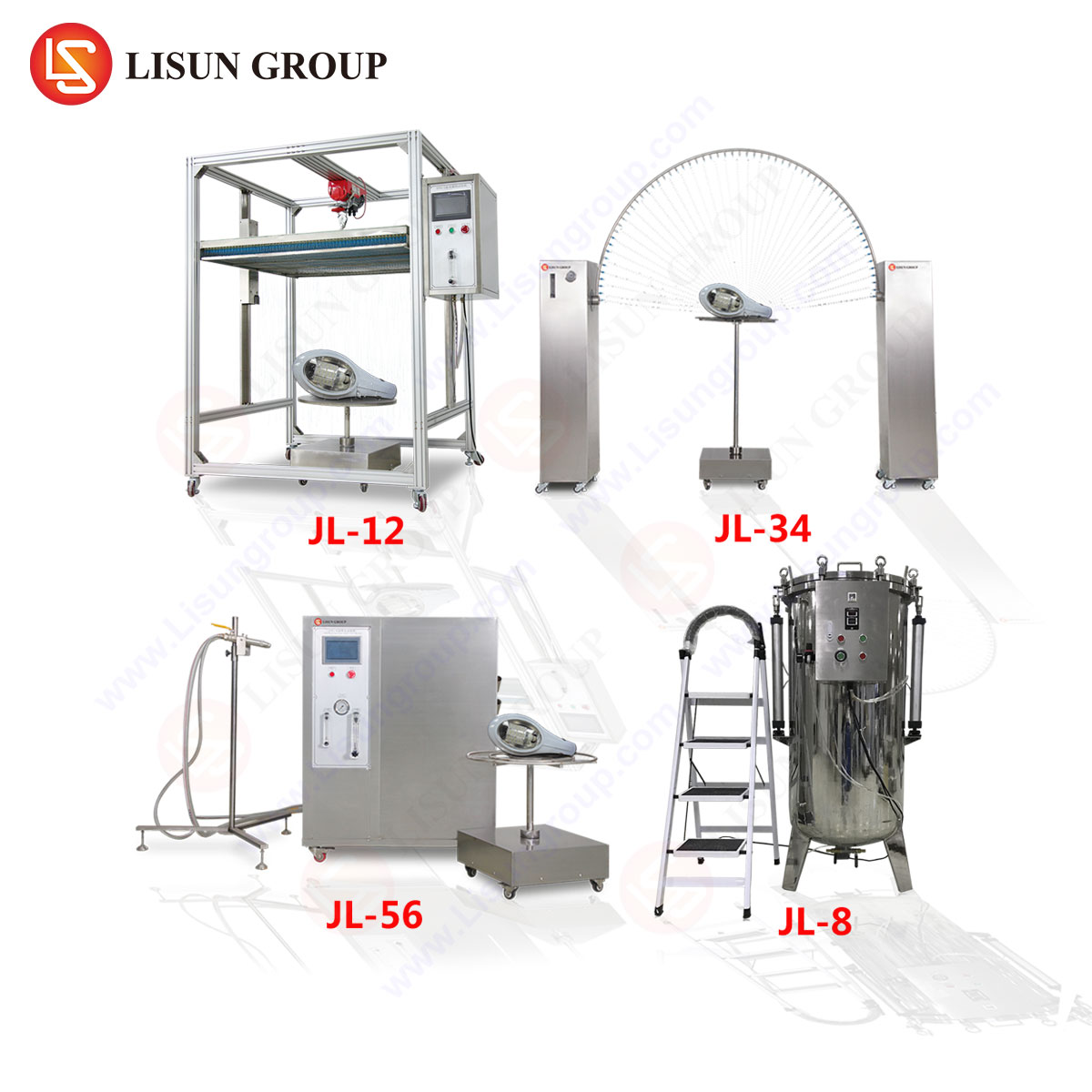
A5: IPX6 uses a more powerful 12.5mm nozzle with a higher flow rate (100 L/min) and pressure (100 kPa). IPX7 involves temporary immersion in water (e.g., 1m for 30 minutes). They test for different, more severe ingress scenarios. The LISUN SC-015 is capable of performing IPX6 testing with the appropriate nozzle and pump configuration. IPX7 immersion testing requires a separate, dedicated immersion tank apparatus.