

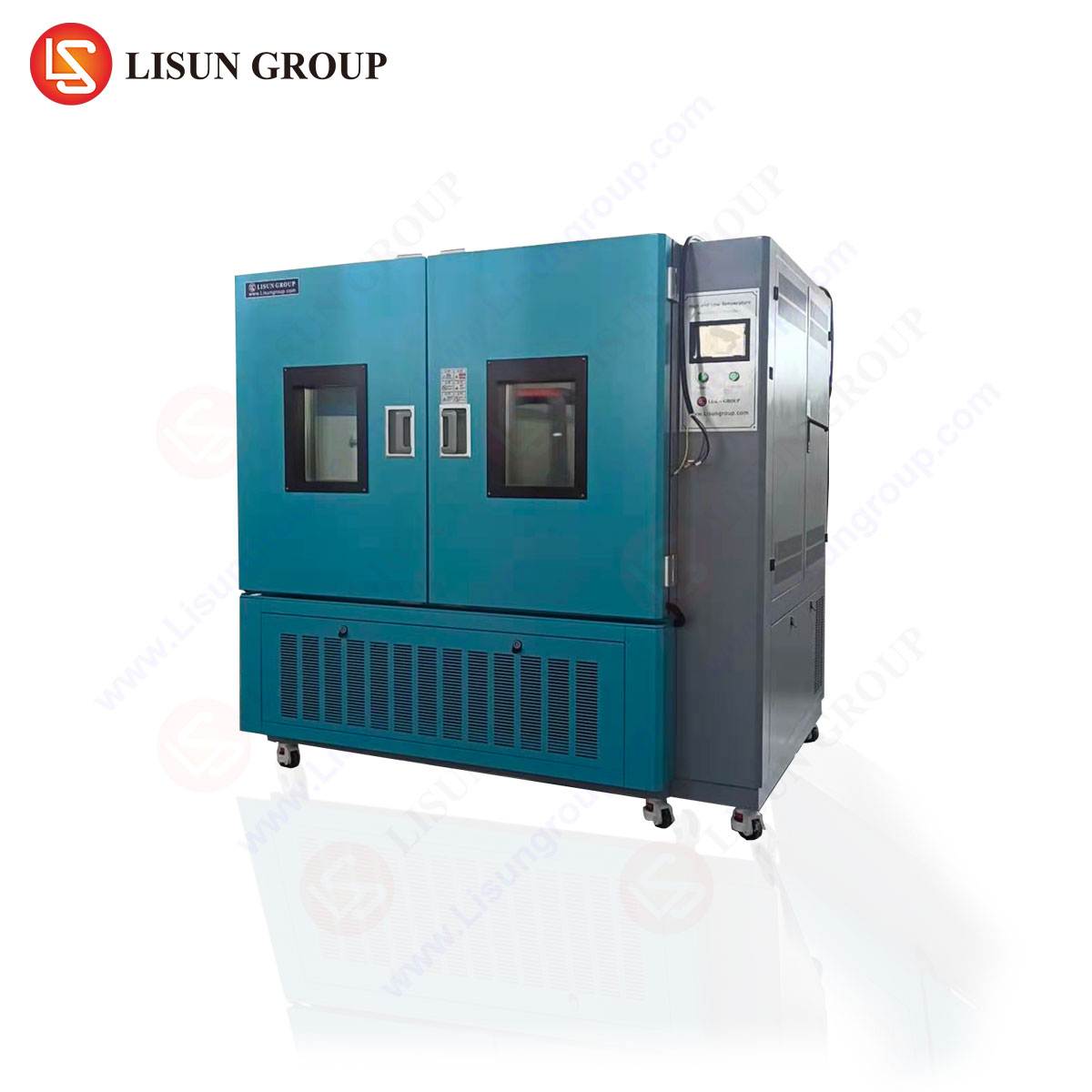



A Comprehensive Guide to Climate Chamber Pricing: Technical Specifications, Application-Specific Requirements, and Total Cost of Ownership Analysis
The procurement of environmental test chambers represents a significant capital investment for research and development laboratories, quality assurance departments, and production facilities across a multitude of industries. A climate chamber, fundamentally, is a sophisticated instrument designed to simulate and precisely control atmospheric conditions—most commonly temperature and humidity—to evaluate the performance, reliability, and durability of materials, components, and finished products. The pricing landscape for these systems is not monolithic; it is a complex function of technical specifications, construction quality, control sophistication, and ancillary features. This guide provides a detailed, objective framework for understanding the cost drivers associated with climate chambers, enabling informed procurement decisions aligned with specific testing protocols and long-term operational objectives.
Fundamental Cost Drivers: Core Specifications and Construction
The primary determinants of a climate chamber’s price are its performance envelope and the engineering required to achieve it. These are not merely numbers on a datasheet but reflect underlying technological and material investments.
Temperature and Humidity Range and Ramp Rates: The breadth of the environmental simulation capability is paramount. A standard chamber rated for -40°C to +150°C with 20% to 98% relative humidity (RH) constitutes a common benchmark. Expanding the low-temperature limit to -70°C or below necessitates cascade refrigeration systems, significantly increasing complexity and cost. Similarly, achieving high temperatures beyond +180°C requires specialized heating elements and insulation. The rate of temperature change, or ramp rate, is another critical factor. A standard ramp rate of 1-3°C per minute is typical for steady-state testing. Chambers designed for thermal cycling, requiring rapid transitions (e.g., 10°C/min or higher), employ more powerful compressors, heaters, and advanced airflow management, directly impacting the price.
Workspace Volume and Load Capacity: Chamber size is a linear, though not strictly proportional, cost driver. Larger volumes (e.g., 1000 liters vs. 100 liters) require more robust structural frameworks, greater amounts of insulation, larger refrigeration systems, and more conditioning power. Equally important is the thermal load capacity—the ability to maintain setpoints while dissipating heat from test specimens. Testing powered devices, such as servers, automotive ECUs, or telecommunications base station components, generates substantial waste heat. Chambers equipped to handle high thermal loads incorporate more powerful refrigeration and sophisticated cooling strategies, adding to the initial investment.
Construction Materials and Sealing Integrity: The internal workspace is typically constructed of #304 or #316 stainless steel, prized for corrosion resistance. The quality of welding, door sealing mechanisms, and port design directly affects long-term performance and maintenance costs. Multi-layer glass wool or polyurethane foam insulation of appropriate density is essential for thermal efficiency. Superior sealing, using materials like silicone rubber gaskets and cam-lock or pneumatic door latches, prevents moisture ingress and temperature leakage, ensuring stability and reproducibility—a key consideration for compliance testing.
Control System Architecture and Data Integrity
The control system is the intellectual core of the chamber, translating user input into precise environmental conditions. Its sophistication is a major differentiator in both capability and cost.
Controller Type and Precision: Entry-level chambers may utilize simple programmable logic controllers (PLCs) with basic interfaces. Mid-to-high-tier systems employ dedicated, high-resolution touch-screen controllers with real-time operating systems. These offer superior control algorithms (PID, fuzzy logic), multi-segment programming, and real-time graphing. Precision in control, such as maintaining temperature within ±0.3°C and humidity within ±2.0% RH, requires high-grade sensors (e.g., platinum RTDs, capacitive polymer humidity sensors) and finely tuned control loops, all contributing to system cost.
Compliance with International Standards: Chambers used for formal qualification or reliability testing must demonstrate compliance with relevant industry standards. Referencing standards like IEC 60068-2-1 (cold), IEC 60068-2-2 (dry heat), IEC 60068-2-30 (damp heat), and MIL-STD-810 necessitates specific validation documentation, uniform temperature distribution (often within ±2°C of setpoint), and verified performance metrics. The engineering rigor, calibration protocols, and certification required to meet these standards inherently increase the chamber’s price but are non-negotiable for regulated industries.
Connectivity and Data Logging: Modern test regimens require comprehensive data acquisition. Integrated Ethernet or RS-485 interfaces for connection to laboratory networks, support for protocols like MODBUS, and software for remote monitoring and data export are now standard expectations. The ability to log chamber parameters alongside test specimen data (e.g., voltage, resistance) via auxiliary sensor inputs adds layers of utility and cost.
Application-Specific Configurations and Their Economic Impact
The intended use case profoundly influences the required features and, consequently, the final price. Chambers are often tailored to industry-specific testing paradigms.
Thermal Shock vs. Steady-State Testing: A standard temperature-humidity chamber operates on a single-zone principle. In contrast, a thermal shock test chamber, such as the LISUN HLST-500D Three-Zone Thermal Shock Test Chamber, employs a fundamentally different and more complex architecture. The HLST-500D utilizes three independent zones: a high-temperature zone (+60°C to +200°C), a low-temperature zone (-10°C to -65°C), and a room-temperature test zone. A basket mechanism rapidly transfers test specimens between zones to simulate extreme temperature transitions, as per test standards like IEC 60068-2-14. This mechanical transfer system, the requirement for two independent high-performance conditioning systems, and the need for ultra-fast recovery times after basket transfer result in a significantly higher price point compared to a single-zone chamber of comparable volume.
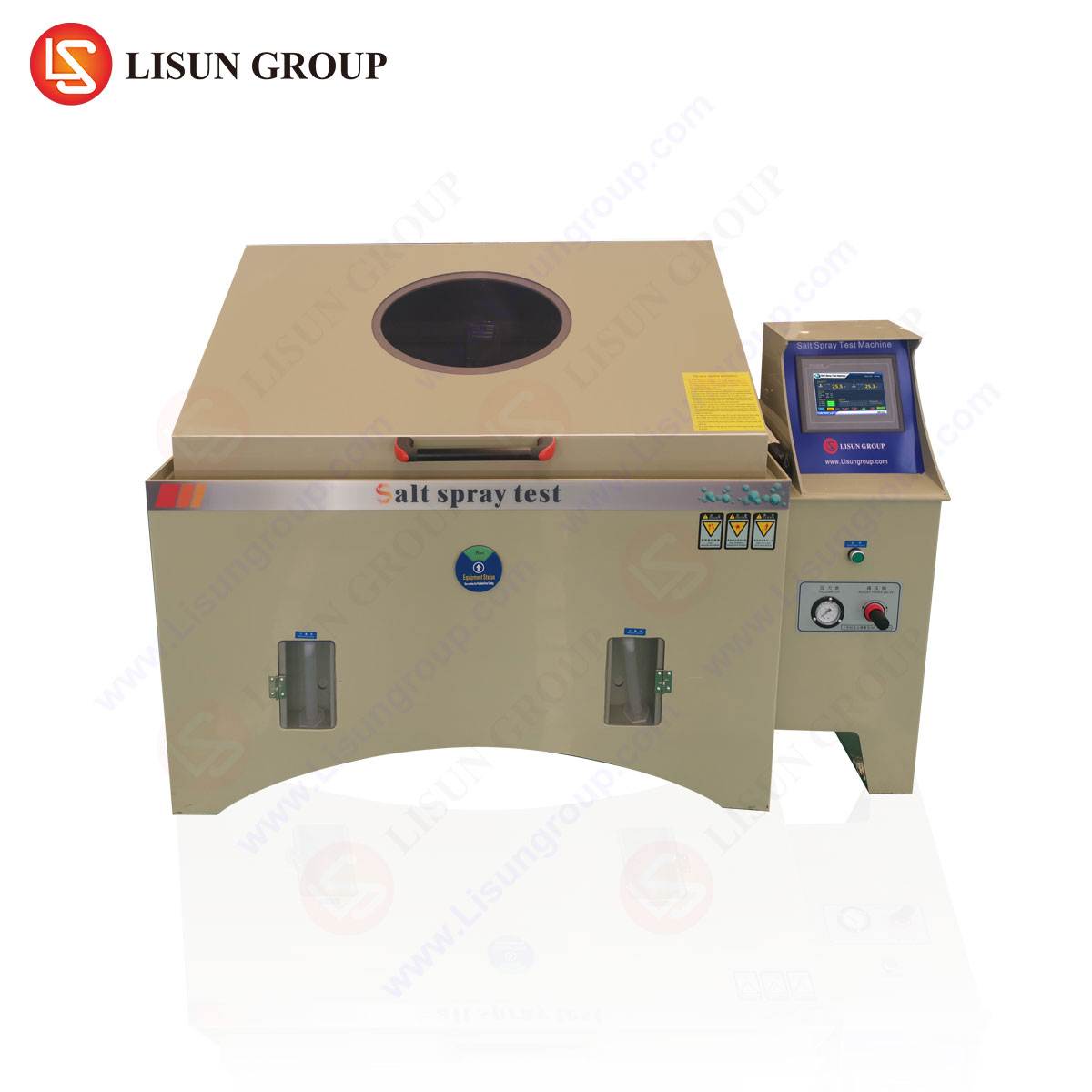
Specialized Testing Requirements: Certain applications demand bespoke features. Testing salt spray corrosion (ASTM B117) requires a chamber constructed with advanced corrosion-resistant materials and specialized misting and collection systems. Chambers designed for highly accelerated life testing (HALT) and highly accelerated stress screening (HASS) combine extreme rapid temperature ramping (up to 60°C/min) with multi-axis vibration, representing the pinnacle of complexity and cost. Testing photovoltaic modules or large automotive assemblies requires walk-in or drive-in chambers, which are essentially custom-engineered rooms.
Total Cost of Ownership: Beyond the Initial Purchase Price
A holistic price evaluation must extend beyond the capital expenditure (CAPEX) to consider the total cost of ownership (TCO) over the asset’s lifecycle.
Energy Efficiency and Operational Costs: Chambers are long-term operational fixtures with substantial power consumption. Design elements like variable-speed compressors, efficient heat exchangers, and high-density insulation reduce daily operating costs. A more energy-efficient model may command a higher initial price but yield significant savings in electricity over a 5-10 year period, offering a compelling return on investment.
Maintenance, Calibration, and Serviceability: The reliability and serviceability of the chamber directly impact operational downtime and maintenance costs. Key components like compressors, humidification systems, and controllers should be from reputable manufacturers with available service networks. Easy access to filters, drains, and electrical panels simplifies routine maintenance. Annual calibration by accredited bodies to ensure traceability to national standards (e.g., NIST, NPL) is an ongoing operational expense that must be factored into the budget.
Scalability and Future-Proofing: Consideration of future testing needs can prevent premature obsolescence. Selecting a chamber with a slightly larger workspace, a wider temperature range, or a control system capable of software upgrades may involve a marginal initial cost increase but protects the investment against evolving testing requirements.
In-Depth Product Analysis: The LISUN HLST-500D Thermal Shock Test Chamber
To illustrate the intersection of specifications, application, and value, we examine a specific product designed for rigorous compliance testing: the LISUN HLST-500D Three-Zone Thermal Shock Test Chamber.
Technical Specifications and Testing Principle: The HLST-500D is engineered for two-zone thermal shock testing. Its specifications include a high-temperature zone range of +60°C to +200°C and a low-temperature zone range of -10°C to -65°C, with a recovery time of less than 5 minutes. The test zone volume is 500 liters. The core testing principle involves pre-conditioning the high and low-temperature zones to their target extremes. Test specimens are placed in a moving basket. Upon cycle initiation, the basket rapidly transfers the specimens from the ambient test zone into the high-temperature zone for a specified dwell time (e.g., 30 minutes), then rapidly transfers them to the low-temperature zone for an equivalent dwell, completing one cycle. This induces rapid thermal stress to identify latent defects like solder joint cracks, material delamination, or component failures.
Industry Use Cases and Standards Compliance: This chamber is critical in industries where products experience severe environmental transitions. Automotive electronics manufacturers use it to test electronic control units (ECUs), sensors, and infotainment systems for reliability against engine compartment heat and external winter conditions. Aerospace and aviation component suppliers validate the resilience of avionics and communication gear. In telecommunications equipment, base station components and optical transceivers are subjected to thermal shock to ensure network reliability. Manufacturers of lighting fixtures (especially LED drivers) and industrial control systems (PLCs, drives) employ this testing to guarantee operational stability. The chamber facilitates compliance with key standards including IEC 60068-2-14 (Test N), MIL-STD-202, MIL-STD-810, and various automotive OEM specifications.
Competitive Advantages and Value Proposition: The HLST-500D’s design emphasizes precision and durability. The use of a high-efficiency German-made compressor in the low-temperature system enhances reliability and reduces long-term energy consumption. The chamber features a robust basket transfer mechanism with high-precision guidance for smooth, repeatable operation. Its touch-screen programmable controller allows for complex multi-cycle test profiles and features built-in fault diagnostics. From a TCO perspective, its construction with high-grade stainless steel and accessible service points minimizes maintenance downtime. For a quality assurance lab requiring definitive pass/fail data against aggressive thermal shock profiles, the HLST-500D represents a focused investment in reliability validation, where its price reflects the specialized engineering required for rapid transition testing rather than general-purpose conditioning.
Procurement Strategy and Final Considerations
Developing a formal User Requirements Specification (URS) is the critical first step in the procurement process. This document should detail all necessary performance parameters (range, stability, uniformity, ramp rates), physical constraints (size, utilities), compliance needs (standards, calibration), and integration requirements (software, data). This URS serves as an objective benchmark for evaluating quotations from different suppliers.
Supplier evaluation should extend beyond the equipment datasheet to encompass the company’s technical support capabilities, spare parts availability, lead times, and reputation within the relevant industry sector. Requesting references from similar organizations and, where possible, witnessing a factory acceptance test (FAT) can provide invaluable insight into build quality and performance prior to delivery.
Ultimately, the price of a climate chamber is the financial expression of its technical capability, construction quality, and operational reliability. The most economically sound decision aligns not with the lowest initial cost, but with the system that most accurately and reliably meets the defined testing requirements while minimizing total cost of ownership over its operational lifespan. Investing in appropriate capability safeguards the integrity of test data, reduces the risk of field failures, and supports the broader organizational goals of product quality and reliability.
Frequently Asked Questions (FAQ)
Q1: What is the key functional difference between a standard temperature-humidity chamber and a thermal shock chamber like the HLST-500D?
A standard temperature-humidity chamber creates a single, uniformly controlled environment and can ramp between setpoints at a defined rate. A thermal shock chamber is designed specifically to induce rapid, extreme temperature transitions. It uses separate pre-heated and pre-cooled zones and a mechanical transfer system to expose test specimens to near-instantaneous changes in temperature, simulating severe environmental shocks that a single-zone chamber cannot replicate.
Q2: Why is recovery time a critical specification for a thermal shock chamber?
Recovery time refers to the duration required for a test zone to return to its target setpoint after the chamber door is opened and the test basket is transferred in. A short recovery time (e.g., <5 minutes for the HLST-500D) is essential because it ensures the specimen begins its dwell period at the specified extreme temperature almost immediately. A long recovery time invalidates the test profile, as the specimen experiences a slow ramp rather than a sharp shock, failing to apply the intended stress.
Q3: For testing automotive electronics, would a thermal shock test replace the need for a high-low temperature cycle test?
No, these are complementary but distinct tests. A thermal shock test (e.g., using the HLST-500D) evaluates resistance to sudden, extreme transitions, such as a component being powered on in arctic conditions. A temperature cycling test, typically performed in a single-zone chamber, subjects the unit to slower, repeated cycles between high and low extremes to simulate daily thermal expansion and contraction over a product’s lifetime. Both are often required in automotive qualification protocols.
Q4: What utilities and site preparations are typically required for a chamber like the HLST-500D?
Beyond standard electrical power (typically three-phase), the chamber requires a reliable source of compressed dry air (CDA) or nitrogen for pneumatic components and door seals, and a drain line for condensate removal from the dehumidification system. The installation site must have adequate clearances for airflow, service access, and weight-bearing capacity for the chamber’s footprint. Specific requirements should be confirmed with the manufacturer’s installation manual.
Q5: How often should a climate chamber be calibrated, and what does calibration involve?
Annual calibration is the industry standard for chambers used in compliance or quality-critical testing. Accredited calibration involves placing multiple traceable sensors (for temperature and humidity) at various locations within the workspace while the chamber operates at several setpoints across its range. The readings are compared to the chamber’s display and controller setpoints, and a report is issued documenting any deviations. This ensures the integrity and traceability of all test data generated.