




Abstract
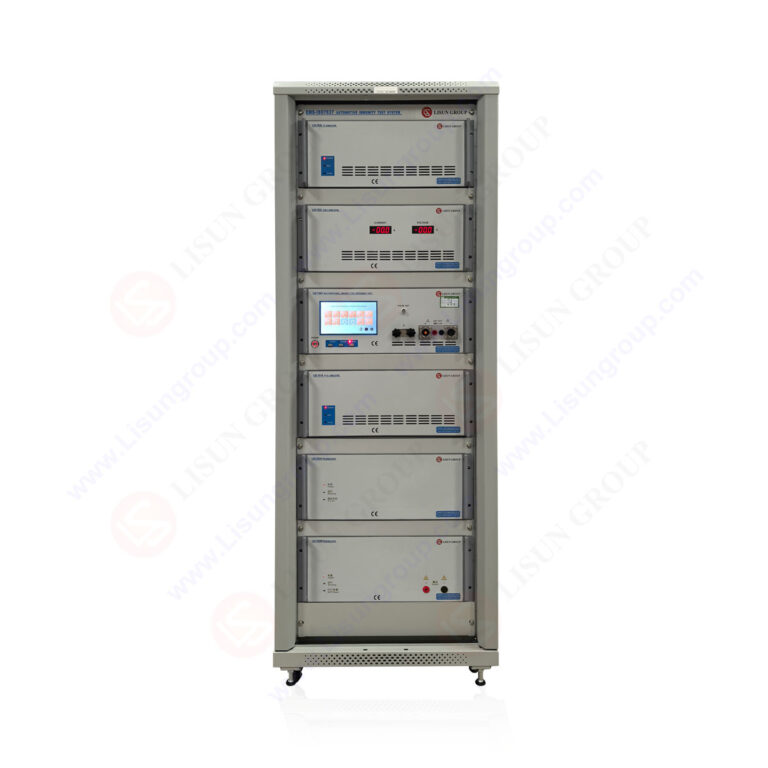
In the rigorous world of electrical accessory compliance, validating the performance and safety of switches, sockets, and other devices under realistic load conditions is paramount. The LISUN DFX series Externally Ballasted Fluorescent Lamp Test Load Cabinet is engineered to meet this critical need, providing a precise and reliable simulation of fluorescent lamp ballast loads as mandated by international standards. This specialized apparatus enables manufacturers and testing laboratories to conduct accurate endurance, temperature rise, and abnormal condition tests. By offering configurable resistive, inductive, and capacitive load components, the DFX series ensures comprehensive validation of an accessory’s electrical and thermal characteristics, directly supporting compliance with key IEC and GB standards for electrical accessories and luminaires.
1.1 The Critical Role of Realistic Load Simulation
Electrical accessories like switches, socket-outlets, and lamp holders are not merely mechanical connectors; they are integral components managing current flow under specific electrical characteristics. Testing with simple resistive loads fails to replicate the real-world stress imposed by inductive loads, such as those from fluorescent lamp ballasts. These ballasts present a complex load with specific power factor, inrush currents, and harmonic content. The DFX series Externally Ballasted Fluorescent Lamp Test Load Cabinet is purpose-built to simulate these exact conditions, ensuring that tested accessories can withstand the electrical and thermal stresses encountered in actual service, thereby preventing premature failure and safety hazards.
1.2 Core Testing Objectives Addressed by the DFX Series
The primary application of the DFX load cabinet is to execute standardized tests that assess the endurance and safety of wiring accessories. Its core functions directly address clauses in major safety standards. Key objectives include performing normal operation endurance tests (e.g., making and breaking under load), evaluating temperature rise under continuous current, and verifying performance during abnormal conditions like lamp start-up. By providing a stable, repeatable, and standards-compliant load, the DFX cabinet eliminates variability from using actual physical ballasts and lamps, which can age and degrade, thus ensuring the consistency and reliability of test results across production batches and over time.
2.1 Configurable RLC Load Network Design
The operational heart of the DFX cabinet is its configurable Resistor-Inductor-Capacitor (RLC) network. This design allows engineers to synthesize a load impedance that precisely mimics the electrical characteristics of various externally ballasted fluorescent lamps. Users can independently adjust resistive, inductive, and capacitive components to achieve the target test current, power factor, and inrush characteristics specified by standards for different lamp wattages (e.g., 20W, 40W, 60W). This modular approach provides exceptional flexibility, enabling a single cabinet to cover a wide range of test scenarios without requiring multiple, discrete ballast units.
2.2 Precision Measurement and Control Systems
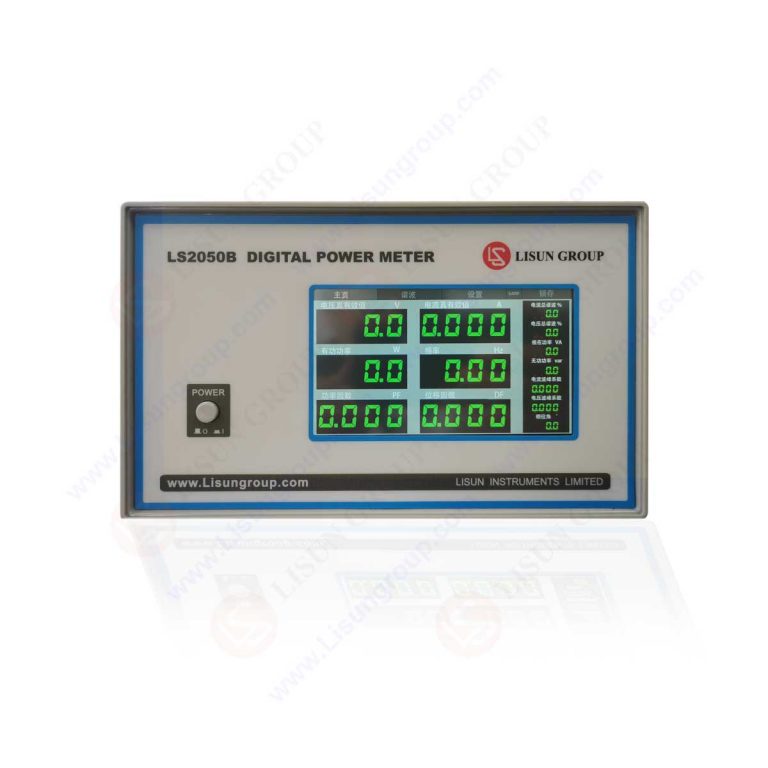
Accurate testing demands precise measurement and control. The DFX series integrates high-precision digital metering for monitoring key parameters in real-time, including output current, voltage, power, and power factor. Control systems allow for the setting of test cycles, dwell times, and automatic counting of operations. This level of control is crucial for tests like those in IEC 60669-1 Clause 19.2 (endurance test for switches) and IEC 60884-1 Clause 20 (temperature rise test for socket-outlets), where maintaining a specified current at a defined power factor for thousands of cycles is mandatory for valid compliance certification.
3.1 Alignment with Key IEC Standards
The design and function of the DFX series are intrinsically linked to international compliance requirements. It is a fundamental tool for verifying conformity with several critical IEC standards:
- IEC 60669-1 (Switches for Household & Similar Purposes): Clause 19.2 specifies the endurance test using a resistive-inductive load representing a fluorescent lamp circuit.
- IEC 60884-1 (Plugs & Socket-Outlets): Clause 20 mandates the temperature rise test, for which the DFX provides the standardized load.
- IEC 60238 (Edison Screw Lampholders): Includes requirements for testing lampholders with the appropriate ballasted lamp load.
- IEC 60598-1 (Luminaires): References the need for testing circuit components under ballasted load conditions for overall luminaire safety.
3.2 Supporting GB and Other Regional Standards
Beyond IEC standards, the DFX load cabinet is equally applicable for testing according to national standards that are harmonized with or derived from IEC frameworks. This includes the Chinese GB standards (e.g., GB 16915.1, GB 2099.1) and other regional specifications. The cabinet’s ability to be configured to the exact parameters required by these standards makes it an essential asset for manufacturers targeting global markets, ensuring that products meet the specific requirements of their intended destinations from a single, validated test platform.
4.1 Core Performance Specifications
The DFX series delivers precise and stable load simulation with the following key technical specifications:
- Power Factor Adjustment Range: Typically configurable to standard test values such as 0.5 ±0.05 (inductive) and 0.9 ±0.05 (resistive), as required by relevant clauses.
- Measurement Accuracy: High-precision metering with current measurement accuracy typically within ±(0.5% reading + 0.2% range).
- Load Capacitance Values: Integrated capacitive elements allow for power factor correction and simulation of specific circuit characteristics.
- Output Channels: Models range from single-channel to multi-channel configurations for simultaneous testing of multiple devices.
4.2 DFX Series Model Comparison Table
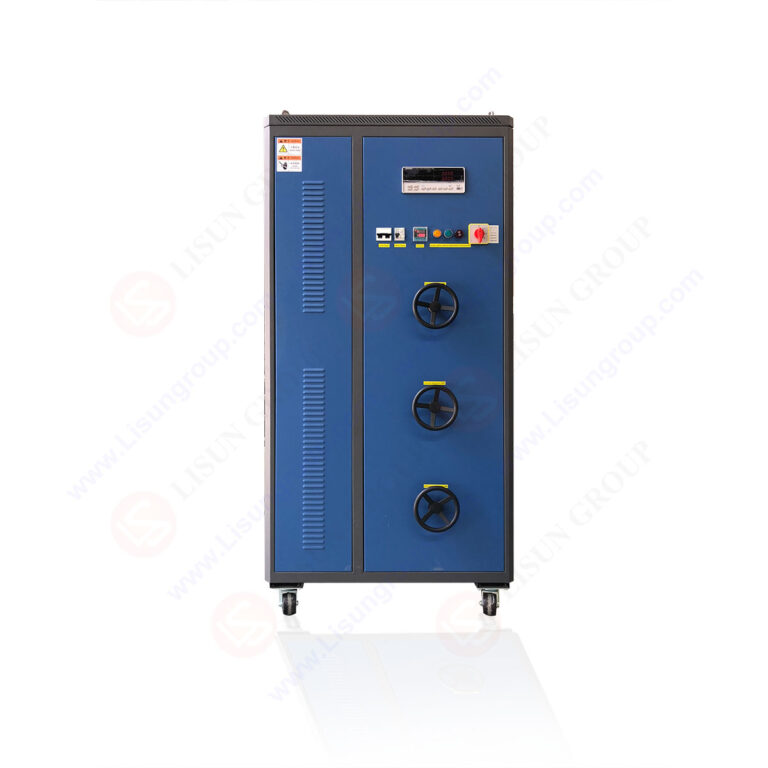
The DFX series offers a range of models to suit different laboratory throughput and testing capacity requirements. The following table compares key specifications:
| Model | Max. Output Current per Channel | Standard Channel Count | Typical Input Power | Primary Application Scope |
|---|---|---|---|---|
| DFX-20 | 20A | 1 Channel (1CH) | 220VAC, 50/60Hz | Standard single-device endurance & temp rise tests |
| DFX-20-3CH | 20A | 3 Channels (3CH) | 220VAC, 50/Hz | High-efficiency testing of three devices simultaneously |
| DFX-40 | 40A | 1 Channel (1CH) | 220VAC, 50/60Hz | Testing higher-current accessories or specific conditions |
| DFX-60 | 60A | 1 Channel (1CH) | 220VAC, 50/60Hz | High-current switchgear and industrial accessory testing |
| DFX-80 | 80A | 1 Channel (1CH) | 380VAC, 50/60Hz | Maximum capacity testing for heavy-duty applications |
5.1 Synergy with Life and Endurance Testers
The DFX load cabinet is rarely used in isolation. It forms the core load provision component within a larger compliance testing ecosystem. It is designed for seamless integration with LISUN’s CZKS series multi-station automatic life testers. In this setup, the CZKS tester automates the mechanical actuation (e.g., switching on/off) of the device under test (DUT), while the DFX cabinet supplies the standardized electrical load. This combination fully automates endurance tests requiring tens of thousands of cycles, ensuring consistent operation, eliminating operator error, and significantly improving laboratory efficiency and repeatability.
5.2 Complementary Mechanical and Environmental Testing
A comprehensive product qualification extends beyond electrical endurance. The DFX series complements other specialized test equipment within a complete lab. For instance, after electrical testing, a sample might be evaluated for mechanical robustness using a SW-6 cord pull/bending tester to assess strain relief, or undergo environmental stress testing in climate chambers. The data from the DFX’s electrical tests can be correlated with results from these mechanical tests, providing a holistic view of product durability and safety under combined stresses, as envisioned by overarching standard requirements.
6.1 Initial Configuration and Calibration
Proper operation begins with accurate configuration. The test engineer must first identify the applicable standard clause and the required test parameters (current, power factor, lamp type simulation). Using the DFX cabinet’s controls, the RLC network is adjusted to meet these precise electrical conditions. Prior to formal testing, a calibration check using a reference meter is a recommended best practice to verify the cabinet’s output accuracy. This ensures that the load applied to the DUT is exactly as specified, forming the foundation for legally defensible test reports.
6.2 Executing Standardized Test Sequences
For an endurance test, the procedure involves connecting the DUT to the DFX cabinet’s output terminals, setting the desired number of test cycles (e.g., 40,000 operations for a switch), and defining the on/off dwell times. The system then runs automatically. During temperature rise tests, the cabinet supplies a continuous current, and thermocouples attached to the DUT monitor temperature increases against standard limits. The DFX’s stability is critical here, as any fluctuation in the load current would invalidate the temperature measurements. Safety interlocks and clear status indicators on the cabinet ensure safe operation throughout these extended tests.
7.1 Comparison to Using Physical Ballasts and Lamps
The traditional method of using actual fluorescent ballasts and lamps for testing presents significant drawbacks. Physical components are subject to manufacturing tolerances, aging, and thermal drift, leading to inconsistent load characteristics over time and between tests. They also generate heat and light, requiring additional ventilation and darkening, and lack precise controllability. The following table highlights the advantages of the DFX load cabinet:
| Test Aspect | Traditional Physical Ballasts | LISUN DFX Load Cabinet |
|---|---|---|
| Load Consistency | Variable due to component aging/tolerance | Highly stable and repeatable |
| Parameter Control | Fixed; difficult to adjust PF or current | Fully configurable (R, L, C) |
| Test Repeatability | Low | Very High |
| Operational Hazards | Light/UV emission, ballast heat | Contained, no extraneous emissions |
| Standard Compliance | Hard to verify exact parameters | Easily verifiable and auditable |
7.2 Ensuring Audit-Ready Test Data and Traceability
For laboratories seeking or maintaining ISO/IEC 17025 accreditation, measurement traceability and uncertainty are paramount. The DFX series, as a calibrated instrument, provides digital readouts and often data logging capabilities that create an audit trail. This documented evidence of the exact test conditions (current, voltage, power factor) applied during the test is indispensable for generating compliant test reports and defending results during audits or product certification reviews. It transforms subjective testing into a objective, data-driven process.
The LISUN DFX series Externally Ballasted Fluorescent Lamp Test Load Cabinet represents a specialized and critical solution for the compliance-driven electrical manufacturing industry. By providing a precise, stable, and fully configurable simulation of complex ballast loads, it addresses the core requirement of key IEC and GB standards for testing switches, socket-outlets, and lampholders. Its technical architecture, centered on an adjustable RLC network and precision instrumentation, ensures that endurance, temperature rise, and abnormal operation tests are performed with unmatched repeatability and accuracy. Integration with automated life testers like the CZKS series creates a powerful, end-to-end testing workflow that enhances laboratory productivity and reliability. Ultimately, for engineers and quality managers tasked with validating product safety and durability, the DFX load cabinet is not just a test instrument but a foundational tool for risk mitigation, global market access, and building a reputation for quality and compliance.
Q1: Can the DFX-20 load cabinet simulate loads for both inductive (low power factor) and resistive test conditions required by standards?
A: Yes, absolutely. The core design feature of the DFX series is its configurable RLC (Resistor, Inductor, Capacitor) load network. This allows the engineer to independently adjust the resistive and reactive components. To simulate the inductive load of a fluorescent lamp ballast as per standards like IEC 60669-1 Clause 19.2, the inductive element is engaged to achieve a typical power factor of 0.5 ±0.05. For purely resistive test conditions, often required for other clauses or pre-tests, the inductive component can be minimized, and the cabinet is configured for a power factor of 0.9 ±0.05 or higher. This flexibility within a single unit covers the full spectrum of standard test requirements for electrical accessories.
Q2: How does the DFX-20-3CH model improve testing efficiency compared to the single-channel DFX-20?
A: The DFX-20-3CH model incorporates three independent testing channels within a single cabinet, each capable of delivering up to 20A under configured load conditions. This design significantly enhances laboratory throughput and efficiency. Instead of testing three product samples sequentially with a single-channel unit, a technician can connect three identical devices (e.g., three switches from the same production batch) and run the endurance test simultaneously. This triples the effective testing capacity, optimizes the use of laboratory space and time, and provides more statistical data in a single test run. It is ideal for high-volume production quality control or testing laboratories with high sample throughput.
Q3: What is the advantage of using the DFX load cabinet with an automated life tester like the LISUN CZKS series, rather than manual testing?
A: Manual testing for endurance, which can require tens of thousands of on/off cycles, is time-consuming, labor-intensive, and prone to human error and inconsistency in switching speed and rhythm. Integrating the DFX cabinet with a CZKS automatic life tester creates a fully automated test station. The CZKS tester precisely controls the mechanical actuation of the device under test (DUT) at a defined cycle rate and force, while the DFX supplies the consistent electrical load. This ensures perfect synchronization between the mechanical operation and the electrical load application, as required by standards. It eliminates operator variability, allows for unattended operation (including overnight/weekend runs), and guarantees the test is performed exactly as specified, leading to highly reliable and repeatable results.