




Methodologies and Equipment for Validating Enclosure Integrity Against Particulate Ingress
The operational longevity and functional reliability of electromechanical systems across diverse sectors are intrinsically linked to the integrity of their protective enclosures. Ingress of particulate matter—spanning fine dusts to coarse sands—constitutes a pervasive threat, capable of inducing abrasive wear, insulating conductive paths, obstructing mechanical actuators, and compromising thermal management. Consequently, the empirical validation of an enclosure’s defensive capabilities is not merely a quality assurance step but a fundamental engineering imperative. This discourse examines the standardized methodologies for dustproof testing, with a particular focus on the operational principles and technical implementation of chamber-based testing equipment, exemplified by the LISUN SC-015 Dust Sand Test Chamber.
Defining the Particulate Challenge: Standards and Classification Systems
International standardization bodies, primarily the International Electrotechnical Commission (IEC) and its national derivatives (e.g., ISO, DIN, GB), have established rigorous frameworks to quantify and classify protection levels. The IEC 60529 standard, commonly referenced as the IP (Ingress Protection) Code, provides a globally recognized lexicon. The code’s first numeral, specifically relevant here, denotes protection against solid foreign objects. Ratings of IP5X and IP6X are paramount for dust resistance, with distinct philosophical differences.
IP5X, “Dust Protected,” mandates that ingress of dust shall not occur in sufficient quantity to interfere with the satisfactory operation of the equipment or impair safety. Testing is conducted with a partial vacuum maintained inside the enclosure, drawing air (and dust) inward over a prolonged period, typically 2 to 8 hours. The test is considered passed if no visible dust accumulation is found on critical internal surfaces upon inspection.
IP6X, “Dust Tight,” represents a more absolute requirement. Under the same vacuum-driven test conditions, no dust ingress is permitted whatsoever. The validation is often coupled with a sensitive particle counter or, more commonly, a post-test examination so meticulous that even a trace of fine talcum powder would signify failure.
Beyond IEC 60529, industry-specific standards impose additional layers of requirement. Automotive electronics, governed by ISO 20653 (derived from DIN 40050-9), must endure not only dust but also directed blasts of sand and gravel to simulate road spray. Aerospace components, tested per RTCA DO-160 or MIL-STD-810G, face extreme particulate environments encountered during takeoff, landing, and desert operations. These standards inform the design parameters of advanced testing apparatus, demanding precise control over particulate concentration, airflow velocity, and test duration.
Architectural Principles of Modern Dust Testing Chambers
The core function of a dust test chamber is to generate, sustain, and uniformly distribute a calibrated cloud of test dust within a controlled volume. The architectural realization of this function involves several integrated subsystems working in concert.
The test chamber itself is a sealed workspace, typically constructed from stainless steel for corrosion resistance and ease of decontamination. A viewing window of laminated safety glass, equipped with wipers or air knives to maintain visibility, allows for real-time observation. Internal racks or rotary tables are standard, the latter providing a tumbling motion to ensure all facets of a test specimen are exposed, crucial for products like connectors or portable consumer electronics.
The dust dispensing system is the heart of the equipment. It employs a fluidized bed principle or a mechanical agitation mechanism to aerosolize the test dust. A controlled stream of dry, filtered compressed air is introduced at the base of a dust reservoir, lifting and mixing the powder into a suspended state. This aerosol is then injected into the main chamber via a network of nozzles. The particle concentration within the chamber, measured in grams per cubic meter, must be held within strict tolerances as dictated by the referenced standard. This is achieved through closed-loop feedback systems that modulate air and dust feed rates.
The air circulation and conditioning system serves a dual purpose. First, it ensures homogeneous distribution of the dust cloud, preventing dead zones where the specimen would be under-tested. Second, it manages the critical pressure differential. For IP5X and IP6X tests, a vacuum pump extracts air from the interior of the test specimen (if it is not sealed), creating a pressure lower than the chamber atmosphere. This negative pressure, maintained within a specified range (e.g., 2 kPa to 20 kPa below ambient), provides the driving force for potential ingress. The chamber must maintain stable, slightly positive pressure relative to the external laboratory to contain the dust.
Dust recovery and filtration form the final, vital subsystem. After a test cycle, the suspended dust must be settled and reclaimed to minimize waste and cross-contamination. Sophisticated chambers integrate cyclonic separators and HEPA filtration systems that evacuate the chamber air, capture over 99.97% of particulates, and return clean air to the laboratory environment, adhering to workplace safety regulations.
Operational Analysis of the LISUN SC-015 Dust Sand Test Chamber
The LISUN SC-015 embodies a contemporary implementation of these principles, engineered to address the testing protocols of IEC 60529, ISO 20653, and analogous GB standards. Its design prioritizes repeatability, user safety, and operational efficiency across the spectrum of industries from automotive to aerospace.
Testing Principles and Mechanical Execution: The chamber utilizes a bottom-mounted fluidized bed dust injection system. Talcum powder, standardized per IEC 60529 to a specific particle size distribution (≤ 75µm for dust, with options for Arizona Road Dust or other sands for automotive tests), is loaded into a dedicated reservoir. Dry, oil-free compressed air fluidizes the powder, which is then transported through a venturi nozzle into the main test space. A large-diameter rotary table, with adjustable speed (typically 1-5 RPM), ensures omnidirectional exposure of the test item. For vacuum testing, a regulated vacuum system connects to the specimen via a sealed port, with the pressure differential displayed and logged digitally.
Technical Specifications and Key Features:
- Chamber Volume: 0.5 cubic meters (SC-015), providing ample space for most components and small assemblies.
- Dust Concentration: Programmable and visually monitored, with a target range of 2-5 kg/m³ for dust tests, adjustable per standard.
- Airflow Velocity: Controllable up to 5 m/s for sand blowing tests as per automotive specifications.
- Rotary Table: Diameter of 600mm, load capacity ≥ 50kg, with variable speed control.
- Vacuum System: Range of 0-10 kPa adjustable, with digital display and sustaining capability for tests exceeding 8 hours.
- Control System: Microprocessor-based touchscreen PLC controller. It allows for programmable test cycles (dust feed duration, pause, rotation, total test time), real-time monitoring of key parameters, and data logging.
- Safety & Filtration: Integrated HEPA exhaust filter with reverse-pulse cleaning mechanism, emergency stop, and overtemperature protection for the blower motor.
Industry Use Cases and Application: The versatility of the SC-015 is demonstrated in its application across vertical markets. Automotive electronics suppliers use it to validate the resilience of engine control units (ECUs), sensors, and infotainment systems to road dust (IP5X/6X) and directed sand spray. Lighting fixture manufacturers test IP-rated outdoor and industrial luminaires to ensure optical surfaces remain clear and internal drivers are protected. Telecommunications companies verify the integrity of 5G outdoor radio units and fiber optic terminal enclosures. In medical devices, it ensures that portable diagnostic equipment or surgical tools can withstand particulate exposure in ambulances or field hospitals. Aerospace testing might involve connectors and avionics boxes that must remain functional in sandy environments.
Competitive Advantages in Engineering Context: The SC-015’s design offers several tangible benefits. Its fully programmable automation reduces operator intervention and variability, enhancing test repeatability. The integrated high-efficiency filtration system addresses a significant operational pain point—laboratory contamination and cleanup—while ensuring operator safety. The robust construction and use of corrosion-resistant materials contribute to lower maintenance costs and extended service life. Furthermore, its compliance with multiple international standards makes it a singular solution for manufacturers serving global markets, eliminating the need for multiple, specialized test setups.
Interpreting Results and Correlating Test Data to Field Performance
A successful dustproof test is a binary outcome per the standard: pass or fail. However, the forensic analysis of a test provides richer, actionable engineering data. Post-test dissection of the specimen reveals not just if ingress occurred, but where and how. Common failure points include gasket interfaces, cable glands, button membranes, and seams in welded or glued enclosures.
The correlation between controlled chamber testing and real-world field performance is probabilistic. An IP6X rating does not guarantee eternal protection but provides a high-confidence indicator that the enclosure will withstand severe particulate environments for its design life. For instance, a switchgear cabinet rated IP6X and installed in a cement plant can be expected to prevent the fine limestone dust prevalent in that environment from contacting busbars and relays, thereby preventing tracking faults and insulation breakdown. The test simulates a concentrated, accelerated version of years of exposure.
Quantitative data, such as the precise pressure differential maintained and the exact dust concentration, allows for comparative analysis between product generations or different sealing technologies. This data-driven approach facilitates continuous improvement in design, material selection (e.g., moving from silicone to fluorosilicone gaskets for better resistance to fine powders), and assembly processes.
Integration into Broader Product Validation and Reliability Engineering
Dustproof testing is seldom an isolated event. It is a critical node within a comprehensive product validation workflow, often performed in sequence with other environmental stress tests. A typical regimen might involve:
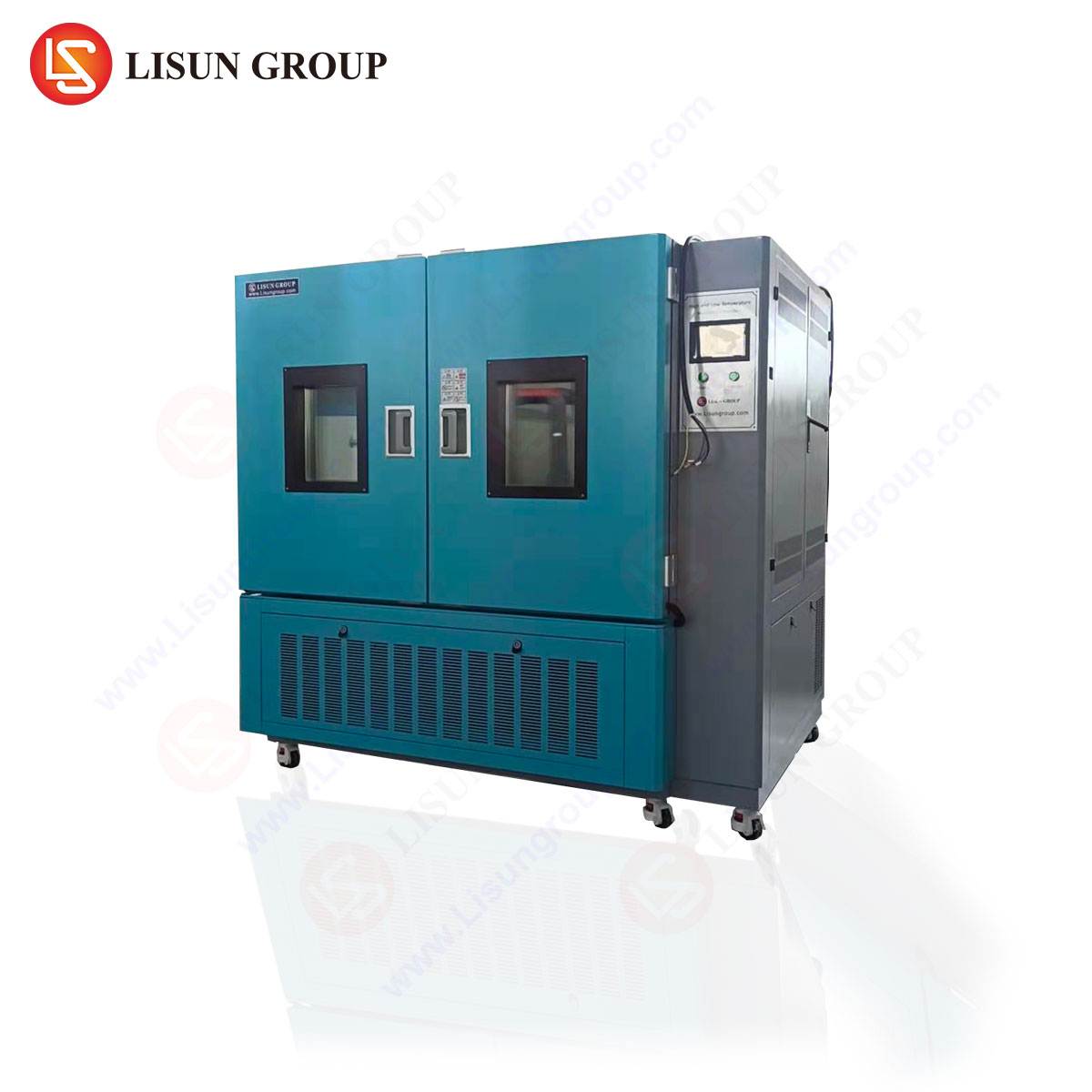
- Thermal Cycling: To stress seals and materials.
- Vibration/Shock: To simulate transport and operational stresses that may loosen fasteners.
- Dust Ingress Testing (IP5X/6X): To validate sealing integrity after mechanical stress.
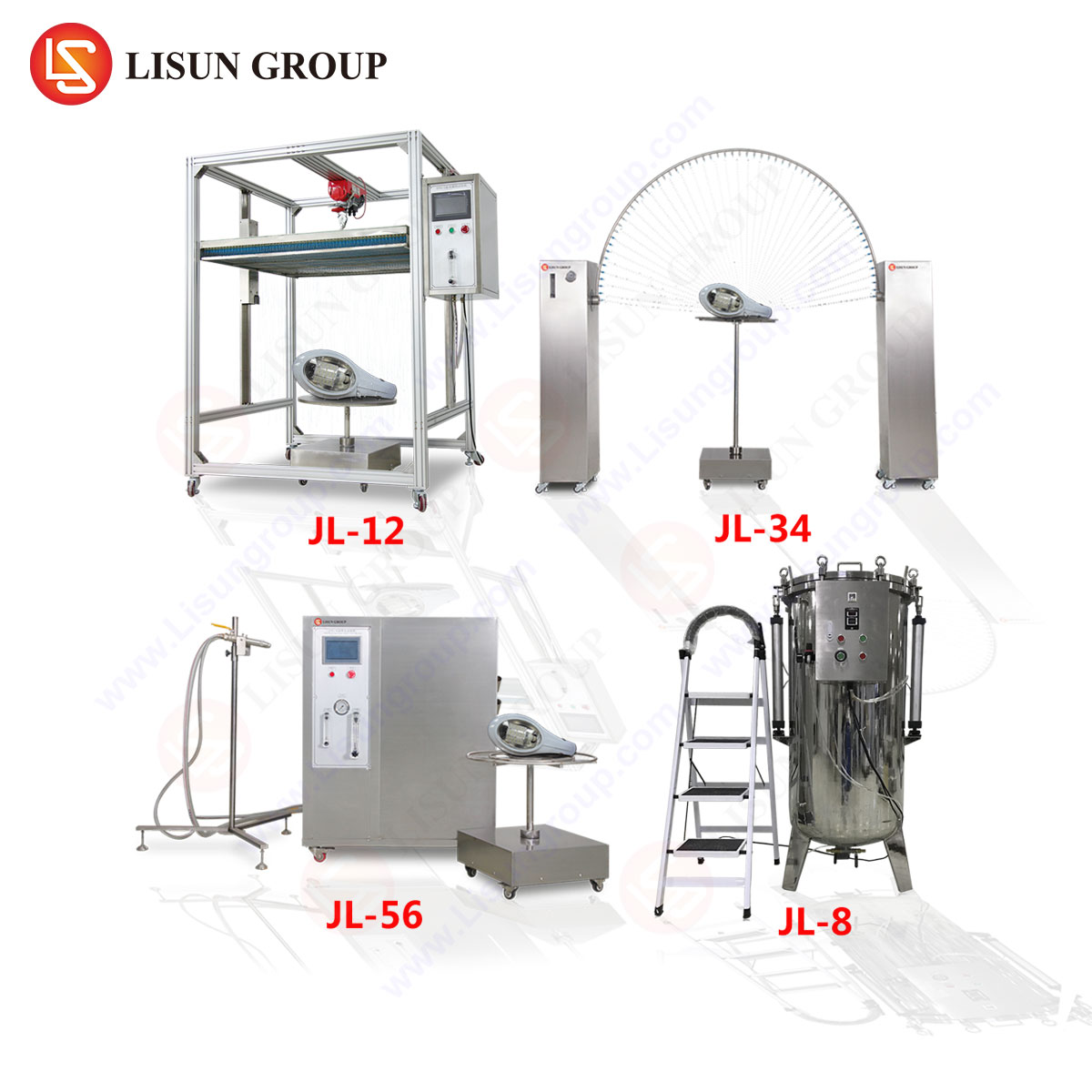
- Water Ingress Testing (IPX7/X8): Often performed subsequently, as a compromised dust seal will likely also fail against liquids.
This sequential stressing is particularly relevant for industrial control systems and electrical components like switches and sockets, which may be installed in harsh environments subject to temperature swings, machinery vibration, and pervasive dust. The integration of test results from this battery of evaluations provides a holistic assessment of product robustness, feeding directly into reliability predictions like Mean Time Between Failures (MTBF) and lifecycle cost analyses.
Frequently Asked Questions (FAQ)
Q1: What is the difference between using “talcum powder” and “Arizona Road Dust” in a test, and which standard mandates which?
A1: The choice of test dust is prescribed by the applicable standard. IEC 60529 for general IP ratings specifies the use of finely ground talcum powder, with a prescribed particle size distribution (e.g., 95% < 75µm). This simulates fine, airborne dust. ISO 20653 for automotive applications, and often MIL-STD-810, specify Arizona Road Dust (a blended silicate) or similar coarse sands. This is intended to replicate the abrasive, larger particulates encountered on roads and in off-highway conditions. The test chamber must be capable of handling both types effectively.
Q2: For an IP6X test, how is “zero ingress” definitively determined if the internal components cannot be visually inspected?
A2: The standard acknowledges this limitation. For fully sealed units with no internal access, the test is typically run under prescribed vacuum conditions. The pass/fail criterion then shifts from visual inspection to a functional one. After exposure, the specimen undergoes a full functional test. Any deviation from pre-test performance parameters—such as increased contact resistance in a switch, altered sensor output, or failure to power on—is considered evidence of ingress and constitutes a test failure.
Q3: Can a chamber like the LISUN SC-015 test for both dust (IP5X/6X) and water jets (IPX5/X6)?
A3: While some combination chambers exist, they are specialized and less common. The SC-015 is designed specifically for dry particulate testing. Water ingress testing requires a fundamentally different apparatus: high-pressure nozzle arrays, water tanks, and drainage systems designed to handle large volumes of liquid. Conducting both tests in the same chamber would lead to cross-contamination and damage to the dust dispersion system. Best practice and accreditation standards typically require separate, dedicated equipment for dust and water testing to ensure integrity and accuracy for each discipline.