







A Comprehensive Framework for Electrical Plug Safety Testing: Methodologies, Standards, and Instrumentation
Introduction to Plug and Socket Safety Imperatives
The ubiquitous plug and socket interface serves as the critical juncture between electrical distribution networks and end-use equipment. Its performance directly influences user safety, equipment longevity, and system reliability. Failures at this interface can precipitate catastrophic consequences, including electric shock, fire ignition, and equipment damage. Consequently, rigorous safety testing is not merely a regulatory formality but a fundamental engineering discipline. This article delineates the core principles, standardized methodologies, and advanced instrumentation essential for comprehensive plug and socket safety evaluation, with particular emphasis on the role of precision gauging systems in ensuring compliance and mitigating risk.
Deconstructing Mechanical Safety: Dimensions, Engagement, and Withdrawal Forces
Mechanical integrity forms the first line of defense in plug safety. Dimensional conformity is paramount; deviations from specified tolerances can compromise the security of electrical contact, leading to overheating, or create hazardous accessibility to live parts. Testing in this domain involves verifying critical parameters such as pin dimensions, pin spacing, plug body profile, socket aperture geometry, and shutter mechanism operation. The assessment extends beyond static measurements to dynamic performance. Insertion and withdrawal forces must be calibrated within strict boundaries. Excessive insertion force can damage socket contacts and strain users, while insufficient withdrawal force may result in accidental disconnection or an insecure connection that arcs and overheats. Conversely, withdrawal force must be adequate to ensure a stable connection but not so high as to pose a risk of injury or damage to the cord when unplugging. Specialized plug gauges, pin gauges, and force gauges are employed to quantify these attributes against the precise limits set by international standards.
Electrical Performance Validation: Contact Resistance, Temperature Rise, and Dielectric Strength
Once mechanical suitability is established, electrical performance under load must be scrutinized. A primary metric is contact resistance at the pin-socket interface. Elevated resistance, often due to surface contamination, inadequate contact pressure, or material degradation, leads to localized Joule heating (I²R losses). This temperature rise is a precursor to thermal runaway, insulation failure, and fire. Standardized tests, such as those outlined in IEC 60884-1, subject the assembly to a rated current for a prolonged period while monitoring temperature rise at designated points, ensuring it remains within safe limits (typically 50K for many materials). Dielectric strength, or hipot testing, evaluates the insulation system’s ability to withstand transient overvoltages without breakdown. A high voltage, significantly above the operational rating, is applied between live parts and accessible conductive surfaces to verify sufficient creepage and clearance distances and insulation integrity. Earth continuity resistance testing is equally critical for earthed plugs, ensuring a low-impedance path for fault currents, which is essential for the proper operation of protective devices like circuit breakers.
Evaluating Durability and Endurance: Simulating Operational Lifetime
Plugs and sockets are subjected to repeated mating cycles throughout their service life. Durability testing simulates this wear to assess long-term reliability. Automated test equipment performs thousands of insertion-withdrawal cycles on samples, after which the units are re-evaluated for mechanical fit, electrical continuity, and temperature rise. This process identifies potential failure modes such as contact spring fatigue, pin erosion, or housing degradation. Complementary to this is cable anchorage testing, which assesses the strain relief mechanism’s ability to withstand mechanical stress on the cable, preventing tension from being transmitted to electrical connections and reducing the risk of wire breakage or terminal loosening.
Safety Against Environmental and Abnormal Conditions
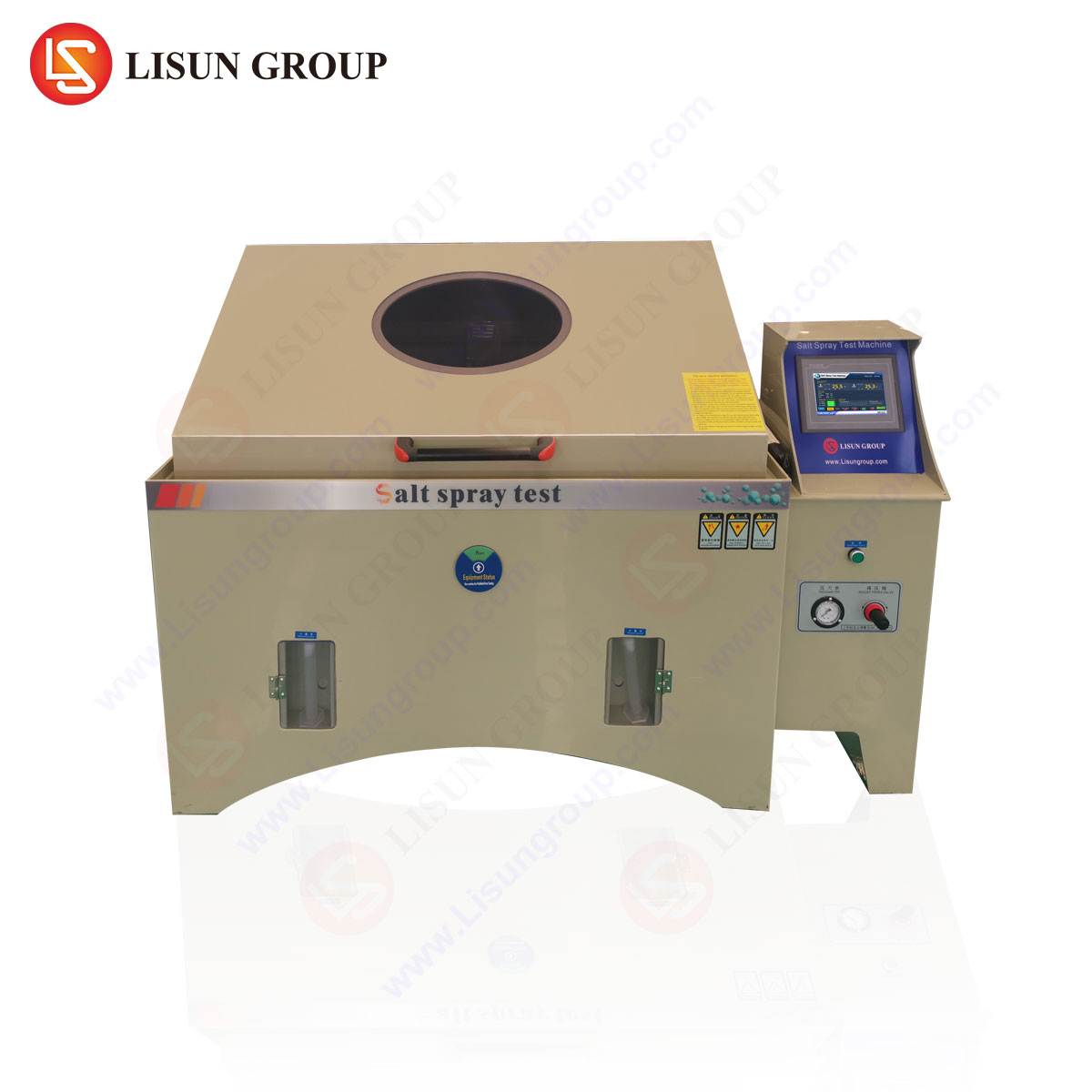
Robust safety testing must account for non-ideal operating environments and misuse. Damp heat cycling tests evaluate material stability and insulation resistance under high-humidity conditions. Flammability testing determines the self-extinguishing properties of insulating materials. Resistance to heat, cold, and impact are verified to ensure physical robustness. Furthermore, tests for resistance to arcing under abnormal conditions, such as partial insertion or slow withdrawal under load, are critical for assessing fire risk. These comprehensive environmental and stress tests ensure the product remains safe beyond controlled laboratory conditions.
The Central Role of Precision Gauging: LISUN Gauges for Plugs and Sockets
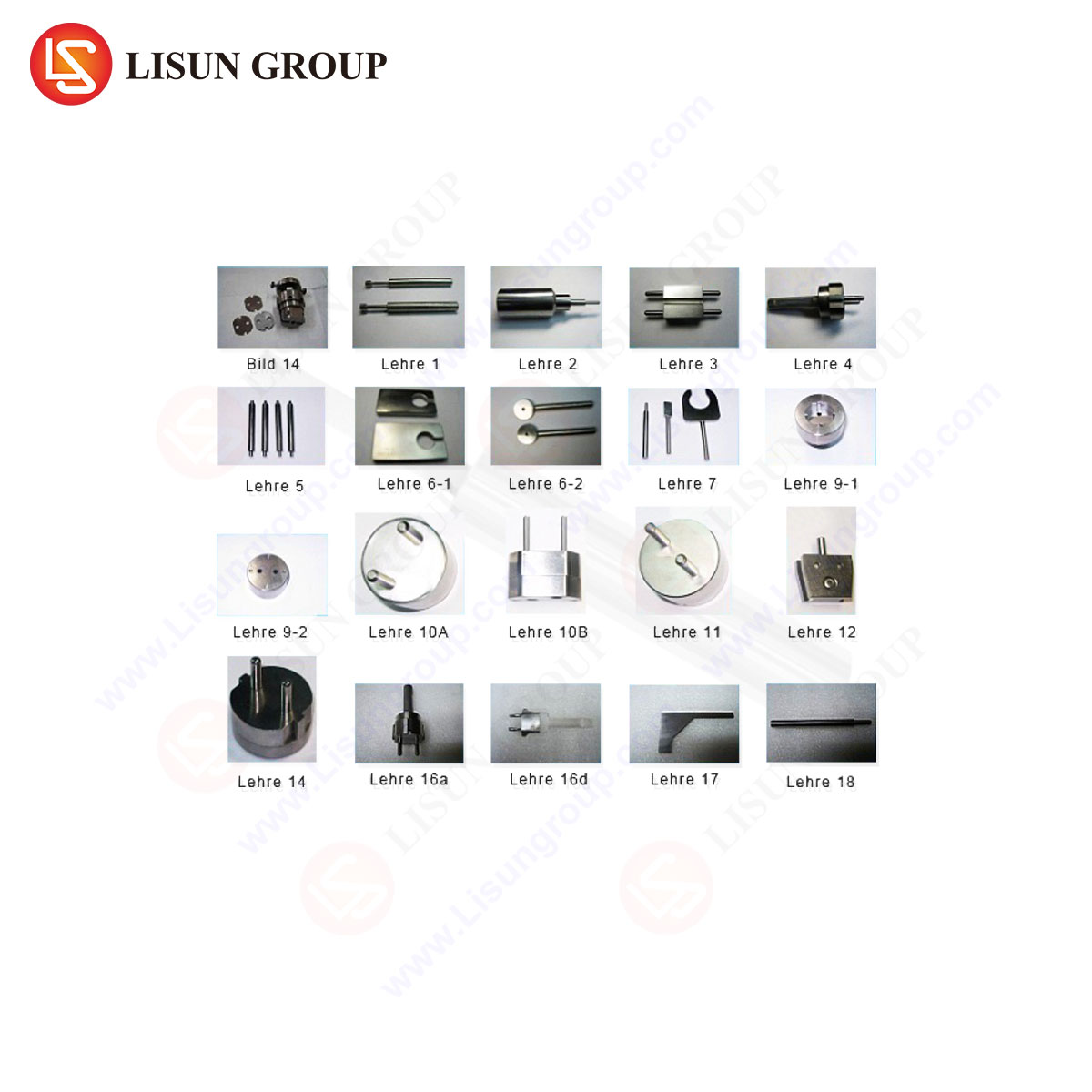
Within this rigorous testing ecosystem, precision gauging instruments provide the definitive, repeatable measurements required for certification. The LISUN series of gauges for plugs and sockets exemplifies this category of essential test equipment. Engineered to the exacting dimensional specifications of international standards (e.g., IEC, BS, EN, AS/NZS, GB), these gauges are the arbiter of mechanical compliance.
The product line encompasses a suite of specialized tools:
- Plug Gauge Checkers: For verifying overall plug contour, pin configuration, and dimensional limits.
- Pin Gauges: Precision-ground cylinders for measuring pin diameter and length.
- Socket Gauge Probes: For checking socket contact dimensions, entry apertures, and shutter functionality.
- Force Gauges: Integrated or standalone devices for quantifying insertion and withdrawal forces to within tenths of a Newton.
- Cable Pull & Torque Gauges: For validating cable anchorage and terminal security.
The operational principle is one of calibrated physical interaction. A “GO/NO-GO” methodology is frequently employed, where a gauge must fit (or not fit) a specific feature to indicate compliance. For instance, a standardised test pin of defined dimensions must not make contact with live parts when inserted into a socket with shutters in the closed position. The LISUN gauges are manufactured from hardened, stable materials like tool steel to resist wear and maintain calibration over thousands of inspections, ensuring measurement traceability.
Industry Applications and Compliance Workflows
The application of these gauges spans the entire product lifecycle. In research and development, engineers use them to validate prototypes against target market standards. During production, quality assurance teams implement statistical process control, sampling products from the line for rapid gauge verification to catch manufacturing drift. At independent testing laboratories and certification bodies (e.g., UL, TÜV, Intertek), LISUN gauges serve as the reference instruments for granting safety marks. Their use is mandated in the test sequences of virtually all plug and socket safety standards, making them indispensable for market access. A manufacturer targeting global exports, for example, would utilize distinct gauge sets to verify compliance with the dimensional requirements of UK BS 1363, EU Schuko (CEE 7/7), North American NEMA configurations, and Australian AS/NZS 3112, ensuring each product variant is mechanically sound for its intended region.
Technical Advantages of Modern Gauge Systems
The competitive advantage of a comprehensive gauge system like LISUN’s lies in its integration, accuracy, and durability. A unified system, sourced from a single provider, guarantees dimensional harmony between all gauges, eliminating conflicts that can arise from mixing instruments from different manufacturers. The metallurgical treatment and precision grinding techniques result in exceptionally low tolerances, often within ±0.005mm, providing unambiguous pass/fail judgments. Furthermore, the ergonomic design of gauges, such as knurled handles and clearly marked “GO” and “NO-GO” ends, reduces operator error and increases inspection throughput. In an industry where liability hinges on demonstrable compliance, the reliability and certification-backed accuracy of these tools provide critical risk mitigation.
Integration with Broader Test Systems and Data Management
While manual gauging remains vital for spot checks and specific dimensional verification, the trend in high-volume manufacturing is toward automation. Modern test benches integrate programmable force gauges and robotic actuators to perform sequenced insertion/withdrawal force tests automatically, logging each data point for analysis. The dimensional data from manual gauge checks can be fed into broader Quality Management System (QMS) software, creating a complete digital record of product compliance. This data-driven approach facilitates trend analysis, predictive maintenance of tooling, and streamlined audit processes.
Conclusion: The Unwavering Standard for Safety
Electrical plug safety testing constitutes a multi-faceted technical discipline, intertwining mechanical engineering, electrical theory, and materials science. Its structured framework, codified in international standards, provides a proven pathway to hazard reduction. Within this framework, precision gauging instruments are not mere accessories but foundational tools that translate abstract standard clauses into concrete, binary compliance decisions. The meticulous application of such equipment, as exemplified by dedicated gauge sets, ensures that the most common point of electrical interface—the plug and socket—remains a bastion of safety, reliability, and performance in everyday use.
FAQ Section
Q1: How often should plug and socket gauges be recalibrated to ensure accuracy?
Recalibration intervals depend on usage frequency, material wear, and quality system requirements (e.g., ISO 17025). For active production or testing labs, an annual calibration cycle is typical. High-use gauges may require semi-annual checks. Calibration must be performed by an accredited laboratory using reference standards traceable to national metrology institutes to maintain measurement integrity.
Q2: Can one set of universal gauges check all international plug types?
No. Due to the significant dimensional and configuration differences between standards (e.g., British, European, American, Australian), a dedicated gauge set is required for each specific plug and socket standard. A comprehensive testing facility will maintain multiple sets, each engineered to the exact specifications of IEC 60884-1, BS 1363, AS/NZS 3112, or other relevant national annexes.
Q3: What is the most common mechanical failure mode detected by gauge testing?
Non-conformance in pin dimensions or excessive plug body size is frequently detected. Undersized pins can lead to poor contact and overheating, while oversized pins or plug bodies can damage sockets, strain shutters, or create hazardous fitting issues. Gauge testing provides the first and most efficient check for these manufacturing defects.
Q4: Beyond gauges, what is the next critical test for a newly manufactured plug?
Following dimensional verification, electrical testing is paramount. The sequential test protocol typically proceeds to earth continuity resistance (for earthed types), followed by dielectric strength (hipot) testing, and then temperature rise testing under full rated load. These tests validate the electrical safety of the unit after its mechanical conformity is established.
Q5: How does gauge testing contribute to product liability risk management?
A documented gauge-check procedure with calibrated tools provides objective, reproducible evidence of due diligence in design and manufacturing. In the event of a safety incident, records proving consistent compliance with dimensional standards form a robust technical defense, demonstrating that the product was designed and produced to meet recognized safety norms before leaving the factory.