


A Technical Analysis of Global Electrical Socket and Plug Standards: Harmonization, Compliance, and Precision Measurement
Introduction: The Imperative of Standardization in a Connected World
The global proliferation of electrical devices and the increasing mobility of populations and goods have rendered the compatibility between plugs and sockets a critical concern for safety, trade, and user convenience. Unlike many other technological domains, electrical connection interfaces remain stubbornly fragmented across national and regional boundaries. This divergence is not merely an inconvenience for travelers; it represents a significant engineering challenge for manufacturers, a potential safety hazard due to misuse, and a barrier to international commerce. The development, enforcement, and verification of these standards constitute a complex ecosystem involving international bodies like the International Electrotechnical Commission (IEC), national standards organizations, testing laboratories, and manufacturers. At the core of ensuring safety and performance lies the precise measurement and validation of plug and socket geometry, electrical characteristics, and mechanical durability. This article examines the landscape of primary plug and socket standards, the technical parameters they define, and the sophisticated metrology required to ensure compliance, with a specific focus on the role of advanced gauge systems such as those developed by LISUN.
Architectural Divergence: Deconstructing Major Global Plug and Socket Families
The physical form factor of plugs and sockets is governed by a matrix of dimensional, mechanical, and electrical parameters. While voltage and frequency are separate considerations, the interface geometry is the first line of defense against incorrect mating and potential hazards. The most prevalent families include:
- IEC Type A & B (NEMA 1-15 & 5-15): Predominant in North America, Japan, and parts of Central and South America. Characterized by parallel flat blades (Type A) with an optional grounding pin (Type B). The NEMA 5-15 socket features a neutral slot that is wider than the live slot, enforcing polarization.
- IEC Type C (CEE 7/16 Europlug): The unearthed, two-pin plug used across Europe for low-power, double-insulated devices. Its rounded pins and flexible design allow it to mate with several socket types (E, F, J, etc.), though not always with grounding.
- IEC Type G (BS 1363): The fused, three-rectangular-pin plug standard in the United Kingdom, Ireland, Malta, and several former British colonies. Its design incorporates shutters on the live and neutral socket apertures, which are only opened by the insertion of the longer earth pin, a key safety feature.
- IEC Type I (AS/NZS 3112): Used in Australia, New Zealand, China, and Argentina, featuring two flat V-shaped blades forming an inverted ‘V’ and a vertical grounding pin.
- IEC Type F (CEE 7/4 “Schuko”): The German-origin “Schutzkontakt” plug, common across continental Europe. It utilizes two round pins with top and bottom grounding clips, offering a robust, recessed connection.
Each standard specifies exhaustive dimensional tolerances for pin width, thickness, length, spacing, and profile. For instance, BS 1363 mandates precise dimensions for the rectangular pins, including chamfer angles and the exact position of the fuse assembly within the plug body. Similarly, NEMA standards define the specific blade taper and the dimensional relationship that enforces polarization.
The Metrological Foundation: Gauging Compliance in Plug and Socket Manufacturing
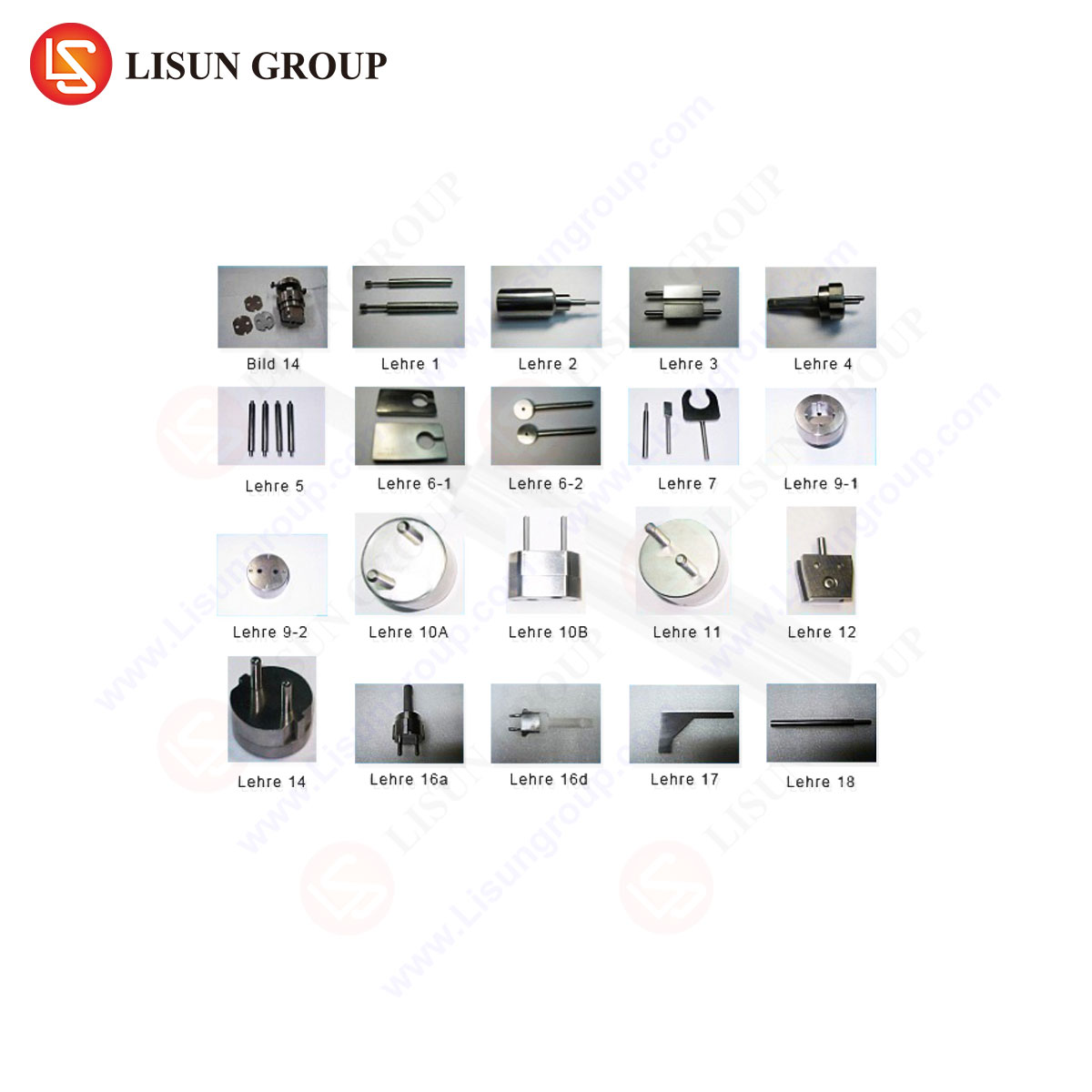
Verification of physical compliance is not achievable through simple calipers or manual inspection due to the complexity of “Go/No-Go” assessments and the critical nature of safety margins. Specialized plug and socket gauges are engineered as physical embodiments of the standard’s extreme dimensional limits. These gauges, typically crafted from hardened steel or other durable materials, serve as master references to test both components.
A comprehensive gauge set for a standard like IEC 60884-1 includes multiple tools:
- Plug Gauge (Check Gauge): Used to verify that a manufactured plug fits correctly into a reference socket. It tests the maximum allowable dimensions of the plug.
- Socket Gauge: Used to verify that a manufactured socket accepts a reference plug correctly. It tests the minimum allowable dimensions of the socket receptacle.
- Pin Gauges: Individual “Go” and “No-Go” gauges for pin thickness, width, and length.
- Special Feature Gauges: Tools to assess safety shutters, insertion/withdrawal force, contact engagement, and earth pin prominence.
The principle is one of simulated worst-case mating. A “Go” gauge, representing the maximum permissible plug size or minimum permissible socket size, must fit with appropriate ease. A “No-Go” gauge, representing dimensions beyond the specification limits, must not fit or must only fit with explicitly defined resistance. This binary pass/fail methodology ensures interoperability and safety across all compliant products within the tolerance band.
LISUN Gauges for Plugs and Sockets: Precision Instrumentation for Global Standards
LISUN manufactures a comprehensive suite of precision gauges and testing equipment designed to validate compliance with the majority of international and national plug and socket standards. These instruments are employed by certification bodies (e.g., UL, TÜV, Intertek), quality assurance laboratories within manufacturing facilities, and standards enforcement agencies.
Specifications and Testing Principles: LISUN gauge sets are machined to exacting tolerances, often exceeding those of the standards they test, to ensure measurement integrity. A typical set for a given standard includes the full array of plug, socket, and pin gauges. The testing procedure is systematic:
- Dimensional Verification: Using the appropriate “Go” and “No-Go” pin gauges to check the critical dimensions of a plug’s pins.
- Form Factor Assessment: Using the master plug gauge to verify overall geometry and pin alignment can successfully engage with a reference socket.
- Socket Compliance: Using the master socket gauge to ensure a production socket accepts a reference plug without undue force and properly rejects a “No-Go” plug gauge.
- Mechanical Safety Feature Test: Utilizing specialized gauges to verify the operation of shutters (e.g., in Type G sockets), the required force to open them via the earth pin, and the correct sequencing of contact engagement.
Industry Use Cases and Competitive Advantages: The primary application is in the quality control pipeline for manufacturers of plugs, sockets, power strips, and electrical appliances. By integrating LISUN gauges into their production line sampling or 100% inspection processes, manufacturers can:
- Prevent Non-Conformance: Catch dimensional drift in injection molding tools or stamping processes before it results in batch failure.
- Expedite Certification: Provide auditable evidence of compliance to notified bodies, streamlining the product certification process.
- Ensure Global Market Access: Maintain separate gauge sets for each target market (e.g., BS 1363 for the UK, AS/NZS 3112 for Australia), ensuring a single production line can output compliant products for multiple regions.
- Mitigate Safety Risks: Proactively identify sockets with incorrectly tensioned contacts or plugs with undersized pins that could lead to overheating and fire hazard.
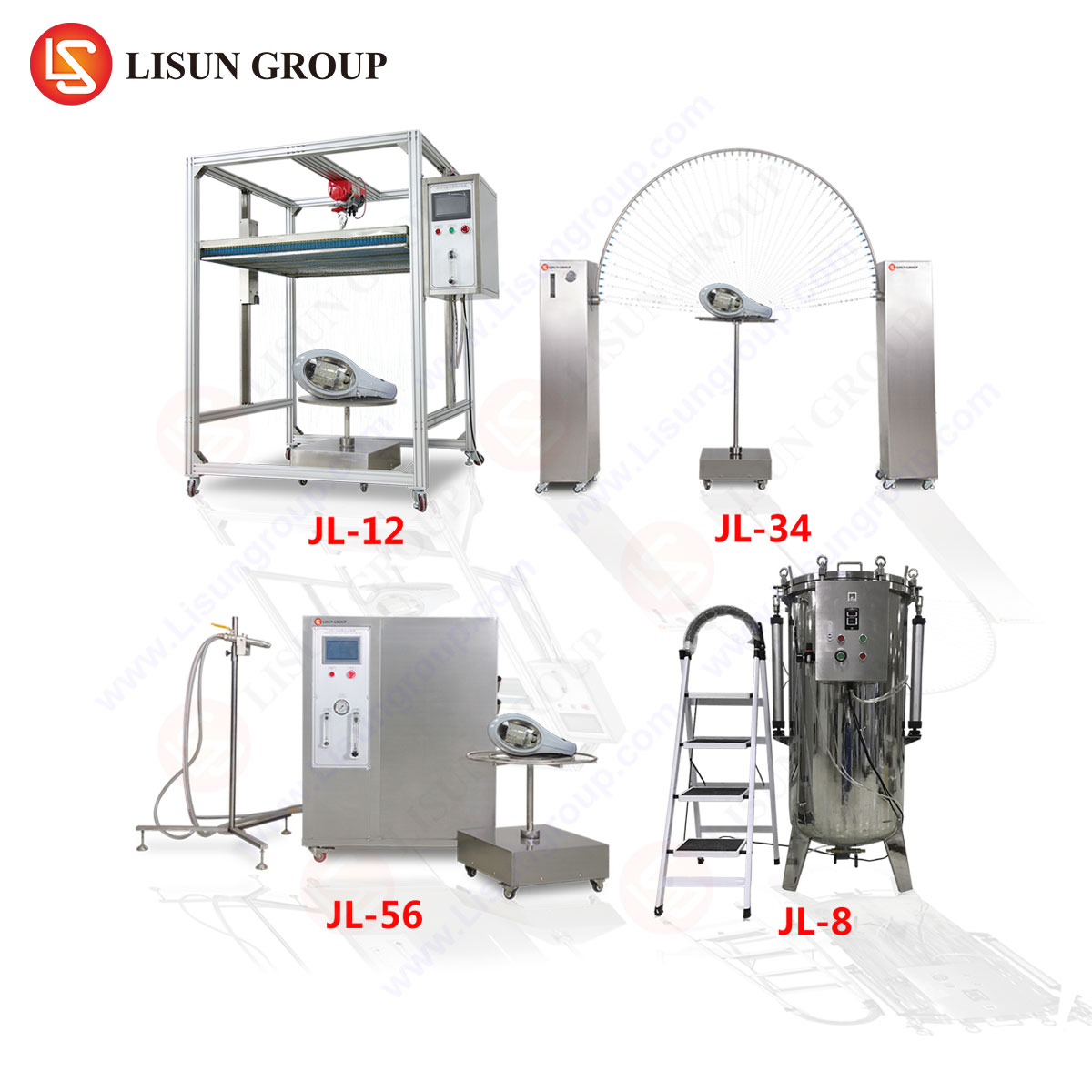
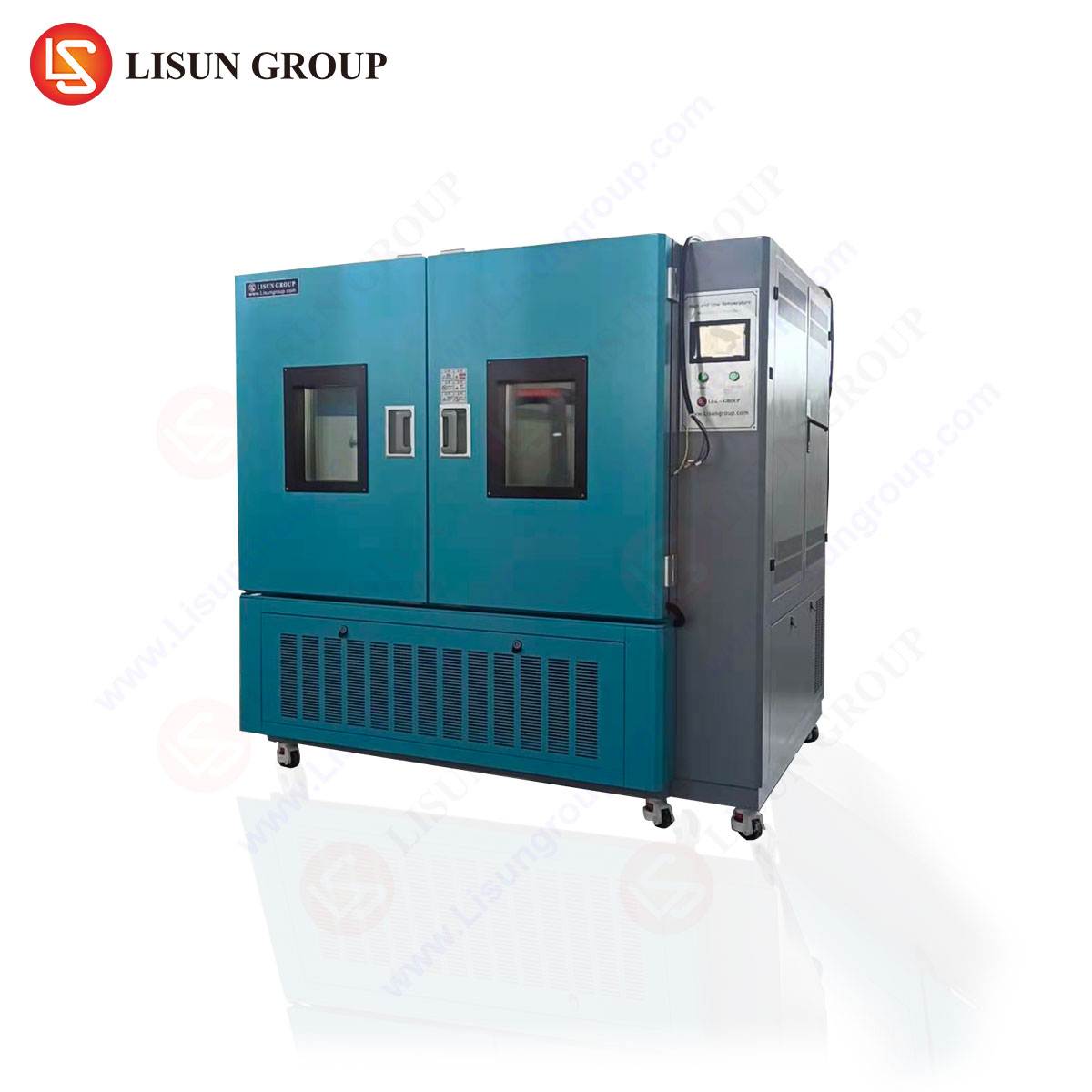
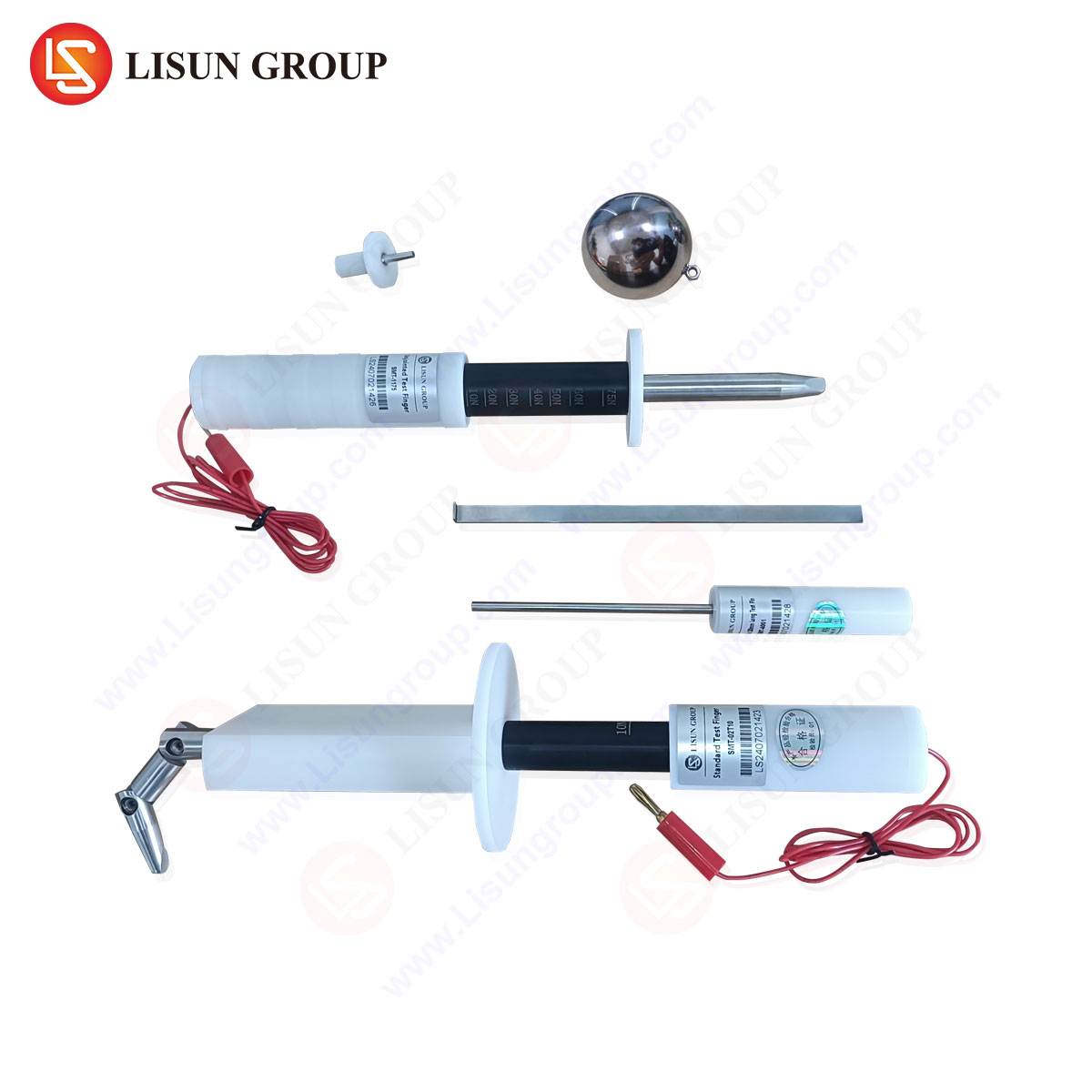
The competitive advantage of LISUN’s systems lies in their traceable calibration, material durability (resisting wear from thousands of insertions), and comprehensive coverage of global standards. Furthermore, LISUN offers complementary test equipment such as insertion/withdrawal force testers, impact test fixtures, and temperature rise test beds, creating an integrated compliance verification workstation.
Beyond Geometry: Electrical and Mechanical Performance Criteria
While dimensional conformity is foundational, plug and socket standards encompass a far broader range of performance and safety tests. These include:
- Temperature Rise: Under a specified rated current, the temperature increase of pins, contacts, and terminals must not exceed limits (typically 45°K or 52°K) to prevent insulation degradation and thermal runaway.
- Electrical Strength (Dielectric Withstand): The insulation between live parts and accessible conductive parts must withstand a high-voltage AC test (e.g., 2000V to 4000V) for one minute without breakdown or flashover.
- Mechanical Endurance: Sockets must withstand a minimum number of insertion/withdrawal cycles (often 5,000 to 10,000) without mechanical failure or degradation of electrical contact.
- Resistance to Heat, Ball Pressure, and Flammability: Non-metallic parts are subjected to heat stress and ball pressure tests to ensure they do not deform under operating temperatures, and materials must exhibit adequate resistance to the spread of flame.
The Path Toward Harmonization: Challenges and Incremental Progress
Complete global harmonization of plug and socket standards remains a distant prospect, hindered by entrenched infrastructure, safety philosophies, and economic costs. However, convergence occurs in subtler ways. The IEC 60906-1 standard, intended as a universal 230V plug and socket, has seen only limited adoption (notably in South Africa and Brazil in a modified form). More impactful is the harmonization of test methods and safety principles through standards like IEC 60884-1, which provides a common framework that national standards often adopt and augment.
Regional harmonization has been more successful. The European Union’s CENELEC coordinates standards like those for Schuko (Type F) and the French-influenced Type E, promoting compatibility across member states. Similarly, the AS/NZS 3112 standard is shared between Australia and New Zealand, with recent amendments introducing insulated pins for added safety.
Conclusion: The Critical Role of Precision Verification
The fragmented world of plug and socket standards is a testament to historical development paths and national regulatory sovereignty. Yet, it imposes a rigorous requirement for precision manufacturing and objective compliance verification. As the global exchange of electrical goods continues to accelerate, the role of accurate, reliable, and standardized testing equipment becomes ever more vital. Systems like LISUN’s plug and socket gauges provide the essential link between abstract standard documents and physically safe, interoperable products. They are not merely inspection tools but fundamental instruments for ensuring that the foundational interface of electrical power delivery—the humble plug and socket—operates safely, reliably, and as intended across countless connections every day.
FAQ Section
Q1: How frequently should plug and socket gauges be calibrated?
A1: Calibration frequency depends on usage intensity and quality system requirements (e.g., ISO 17025). For high-volume production line testing, annual calibration is typical. Gauges used for internal quality checks may be calibrated biennially. It is critical to maintain a calibration certificate traceable to a national metrology institute to ensure measurement integrity for audits and certification.
Q2: Can one gauge set test both the plug and the socket for a given standard?
A2: No. A complete compliance assessment requires a dedicated gauge set. This includes separate master plug gauges (to test sockets) and master socket gauges (to test plugs), along with individual pin dimension gauges. Using a production plug to test a socket, or vice versa, is not a compliant method, as it does not test the extreme tolerance limits defined by the standard.
Q3: What is the significance of the “No-Go” test in socket verification?
A3: The “No-Go” test is a critical safety check. It ensures that a socket is not so oversized or worn that it could accept a plug with undersized or incorrectly spaced pins, which could lead to poor electrical contact, arcing, overheating, and fire risk. A compliant socket must reliably reject the “No-Go” gauge.
Q4: Beyond dimensional gauges, what other tests are required for full compliance of a socket outlet?
A4: Dimensional verification is just the first step. A comprehensive evaluation includes: mechanical endurance (cycle life testing), electrical load and temperature rise testing, dielectric strength (hipot) testing, tests for resistance to heat and deformation, grounding continuity verification, and assessments of safety shutter functionality (if applicable). LISUN and other specialists provide equipment for all these test regimes.
Q5: Are there gauge systems for newer standards like USB-powered sockets or wireless charging pads integrated into wall outlets?
A5: Yes, the field of metrology evolves with the standards. While traditional AC power pin geometry remains core, testing equipment now also covers the performance of USB Power Delivery ports within sockets, verifying output voltage, current, and communication protocols. Testing for wireless charging alignment and efficiency is also an emerging area of compliance instrumentation.