

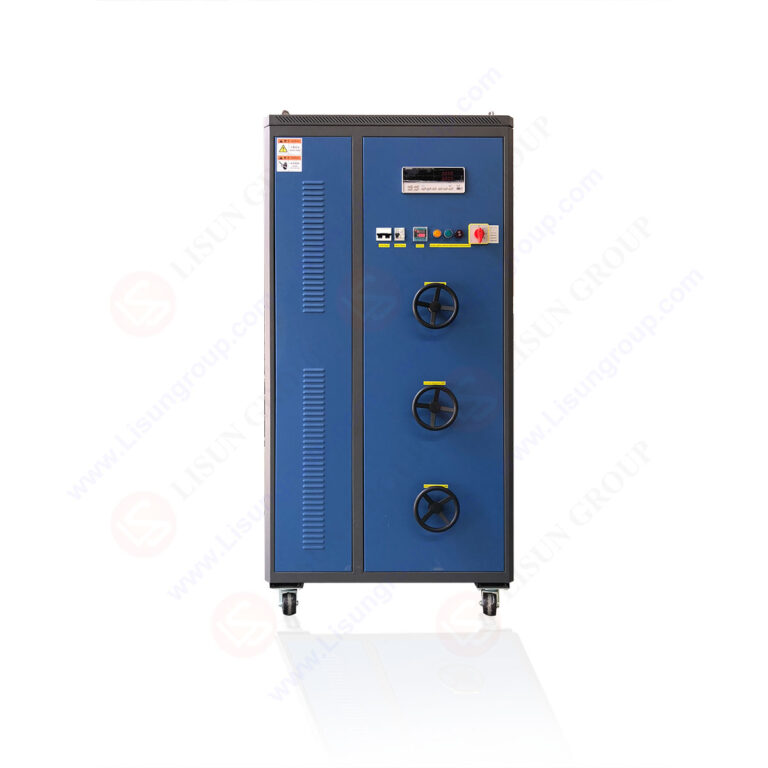



A Comprehensive Framework for Electrical Socket Compliance Verification
Introduction
The ubiquitous electrical socket, a critical interface between mains power and end-use equipment, represents a nexus of safety, performance, and interoperability. Its design and manufacturing are governed by a complex matrix of international, regional, and national standards—such as IEC 60884-1, BS 1363, AS/NZS 3112, and NEMA WD 6—which specify stringent requirements for dimensions, mechanical strength, electrical properties, and thermal endurance. Compliance verification is therefore not a mere formality but a fundamental engineering discipline essential for preventing electrical fires, shock hazards, and equipment damage. This article delineates a systematic methodology for socket compliance verification, examining the underlying principles, critical test parameters, and the instrumental role of specialized gauging systems in ensuring adherence to published specifications.
Dimensional Tolerancing and Mechanical Integrity Assessment
The primary function of any plug-and-socket system is to establish a secure, low-resistance electrical connection while preventing accidental access to live parts. Dimensional conformity is the foundational element upon which safety is built. Verification extends beyond simple pin spacing to encompass a suite of geometric checks: the precise profile and entry chamfers of socket apertures; the depth and taper of contact tube receptacles; the alignment and rigidity of protective shutters (where mandated); and the clearance and creepage distances between conductive parts. Non-compliance in any of these areas can lead to hazardous conditions—for instance, a misaligned shutter may fail to protect against foreign object insertion, while undersized contact tubes can result in poor mating pressure, leading to overheating.
Mechanical integrity testing complements dimensional analysis. This involves evaluating the socket’s ability to withstand the insertion and withdrawal forces of a standardized test plug over thousands of cycles without degradation of contact pressure or structural failure. The socket face must also resist impact, as per standardized pendulum or ball-drop tests, to ensure it does not fracture under typical use conditions, exposing live terminals. The material composition of the socket body, typically thermosetting plastics like polycarbonate or urea formaldehyde, is scrutinized for tracking resistance, flammability rating (e.g., UL 94 V-0), and long-term stability against thermal aging and ultraviolet exposure.
Electrical Performance and Safety Parameter Validation
Once mechanical and dimensional integrity is confirmed, verification proceeds to active electrical testing. The core electrical parameters are contact resistance, dielectric strength, and temperature rise under load. Excessive contact resistance, often a consequence of poor dimensional tolerancing or inferior contact material, generates localized Joule heating, which can degrade insulation and initiate thermal runaway. Contact resistance is measured using a micro-ohmmeter with a specified test current, typically at the entry, fully engaged, and exit positions of a test pin.
Dielectric strength, or hipot testing, verifies the insulation system’s ability to withstand transient overvoltages and basic insulation between live parts and accessible conductive surfaces. A high AC or DC voltage, as prescribed by the standard (e.g., 2,000 V AC for 1 minute for basic insulation), is applied, and the leakage current is monitored for breakdown. Earth continuity testing, for sockets with protective earth contacts, ensures a robust, low-resistance path from the socket earth terminal to the plug mating face, critical for fault current dissipation.
Temperature rise testing is a prolonged, performance-based assessment. The socket is loaded with its rated current in a controlled ambient environment, and the temperature increase on its terminals and external surfaces is measured using thermocouples. Exceeding the standard’s limit (commonly 50°K for terminals) indicates a design flaw in current-carrying capacity or heat dissipation, posing a direct fire risk.
The Critical Role of Specialized Plug and Socket Gauges
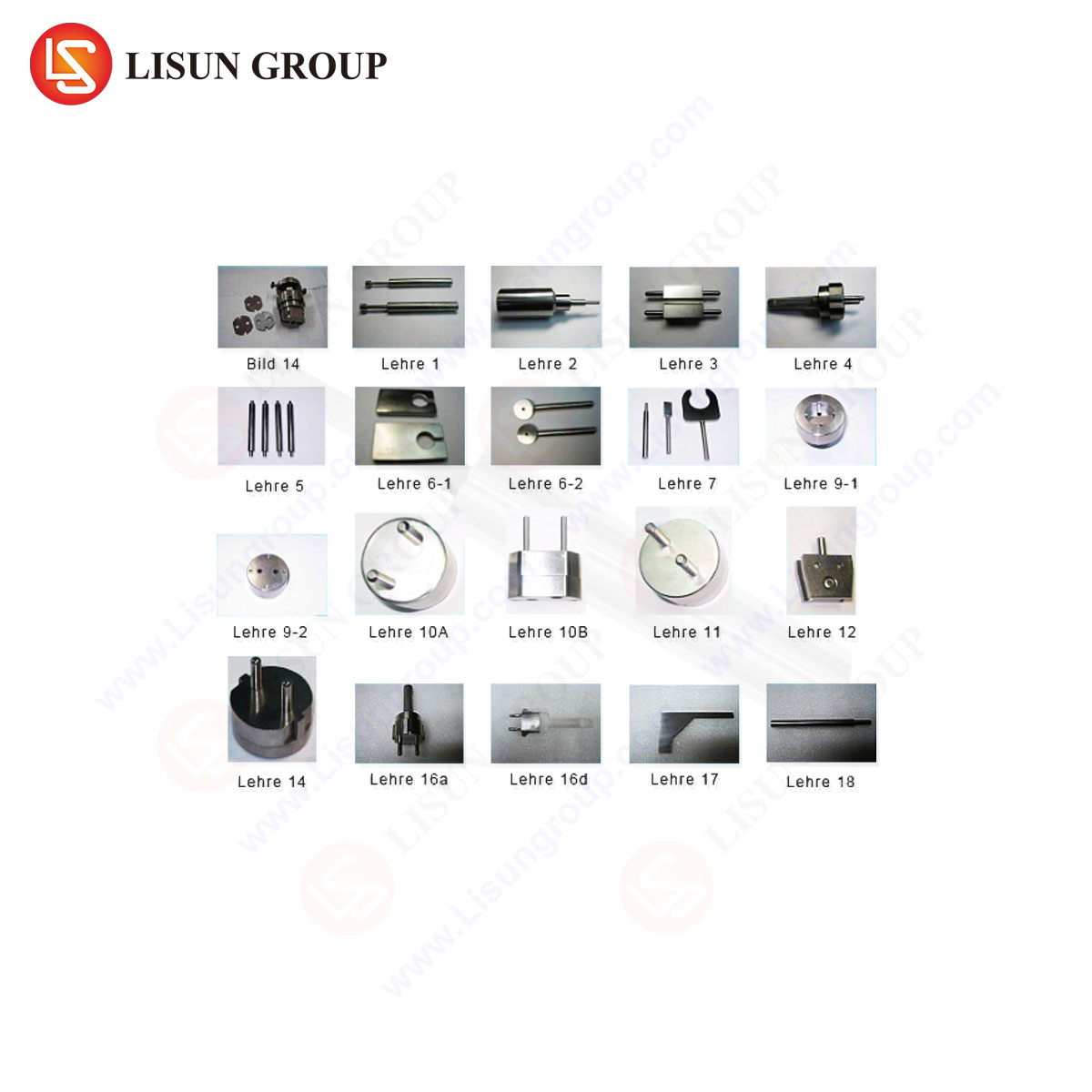
Manual measurement with calipers and micrometers is insufficient for the nuanced, form-based verification required by socket standards. This necessitates the use of specialized, purpose-built gauges. These are physical embodiments of the “go/no-go” principle derived directly from the standard’s dimensional drawings. A comprehensive gauge set will include pin gauges of maximum and minimum permitted sizes, profile gauges for aperture shapes, force gauges to test shutter spring strength, and check gauges for earth pin engagement depth.
The precision and traceability of these gauges are paramount. They must be manufactured from dimensionally stable, wear-resistant materials like hardened tool steel, with their own calibration certified to national measurement institutes. Incorrect or worn gauges can falsely pass non-compliant products or reject compliant ones, undermining the entire quality assurance process. The use of such gauges transforms subjective visual inspection into an objective, repeatable, and standards-referenced activity.
Introducing the LISUN Series Gauges for Plugs and Sockets
Within the landscape of compliance verification tools, the LISUN series of gauges for plugs and sockets represents a systematically engineered solution. Designed to rigorously assess compliance with major global standards, these gauge kits are constructed to provide laboratory-grade accuracy in production and quality control environments.
Specifications and Testing Principles of LISUN Gauges
LISUN gauge sets are meticulously machined to the exact dimensional limits specified in the relevant standards. A typical kit for a standard like BS 1363 includes, but is not limited to:
- Dimensional Pin Gauges: “Go” and “No-Go” pins for live and neutral apertures to verify minimum and maximum entry sizes.
- Profile Gauges: To check the correct shape of socket apertures, ensuring only compliant plugs can engage.
- Shutter Test Gauges: Simulating plug pins to verify the correct operation, sequencing, and opening force of protective shutters.
- Earth Pin Engagement Gauge: To validate the depth and timing of earth pin engagement before live contacts are made accessible.
- Contact Tube Gauge: A tapered pin to assess the effective grip and minimum engagement depth of the socket contacts.
The testing principle is inherently binary and unambiguous. For example, a “Go” gauge must fully enter the socket aperture under its own weight or a minimal specified force, proving the minimum access size is met. Conversely, the corresponding “No-Go” gauge must not enter under a greater specified force, proving the aperture is not oversized. This eliminates interpretation errors. The gauges are supplied with detailed instructions mapping each tool to a specific clause of the standard, structuring the verification workflow.
Industry Application and Competitive Advantages
LISUN gauges are deployed across the product lifecycle. Manufacturers use them for first-article inspection, in-process quality checks, and final product audit. National certification bodies and third-party testing laboratories employ them as reference tools during type-testing and market surveillance. Importers and large retailers utilize them for incoming goods inspection to mitigate liability.
The competitive advantages of the LISUN series are rooted in its precision, completeness, and durability. Each gauge set is derived from the primary standard, not from secondary interpretations, ensuring doctrinal accuracy. The use of high-grade materials minimizes wear over thousands of inspections, protecting the long-term integrity of measurements. Furthermore, the kits are logically organized and clearly labeled, reducing operator training time and potential for misapplication. In a sector where non-compliance can result in product recalls, legal liability, and brand damage, the reliability and traceability offered by such a system provide a tangible risk mitigation advantage.
Integrating Gauging into a Holistic Compliance Regime
It is critical to position dimensional gauging as one component within a holistic compliance regime. A socket that passes all gauge checks may still fail electrical or thermal tests. Therefore, a complete verification protocol follows a sequential logic: Dimensional → Mechanical → Electrical → Thermal. Gauging provides the essential first gate. This integrated approach is embodied in formal quality management systems like ISO 9001, where inspection, testing, and measuring equipment control is a mandated clause (Clause 7.1.5), requiring documented procedures for calibration, use, and storage—all directly applicable to gauge management.
Documentation and Traceability in the Verification Process
The output of compliance verification is not merely a pass/fail status but a body of objective evidence. This includes calibration certificates for all gauges used, inspection reports detailing the results of each gauge application (often with applied forces noted), and photographs of gauges in situ for critical checks. This documentation forms the technical construction file for the product, required for CE marking, UL certification, or other conformity assessment procedures. It provides auditable proof of due diligence and serves as a vital reference for investigating field failures or manufacturing process drifts.
Conclusion
Electrical socket compliance verification is a rigorous, multi-disciplinary process grounded in applied physics and precision metrology. It demands a methodical approach that begins with the absolute dimensional integrity verified by specialized gauges and extends through to performance under electrical load. Tools like the LISUN series of plug and socket gauges operationalize the often-complex language of standards into clear, actionable, and repeatable physical checks. In an industry where margins of error are measured in tenths of a millimeter and the consequences of failure are severe, such precise, reliable, and standardized verification instruments are not merely advantageous—they are indispensable for ensuring the safety, reliability, and global market access of electrical wiring accessories.
FAQ Section
Q1: How often should LISUN gauges be recalibrated?
A1: Calibration intervals depend on usage frequency, environmental conditions, and the requirements of your quality management system. For laboratories conducting frequent type testing, an annual calibration is typical. High-volume production line gauges may require more frequent checks. Always adhere to the intervals defined in your internal control procedures, which should be based on risk assessment and may be informed by recommendations from the gauge manufacturer or accreditation bodies like ISO/IEC 17025.
Q2: Can one LISUN gauge kit be used to verify sockets from different countries?
A2: No. Socket standards are nationally or regionally specific. A gauge kit is manufactured to the exact dimensions of a single standard (e.g., BS 1363 for the UK, AS/NZS 3112 for Australia/New Zealand). Using a gauge from one standard to test a socket from another will yield invalid and potentially dangerous results. Separate, dedicated gauge kits are required for each standard family.
Q3: What is the most common socket compliance failure detected by dimensional gauges?
A3: Inconsistent or out-of-tolerance shutter operation is a frequent finding. Shutters that are too stiff (failing the maximum opening force test) render the socket difficult to use, while shutters that are too loose or misaligned may fail to prevent access to live parts, a critical safety failure. Profile gauge checks for aperture shape also commonly identify molding flaws that could allow incorrect or unsafe plug engagement.
Q4: Beyond dimensional checks, what is the next critical test for socket compliance?
A4: Temperature rise under rated current load is arguably the most critical subsequent test. It is a holistic test of the socket’s design, encompassing contact material, contact force, terminal connection integrity, and thermal dissipation. A socket that passes dimensional checks but exceeds temperature rise limits presents a direct and severe fire hazard.
Q5: Are LISUN gauges suitable for testing sockets with USB charging ports integrated?
A5: The LISUN gauge sets are designed for the traditional mechanical socket apertures. The integrated USB power supply is a separate electronic component assessed under different standards (e.g., IEC 60950-1 or IEC 62368-1 for ITE/AV equipment). Verification of the USB port would involve electrical safety, output voltage, current limiting, and communication protocol tests, not mechanical gauging. The socket apertures in such a composite device, however, must still be verified with the appropriate plug gauges.