




Ensuring Corrosion Resistance through Accelerated Environmental Testing: A Technical Analysis of Salt Spray Chamber Methodologies
The relentless pursuit of product longevity and reliability across manufacturing sectors is fundamentally linked to the ability to predict and mitigate material degradation. Among the most pervasive and economically significant failure modes is corrosion, an electrochemical process accelerated by environmental contaminants, with chloride ions representing a primary aggressor. For industries ranging from automotive electronics to aerospace components, the financial and reputational costs of premature corrosion failure are substantial. Consequently, the implementation of robust, standardized accelerated corrosion testing is not merely a quality control step but a critical engineering imperative. This article provides a technical examination of salt spray (fog) testing methodologies, with a detailed focus on the operational principles, standardization, and application of modern testing apparatus, exemplified by the LISUN YWX/Q-010 series salt spray test chambers.
The Electrochemical Foundations of Atmospheric Corrosion
At its core, atmospheric corrosion in industrial and coastal environments is an electrochemical reaction facilitated by the presence of an electrolyte, typically a thin film of moisture containing dissolved salts. Chloride ions, prevalent in marine aerosols and de-icing salts, are particularly deleterious due to their small ionic radius and high mobility, which enable them to penetrate passive oxide layers on metals like aluminum and stainless steel. This penetration initiates pitting corrosion, a localized form of attack that can lead to rapid structural compromise despite minimal overall mass loss. The process involves anodic metal dissolution and cathodic oxygen reduction reactions. Accelerated laboratory testing aims to replicate these conditions in a controlled, intensified manner to produce predictable corrosion phenomena within a condensed timeframe, thereby allowing for comparative material evaluation, coating qualification, and process validation.
Standardized Methodologies: The Role of Neutral Salt Spray (NSS) Testing
The neutral salt spray (NSS) test, standardized internationally as ASTM B117, ISO 9227, and JIS Z 2371, represents the most established accelerated corrosion test. The procedure involves the continuous atomization of a 5% sodium chloride solution at a pH of 6.5 to 7.2 within a sealed chamber maintained at 35°C ± 2°C. The test does not purport to correlate directly with real-world service life in years; rather, it provides a controlled, reproducible corrosive environment for ranking the relative corrosion resistance of materials and coatings under the specified conditions. Its primary utility lies in detecting porosity, discontinuities, and relative performance differences in protective coatings and surface treatments. For instance, a zinc-nickel plating on an automotive electrical connector or a conformal coating on a printed circuit board (PCB) for industrial control systems can be effectively compared against baseline standards using NSS exposure hours as a metric.
System Architecture and Operational Principles of Modern Salt Spray Chambers
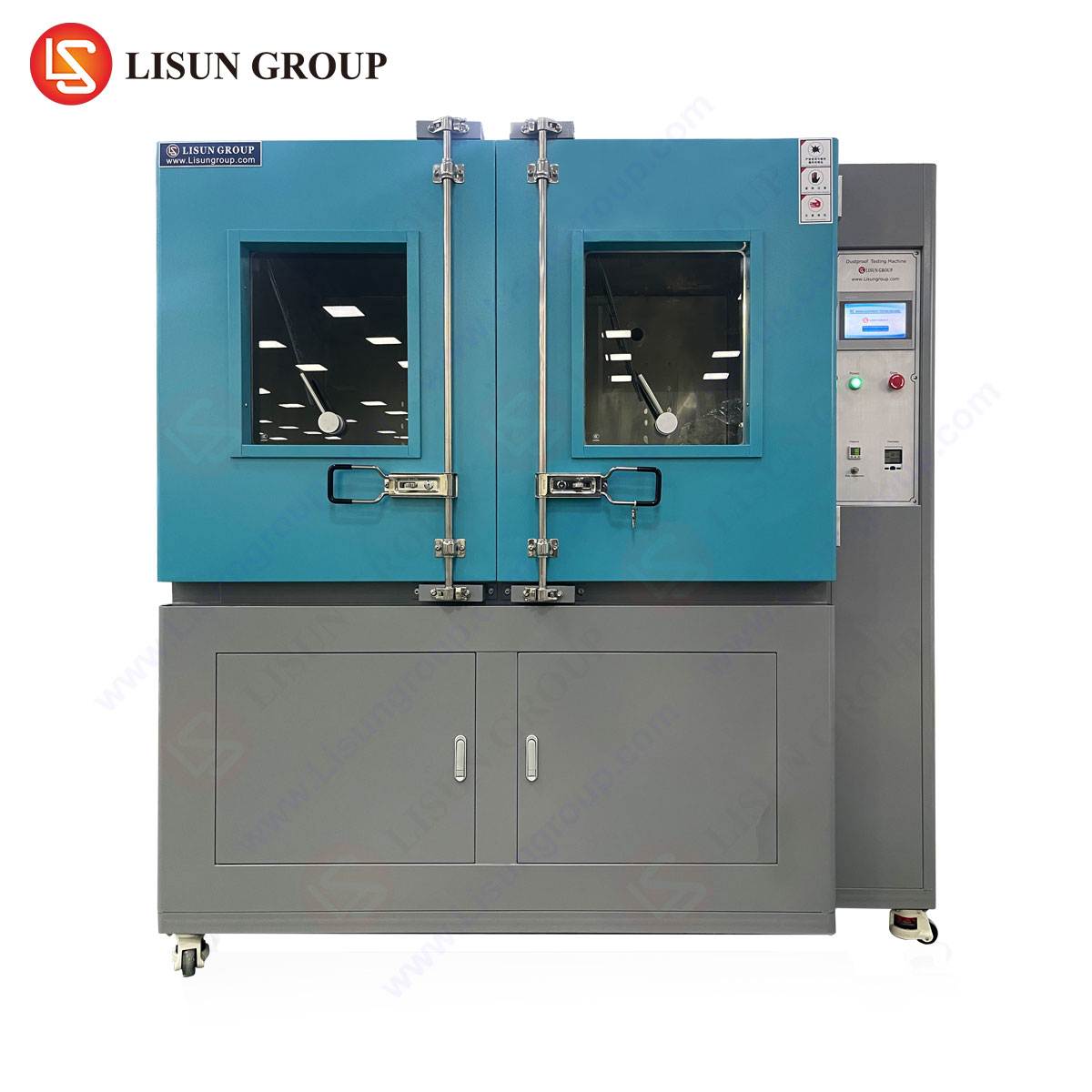
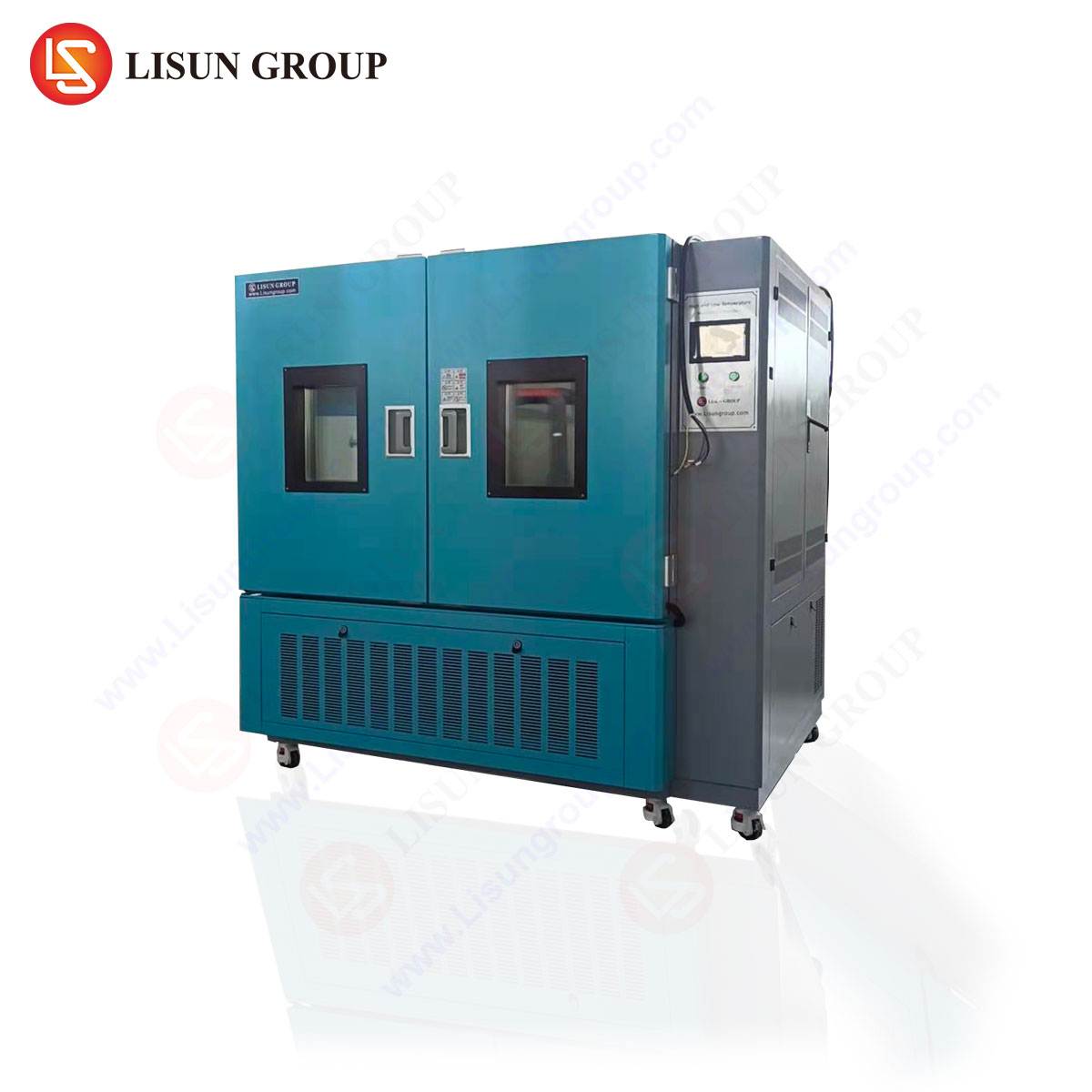
A contemporary salt spray chamber is an integrated environmental simulation system. Key subsystems include the test chamber proper, a saturated air supply system, a salt solution reservoir and recirculation unit, a precision atomization system, and a sophisticated digital controller. The chamber interior, typically constructed from corrosion-resistant polymers like polypropylene or PVDF, houses the test specimens on non-conductive racks. The critical function of generating a consistent, settling salt fog is achieved by forcing compressed air through a bubble tower containing heated distilled water, saturating it with moisture. This saturated air is then mixed with the metered salt solution and expelled through a specialized nozzle, creating a fine, uniform fog. Temperature stability is maintained via heaters and an air-jacketed chamber design to prevent condensation on the chamber walls, which would otherwise dilute the fog and create non-uniform conditions. The entire process is governed by a programmable logic controller (PLC) that manages temperature, spray cycles, and saturation tower conditions, ensuring strict adherence to standardized parameters.
Technical Specifications and Capabilities of the LISUN YWX/Q-010 Series
The LISUN YWX/Q-010 series embodies the engineering requirements for precise, repeatable salt spray testing. As a benchmark model, the YWX/Q-010 is designed for compliance with major international standards. Its specifications are engineered for laboratory rigor.
Key Technical Specifications:
- Test Chamber Temperature Range: Ambient to +55°C, with a standard setpoint of 35°C as per ASTM B117.
- Temperature Uniformity: ≤ ±2°C across the working volume, a critical factor for test validity.
- Salt Spray Settlement Rate: 1.0 to 2.0 ml/80cm² per hour, adjustable and verifiable via collection funnels.
- Chamber Construction: Fabricated from reinforced polypropylene, offering excellent thermal insulation and resistance to the corrosive environment.
- Atomization System: Utilizes a tower-type saturator and precision nozzle for consistent fog generation, with independent control of saturation tower temperature.
- Controller: Digital PID (Proportional-Integral-Derivative) controller with touchscreen interface for setting and monitoring test parameters, timers, and temperature profiles.
The operational principle hinges on creating a closed-loop corrosive environment. The PLC continuously monitors chamber temperature via PT100 sensors and adjusts heating elements accordingly. The saturated air system ensures the compressed air is heated and humidified to 100% relative humidity before contacting the salt solution, preventing evaporation at the nozzle and ensuring a consistent droplet size and salinity in the fog. This level of control minimizes test variable drift, a common source of inter-laboratory discrepancy.
Industry-Specific Applications and Use Cases
The application of salt spray testing spans virtually all sectors where metals and protective finishes are employed in potentially corrosive environments.
- Automotive Electronics & Electrical Components: Testing of connector housings, sensor bodies, switchgear, and busbars. A zinc-flake coated steel bracket for an engine control unit (ECU) or a silver-plated copper terminal in a lighting fixture must withstand under-hood or exterior exposure.
- Electrical & Electronic Equipment / Industrial Control Systems: Evaluation of conformal coatings on PCBs, enclosures for variable frequency drives, and external casings for telecommunications equipment. The test identifies pinholes in coating that could lead to dendritic growth and short circuits.
- Aerospace and Aviation Components: Qualification of anodized aluminum alloys for chassis components, cadmium-plated fasteners, and the corrosion resistance of composite materials with metal inserts. Even interior components are tested due to potential condensation and atmospheric contaminants.
- Medical Devices & Consumer Electronics: Assessing the durability of stainless steel surgical instrument finishes, the coating on external housings for patient monitors, or the metallic trim and internal springs of handheld electronics against perspiration and cleaning agents.
- Cable and Wiring Systems: Testing the integrity of metallic cable armor, the corrosion resistance of connector backshells, and the performance of sacrificial coatings on galvanized steel cable trays.
Critical Factors Influencing Test Reproducibility and Accuracy
The perceived simplicity of the salt spray test belies the number of variables that must be rigorously controlled to ensure reproducible results. Deviations in any parameter can invalidate comparative data.
- Solution Purity and pH: The use of reagent-grade sodium chloride and deionized water is mandated. Impurities like copper ions can act as corrosion accelerants. The pH must be maintained neutral; acidic shifts can drastically increase corrosion rates for many metals.
- Settlement Rate Consistency: An incorrect settlement rate—too high or too low—alters the thickness of the electrolyte film on specimens, changing corrosion kinetics. Regular calibration using standardized collection apparatus is essential.
- Chamber Temperature Stability: Non-uniform temperature causes localized condensation and drying, creating galvanic cells and variable corrosion rates across the chamber. The air-jacket design in chambers like the YWX/Q-010 is crucial for mitigating this.
- Specimen Preparation and Placement: Surface contamination from fingerprints, improper cleaning, or inconsistent coating application can dominate results. Specimens must be placed to avoid drip contamination from others and to allow free fog circulation.
- Air Pressure and Saturation Efficiency: Inadequate air saturation leads to evaporation at the nozzle, increasing salt concentration and producing larger, non-settling droplets, which fail to replicate the thin electrolyte film of natural exposure.
Advancements and Complementary Cyclic Corrosion Tests
While the continuous NSS test remains a vital quality benchmark, its limitations in simulating wet/dry cycles and other environmental factors led to the development of Cyclic Corrosion Tests (CCT). These tests, such as those outlined in ASTM G85 or automotive standards like SAE J2334, incorporate phases of salt spray, humidity, drying, and sometimes freeze/thaw. They often provide better correlation with specific service environments by allowing oxygen diffusion during dry periods and salt concentration during wet periods. Modern chambers, including advanced versions like the LISUN YWX/Q-010X, are increasingly designed with programmable capability to handle these complex multi-step profiles, integrating humidity control and dry air purges to transition between phases automatically. This expands their utility from simple pass/fail tests to more sophisticated performance modeling.
Data Interpretation and Correlation to Service Life
A fundamental principle in accelerated testing is that results are primarily comparative. Stating that a coating “passed 500 hours of NSS” is meaningless without a control specimen or a known performance standard. The assessment is typically visual, comparing the percentage of surface area affected by red rust (for steel substrates) or white corrosion products (for zinc or aluminum), the number and size of pits, or the extent of coating blistering. Quantitative methods, such as mass loss measurement after descaling or electrochemical impedance spectroscopy (EIS) on coated samples pre- and post-test, provide more objective data. Correlation to actual field performance is complex and often established empirically over time by manufacturers, creating internal acceptance criteria. For example, an automotive supplier may determine that a plated component surviving 720 hours of CCT testing correlates with a 10-year life in a specific underbody location.
Integrating Salt Spray Testing into a Comprehensive Quality Management System
Effective corrosion resistance assurance cannot rely on a single test. Salt spray testing should be one node in a comprehensive quality management system. This system includes:
- Incoming Material Inspection: Verifying the quality of base metals and pre-finished components.
- Process Control: Monitoring key plating or coating parameters such as bath chemistry, thickness, and curing.
- Destructive Physical Analysis (DPA): Cross-sectional analysis to measure coating thickness and adhesion.
- Environmental Stress Sequencing: Subjecting components to sequences of vibration, thermal shock, and then corrosion testing to evaluate synergistic effects, crucial for aerospace and automotive electronics.
The data from salt spray chambers feeds into this system, providing a critical performance gate. The traceability, calibration records, and procedural adherence (SOPs) surrounding the chamber’s operation are as important as the hardware itself for audit compliance in regulated industries like medical devices and aviation.
Conclusion
The LISUN YWX/Q-010 series salt spray chamber represents a mature technology refined for precision and reliability. By enabling strict adherence to standardized methodologies like ASTM B117, it provides industries with an indispensable tool for comparative material and coating evaluation. Its value is realized not in predicting exact service life, but in creating a controlled, severe environment that rapidly reveals weaknesses in corrosion protection strategies. When integrated into a broader framework of material science, process control, and sequential testing, salt spray testing remains a cornerstone of efforts to enhance product durability, ensure safety, and reduce lifecycle costs across the spectrum of modern manufacturing. The evolution towards programmable cyclic testing in advanced models further bridges the gap between traditional accelerated testing and more realistic environmental simulation.
Frequently Asked Questions (FAQ)
Q1: What is the primary difference between the standard NSS test and a Cyclic Corrosion Test (CCT), and when should each be used?
A1: The Neutral Salt Spray (NSS) test is a continuous, single-condition exposure to a salt fog at 35°C. It is best used for relative ranking, quality control checks, and detecting gross coating defects. A Cyclic Corrosion Test (CCT) alternates between salt spray, high humidity, drying, and potentially other conditions. CCT often provides better correlation to real-world outdoor exposures, especially for automotive and coastal applications, as it replicates wet/dry cycles that influence corrosion mechanisms. CCT is preferred for performance validation and material system development.
Q2: Why is control of the salt solution pH so critical in NSS testing, and how is it maintained?
A2: The pH of the salt solution directly influences the electrochemical corrosion potential and the stability of passive layers on metals like aluminum and zinc. An acidic pH (below 6.5) will dramatically accelerate the corrosion of most metals, making results non-standard and non-comparable. The pH is maintained by using pure reagents (sodium chloride and deionized water) and by collecting and adjusting the pH of the solution in the reservoir. The standard requires the collected fog to have a pH between 6.5 and 7.2. Automatic pH monitoring and dosing systems are available for high-throughput laboratories.
Q3: For a medical device with both stainless steel and aluminum components, how should specimens be prepared and placed in the chamber?
A3: Specimens of different materials should be prepared separately according to relevant standards (e.g., cleaning with specified solvents) and must be electrically isolated from each other on non-conductive racks. They should be positioned so that corrosion products or runoff from one specimen (e.g., the more anodic aluminum) cannot drip onto another (e.g., the stainless steel), as this would create galvanic coupling and invalidate the test for the affected specimen. It is often prudent to test dissimilar materials in separate runs or in isolated zones within the chamber.
Q4: Can salt spray testing be used to evaluate the performance of bare, uncoated metals?
A4: Yes, but with careful interpretation. For uncoated metals, the test is extremely severe and acts as a rapid screening tool. It can rank the relative corrosion resistance of different alloys or tempers (e.g., comparing 5052 vs. 6061 aluminum). However, the formation of thick, wet corrosion products in the continuous fog does not replicate the drier, thinner electrolyte films of most atmospheric exposures. Results are useful for comparative quality assurance but are not directly indicative of long-term atmospheric performance without established correlation factors.
Q5: What regular maintenance and calibration are required for a chamber like the LISUN YWX/Q-010 to ensure compliant operation?
A5: Essential maintenance includes: daily checks of solution level and chamber temperature; weekly verification of the salt spray settlement rate using calibrated collection funnels; monthly cleaning of the chamber and nozzles to prevent salt buildup; and periodic (typically annual) calibration of all sensors (temperature, air pressure) by a certified technician against traceable standards. Detailed records of all maintenance, calibration, and solution preparation must be kept for quality audits.