

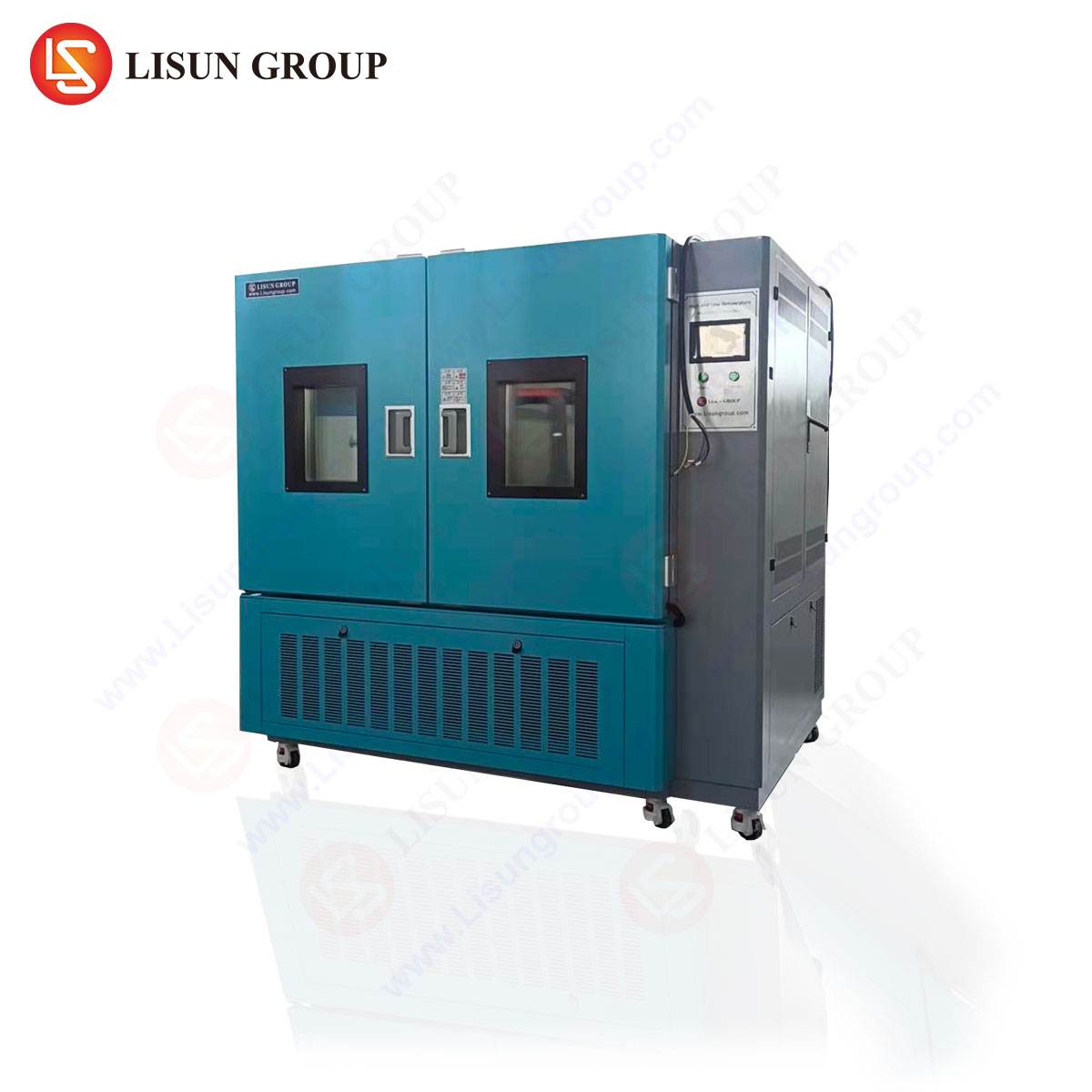



Ensuring Equipment Durability with Sand and Dust Chambers
The Imperative of Particulate Ingress Testing
In the global product development lifecycle, resilience against environmental stressors is a non-negotiable determinant of reliability, safety, and total cost of ownership. Among these stressors, the ingress of solid particulates—specifically sand and dust—poses a multifaceted threat to electromechanical systems. These abrasive, conductive, and thermally insulating materials can induce catastrophic failures through mechanisms including abrasive wear, electrical short circuits, connector fouling, cooling system obstruction, and optical surface degradation. Consequently, validating a product’s sealing integrity and operational robustness under simulated particulate-laden conditions is a critical engineering discipline. This validation is systematically executed within specialized environmental test apparatus: sand and dust chambers. These instruments are not merely quality control checkpoints but are integral to the design verification process, enabling engineers to identify failure modes, refine sealing strategies, and substantiate compliance with international performance standards.
Fundamental Principles of Sand and Dust Testing
Sand and dust testing operates on controlled physical principles to replicate the effects of natural aeolian (wind-driven) environments within a laboratory setting. The core objective is to expose the device under test (DUT) to a specified concentration of standardized particulate matter under defined temperature, humidity, and airflow conditions. The test evaluates two primary characteristics: the ability to prevent dust ingress (protection) and the capacity to maintain functionality during and after exposure (robustness).
The particulates used are meticulously calibrated. “Dust” typically refers to fine, powdered materials like Arizona Road Dust or equivalent, with a particle size distribution defined by standards such as ISO 12103-1. “Sand” denotes larger, more abrasive silicate particles. The test chamber generates a controlled, turbulent airflow to suspend these particulates, creating a homogeneous dust cloud of a specific density (e.g., grams per cubic meter). The DUT may be subjected to static exposure (dust settling) or dynamic exposure with internal pressure cycling, where the chamber’s pressure is alternately lowered and raised to force dust into potential ingress paths. Post-test evaluation involves meticulous inspection for particulate penetration, functional testing, and analysis of any performance degradation.
Industry-Specific Vulnerability Profiles
The consequences of particulate ingress vary significantly across sectors, necessitating tailored testing protocols.
Electrical and Electronic Equipment, Industrial Control Systems, and Telecommunications Equipment: For printed circuit board assemblies (PCBAs), programmable logic controllers (PLCs), and server racks, dust acts as a conductive contaminant that can bridge fine-pitch components, leading to leakage currents and short circuits. It also compromises the thermal performance of heat sinks and fans, causing component overheating and accelerated electromigration. In telecommunications base station units, dust clogging can reduce airflow, leading to thermal shutdowns.
Automotive Electronics and Aerospace and Aviation Components: Products in these domains face extreme combined stresses. An engine control unit (ECU) or an avionics bay must withstand temperature extremes, vibration, and pressure differentials while resisting abrasive sand that can wear away connector seals and insulating coatings. Ingress into sensors (e.g., LiDAR, cameras) can cause critical data corruption.
Lighting Fixtures, Electrical Components, and Cable/Wiring Systems: For outdoor LED luminaires or industrial high-bay lights, dust accumulation on lenses and reflectors drastically reduces luminous efficacy. In switches, sockets, and terminal blocks, abrasive particles can impede mechanical action and increase contact resistance, generating heat and fire hazards. Dust penetration into cable conduits can compromise insulation integrity over time.
Household Appliances, Consumer Electronics, and Office Equipment: From refrigerators with outdoor condensers to drones and printers, consumer-grade products require protection against everyday dust accumulation, which can jam mechanical assemblies, block ventilation ports, and degrade user interfaces.
Medical Devices: The imperative is paramount for patient safety. Ventilators, portable diagnostic equipment, and surgical tools must remain sterile and fully functional. Dust ingress could compromise sensor accuracy, valve operation, or electrical safety, with direct implications for patient care.
The LISUN SC-015 Dust Sand Test Chamber: A Technical Examination
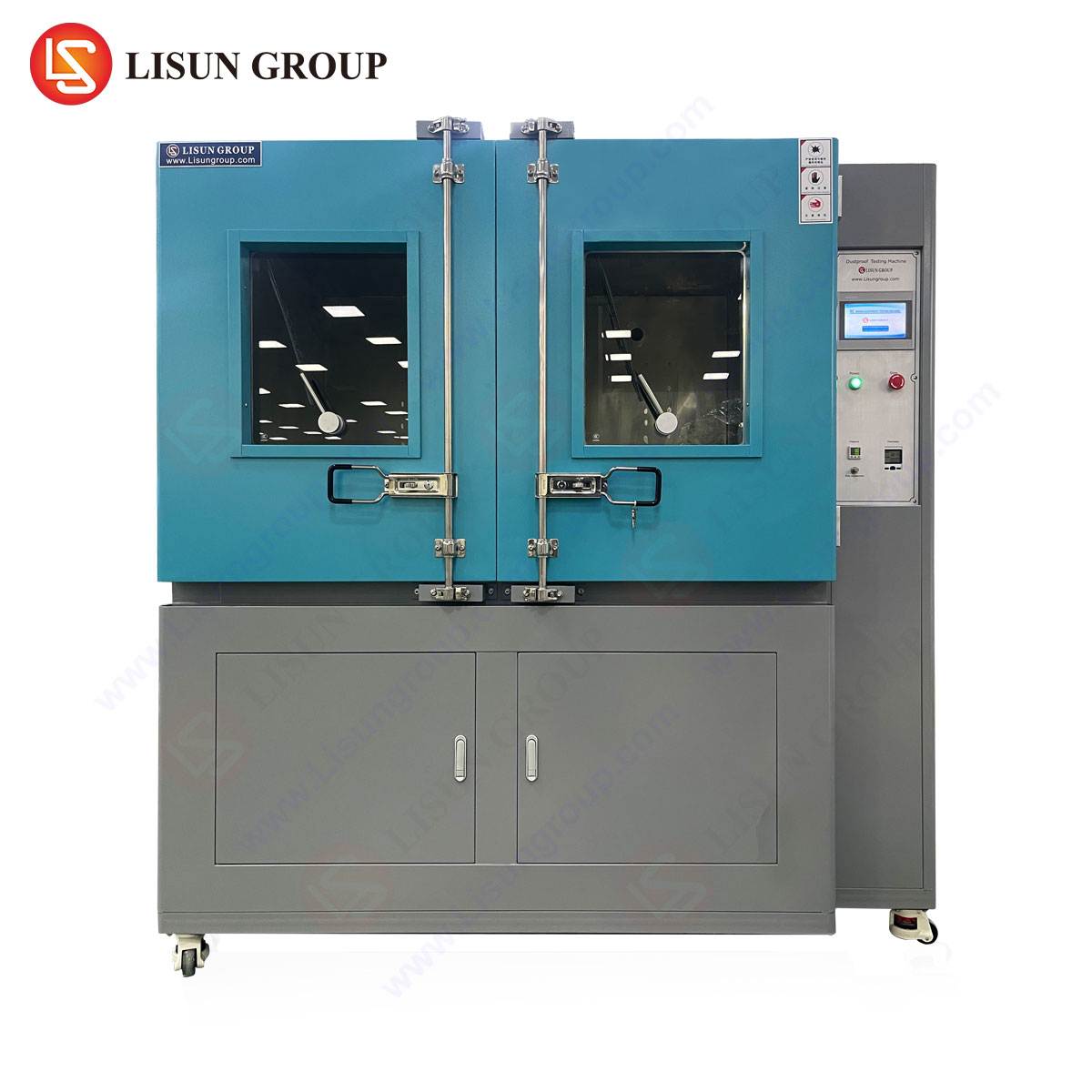
The LISUN SC-015 represents a sophisticated implementation of these testing principles, engineered to deliver precise, reproducible, and standards-compliant particulate ingress testing. Its design addresses the core requirements for creating a verifiable and controllable dust environment.
Core Specifications and Operational Parameters:
The chamber is constructed with a stainless steel interior for durability and corrosion resistance, featuring a double-walled design with thermal insulation. A critical component is the conical bottom, which facilitates the efficient recirculation of test dust via a controlled blower system. The system is capable of maintaining a dust concentration within a range of 2 g/m³ to 10 g/m³, adjustable to meet specific standard requirements. Temperature control is typically ambient, though certain models may include heating elements to simulate hot desert conditions. The chamber incorporates a sample table that can be rotated to ensure uniform exposure on all faces of the DUT. A viewing window with wipers allows for real-time observation without test interruption. Safety features include an emergency stop and filtration systems to prevent laboratory contamination.
Testing Principles and Standards Compliance:
The SC-015 operates by creating a closed-loop particulate circuit. Dust is fluidized and injected into the test workspace by a high-volume fan, where it forms a turbulent cloud. The velocity and circulation patterns are engineered to meet the stipulations of key international standards. The chamber is explicitly designed for compliance with:
- IEC 60529: The IP Code (Ingress Protection) specifically IP5X (Dust Protected) and IP6X (Dust Tight) tests.
- GB/T 4208: The Chinese equivalent of IEC 60529.
- ISO 20653: Road vehicles — Degrees of protection (IP code).
- MIL-STD-810G, Method 510.5: Department of Defense Test Method Standard for sand and dust exposure.
The testing process involves placing the DUT inside the chamber, initiating the dust circulation for a prescribed duration (often 2, 4, or 8 hours), and potentially employing vacuum drawing to create a pressure differential. Post-test, the DUT is examined for dust penetration and subjected to functional verification.
Competitive Advantages in Applied Testing Scenarios
The value of the LISUN SC-015 is realized through its reliability, control fidelity, and user-centric design, which translate into tangible benefits during product validation cycles.
Enhanced Repeatability and Reproducibility: The precision control over dust density, airflow, and exposure time ensures that tests are repeatable across different batches and reproducible between different laboratories. This is fundamental for objective design comparisons and for providing auditable evidence for certification bodies.
Operational Efficiency and Safety: The integrated dust recovery and filtration system minimizes particulate loss and cross-contamination, reducing material costs and laboratory cleanup time. The safety interlocks protect operators from direct exposure to the test medium.
Broad Application Versatility: The chamber’s internal dimensions and configurable test parameters accommodate a vast range of product sizes and test profiles, from a small automotive sensor to a large telecommunications cabinet. This makes it a cost-effective solution for manufacturers with diverse product lines across the aforementioned industries.
Data Integrity and Traceability: Modern iterations of such chambers often include digital controllers with data logging capabilities, allowing engineers to record exact test parameters (time, concentration) for inclusion in formal test reports and compliance documentation.
Integrating Chamber Testing into the Product Development Workflow
Effective durability assurance requires strategic integration of sand and dust testing into the product development lifecycle. It should not be a final gatekeeping step but an iterative tool.
During the Design and Prototyping Phase, early-stage testing on prototype enclosures and seals can identify fundamental flaws when changes are less costly. For instance, a prototype automotive headlight assembly can be tested to evaluate the effectiveness of its gasket design before tooling is finalized.
In the Design Verification Testing (DVT) Phase, fully functional prototypes undergo rigorous testing to the full severity of the target standards (e.g., IP6X). This phase validates that the complete system, including thermal management and moving parts, can withstand the environment. A medical infusion pump, for example, would be tested to ensure no dust penetrates the casing to compromise its internal sterile fluid path or sensitive electronics.
Finally, during Qualification and Production Validation, testing ensures manufacturing consistency. Sampling units from the production line are tested to verify that the assembly process maintains the designed sealing integrity. A batch of industrial Ethernet switches destined for a mining operation would undergo this final validation.
Interpreting Results and Implementing Design Mitigations
A failed test is not an endpoint but a diagnostic opportunity. The pattern and location of dust ingress provide critical forensic data.
- Ingress at Seams and Joints: Points to inadequate gasket compression, improper sealant application, or tolerance stack-up issues. Mitigations include redesigning the gasket profile, specifying higher-compression materials, or revising assembly torque specifications.
- Ingress through Ventilation Paths: Indicates that mesh filters or labyrinth seals are insufficient. Solutions may involve using finer mesh, implementing passive hydrophobic membranes, or redesigning airflow paths to include dust settlement chambers.
- Abrasive Wear on Surfaces: Visible scoring on connectors or optical surfaces suggests the need for harder coatings, protective boots, or redesigning the geometry to shield vulnerable areas from direct particulate flow.
- Internal Functional Failure without Visible Ingress: This subtle failure mode may indicate that dust is penetrating as a fine aerosol through microscopic gaps, later aggregating due to moisture or static charge. Mitigations involve improving seal quality or applying conformal coatings to internal PCBAs to insulate them from conductive contamination.
Conclusion: A Foundational Pillar of Reliability Engineering
In an era where product reliability is synonymous with brand integrity and operational safety, the role of environmental stress testing cannot be overstated. Sand and dust chambers, such as the LISUN SC-015, provide the controlled, empirical foundation upon which durable products are built. By enabling engineers to simulate years of particulate exposure within a matter of hours, these instruments facilitate proactive design improvements, reduce field failure rates, and ensure compliance with a complex landscape of international standards. For manufacturers across the electrical, automotive, aerospace, medical, and consumer goods sectors, investing in precise and reliable particulate ingress testing is not merely a compliance activity; it is a strategic imperative for achieving long-term product resilience and market success.
Frequently Asked Questions (FAQ)
Q1: What is the key difference between IP5X and IP6X testing, and can the LISUN SC-015 perform both?
A1: IP5X (Dust Protected) testing allows a limited amount of dust ingress, provided it does not interfere with safe operation or performance. IP6X (Dust Tight) is a more severe test that permits no dust ingress whatsoever. The primary difference in chamber operation often relates to the test duration and the potential use of a vacuum to create an internal pressure differential to force dust into the enclosure. The LISUN SC-015 is designed to execute the test protocols for both levels, including the necessary controls for pressure differential testing as required by IEC 60529 for IP6X.
Q2: How is the test dust concentration calibrated and verified within the chamber?
A2: Concentration is calibrated using a controlled methodology. A known mass of standardized test dust is introduced into the chamber’s closed-loop system. The chamber’s blower speed and circulation time are adjusted to fluidize and homogenize the dust. Verification is typically performed using a gravimetric sampling method: a pre-weighed filter collects dust from a known volume of air drawn from the test workspace during operation. The filter is weighed post-sampling to calculate the exact concentration (g/m³). The SC-015’s control system allows for the adjustment of blower parameters to achieve and maintain the target concentration specified by the relevant test standard.
Q3: For a product with external cooling fans, how should it be configured during a dust test?
A3: This depends on the test standard and the product’s intended use. Some standards require testing with the device in its typical operating state, meaning fans would be active. This is a more rigorous test as it simulates the potential for dust to be drawn actively into the enclosure. Other tests may specify a “static” or “non-operating” exposure. The test plan must define this clearly. The LISUN SC-015 can accommodate both scenarios; the DUT can be powered and operated from outside the chamber via sealed electrical ports.
Q4: What maintenance is required for the chamber to ensure consistent test results?
A4: Regular maintenance is crucial. Key tasks include: the careful recovery and sieving of test dust after each use to remove agglomerates and foreign debris; periodic inspection and cleaning of the blower impeller and air circulation pathways to prevent buildup; checking and cleaning the chamber seals and gaskets to maintain integrity; and calibrating any sensors (e.g., for pressure differential) according to the manufacturer’s recommended schedule. Proper maintenance ensures dust consistency and airflow characteristics remain within specification.
Q5: Can the chamber simulate combined environments, such as dust with high temperature or humidity?
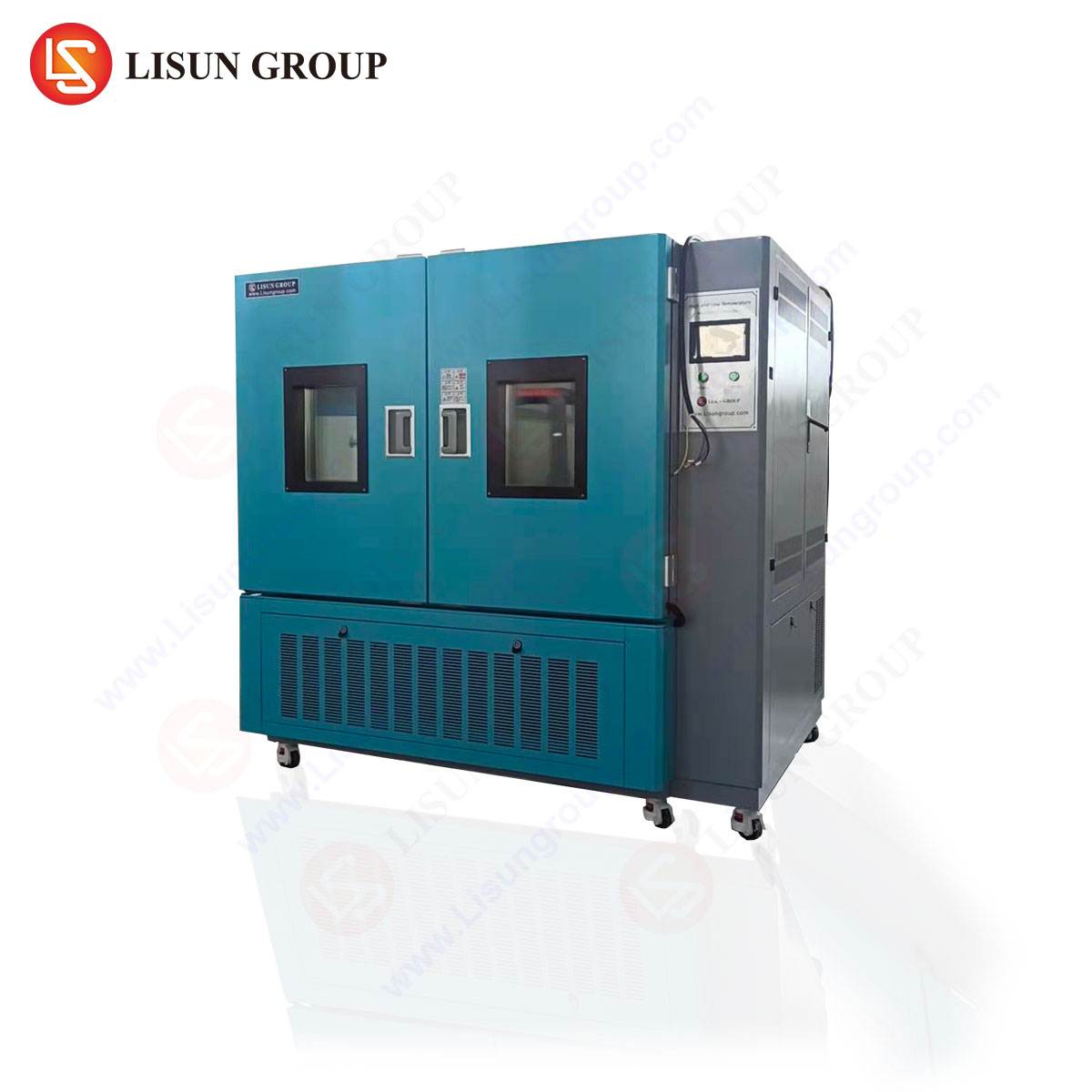
A5: The standard LISUN SC-015 is primarily designed for dry dust testing at ambient laboratory conditions. Simulating combined environments (e.g., desert conditions with high temperature and low humidity, or coastal conditions with salt-laden dust) requires a more complex chamber with integrated environmental controls, such as a temperature/humidity system. For such testing, specialized combined environmental chambers are used. However, the SC-015 provides the foundational particulate exposure capability that is often a core component of more complex sequential or combined test profiles.