

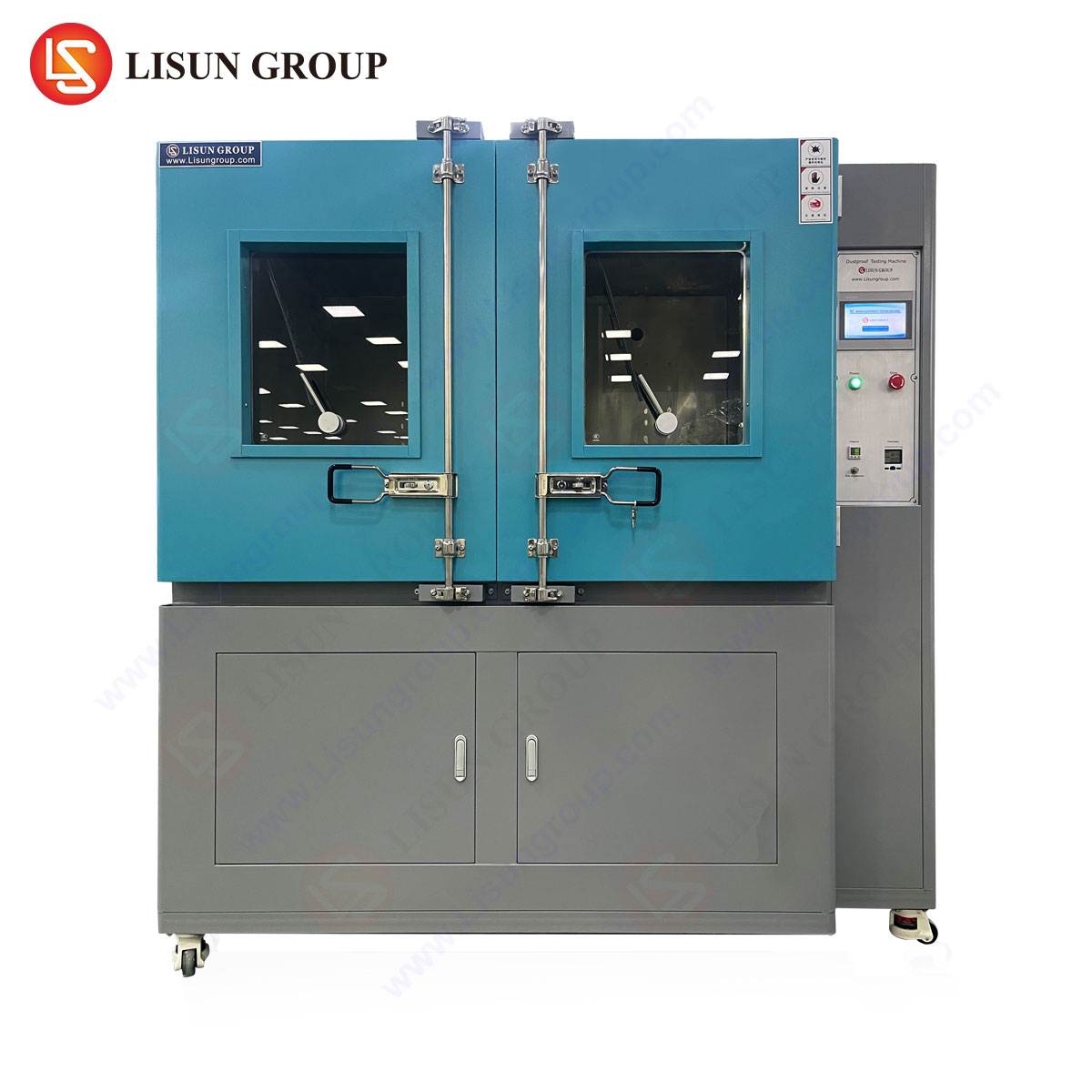
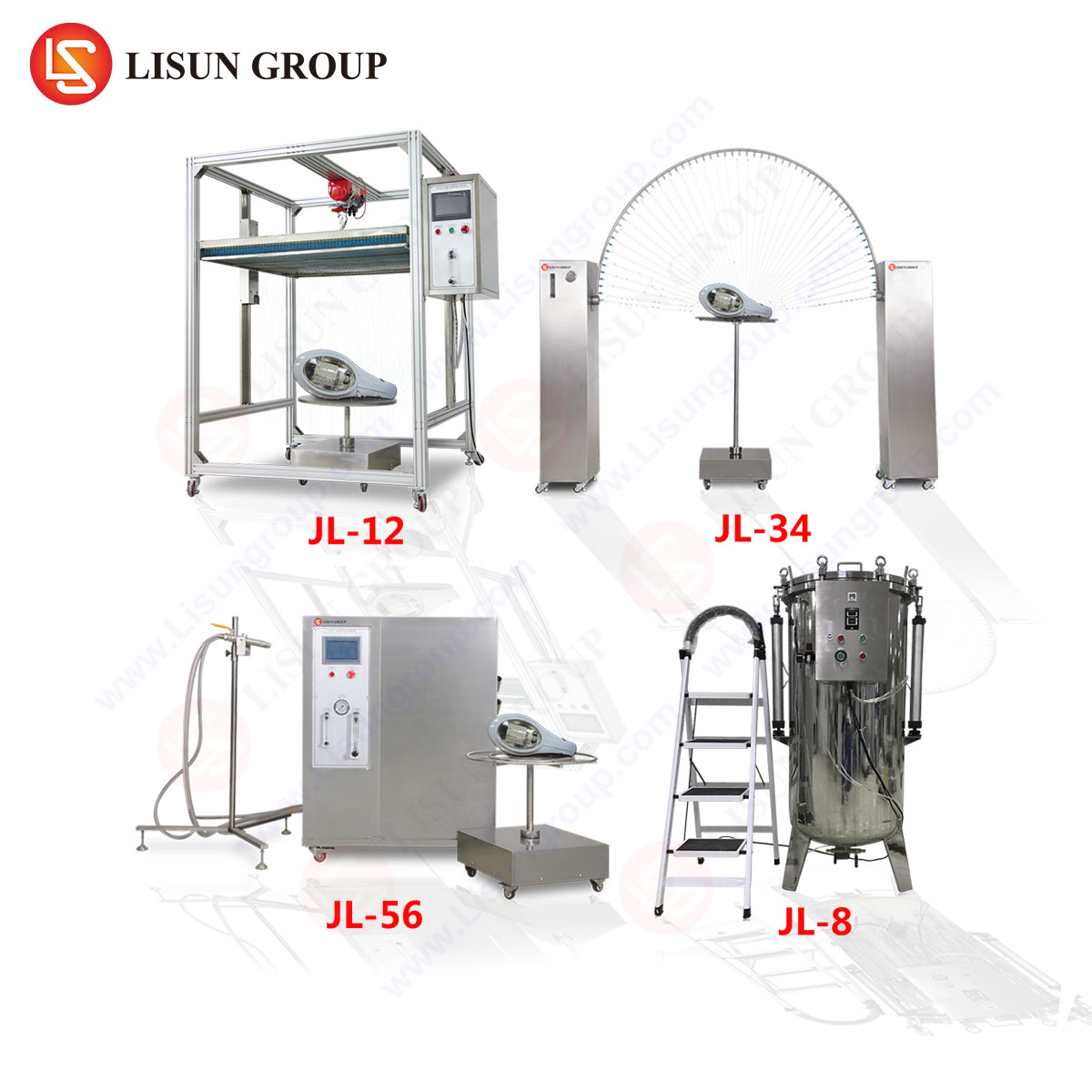
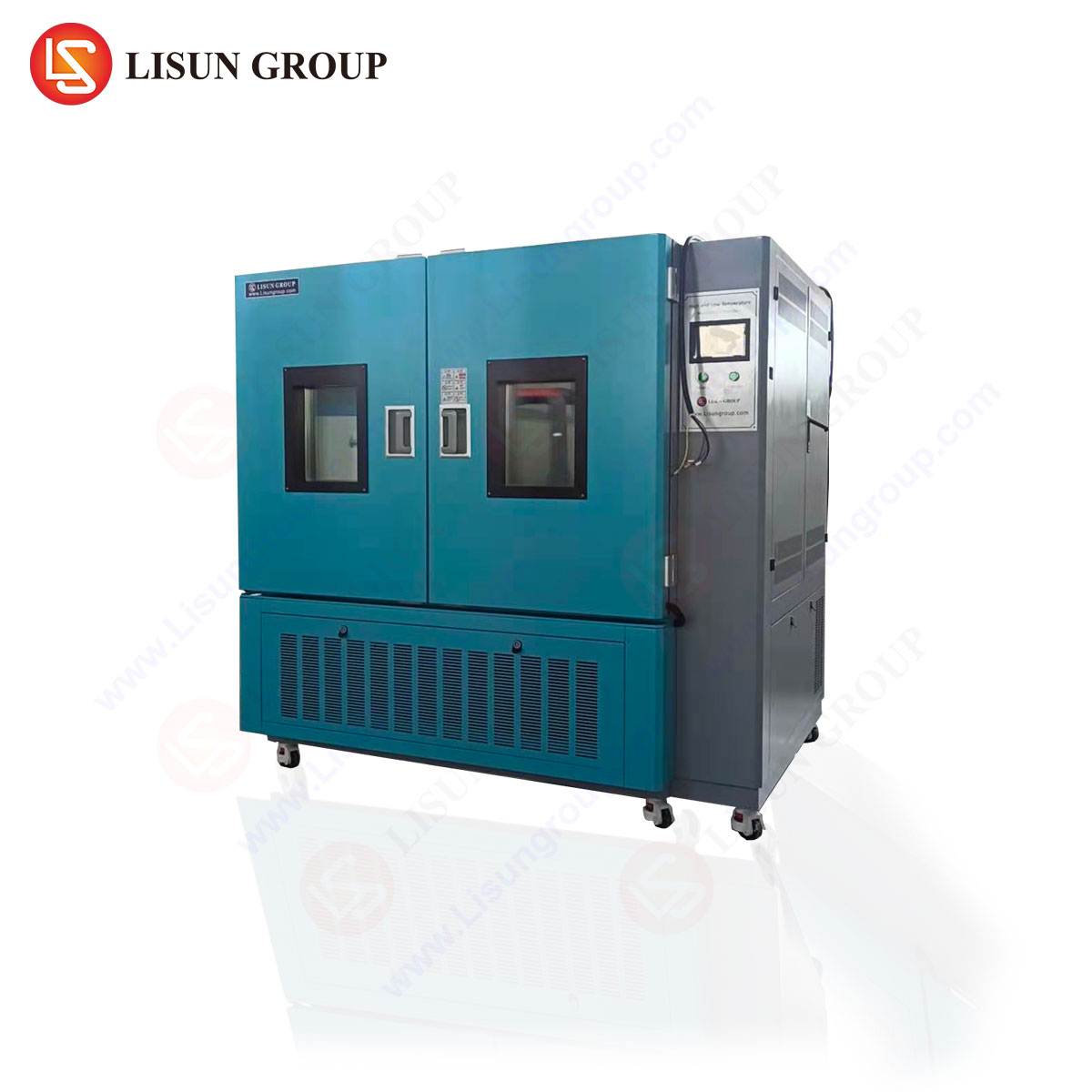
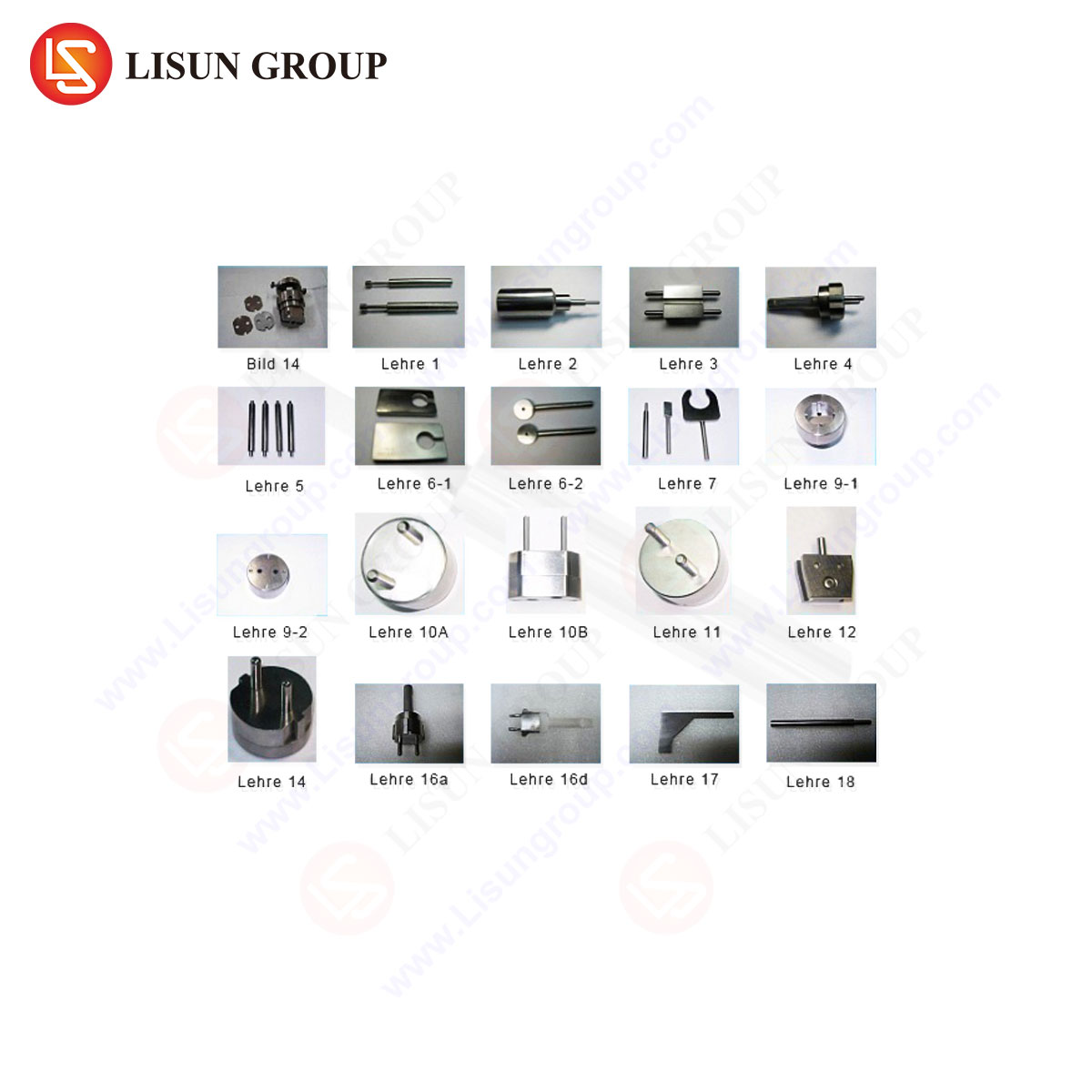



Environmental Simulation Chambers: Foundational Tools for Accelerated Reliability Testing
The relentless pursuit of product reliability and durability across industrial sectors necessitates rigorous validation under controlled, repeatable conditions. Environmental simulation chambers, also known as climatic or environmental test chambers, serve as the cornerstone of this validation process. These sophisticated instruments artificially replicate a vast spectrum of environmental stressors—including temperature, humidity, salt fog, solar radiation, and corrosive gases—within a confined laboratory setting. Their primary function is to accelerate the aging and failure mechanisms of materials, components, and finished products, thereby predicting long-term performance and identifying design vulnerabilities within a compressed timeframe. This technical examination delves into the operational principles, critical applications, and technological considerations of these systems, with a focused analysis on salt spray testing as a paramount corrosion evaluation method.
The Underlying Principles of Accelerated Environmental Stress Testing
Accelerated life testing (ALT) within environmental chambers is predicated on the fundamental principle that the application of elevated stress levels, within defined physical limits, can induce failure modes analogous to those encountered during actual service life, but over a significantly reduced duration. The relationship between applied stress and time-to-failure is often modeled using Arrhenius-type equations for thermal aging or Peck’s model for temperature-humidity bias, though corrosion mechanisms require specialized approaches. The objective is not to precisely replicate years of service in a one-to-one temporal ratio, but to provoke known failure mechanisms in a controlled, observable, and quantifiable manner. This enables comparative analysis, quality assurance, and compliance verification against established international standards. The integrity of the data generated is wholly dependent on the chamber’s precision in maintaining specified environmental parameters, its uniformity across the workspace, and its ability to faithfully replicate the cyclic or steady-state conditions mandated by test protocols.
Salt Spray Testing: A Critical Corrosion Assessment Methodology
Among the various test modalities, salt spray (fog) testing remains one of the most prevalent and standardized methods for evaluating corrosion resistance. It is specifically designed to assess the protective qualities of metallic coatings, platings, paints, and surface treatments when exposed to a saline atmosphere. The test is particularly ruthless for components used in maritime climates, road environments where de-icing salts are prevalent, and any application where chloride-induced corrosion is a primary failure concern. The basic principle involves creating a continuous, settling fog of a neutral (pH 6.5 to 7.2) or acidified sodium chloride solution within a sealed chamber at an elevated temperature, typically +35°C ± 2°C. Specimens are exposed for durations ranging from 24 to over 1000 hours, with inspections at predetermined intervals to evaluate the appearance of corrosion products, coating blistering, or loss of adhesion.
The methodology is governed by several key standards, including ASTM B117 (“Standard Practice for Operating Salt Spray (Fog) Apparatus”), ISO 9227 (“Corrosion tests in artificial atmospheres – Salt spray tests”), and JIS Z 2371. While the basic neutral salt spray (NSS) test is most common, variant tests like the Acetic Acid Salt Spray (AASS) per ASTM G85 and the Copper-Accelerated Acetic Acid Salt Spray (CASS) test provide more aggressive conditions for faster results or for testing certain decorative coatings like nickel-chromium.
The YWX/Q-010 Salt Spray Test Chamber: Technical Specifications and Operational Fidelity
The LISUN YWX/Q-010 salt spray test chamber exemplifies the engineering required for compliant and reproducible corrosion testing. This chamber is designed to meet the stringent requirements of ASTM B117, ISO 9227, and related standards, providing a controlled environment for consistent, high-fidelity testing.
Key Technical Specifications:
- Test Chamber Temperature Range: Ambient to +50°C (with a standard setpoint of +35°C for NSS testing).
- Temperature Uniformity: ≤ ±2°C, ensuring consistent exposure conditions across all specimens.
- Saturation Tower (Air Heater) Temperature Range: +40°C to +63°C, critical for humidifying and heating the compressed air before it atomizes the salt solution, preventing solution concentration drift.
- Salt Solution Temperature: Maintained at +35°C ± 2°C via a built-in water bath.
- Spray Volume Collection: 1.0 to 2.0 ml per hour per 80cm², as mandated by standards, collected in a minimum of two horizontally placed fog collectors.
- Chamber Construction: Constructed from corrosion-resistant PVC plastic, with a lid made of transparent acrylic for specimen observation without interrupting the test.
- Spray System: Utilizes a tower-type nozzle fed by pre-conditioned, filtered, and humidified compressed air, ensuring a fine, uniform, and settling fog.
- Control System: Digital microcomputer-based controller for precise management of temperature, spray cycles, and timing functions.
Competitive Advantages in Design:
The YWX/Q-010 incorporates several design features that enhance its reliability and data integrity. The independent temperature control of the saturation tower is critical; it ensures the compressed air is heated above the chamber temperature, which prevents cooling of the salt solution upon atomization and maintains the correct solution concentration and chamber humidity. The chamber’s PVC construction offers superior resistance to the corrosive internal environment compared to some metallic alternatives. Furthermore, its precise control over spray volume collection rate—a parameter directly stipulated in standards—ensures that the corrosivity of the environment remains consistent from test to test, a fundamental requirement for comparative analysis.
Industry-Specific Applications and Use Cases
The application of salt spray testing via chambers like the YWX/Q-010 is ubiquitous across industries where corrosion can lead to functional failure, safety hazards, or significant economic loss.
- Automotive Electronics & Components: Testing electronic control units (ECUs), sensor housings, connector systems, and lighting assemblies for resistance to road salt exposure. A switch failing due to terminal corrosion could lead to a critical system malfunction.
- Electrical & Electronic Equipment: Validating the corrosion resistance of printed circuit board (PCB) finishes, enclosures for industrial control systems, and telecommunications equipment installed in coastal or harsh industrial environments.
- Aerospace and Aviation Components: Assessing coatings and treatments on fasteners, brackets, and non-critical structural elements exposed to atmospheric conditions, though often supplemented with more exhaustive testing.
- Lighting Fixtures: Evaluating the durability of outdoor and street lighting housing, heat sinks, and reflector coatings against salt-laden atmospheres to prevent lumen depreciation and premature failure.
- Medical Devices: Testing the integrity of metallic casings and components on portable or implantable devices that may be exposed to sterilizing agents or bodily fluids containing chlorides.
- Cable and Wiring Systems: Verifying the performance of cable glands, connector seals, and metallic braiding to prevent ingress of corrosive agents that could degrade signal integrity or cause short circuits.
- Consumer Electronics & Household Appliances: Ensuring the longevity of exterior finishes on appliances and electronics used in kitchens (exposure to saline vapors) or humid coastal homes.
Interpreting Test Results and Correlating to Real-World Performance
A critical challenge in salt spray testing is the interpretation of results and their correlation to actual service life. The test is primarily a comparative and qualitative tool, not an absolute predictor of years of service. It is exceptionally effective for:
- Quality Control: Detecting processing flaws, such as insufficient coating thickness, poor adhesion, or contamination before painting/plating.
- Comparative Ranking: Evaluating which of several coating systems, material choices, or suppliers provides superior corrosion resistance under the standardized test conditions.
- Screening for Catastrophic Failures: Identifying grossly inadequate material or design choices quickly.
Engineers must avoid the fallacy of directly equating “XXX hours of salt spray” with “YY years in the field.” Correlation requires historical data and an understanding of the specific failure mechanisms at play. A component passing 96 hours of NSS testing may be suitable for an indoor consumer electronics application but wholly inadequate for an offshore wind turbine connector. Therefore, the test is most powerful when used as part of a broader test suite, including cyclic corrosion tests (CCT) that incorporate wet/dry and humidity phases, which often provide better correlation to real-world exposures.
Integration into a Comprehensive Reliability Testing Regimen
Sophisticated reliability engineering moves beyond single-stress tests. The YWX/Q-010 salt spray chamber often functions as one node in a larger testing ecosystem. A comprehensive validation strategy for an automotive ECU, for instance, might involve:
- Thermal Cycling: In a separate temperature chamber, from -40°C to +125°C.
- Temperature-Humidity-Bias (THB): Applying voltage bias in a high-humidity environment (e.g., 85°C/85% RH).
- Vibration and Mechanical Shock Testing.
- Salt Spray Testing: Specifically targeting the corrosion resistance of external connectors, housing seals, and cooling fins.
This multi-faceted approach exposes the product to a combination of stresses that more closely mimic the synergistic effects encountered in real-world operation, where vibration may crack a coating and humidity and salt then exploit that flaw.
Conclusion
Environmental simulation chambers, with salt spray testers as a pivotal subset, are indispensable instruments in the modern engineering and manufacturing landscape. They provide the controlled, accelerated conditions necessary to probe material limits, validate design decisions, and ensure compliance with international standards. The technical execution of these tests, as embodied by equipment like the LISUN YWX/Q-010, demands rigorous attention to standard-mandated parameters—temperature uniformity, spray settlement rate, and chemical solution purity—to generate reliable, actionable data. When deployed as part of a holistic reliability testing strategy, these chambers significantly de-risk product development, enhance quality, and ultimately contribute to the delivery of durable, safe, and trustworthy products across the spectrum of technology-driven industries.
FAQ: Salt Spray Testing and the YWX/Q-010 Chamber
Q1: What is the purpose of the saturation tower (air heater) in the salt spray chamber, and why must its temperature be higher than the chamber temperature?
The saturation tower humidifies and heats the compressed air used to atomize the salt solution. Its temperature must be maintained above the chamber temperature (typically at +47°C for a +35°C chamber) to prevent a cooling effect when the air expands at the nozzle. This ensures the atomized droplets maintain the correct concentration of sodium chloride and helps maintain the chamber’s relative humidity, both of which are critical for test consistency as per ASTM B117.
Q2: Can the YWX/Q-010 chamber perform cyclic corrosion tests (CCT)?
The standard YWX/Q-010 is designed for continuous salt spray tests as outlined in ASTM B117 (NSS) and related steady-state standards. Cyclic corrosion tests, which program alternating phases of salt spray, dry-off, and humidity, require more advanced chamber controls and configurations. For CCT protocols, a modified or more complex chamber system with programmable humidity control and drying capabilities would be necessary.
Q3: How often should the salt solution and nozzle in the chamber be maintained or replaced?
Maintenance is crucial for reproducibility. The salt solution should be prepared fresh for each test using distilled or deionized water and high-purity sodium chloride to prevent contamination. The atomizing nozzle is subject to crystallization and wear; it should be inspected regularly and cleaned or replaced according to the manufacturer’s schedule or when spray uniformity deviates, as measured by the collection rate in the fog collectors.
Q4: Our product is made of multiple materials (e.g., plastic housing with metal inserts). Is salt spray testing still relevant?
Yes, it is highly relevant. The test evaluates not only the corrosion of the metal itself but also galvanic corrosion between dissimilar metals, the effectiveness of seals at material interfaces, and the potential for corrosion products to migrate and affect adjacent components. It can reveal weaknesses in design where crevices trap salt solution or where coatings terminate.
Q5: What is the significance of the “spray volume collection rate” of 1-2 ml/hour/80cm², and how is it verified?
This parameter, defined in the standards, quantifies the corrosivity and density of the salt fog. It is verified by placing at least two clean fog collectors (typically graduated cylinders) inside the chamber, positioned in the zone where specimens are placed. The solution collected over a minimum 16-hour period is measured, and the average collection rate per hour per 80cm² of collector area must fall within the 1.0-2.0 ml range. Falling outside this range indicates an issue with the air pressure, solution level, nozzle condition, or chamber temperature, invalidating the test conditions.