

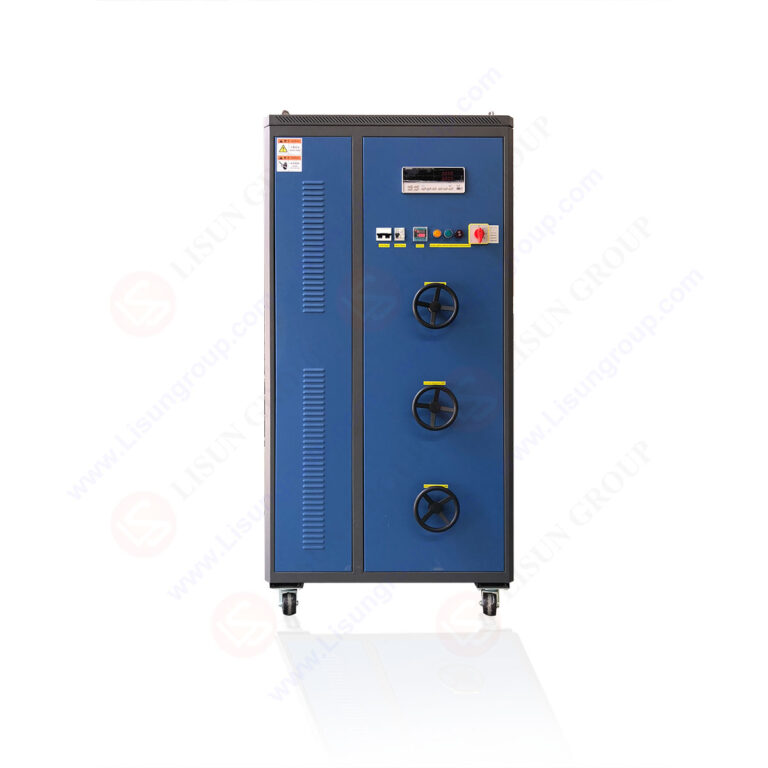



Methodologies and Apparatus for Validating Enclosure Integrity Under Hydrostatic Stress
The imperative for reliable waterproof and pressure-resistant enclosures across modern industry cannot be overstated. As electronic and electromechanical systems proliferate in environments ranging from domestic settings to extreme operational theatres, the verification of ingress protection (IP) becomes a critical phase in the design, validation, and production lifecycle. High-pressure waterproof testing, specifically designed to simulate the effects of directed water jets or powerful waves, provides the definitive data required to certify product durability, safety, and long-term functional integrity. This article delineates the technical principles, standardized methodologies, and advanced instrumentation essential for executing these validations, with a focused examination of integrated chamber systems that streamline the testing protocol.
Defining the Hydrostatic Test Regime: Standards and Pressure Classifications
High-pressure waterproof testing is governed by a suite of international standards, most notably the IEC 60529 standard for Degrees of Protection provided by enclosures (IP Code). Tests relevant to high-pressure conditions are codified under IPX5, IPX6, IPX7, IPX8, and IPX9K ratings. Each specification prescribes distinct parameters for nozzle diameter, water flow rate, pressure, application distance, duration, and trajectory. For instance, IPX5 and IPX6 tests utilize 6.3mm and 12.5mm nozzles respectively, projecting water at rates of 12.5 L/min and 100 L/min with pressures sufficient to achieve those flows from a distance of 2.5 to 3 meters. The IPX9K test, representing the most severe wash-down simulation, employs a specialized high-temperature, high-pressure spray with four jets at 0°, 30°, 60°, and 90° angles, delivering water at 80°C ±5°C, 8-10 MPa (80-100 bar), and 14-16 L/min.
Beyond IEC 60529, industry-specific standards such as ISO 20653 (automotive), MIL-STD-810G (military), and various automotive OEM specifications impose additional or more stringent requirements. These tests are not merely binary pass/fail checks but are quantitative assessments of an enclosure’s ability to maintain its protective function against hydrostatic penetration, which can lead to catastrophic failures including short circuits, corrosion, mechanical binding, and dielectric breakdown.
The Engineering Principles of Directed Fluid Penetration Testing
The fundamental challenge in high-pressure waterproof testing is the consistent and repeatable application of a calibrated fluid stream to a test specimen. The physics of fluid dynamics dictate that a high-velocity jet possesses significant kinetic energy, capable of exploiting microscopic imperfections, seal interfaces, gasket junctions, and cable entry points. The testing apparatus must therefore generate and maintain a stable pressure head, filter and condition the water to remove particulates that could clog nozzles, and provide precise mechanical manipulation to ensure full coverage as per the standard.
The test principle involves mounting the device under test (DUT) on a programmable rotary table within a sealed test chamber. The chamber is constructed from corrosion-resistant materials like stainless steel and incorporates a water recovery and circulation system. A multistage pump pressurizes the water, which is then routed through a network of valves, pressure regulators, and flow meters to the designated test nozzle. A programmable logic controller (PLC) or industrial computer automates the sequence: initiating pump operation, stabilizing pressure, controlling the rotary table’s motion, and managing test duration. Post-test, the DUT is inspected internally for moisture ingress, often accompanied by a functional operational check to confirm no performance degradation has occurred.
Integrated Test Systems: The JL-XC Series as a Paradigm
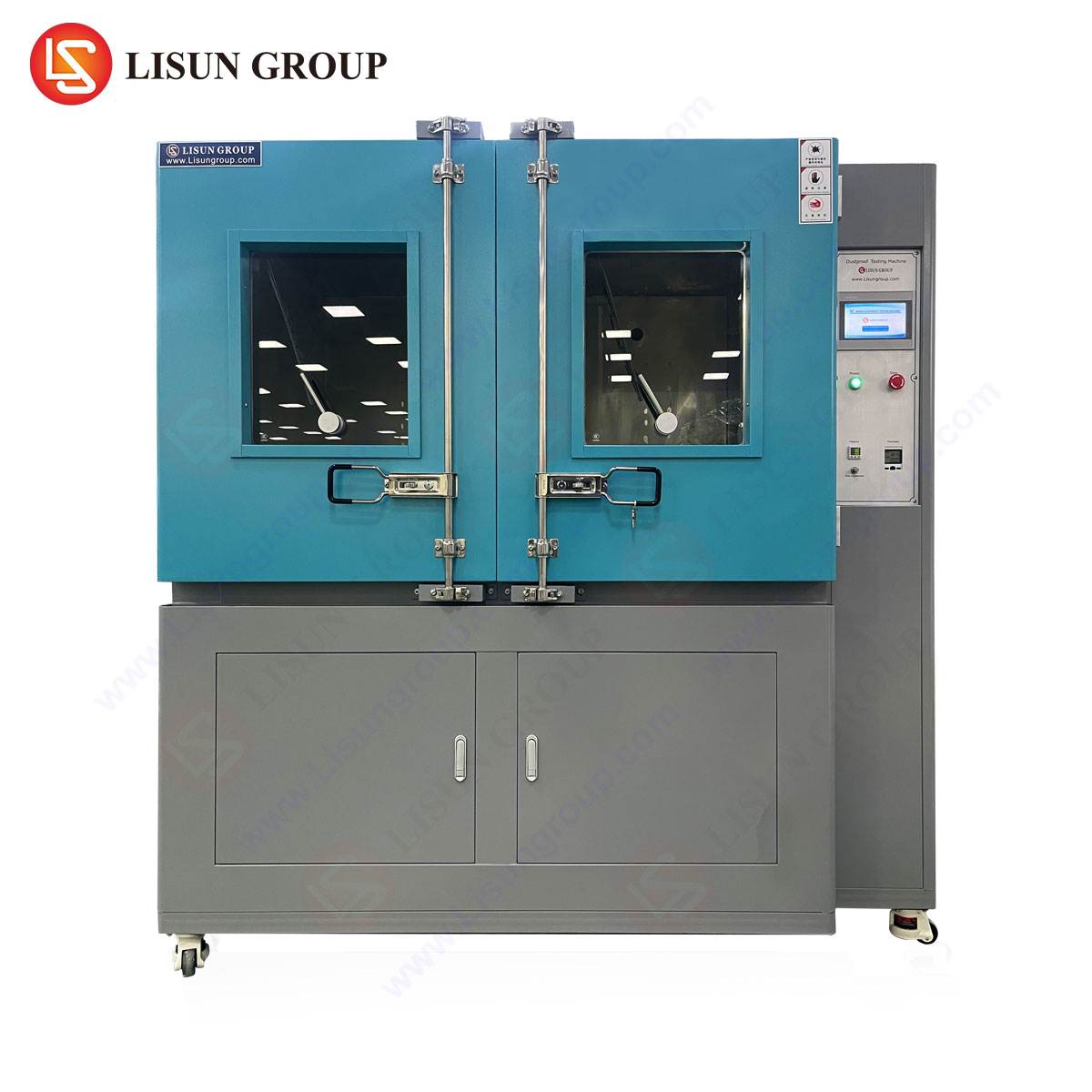
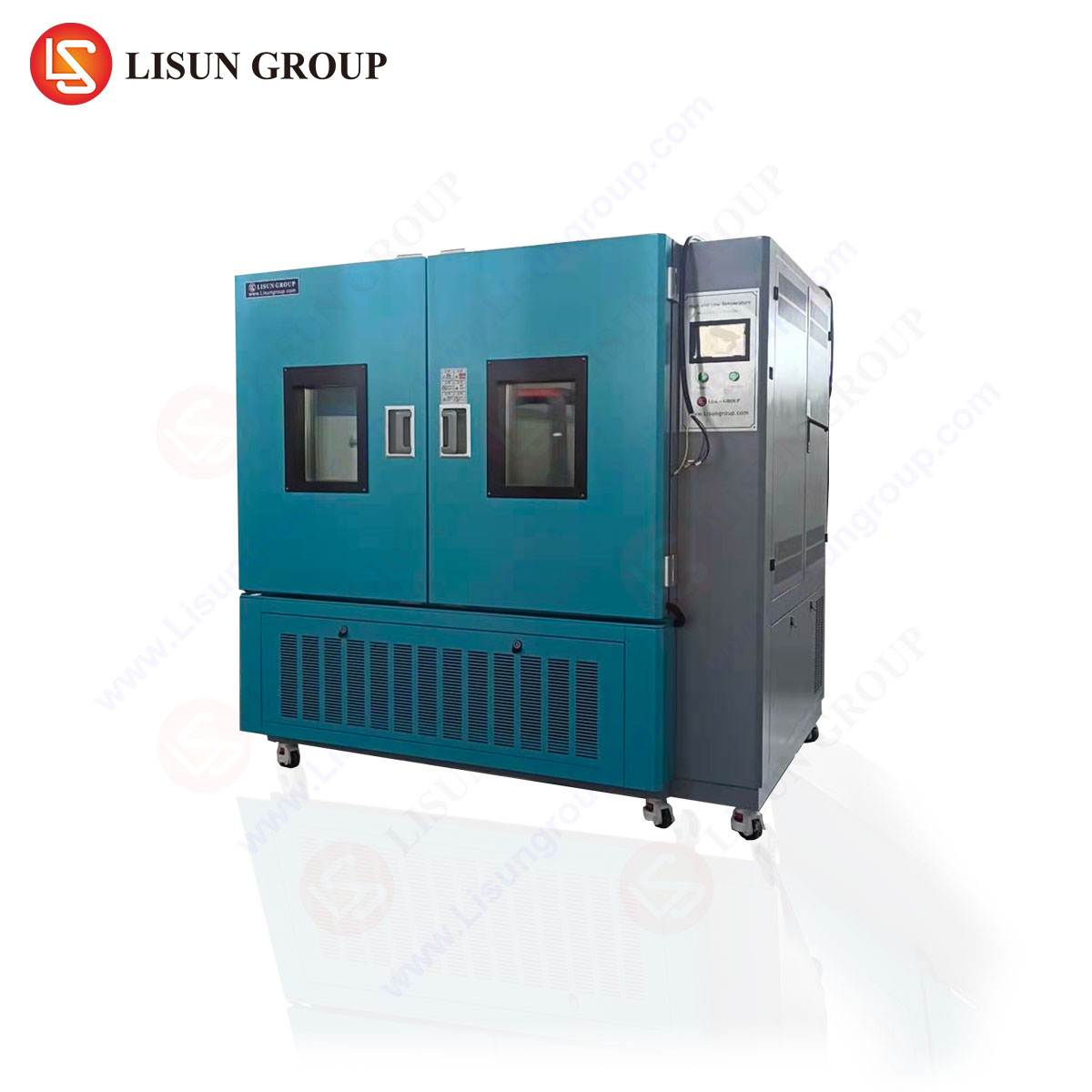
Modern manufacturing and quality assurance demand efficiency and reproducibility. Integrated test chambers, such as the LISUN JL-XC Series Waterproof Test Chamber, consolidate the entire testing ecosystem into a single, user-configurable platform. These systems are engineered to perform a comprehensive range of tests from IPX1 to IPX9K, eliminating the need for multiple discrete testing setups.
The JL-XC Series exemplifies this integrated approach. Its core specifications are designed for rigorous laboratory and production line use. The chamber is typically constructed from SUS304 stainless steel, with a reinforced door mechanism and double-layered tempered glass viewport. The water circulation system incorporates temperature control modules capable of heating water to the 80°C required for IPX9K testing, alongside refrigeration units for lower-temperature test requirements. A high-pressure plunger pump, capable of generating pressures exceeding 10 MPa, is standard, with flow and pressure continuously monitored and displayed via a human-machine interface (HMI).
The system’s automation is a key differentiator. The HMI allows the operator to select pre-programmed test standards (e.g., IPX5, IPX6, IPX9K) or define custom parameters. The programmable rotary table can be adjusted for speed and oscillation pattern to ensure the water jet traverses all critical surfaces of the DUT. Data logging functions record pressure, flow, temperature, and test duration for audit trails and compliance reporting.
Table 1: Representative Technical Specifications for an Integrated Test Chamber (JL-XC Series Model)
| Parameter | Specification |
| :— | :— |
| Test Standards | IEC 60529 IPX1 to IPX9K, ISO 20653, etc. |
| Chamber Interior | SUS304 Stainless Steel |
| Water Temperature Range | Ambient to 80°C ±5°C (for IPX9K) |
| Max Water Pressure | 10 MPa (100 bar) |
| Flow Rate Range | 12.5 L/min to 100+ L/min |
| Rotary Table | Programmable, 1-5 RPM adjustable, 200kg+ load capacity |
| Control System | 7-inch Touchscreen HMI with data logging |
| Power Supply | 380V/50Hz or customized |
Industry-Specific Applications and Validation Requirements
The application of high-pressure waterproof testing is ubiquitous across sectors where electronics interface with the environment.
- Automotive Electronics: Components like electronic control units (ECUs), sensors, lighting assemblies (headlamps, taillights), and battery management systems for electric vehicles must withstand high-pressure car washes (IPX6/IPX9K) and prolonged immersion (IPX7/IPX8 for components in wheel wells or underbodies). ISO 20653 is frequently referenced alongside OEM-specific tests that may involve pressure cycling.
- Consumer Electronics & Telecommunications: Smartphones, wearables, outdoor routers, and base station antennas claim IP ratings for dust and water resistance. Testing validates the integrity of seals around buttons, speakers, and connector ports against jets of water.
- Industrial Control Systems & Electrical Components: Panel-mounted switches, PLC housings, and industrial sockets used in food processing, marine, or outdoor settings require IPX5/IPX6 ratings to ensure operation despite wash-down cleaning with high-pressure hoses.
- Lighting Fixtures: Outdoor, automotive, and marine lighting must be impervious to driving rain and direct jets. Testing confirms that the lens-seal interface and housing joints prevent ingress that could cause lamp failure or electrical hazard.
- Aerospace and Aviation: While not always covered by IP codes, components are tested against specified fluid pressures and trajectories to simulate conditions during flight through heavy precipitation or while parked on the tarmac during storms.
- Medical Devices: Equipment intended for operating rooms or disinfection via autoclave or chemical wash-down requires validation that no fluid penetrates critical internal volumes, ensuring sterility and device safety.
Analytical Advantages of Automated, Multi-Standard Chambers
The deployment of an integrated chamber system like the JL-XC Series confers several technical and operational advantages over legacy, manual testing configurations.
- Repeatability and Standardization: Automated control of pressure, flow, temperature, and specimen rotation removes operator-induced variables, ensuring test results are consistent and directly comparable across production batches and time.
- Enhanced Test Throughput: Rapid changeover between test types (e.g., from an IPX6 spray to an IPX9K wash-down) within the same chamber minimizes downtime, a critical factor in high-volume production quality control (QC) environments.
- Comprehensive Data Integrity: Integrated sensors and data logging create an immutable record of test conditions, providing defensible evidence for compliance certificates and simplifying audit processes.
- Resource Efficiency: Closed-loop water systems with filtration and temperature control significantly reduce water consumption compared to open testing rigs and ensure water quality remains within specification for the duration of testing.
- Operator Safety and Containment: The fully enclosed chamber contains high-pressure spray and potential debris, protecting personnel. It also manages steam and hot water effectively during high-temperature IPX9K tests.
Interpretation of Test Results and Failure Mode Analysis
A test is not concluded with the cessation of water flow. The subsequent inspection and analysis phase is diagnostically critical. The DUT is carefully disassembled in a controlled environment, and internal surfaces are examined for any trace of moisture, condensation, or water droplets. This is often aided by indicators like water-sensitive paper or by checking for changes in electrical parameters (insulation resistance, dielectric strength).
Common failure modes identified through high-pressure testing include:
- Gasket/Seal Compression Set: Permanent deformation of elastomeric seals leading to leak paths.
- Inadequate Fastener Torque: Uneven clamping force around enclosure flanges.
- Material Incompatibility: Swelling or degradation of plastics or seals due to water temperature or chemistry.
- Design Flaws in Cable Glands or Connectors: Ineffective strain relief or sealing at wire entry points.
- Porosity in Cast or Molded Housings: Subsurface voids that breach under pressure.
Identifying the root cause allows for targeted design improvements, such as specifying higher-durometer seals, adding labyrinth structures, redesigning drainage paths, or implementing potting compounds for internal assemblies.
Future Trajectories in Enclosure Integrity Validation
The evolution of high-pressure waterproof testing is aligned with broader trends in industrial digitization and materials science. The integration of Industry 4.0 protocols, enabling remote monitoring, predictive maintenance of the test equipment itself, and direct feeding of test data into product lifecycle management (PLM) systems, is becoming prevalent. Furthermore, as devices become smaller and more complex, with integrated antennas and advanced sensing surfaces, test methodologies are adapting. This includes the development of targeted spray fixtures for complex geometries and the use of tracer fluids with dielectric properties for in-situ electrical monitoring during the test itself. The core objective remains unchanged: to provide engineers with unequivocal, standards-based evidence that a product will survive and perform in its intended hydrostatically challenging environment.
Frequently Asked Questions (FAQ)
Q1: What is the critical difference between IPX7/IPX8 (immersion) testing and IPX5/IPX6/IPX9K (high-pressure spray) testing?
A1: The tests simulate fundamentally different environmental insults. Immersion tests (IPX7/8) evaluate the seal’s ability to withstand static or varying hydrostatic pressure over time, which stresses seals uniformly. High-pressure jet tests (IPX5/6/9K) subject specific, localized points on the enclosure to intense kinetic impact, testing the resilience of seams, gaskets, and joints against forceful, directional water penetration. A product may pass one type of test but fail the other, necessitating both for comprehensive validation if the use case demands it.
Q2: Why is water temperature control, specifically heating to 80°C, required for the IPX9K test?
A2: The IPX9K standard simulates high-pressure, high-temperature wash-downs common in industrial and automotive cleaning processes. The elevated temperature (80°C ±5°C) introduces an additional stress factor: it can soften or alter the dimensional stability of plastic enclosures and elastomeric seals, potentially exacerbating ingress. It also tests for thermal shock as the hot water contacts the test specimen.
Q3: Can an integrated chamber like the JL-XC Series be used for both component-level and full-product testing?
A3: Yes, provided the physical dimensions of the product fall within the chamber’s workspace and its weight is within the capacity of the rotary table. The configurability of the spray nozzles, pressure, and table rotation allows the same system to validate a small automotive sensor (component-level) and a large consumer electronics device or a cluster of lighting fixtures. Load adapters and custom fixtures are often employed to secure varied DUT geometries.
Q4: How often should the calibration of the test chamber’s pressure transducers, flow meters, and temperature sensors be verified?
A4: Calibration intervals should be determined based on usage frequency, manufacturer recommendations, and the requirements of the quality management system under which the laboratory operates (e.g., ISO/IEC 17025). Typically, an annual calibration by an accredited service is considered best practice for equipment used in compliance testing. More frequent internal checks using calibrated reference instruments may be implemented for high-volume QC labs.
Q5: What preparatory steps are essential for the Device Under Test (DUT) before initiating a high-pressure test?
A5: Proper preparation is vital for a valid test. The DUT should be in its final, assembled state as intended for sale. Any open ports designed to be sealed by the end-user (e.g., conduit entries) should be sealed as per installation instructions. The DUT is typically placed in a thermally stable condition (not cold or hot) relative to the test water. For electrical devices, it is common to place water-sensitive indicators inside or to perform a baseline electrical safety test (e.g., insulation resistance) prior to the water exposure.